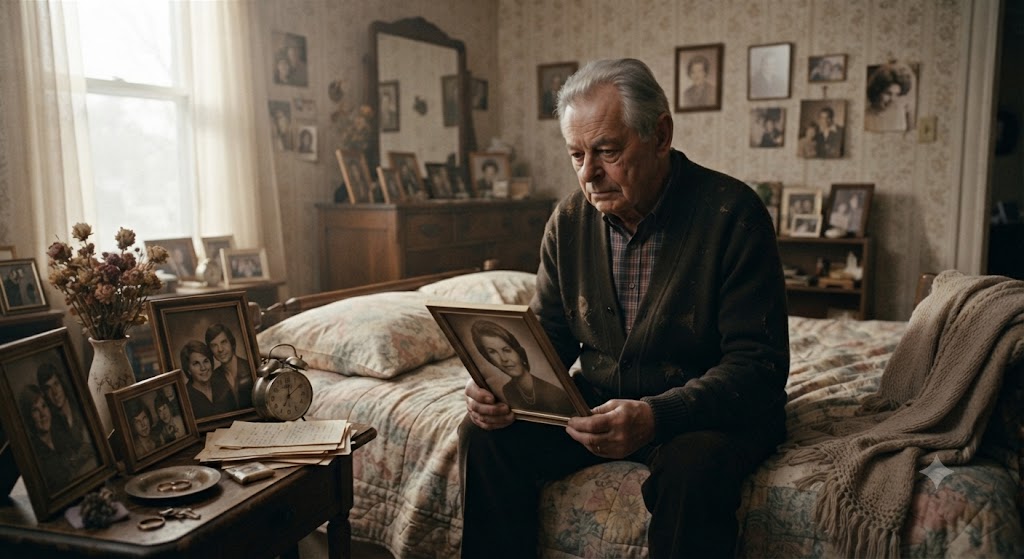
Nigdy nie zapomnę tej nocy, kiedy siedziałem sam w swojej sypialni i patrzyłem na rzeczy, które przez 45 lat były częścią mojego życia. Na stoliku obok łóżka nadal stało zdjęcie mojej zmarłej żony, a każdy przedmiot w tym pokoju przypominał mi chwile, które razem przeżyliśmy. To tutaj pożegnaliśmy się po raz ostatni, to tutaj wychowywałem moją córkę i to tutaj przez dziesiątki lat budowałem poczucie bezpieczeństwa dla swojej rodziny. Dlatego kiedy usłyszałem od córki: „Tato, musisz oddać swoją sypialnię rodzicom Andrésa”, nie poczułem tylko złości. Poczułem, jakby ktoś próbował odebrać mi część mojej własnej historii. Dla nich był to tylko pokój, ale dla mnie było to miejsce pełne wspomnień, których nie można kupić za żadne pieniądze.
Przez całe życie byłem ojcem, który zawsze stawiał rodzinę na pierwszym miejscu. Kiedy moja córka rozwiodła się i została sama z dziećmi, nie zastanawiałem się ani chwili. Otworzyłem przed nią drzwi mojego domu, pozwoliłem jej zacząć od nowa i nigdy nie pytałem, kiedy zamierza się wyprowadzić. Chciałem, żeby czuła się bezpiecznie, bo pamiętałem ją jako małą dziewczynkę, która przychodziła do mnie, kiedy czegoś się bała. Nie oczekiwałem wdzięczności ani wielkich słów. Wystarczyło mi, że wiedziałem, iż moja córka i wnuki mają gdzie mieszkać. Nigdy jednak nie przypuszczałem, że pewnego dnia to właśnie w tym domu poczuję się jak nieproszony gość.
Na początku próbowałem zrozumieć ich decyzję. Mówiłem sobie, że może moja córka jest pod presją, że może jej mąż naciska na nią bardziej, niż widzę. Ale z każdym kolejnym zdaniem coraz bardziej czułem, że problemem nie jest sam pokój, lecz sposób, w jaki zaczęli mnie traktować. Mój zięć spojrzał na mnie spokojnie i powiedział:
„To tylko pokój. Moi rodzice są starsi i potrzebują wygody.”
Potem moja córka dodała:
„Tato, musisz być bardziej wyrozumiały. Oni też są rodziną.”
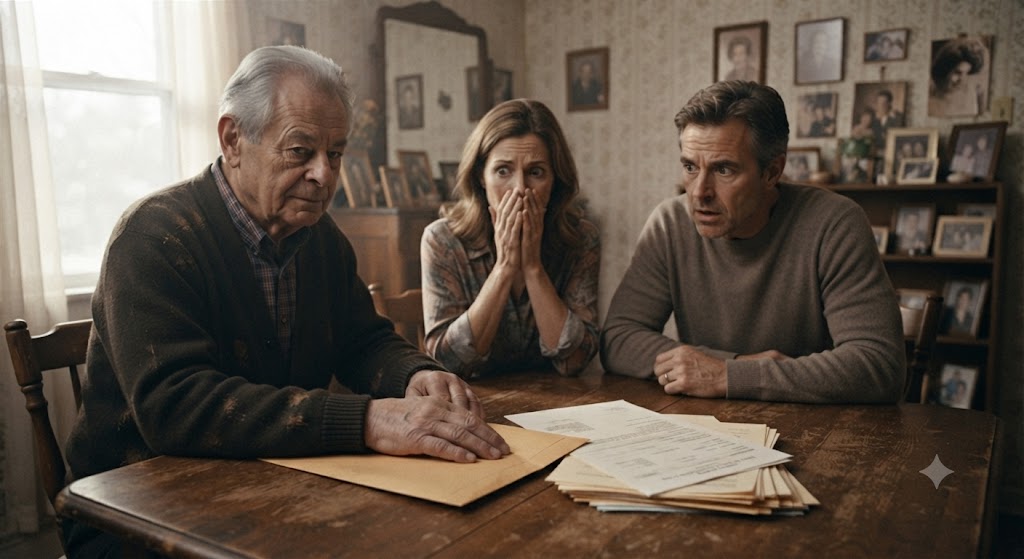
Słuchałem tych słów i przez chwilę nie wiedziałem, co odpowiedzieć. Zastanawiałem się tylko, kiedy przestałem być dla niej ojcem, a stałem się kimś, kto powinien ustąpić miejsca innym.
Tej nocy nie krzyczałem i nie zrobiłem awantury. Nie chciałem, żeby moja córka zapamiętała mnie jako człowieka, który walczył o kilka metrów przestrzeni. Wiedziałem, że chodziło o coś znacznie większego. Chodziło o szacunek. Zamknąłem drzwi swojego pokoju, usiadłem przy biurku i wyjąłem starą teczkę z dokumentami, którą przechowywałem od wielu lat. W środku znajdowały się wszystkie papiery dotyczące domu, rachunki, umowy i dokumenty potwierdzające, że to ja przez całe życie budowałem to miejsce. Wtedy zrozumiałem, że przez ostatnie lata dawałem wszystkim poczucie bezpieczeństwa, ale sam zapomniałem zadbać o własne.
Następnego dnia skontaktowałem się z moim prawnikiem. Nie dlatego, że chciałem ukarać córkę albo wyrzucić ją z domu. Nadal ją kochałem i nadal była moim dzieckiem. Chciałem tylko wiedzieć, jakie mam możliwości i jak mogę zabezpieczyć swoją przyszłość. Kiedy prawnik przejrzał dokumenty, powiedział mi coś, co utwierdziło mnie w decyzji: przez lata miałem pełne prawo decydować o tym domu, a nikt nie mógł traktować mnie jak osoby, która musi prosić o miejsce we własnym życiu. Po raz pierwszy od dawna poczułem, że nie jestem bezsilny.
Kilka dni później poprosiłem córkę i zięcia o rozmowę. Weszli do salonu przekonani, że w końcu się zgodziłem. Myśleli, że jak zawsze wybiorę spokój i ustąpię dla dobra rodziny. Tym razem jednak położyłem przed nimi dokumenty i spokojnie powiedziałem:
„Przez całe życie budowałem ten dom nie po to, żeby ktoś czuł się tutaj ważniejszy ode mnie. Budowałem go po to, żeby moja rodzina miała miejsce pełne miłości.”
Moja córka spojrzała na papiery i po raz pierwszy zobaczyłem w jej oczach nie pewność, ale zaskoczenie. Mój zięć próbował coś powiedzieć, ale zabrakło mu argumentów. Wtedy zrozumieli, że człowiek, którego uważali za starego i łatwego do przekonania, przez całe życie był osobą, która potrafiła podejmować trudne decyzje.
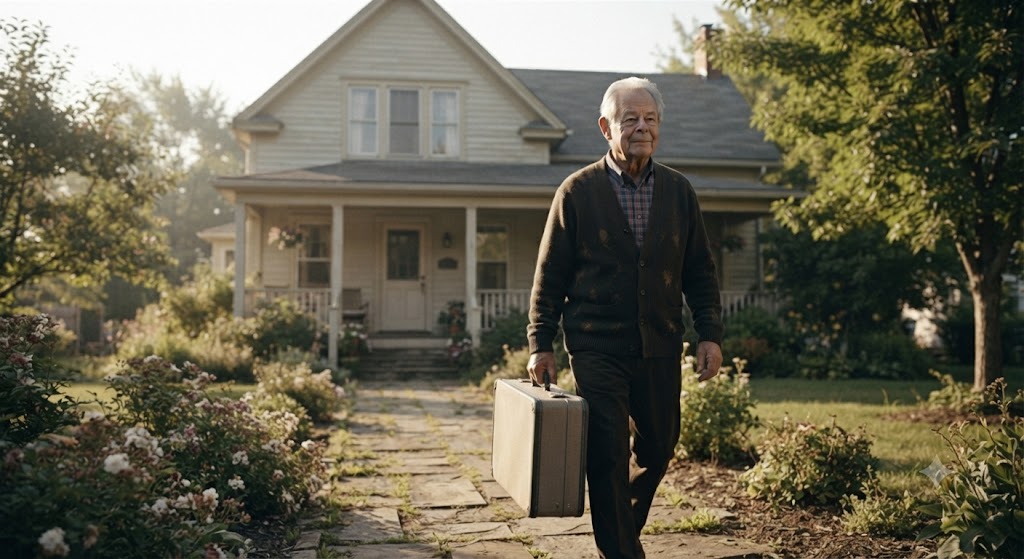
Nie chciałem już mieszkać w domu, gdzie każdego dnia miałem udowadniać, że zasługuję na szacunek. Dlatego podjąłem decyzję, której moja córka zupełnie się nie spodziewała. Postanowiłem sprzedać dom i zacząć nowe życie w miejscu, gdzie nie będę czuł się jak problem. Kiedy córka dowiedziała się o moim planie, przybiegła do mnie i zapytała:
„Tato, naprawdę chcesz nas zostawić?”
Spojrzałem na nią spokojnie i odpowiedziałem:
„Nie, córko. Ja was nie zostawiam. Ja tylko przestaję zostawiać samego siebie.”
Te słowa długo między nami zostały. Po raz pierwszy moja córka zrozumiała, że ojciec, który całe życie dawał jej wszystko, również ma uczucia, granice i prawo do własnej godności. Dzisiaj wiem, że dom nie jest zbudowany z cegieł i ścian. Prawdziwy dom istnieje tam, gdzie człowiek czuje się kochany i szanowany. A jeśli ktoś sprawia, że czujesz się obcy we własnym miejscu, czasami najodważniejszą decyzją nie jest walczyć o pozostanie. Czasami trzeba odejść, aby w końcu odzyskać siebie.