PARTEA 1 — Ziua în care am aflat că omul care eram nu exista
„Domnule Miller, conform sistemului nostru, dumneavoastră ați murit în anul 1990.”
Am crezut că am auzit greșit.
Am rămas așezat pe scaunul de plastic din acel birou guvernamental, cu mâinile mele aspre, pline de cicatrici de la ani de muncă, strângând câteva documente expirate de asigurare medicală. Luminile fluorescente de deasupra mea bâzâiau continuu, iar în jurul meu oamenii își așteptau rândul fără să știe că, în câteva secunde, întreaga mea viață urma să se destrame.
Aveam 32 de ani, eram fără loc de muncă și mai aveam doar 52 de dolari în portofel. Venisem acolo pentru că nu mai aveam altă soluție. După ani întregi în care refuzasem orice ajutor, după ce îmi construisem viața singur, ajunsesem în punctul în care aveam nevoie de sprijin medical.
Nu mă așteptam să aflu că, oficial, nici măcar nu existam.
„Asta este imposibil”, i-am spus femeii de la ghișeu. „Folosesc acest număr de securitate socială de când am avut primul loc de muncă. Este numele meu.”
Funcționara s-a uitat din nou la monitor. Se numea Linda și până atunci avusese o expresie calmă, profesională. Dar acum chipul ei se schimbase. Nu mai părea doar confuză. Părea speriată.
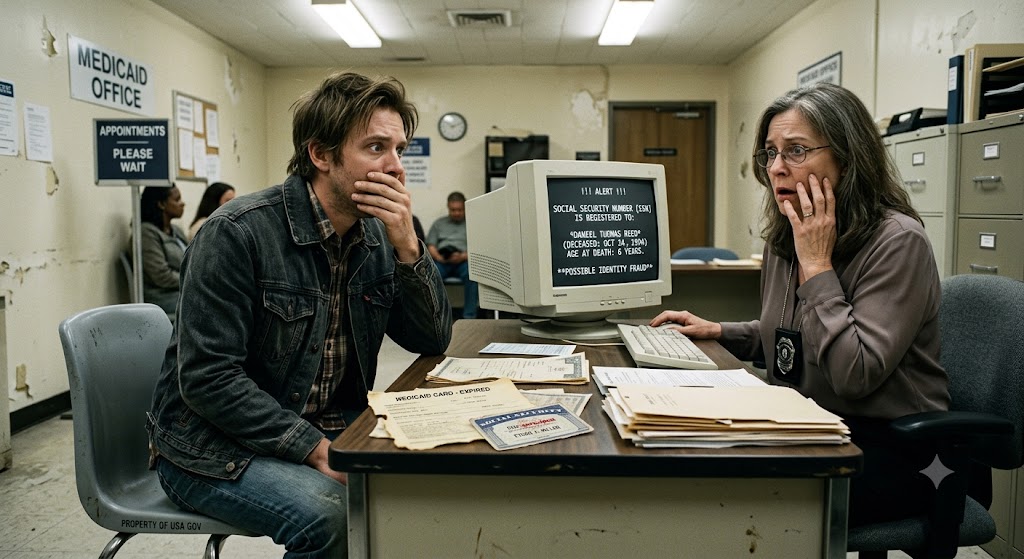
A tastat din nou.
S-a uitat la ecran.
Apoi la mine.
„Domnule Miller, acest număr aparține unui copil care a fost declarat decedat.”
Am simțit cum mi se răcește corpul.
„Ce copil?”
A ezitat înainte să răspundă.
„Un copil pe nume Ethan James Miller. A murit într-un accident rutier în 1990, împreună cu tatăl său.”
Am râs scurt, fără umor.
„Tatăl meu a murit într-un accident rutier.”
Ea a ridicat privirea.
„Când?”
„În 1997. Aveam șase ani.”
A fost momentul în care expresia ei s-a schimbat complet.
„Domnule Miller… copilul despre care vorbim avea trei ani când a murit.”
În acel moment, toate sunetele din încăpere au dispărut.
Nu mai auzeam telefoane.
Nu mai auzeam tastaturi.
Nu mai auzeam oamenii care vorbeau în jurul meu.
Auzeam doar acea propoziție.
Trei ani.
Nu șase.
Pentru prima dată în viața mea, ceva ce crezusem imposibil a început să pară real.
Poate că problema nu era un document greșit.
Poate problema era că întreaga mea viață fusese construită pe o minciună.
Până în acea zi, eu fusesem Ethan James Miller. Așa mă știam. Așa fusesem crescut. Așa apăream pe toate actele mele. Pentru mine nu exista nicio întrebare.
Eram fiul unei femei pe nume Carol.
Eram copilul unui bărbat pe nume Richard.
Tatăl meu murise într-un accident când eram mic.
Mama mea se recăsătorise cu un bărbat pe nume Gary Dawson.
Iar Gary îmi repetase toată copilăria același lucru:
„Nu ești sângele meu.”
Acea frază mă urmărise toată viața.
Când eram copil, nu înțelegeam complet ce înseamnă. Dar înțelegeam tonul.
Nu eram ca fiica lui biologică.
Nu eram cu adevărat parte din familie.
Gary se căsătorise cu mama mea când aveam opt ani. După moartea tatălui meu, mama rămăsese singură cu mine și probabil crezuse că acel bărbat avea să ne salveze. Gary avea o casă mare, un loc de muncă stabil și o viață aparent ordonată.
Dar pentru mine, el nu fusese niciodată un tată.
Din prima zi în casa lui am simțit diferența dintre mine și fiica lui.
Ea primea haine noi.
Eu primeam haine rămase de la alții.
Ea avea petreceri de ziua ei.
Eu primeam un tort mic cumpărat de la magazin.
Ea era copilul lui.
Eu eram obligația lui.
Gary nu m-a lovit niciodată. Nu m-a înfometat. Nu mi-a făcut rău într-un mod pe care oamenii l-ar observa imediat.
Dar în fiecare zi îmi amintea că eram un intrus.
„Banii nu cresc în copaci.”
„Trebuie să înveți valoarea muncii.”
„Nu totul ți se cuvine.”
La început am crezut că încerca să mă învețe responsabilitate.
Mai târziu am înțeles că încerca să mă facă să simt că nu merit nimic.
Singura persoană care încerca să se apropie de mine era sora mea vitregă. Era mai mică decât mine și, deși era copil, vedea lucruri pe care adulții preferau să le ignore.
Uneori îmi strecura câte o prăjitură.
Alteori mă lăsa să stau în camera ei când Gary ocupa sufrageria și nu voia să fiu acolo.
Ea era singura persoană din acea casă care mă făcea să simt că aparțin.
Dar nici ea nu putea schimba situația.
În ziua în care am împlinit 18 ani, am ajuns acasă după muncă și mi-am văzut bagajele lângă ușă.
Două genți vechi.
Câteva cărți.
Documentele mele.
Atât.
Gary stătea pe fotoliu cu brațele încrucișate.
„Ești adult acum.”
Am rămas nemișcat.
„Ce?”
„Ai 18 ani. Este timpul să îți faci singur viața.”
M-am uitat spre bucătărie.
Mama mea stătea acolo.
Cu un prosop în mână.
Nu m-a privit.
Asta a fost partea care m-a durut cel mai mult.
Nu Gary.
Nu bagajele.
Tăcerea ei.
„Mamă?”
A deschis gura.
Apoi a închis-o.
Și s-a întors.
În acea zi am plecat.
Fără să mă oprească nimeni.
Fără să mă întrebe unde voi dormi.
Fără să îmi spună că mă iubesc.
Am plecat cu ideea că nu am nevoie de nimeni.
Mi-am construit viața singur.
Am lucrat în construcții.
În depozite.
În cele din urmă am ajuns la o fabrică de lemn.
Nu era o viață spectaculoasă.
Dar era a mea.
Nu am cerut ajutor.
Nu am vrut mila nimănui.
Pentru că învățasem o lecție greșită: că dacă ai nevoie de oameni, ei te pot răni.
Apoi fabrica s-a închis.
După aceea am avut un accident de muncă.
Banii s-au terminat.
Facturile medicale au crescut.
Și pentru prima dată după foarte mulți ani, am fost obligat să cer ajutor.
Așa am ajuns în acel birou.
Așa am aflat că omul pe care îl credeam eu nu exista.
După ce funcționara a sunat un superior, un bărbat mai în vârstă a venit la birou. Avea un costum gri și o expresie serioasă. S-a uitat la monitor, apoi la mine.
Și atunci s-a întâmplat ceva ciudat.
Pentru o fracțiune de secundă, fața lui s-a schimbat.
Ca și cum recunoscuse ceva.
„Doamne…”
A șoptit cuvintele aproape fără să își dea seama.
Apoi s-a întors spre funcționară.
„Blocați dosarul imediat. Nu mai sunați pe nimeni până nu fac un apel.”
M-am ridicat.
„Am făcut ceva ilegal?”
M-a privit direct.
„Nu.”
A făcut o pauză.
„Dar trebuie să vă pregătiți.”
„Pentru ce?”
A coborât vocea.
„Pentru că tot ceea ce credeți că știți despre viața dumneavoastră s-ar putea să fie fals.”
În acel moment telefonul meu a vibrat.
Număr necunoscut.
Am deschis mesajul.
Era o singură propoziție:
„Rămâneți unde sunteți. Mama dumneavoastră adevărată v-a căutat timp de 32 de ani.”
Am ridicat privirea spre acel bărbat.
Și pentru prima dată în viața mea m-am întrebat:
Dacă Ethan James Miller nu eram eu…
Atunci cine eram cu adevărat?
PARTEA 2 — Adevărul pe care mi l-au ascuns toată viața
După ce am primit mesajul de la agentul care îmi spunea că mama mea adevărată mă căutase timp de 32 de ani, nu am mai reușit să gândesc normal. Tot ceea ce considerasem sigur în viața mea devenise nesigur. Numele meu, copilăria mea, amintirile mele, oamenii pe care îi numisem familie, toate erau puse sub semnul întrebării. Stăteam într-o cameră mică din clădirea guvernamentală și încercam să găsesc o explicație logică, dar nu exista una. Nu puteam accepta că o persoană poate trăi peste trei decenii cu o poveste falsă fără să își dea seama. Totuși, undeva în interiorul meu, o parte din mine începuse deja să lege lucrurile.
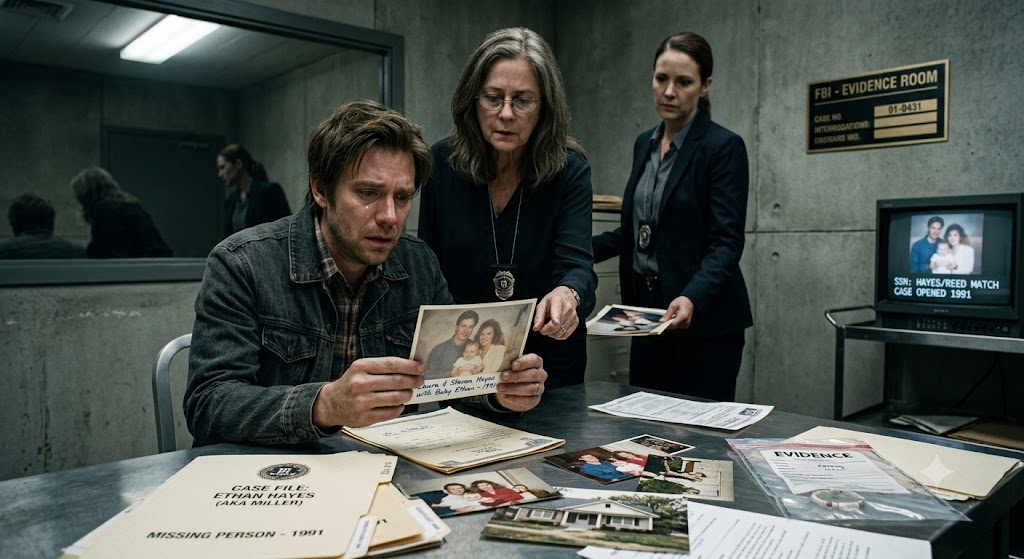
Agentul mi-a explicat că investigația pornise de la numărul de securitate socială și de la diferențele dintre datele oficiale și povestea pe care o știam eu. Copilul care apărea în sistem murise într-un accident cu ani înainte de data pe care eu o aveam în memorie. Numele era același. Numele tatălui era același. Dar vârsta copilului nu se potrivea. Evenimentele nu se potriveau. Cu cât verificau mai multe informații, cu atât devenea mai clar că eu nu eram persoana despre care credeam că sunt. Mi-au spus că exista posibilitatea să fi fost victima unei răpiri când eram foarte mic și că identitatea mea fusese schimbată intenționat.
La început am refuzat să cred. Cum putea fi posibil? Eu aveam amintiri. Aveam o copilărie. Aveam fotografii, povești, oameni care mă cunoșteau. Dar când am început să mă gândesc mai atent, am observat lucrurile pe care ani întregi le ignorasem. Nu aveam aproape nicio fotografie din primii ani de viață. Nu exista un album de familie cu mine bebeluș, așa cum vedeam la alți oameni. Când întrebam despre acea perioadă, mama mea schimba subiectul sau îmi spunea povești generale, fără detalii. Crezusem că era doar felul ei de a fi. Acum începeam să mă întreb dacă nu cumva era frică.
Apoi mi-au vorbit despre femeia pe care o considerasem mama mea. Mi-au spus că numele ei real era diferit de cel pe care îl folosise în viața de zi cu zi și că fusese legată de un caz vechi de dispariție a unui copil. Mi-au explicat că pierduse un copil înainte și că, după acea tragedie, viața ei se destrămase. În loc să ceară ajutor, în loc să accepte pierderea, făcuse ceva de neiertat. Luase un alt copil și încercase să îl transforme în înlocuitorul copilului pierdut. Iar acel copil eram eu.
Am simțit o durere greu de explicat. Pentru că, într-un fel ciudat, acea femeie fusese singura mamă pe care o cunoscusem. Ea îmi pregătise mâncarea. Ea mă dusese la școală. Ea îmi spusese povești înainte de culcare. Dar în același timp, ea îmi furase ceva ce nu putea fi recuperat niciodată: adevărul despre cine eram. Mă iubise sau iubise imaginea unui copil pierdut pe care încercase să îl înlocuiască? Aceasta era întrebarea care mă urmărea.
Apoi am aflat adevărul despre tatăl meu vitreg. Ani întregi crezusem că mă urâse pentru că nu eram copilul lui biologic. Crezusem că acele cuvinte repetate de el — că nu eram sângele lui — erau doar cruzimea unui om rece. Dar realitatea era mult mai complicată. El aflase adevărul când eu eram adolescent. Știa că femeia care mă crescuse ascundea ceva. Știa că identitatea mea nu era reală. Știa că părinții mei adevărați mă căutau. Dar alesese să tacă.
Când am auzit asta, am simțit o furie pe care nu o mai cunoscusem. Nu doar pentru faptul că fusesem mințit. Ci pentru că timp de 15 ani trăisem cu ideea că nu valorez nimic pentru acel om, când adevărul era că el știa exact cine eram. În loc să mă ajute, mă lăsase să plec din casă cu sentimentul că eram nedorit. Mă lăsase să cred că nu aparțineam nimănui. Poate că nu mă putea proteja de tot haosul care urma, dar putea să îmi spună adevărul. Putea să îmi ofere șansa de a-mi cunoaște familia reală.
În acea zi am înțeles că uneori cea mai mare rană nu vine de la oamenii care te rănesc direct. Vine de la oamenii care știu adevărul și aleg să tacă. Tăcerea lor poate schimba o viață la fel de mult ca o minciună spusă cu voce tare.
După ce mi-au explicat totul, agentul mi-a spus că părinții mei biologici erau în drum spre mine. Era greu să procesez acele cuvinte. Părinții mei. Nu mama pe care o cunoscusem. Nu familia în care crescusem. Ci doi oameni care mă căutaseră mai mult timp decât trăisem alături de ei. Mi-a arătat fotografii cu ei de-a lungul anilor. În fiecare imagine vedeam același lucru: speranță. Nu renunțaseră niciodată.
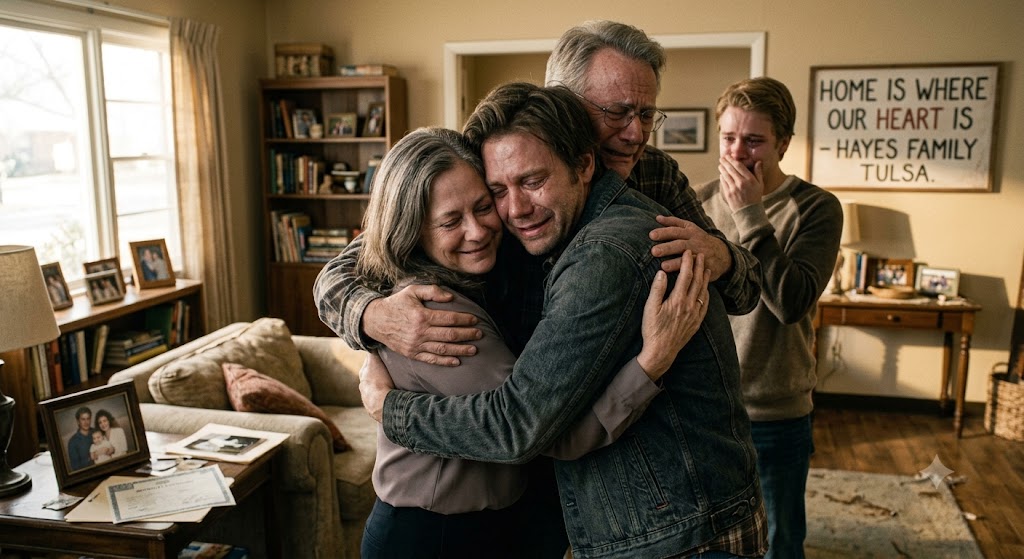
Când ușa s-a deschis și i-am văzut pentru prima dată, nu am simțit acel moment perfect pe care îl vezi în filme. Nu am alergat imediat spre ei. Nu puteam. Era prea mult. Erau străini pentru mine, chiar dacă sângele meu îi recunoștea. Femeia din fața mea avea ochii mei. Avea același zâmbet pe care îl vedeam uneori în oglindă. Bărbatul de lângă ea avea aceleași mâini muncite ca mine. Dar pentru mintea mea, ei erau necunoscuți.
Femeia a făcut un pas înainte și a spus doar atât: „Fiul meu.” Nu „Ethan”. Nu numele pe care îl folosise toată viața mea. Doar acele două cuvinte. Și ceva din mine s-a rupt. Pentru că, pentru prima dată, cineva mă privea fără să mă compare cu altcineva. Nu eram o obligație. Nu eram un copil luat în grijă. Nu eram o problemă. Eram fiul cuiva.
M-a îmbrățișat, iar eu am rămas rigid câteva secunde. Nu pentru că nu voiam. Ci pentru că nu știam cum să reacționez. Cum recuperezi 32 de ani într-o singură îmbrățișare? Cum accepți că oamenii aceia au plâns după tine în fiecare an în timp ce tu ai crescut crezând că nu ești dorit? Dar apoi am simțit ceva ce nu mai simțisem de foarte mult timp: liniște.
În acea zi nu mi-am recuperat doar identitatea. Mi-am recuperat o parte din mine pe care nici măcar nu știam că o pierdusem. Am aflat că numele pe care îl purtasem toată viața nu era adevărul meu, dar și că adevărul nu însemna doar durere. Însemna și început.
Totuși, aveam încă multe întrebări. Trebuia să aflu cine fuseseră acei oameni care mă căutaseră. Trebuia să înțeleg de ce fusesem luat. Trebuia să mă întâlnesc cu familia pe care nu o cunoscusem niciodată și să învăț cum să aparțin unui loc care fusese al meu de la început.
Pentru prima dată după 32 de ani, nu mai căutam doar răspunsuri despre trecut.
Căutam să descopăr cine puteam deveni.
PARTEA 3 — Familia pe care am găsit-o și viața pe care am început să o trăiesc cu adevărat
Primele săptămâni după ce am aflat adevărul au fost cele mai ciudate din viața mea. Eram fericit că îmi găsisem familia biologică, dar în același timp simțeam că trebuie să jelesc o viață care nu fusese niciodată ceea ce crezusem. Este greu să explic sentimentul de a pierde ceva ce poate nu ai avut niciodată cu adevărat. Aveam amintiri cu femeia care mă crescuse, aveam momente frumoase din copilărie, aveam ani întregi în care o considerasem mama mea. Dar acum trebuia să accept că acele amintiri erau construite peste o minciună. Nu puteam șterge iubirea pe care o simțisem pentru ea, dar nici nu puteam ignora faptul că îmi luase dreptul de a ști cine sunt.
Familia mea biologică nu a încercat niciodată să mă forțeze să uit totul și să devin peste noapte persoana pe care o pierduseră. Asta a fost unul dintre lucrurile care m-au impresionat cel mai mult. Nu mi-au spus că trebuie să simt ceva anume. Nu mi-au cerut să îi numesc imediat „mamă” și „tată”. Nu au încercat să recupereze 32 de ani într-o singură zi. Mi-au spus doar că sunt fericiți că sunt în viață și că vor fi acolo indiferent cât timp îmi va lua să mă adaptez.
Poate pentru unii oameni pare un lucru mic, dar pentru mine a însemnat totul. Toată viața fusesem nevoit să demonstrez că merit un loc. În casa tatălui meu vitreg trebuia să arăt că merit să rămân. În relațiile mele trebuia să arăt că nu sunt o povară. La muncă trebuia să arăt că sunt folositor. Pentru prima dată, cineva îmi spunea că nu trebuie să fac nimic pentru a fi acceptat.
Eram deja al lor.
Cu timpul am început să aflu mai multe despre trecutul meu. Am aflat că părinții mei biologici nu renunțaseră niciodată la mine. În fiecare an, în ziua în care dispărusem, aprindeau o lumânare și vorbeau despre mine. Au creat chiar și un centru care ajuta alte familii cu copii dispăruți, transformând propria lor durere într-un mod de a-i ajuta pe alții. Când am văzut fotografii cu acei ani, am înțeles ceva ce m-a emoționat profund: în timp ce eu crescusem crezând că nimeni nu mă vrea, undeva existau doi oameni care nu încetaseră niciodată să mă caute.
Fratele meu biologic a avut nevoie de timp pentru a se apropia de mine, iar eu am avut nevoie de timp pentru a-l accepta. Nu era o relație care putea apărea instantaneu doar pentru că aveam același sânge. Dar avea ceva ce nu mai trăisem înainte. Nu încerca să mă compare cu altcineva. Nu încerca să îmi spună cine ar trebui să fiu. Era curios despre mine, despre viața mea, despre lucrurile prin care trecusem. Într-o zi mi-a spus ceva simplu: „Nu știu cum a fost să cresc fără tine, dar vreau să recuperez timpul pe care îl putem avea acum.” Pentru prima dată am simțit că nu doar eu încercam să construiesc o legătură.
În ceea ce privește femeia care mă crescuse, adevărul a fost mult mai greu de acceptat. Am aflat că fusese condamnată pentru ceea ce făcuse. În timpul procesului, a recunoscut în cele din urmă că mă luase după pierderea copilului ei și că, în timp, ajunsese să creadă propria poveste. Nu a fost ușor să aud asta. O parte din mine era furioasă. O altă parte își amintea femeia care mă hrănise, care avusese grijă de mine când eram bolnav și care îmi fusese singura mamă cunoscută. Am învățat că două lucruri pot fi adevărate în același timp: cineva poate să fi avut momente în care te-a iubit și totuși să fi făcut ceva care ți-a distrus viața.
Cu tatăl meu vitreg a fost și mai complicat. Pentru ani întregi îl urâsem pentru că mă respinsese. După ce am aflat adevărul, furia mea s-a schimbat. Nu îl mai vedeam doar ca pe un om rece. Îl vedeam ca pe un om care avusese ocazia să facă ceea ce trebuia și alesese tăcerea. Poate că îi fusese frică. Poate că nu știa cum să gestioneze situația. Dar faptul că îi era frică nu schimba faptul că eu suferisem.
Uneori oamenii cred că a nu face rău este suficient.
Nu este.
Uneori, când ai puterea să ajuți și alegi să nu o faci, și asta lasă o rană.
După câteva luni, am început să mă implic în centrul creat de familia mea biologică. La început nu credeam că pot ajuta. Credeam că povestea mea este prea complicată, prea personală. Dar apoi am întâlnit alte familii care treceau prin ceea ce trecuseră părinții mei. Am văzut oameni care așteptau ani întregi un răspuns. Am văzut părinți care refuzau să renunțe. Și atunci am înțeles că poate experiența mea nu fusese doar o tragedie.
Poate putea deveni ceva folositor.
Am început să vorbesc cu familiile care aveau copii dispăruți. Le spuneam adevărul pe care îl știam din propria experiență: uneori speranța este singurul lucru care ține oamenii în viață. Părinții mei păstraseră speranța 32 de ani. Dacă ei ar fi renunțat, povestea mea ar fi fost diferită.
În același timp, am reluat legătura cu sora mea vitregă. Ea fusese singura persoană din familia veche care încercase să îmi arate bunătate. Când ne-am întâlnit după ani întregi, primul lucru pe care mi l-a spus a fost că îi pare rău. Nu pentru ceea ce făcuse ea, ci pentru că nu avusese curajul să mă apere mai mult. I-am spus că era doar un copil atunci. Nu era responsabilitatea ei să repare greșelile adulților.
A fost o întâlnire dificilă, dar importantă.
Pentru că nu toate legăturile din trecut trebuie distruse.
Unele trebuie reconstruite într-o formă nouă.
Astăzi, când mă uit în urmă, încă mă gândesc la ziua în care am intrat în acel birou guvernamental cu doar 52 de dolari în portofel și cu sentimentul că viața mea se terminase. Credeam că eram un om fără nimic. Fără bani. Fără familie. Fără viitor.
Dar adevărul era complet diferit.
Nu eram un om fără identitate.
Eram un om care își pierduse identitatea și urma să o găsească.
Nu eram un om pe care nimeni nu îl dorea.
Eram un om pe care cineva îl căutase o viață întreagă.
Ani de zile am crezut că cea mai mare rană a mea a fost faptul că tatăl meu vitreg mi-a spus că nu sunt sângele lui.
Acum știu că problema nu era că nu aparțineam unei familii.
Problema era că aparțineam uneia pe care încă nu o cunoșteam.
Am fost Ethan pentru o perioadă din viața mea.
Am fost băiatul care a plecat de acasă la 18 ani cu două genți și fără să privească înapoi.
Dar astăzi știu cine sunt.
Sunt fiul unor oameni care nu au renunțat niciodată la mine.
Sunt fratele unui om care a așteptat să mă cunoască.
Sunt parte dintr-o familie care nu m-a ales pentru ceea ce puteam oferi.
M-a ales pentru că eram eu.
Și poate aceasta este cea mai importantă lecție pe care am învățat-o:
Uneori trebuie să pierzi povestea în care ai trăit pentru a descoperi adevărul despre cine ești cu adevărat.