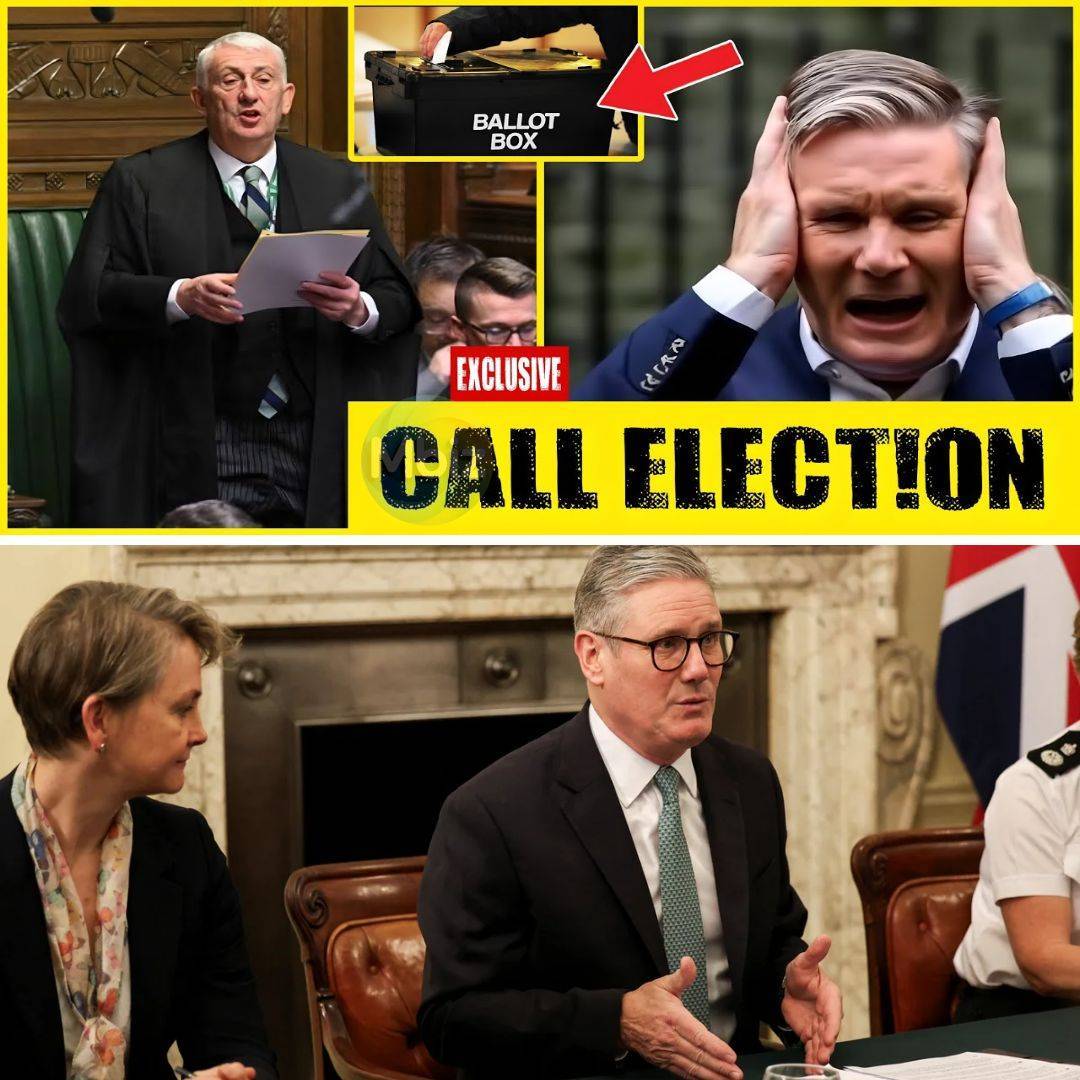
In a stunning political upheaval, Labour leader Sir Keir Starmer faced intense backlash as a new petition demanding a general election surpassed 160,000 signatures. This comes as Labour grapples with public disappointment over broken promises and controversial policies, igniting fierce calls for Parliament’s dissolution and a fresh vote.
 The petition, now officially eligible for parliamentary debate, marks the third such call since Labour’s landslide victory just six months ago. Critics argue that this unprecedented level of public discontent signals a dramatic loss of confidence in Starmer’s government, which had initially enjoyed overwhelming support.
Petition organizers accuse Labour of misleading voters during the campaign, claiming the party has strayed far from its manifesto commitments. Promises to halt small boat crossings and provide financial support for vulnerable groups have gone unfulfilled, leading to widespread anger among constituents.
With over a million signatures collected on a previous petition, Parliament is set to discuss the growing demand for a general election on January 12th. This debate will spotlight Labour’s failures and amplify the voices of those feeling betrayed by the government’s actions.
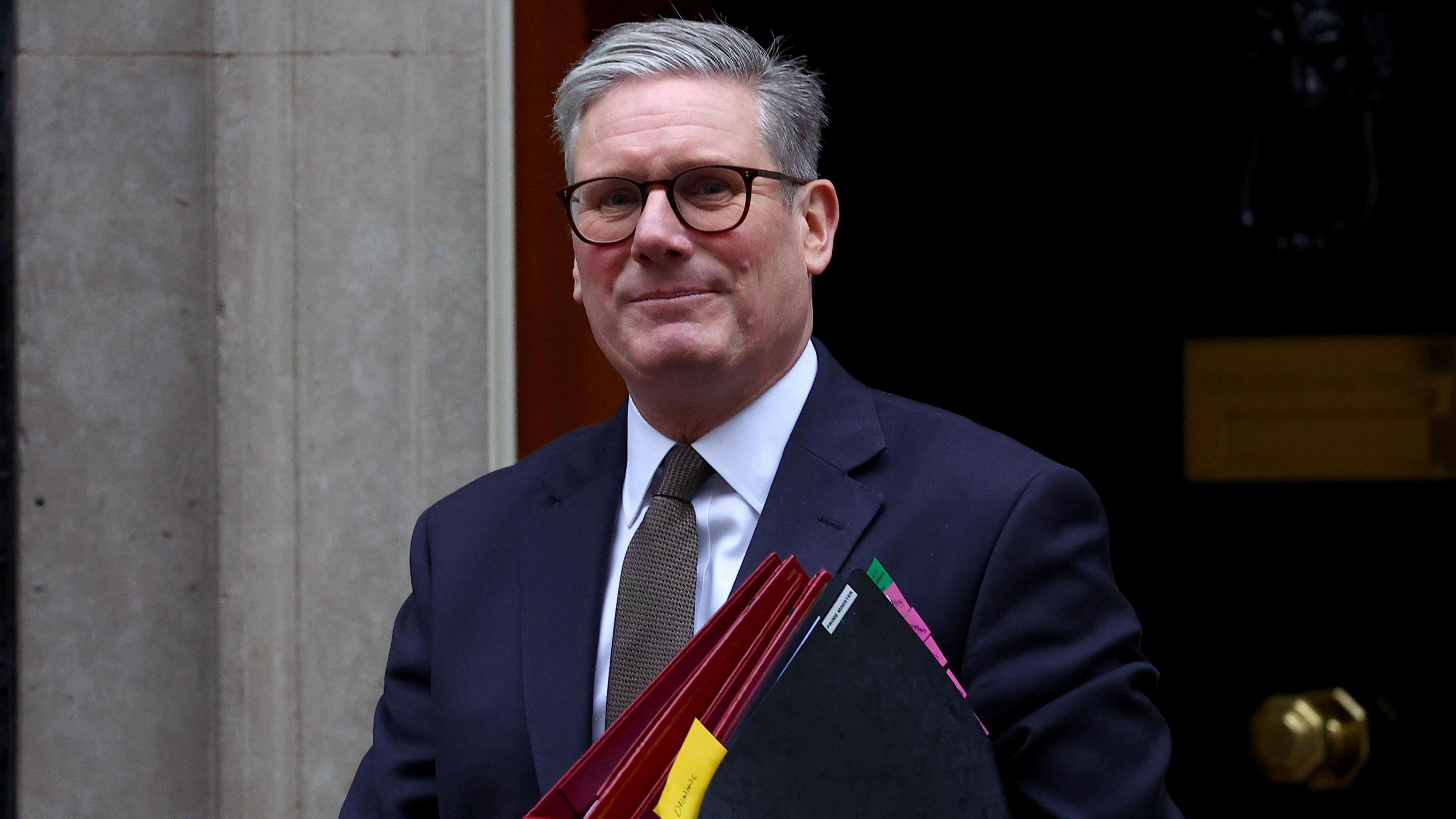
Labour’s recent policies, including cuts to winter fuel payments for pensioners and new taxes on family farms, have sparked outrage. Many voters feel these decisions were never presented during the election, further eroding trust in the party’s leadership.
As public sentiment shifts, Labour MPs are increasingly anxious about their prospects in upcoming local elections. With mounting pressure, speculation grows that Starmer could face a leadership challenge if the party performs poorly in May.
The political landscape is shifting rapidly, and Labour’s struggle to maintain its mandate is becoming more pronounced. The party’s response to the petitions will be closely scrutinized, as they attempt to navigate a growing crisis of confidence among voters.

In a time of political turbulence, the call for a general election reflects deep dissatisfaction with Labour’s governance. As the situation unfolds, all eyes will be on Parliament to see how they will address the overwhelming demand for change.