Parte 1: La festa della mamma
La voce di mia nuora tagliò l’aria.
«Lei non mangia con noi. Mettetela a parte.»
Sono Margherita. Ho 68 anni e gestisco investimenti immobiliari. Credono che io sia una vedova fragile, ma non sanno che sono la proprietaria del locale in cui si trovano.
Oggi avrebbe dovuto essere un giorno di celebrazione, o almeno così dice il calendario. La festa della mamma è sempre stata sacra in casa mia quando c’era mio marito Roberto. Lui si alzava presto, riempiva la casa di gardenie fresche, i miei fiori preferiti, e metteva musica italiana alla radio. Ma Roberto se n’è andato cinque anni fa e con lui se n’è andato anche il rispetto che si aveva per i capelli bianchi in questa famiglia.
Ora resto solo io, nonna Margherita, che per mia nuora Simona sembra essere più un mobile vecchio che ingombra il salotto che una persona in carne e ossa.
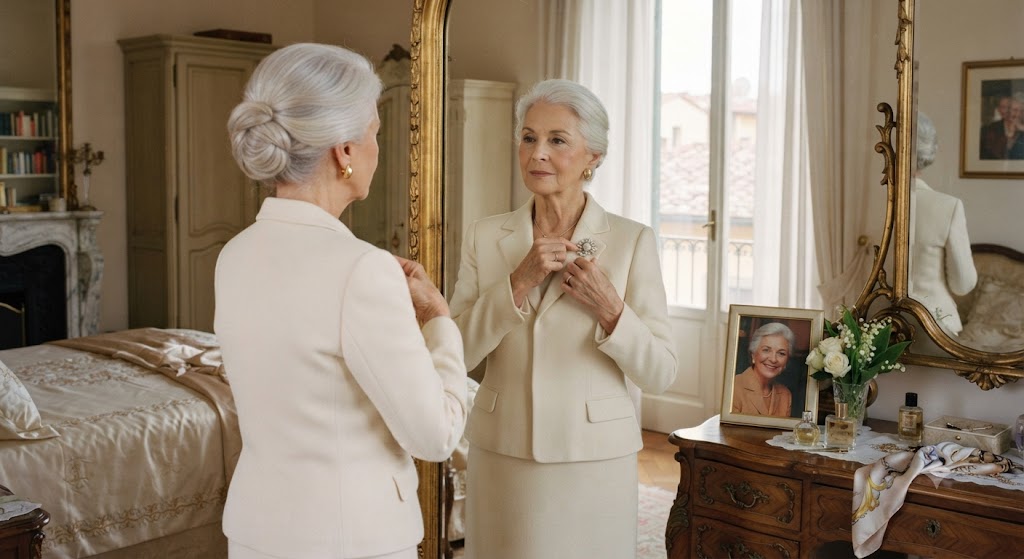
Mi sono vestita con cura stamattina. Ho scelto il mio tailleur color crema, quello che comprai in una boutique cent’anni fa, ma che ha ancora un taglio impeccabile. Mi sono messa la spilla di perle che mi regalò mia madre e mi sono assicurata di pettinare i miei capelli argento in uno chignon basso, ordinato come mi piace. Mi sono guardata allo specchio e ho visto una donna che ha lavorato duramente tutta la vita. Le mie mani hanno macchie dell’età, sì, ma sono le mani che hanno firmato i rogiti dei primi terreni quando nessuno scommetteva un centesimo su quella zona della città.
Mio figlio Lorenzo è passato a prendermi con il suo SUV nuovo. Quel SUV che so sta pagando a rate infinite perché il suo studio di architettura non va così bene come lui vuole far credere. Salendo, l’odore del profumo economico di Simona mi ha colpito il naso. Lei era sul sedile del passeggero, digitando furiosamente sul cellulare, senza nemmeno girarsi per darmi il buongiorno. I miei nipoti, due adolescenti che sembrano vivere in un mondo virtuale, hanno appena mormorato un «Ciao nonna» prima di tornare ai loro schermi.
«Andiamo al Casale del Gusto!», ha detto Lorenzo, guardandomi dallo specchietto retrovisore con quello sguardo colpevole che ha avuto da bambino quando rompeva un piatto. «È il locale del momento, mamma. Dicono che sia molto esclusivo.»
Ho sorriso leggermente. Certo che sapevo quale locale fosse. Conosco ogni metro quadrato commerciale di questa città, perché anche se la mia famiglia crede che viva della pensione di reversibilità e facendo la maglia, la realtà è molto diversa.
Quando Roberto è morto, tutti pensavano che avrei venduto tutto. Ma no. Mi sono dedicata ad amministrare, a comprare, a investire in silenzio. Il mio nome è sui rogiti di metà zona commerciale, ma uso una società anonima perché nessuno mi disturbi chiedendo prestiti o favori. Immobiliare La Quercia. Così si chiama il mio impero silenzioso.
Il viaggio è stato scomodo. Simona si lamentava del traffico, del caldo, che la lavanderia le aveva rovinato una camicetta. Lorenzo annuiva a tutto, remissivo. Mi ha fatto male vedere mio figlio così. L’ho cresciuto per essere un uomo forte, con carattere, ma sembra che l’amore o la comodità l’abbiano reso debole. Lui sa che a Simona non piaccio. Secondo lei sono antiquata e le mie opinioni sull’educazione dei bambini sono «tossiche», la parola di moda per tutto ciò che non gli piace.
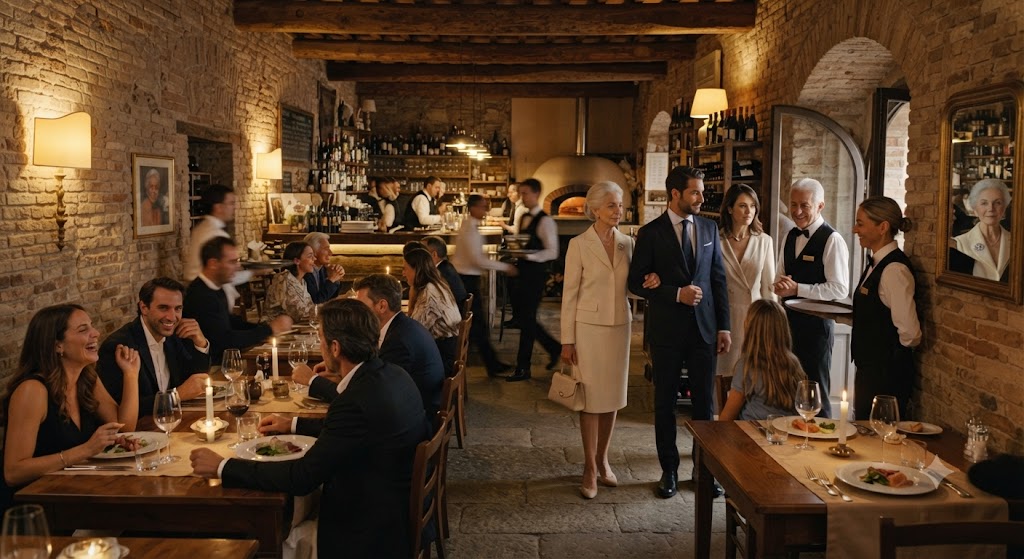
Siamo arrivati al ristorante. Era un locale elegante con pareti in mattoni a vista e tavoli di legno rustico lucidato. C’era un brusio costante di conversazioni e il tintinnio di posate costose. L’odore di carne alla brace e rosmarino inondava il locale. Era un buon locale. Io stessa avevo approvato il rinnovo del contratto d’affitto due mesi fa. Anche se il proprietario del ristorante, un certo signor Moretti, tratta sempre con i miei avvocati e non ha mai visto la mia faccia.
C’era molta gente in attesa, ma Lorenzo aveva la prenotazione. Ci siamo avvicinati al podio all’ingresso. Il capo cameriere, un ragazzo alto e ben pettinato, ci ha sorriso.
«Benvenuti, famiglia Santini. Tavolo per cinque, vero?»
Fu in quel preciso istante, mentre il ragazzo prendeva i menù, che Simona si fermò di colpo. Si girò verso Lorenzo e gli sussurrò qualcosa all’orecchio, ma con quel volume che si usa quando vuoi farti sentire, ma fingi discrezione.
«Lorenzo, no. Oggi voglio una giornata tranquilla. Tua madre si mette a criticare come mangiano i bambini e mi stressa. È il mio giorno anche.»
Lorenzo è impallidito. Mi ha guardato, poi ha guardato sua moglie.
«Simona, per favore, è mia madre», ha balbettato lui.
«È il mio giorno!», ha sibilato lei puntandogli gli occhi addosso. «Inoltre il tavolo che ci hanno dato è una cabina rotonda. Staremo molto stretti. Non voglio stare a sbattere i gomiti.»
Il capo cameriere aspettava con il sorriso congelato sul volto, reggendo i menù. La gente in fila ha cominciato a guardare. Ho sentito un calore salirmi per il collo. Non era vergogna per me: era vergogna per loro.
Poi Simona si è rivolta al cameriere con quella voce stridula e autoritaria che usa con le domestiche.
«Ragazzo, c’è stato un cambiamento.» Mi ha indicato con un dito dall’unghia acrilica lunghissima. «Lei non mangia con noi al tavolo principale. Portatele un tavolo a parte, uno piccolo.»
Il mondo sembrò fermarsi per un secondo. Il capo cameriere ha sbattuto le palpebre confuso.
«Scusi, signora, un tavolo separato? Ma è la festa della mamma…»
«Parlo arabo?», ha interrotto Simona alzando la voce. «Vogliamo privacy familiare. Mettetela a un altro tavolo e che non sia attaccato al nostro, per favore.»
Trenta persone. Ne ho contate almeno trenta che si sono girate nell’atrio. Ho sentito i loro sguardi conficcarsi nella mia schiena come spilli. C’era pietà in alcuni occhi, incredulità in altri e pura curiosità morbosa nella maggior parte.
Ho guardato Lorenzo, aspettando che dicesse qualcosa, che battesse un pugno sul tavolo, che mi prendesse per il braccio e ce ne andassimo da lì. Ma Lorenzo ha abbassato la testa, si è aggiustato la cravatta e ha guardato per terra, incapace di sostenere il mio sguardo.
«Faccia come dice mia moglie, per favore», ha mormorato.
Il silenzio che seguì quella frase fu più doloroso di qualsiasi urlo. Mio figlio, il bambino a cui ho curato le ginocchia sbucciate, a cui ho pagato l’università vendendo torte salate e cucendo per altri quando Roberto ebbe il periodo difficile nel lavoro. Quell’uomo ora chinava la testa davanti a un capriccio crudele.
Parte 2: Il tavolo vicino alla cucina
Il cameriere, visibilmente imbarazzato, mi ha guardata.
«Signora, mi dispiace molto. Abbiamo un tavolino piccolo vicino alla zona di servizio nell’angolo. È l’unico disponibile.»
«Va bene», ho detto. La mia voce è uscita ferma, sorprendentemente calma. Non gli avrei dato il piacere di vedermi piangere. Non lì, non davanti a quella gente. «Portatemi a quel tavolo, ragazzo.»
Ho camminato con la schiena dritta. Sono passata accanto al tavolo che avevano assegnato a loro, una cabina ampia e comoda al centro della sala sotto un lampadario bellissimo. Simona si è seduta trionfante, sistemando la sua borsa di marca sul sedile vuoto accanto a lei, come se la borsa meritasse più spazio di me. I miei nipoti avevano già i cellulari, ignari dell’atrocità che era appena accaduta.
Il cameriere mi ha guidata fino in fondo, vicino alle porte a battente della cucina. Il posto era rumoroso. Ogni volta che i camerieri entravano o uscivano, una folata di aria calda e odore di grasso mi colpiva, mescolata alle urla dei cuochi. Il tavolo era minuscolo, di quelli che usano per mettere le ghiacciaie o per quando qualcuno viene da solo a prendere un caffè veloce.
«Le porto il menù subito, signora», ha detto il ragazzo, quasi sussurrando, con le orecchie rosse di vergogna altrui.
«Non ti preoccupare, figliolo», gli ho risposto sistemando il tovagliolo sul grembo. «Portami un bicchiere di vino rosso, il migliore che avete, e lo speciale dello chef. Non ho bisogno di vedere il menù.»
Sono rimasta sola. Dal mio angolo potevo vedere in lontananza il tavolo della mia famiglia. Vedevo come Simona rideva, gettando indietro la testa, brindando con una mimosa. Lorenzo mangiava con lo sguardo perso. Stava pensando a me o semplicemente era sollevato di non dover affrontare la discussione?
Una lacrima traditrice mi è scivolata sulla guancia e è caduta sulla tovaglia bianca. L’ho asciugata velocemente con il dito.
Non piangere, Margherita, mi sono detta. Il pianto è per chi non ha scelte. E tu ne hai molte.
Mentre aspettavo il mio cibo, ho cominciato a fare ciò che faccio sempre: osservare. Ho smesso di essere la madre rifiutata e sono diventata l’imprenditrice. Ho guardato il pavimento: le piastrelle di legno erano usurate e sporche. Ho guardato il soffitto: c’era una macchia di umidità proprio sopra il tavolo dove mangiava una famiglia numerosa, segno che l’infiltrazione del secondo piano non era stata riparata come aveva riportato l’amministratore dell’edificio.
Ho ascoltato i camerieri che passavano accanto a me.
«La macchina del ghiaccio del bar si è rotta di nuovo e il gestore dice che il proprietario non vuole sborsare soldi per una nuova», si è lamentato uno.
«E i bagni in fondo sono intasati. Bisogna chiamare l’idraulico urgente prima che l’odore arrivi in sala», ha risposto un altro.
Interessante. Molto interessante.
Questo locale, il Casale del Gusto, paga un affitto considerevole. Nel contratto che ho firmato – o meglio che ha firmato il mio rappresentante legale sotto le mie istruzioni precise – si stabilisce chiaramente che la manutenzione delle installazioni interne è a carico dell’inquilino, ma i miglioramenti strutturali sono miei. Tuttavia, se l’inquilino trascura l’immagine del locale danneggiando la plusvalenza dell’edificio, ho clausole di recesso immediata.
Ho preso un sorso del vino che mi avevano portato. Era un Barolo eccellente, corposo. Ho chiuso gli occhi e ho lasciato che il sapore mi pulisse l’amarezza dalla bocca.
Per anni ho lasciato che mi sottovalutassero. Ho lasciato che Simona pensasse che sono una vecchietta antiquata che vive di ricordi. Ho lasciato che Lorenzo credesse che il suo successo si deve solo al suo talento, senza sapere che sono stata io a raccomandare il suo studio agli sviluppatori immobiliari più grandi della regione, chiedendo anonimato totale. Ho mosso i fili delle loro vite perché non mancasse loro nulla, perché avessero opportunità che io non ho mai avuto da giovane. E così mi ripagano: con un tavolo nell’angolo accanto alla spazzatura e ai piatti sporchi.
Ho guardato di nuovo verso il loro tavolo. Simona si stava facendo un selfie, facendo quella bocca a paperella ridicola, con Lorenzo sullo sfondo forzando un sorriso. Sicuramente l’avrebbe caricata sui suoi social con il titolo «Festa della mamma perfetta in famiglia».
L’ipocrisia mi ha rivoltato lo stomaco più dell’odore di frittura della cucina. Ma qualcosa è cambiato dentro di me in quel momento. La tristezza profonda, quella che opprime il petto, ha cominciato a trasformarsi. Si è raffreddata, si è indurita, si è trasformata in qualcosa di solido e pesante, come un lingotto d’oro.
Ho ricordato quando Roberto e io comprammo il nostro primo locale. Era un rudere. Lavorammo giorno e notte dipingendo, riparando, caricando sacchi di cemento. Avevo le mani piene di calli e la schiena a pezzi, ma non mi sono mai lamentata. Ho imparato a negoziare con fornitori duri. Ho imparato a leggere le clausole minuscole dei contratti. Ho imparato che negli affari, come nella vita, chi mostra paura perde.
Oggi mi avevano mostrato che per loro non valgo nulla come madre. Va bene. Se non mi vogliono come madre, mi dovranno rispettare come proprietaria.
Parte 3: Il biglietto e la rivelazione
Il cameriere è tornato con il mio piatto: un taglio di carne succoso con purè di patate al tartufo. Sembrava delizioso.
«Signora», ha detto il ragazzo esitando un po’. «So che non sono affari miei, ma quello che le hanno fatto non ha nome. Se vuole posso chiedere al gestore di trovarle un altro posto, magari al bancone. È più animato.»
L’ho guardato negli occhi. Aveva degli occhi buoni, color miele. Mi ricordava Lorenzo quando era giovane, prima che l’ambizione e la debolezza lo cambiassero.
«Non ti preoccupare, figliolo. Sto bene qui. Infatti…» Ho tirato fuori il cellulare dalla borsa, un modello di ultima generazione che tengo nascosto per non spaventare Simona con la mia tecnologia. «Ho bisogno che mi faccia un favore molto speciale. Mi dica, signora, il gestore è qui oggi?»
«Sì, il signor Ramirez è nell’ufficio. Abbastanza stressato per la questione dell’aria condizionata.»
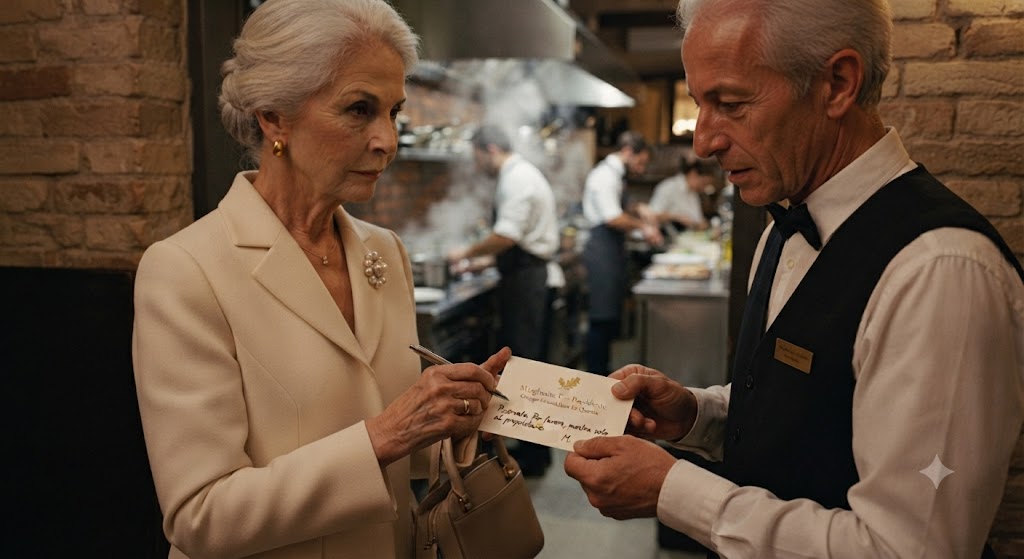
«Bene. Quando finisco di mangiare voglio che gli porti un biglietto da parte mia. Ma non voglio che glielo dia ora. Daglielo proprio quando la mia famiglia chiede il conto.»
Ho tirato fuori uno dei miei biglietti da visita dalla borsa. Non quelli che dicono «Margherita, casalinga», ma gli altri, quelli in cartoncino spesso, color avorio, con lettere dorate in rilievo che dicono: «Margherita T. – Presidente, Gruppo Immobiliare La Quercia».
Ho girato il biglietto e ho scritto con la mia penna stilografica un messaggio breve. Le mie mani non hanno tremato. La mia calligrafia è stata ferma ed elegante.
«Ragazzo, portami un altro vino, per favore», ho detto al cameriere consegnandogli il biglietto a faccia in giù perché non lo leggesse ancora. «E assicurati che il signor Ramirez riceva questo personalmente. Digli che la signora del tavolo nell’angolo deve parlare del rinnovo del contratto e della condotta dei suoi clienti.»
Il ragazzo ha preso il biglietto con curiosità, ma ha annuito con rispetto.
Ho mangiato la mia carne con calma, assaporando ogni boccone. Vedevo mia nuora gesticolare, probabilmente criticando il cibo o il servizio. Non sapeva che ogni minuto che passava la corda si tendeva sempre di più. Pensavano di avermi punita mettendomi nell’oscurità. Non si sono resi conto che nell’oscurità è dove si pianificano meglio le strategie.
Ho mangiato da sola, sì, ma non sono mai stata più accompagnata. Ero accompagnata dalla mia dignità, dalla mia storia e soprattutto dal potere assoluto che stavo per far cadere su quel tavolo.
Ho pulito le mie labbra con il tovagliolo di stoffa, mi sono sistemata la spilla di perle e ho aspettato. Lo spettacolo stava per iniziare.
Dal mio angolo il panorama era diverso. La gente è solita pensare che i posti migliori siano quelli vicino alle finestre o sotto i lampadari di cristallo, ma si sbagliano. I posti migliori sono quelli da dove puoi vedere tutto senza essere vista. Qui, tra il vai e vieni della porta della cucina e l’odore di detersivo industriale mescolato con aglio, avevo una vista panoramica della decadenza della mia stessa famiglia e, curiosamente, del mio stesso affare.
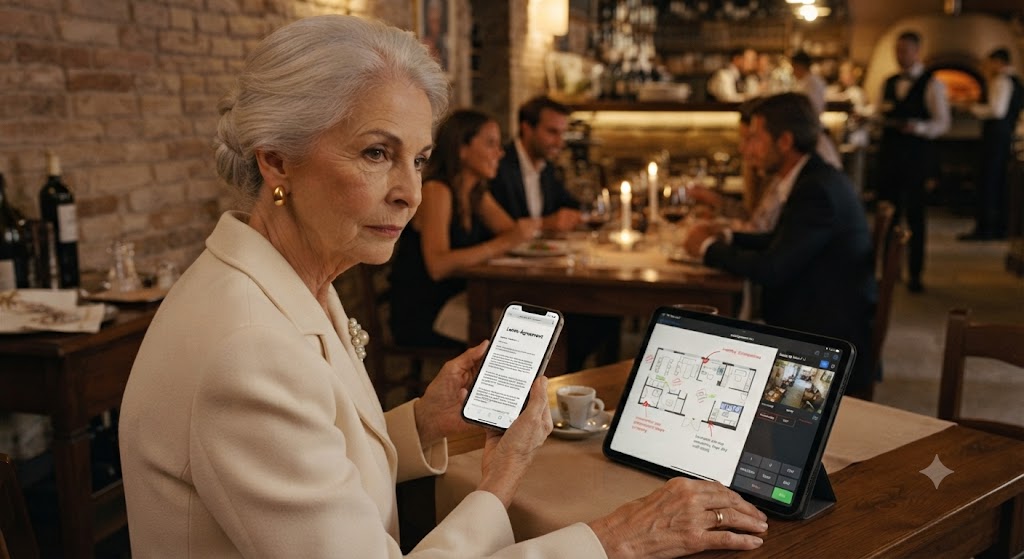
Mentre assaporavo il vino, che era alla temperatura perfetta – un piccolo successo in mezzo al disastro – ho tirato fuori il mio cellulare. Simona si prende sempre gioco del fatto che uso occhiali da nonnina per leggere lo schermo, ma quegli occhiali mi permettono di vedere ciò che lei, con tutta la sua giovinezza e arroganza, ignora.
Ho sbloccato il telefono con l’impronta digitale e ho aperto l’applicazione di gestione file nel cloud. Niente Facebook né ricette di cucina. Sono entrata direttamente nella cartella «Proprietà commerciali – Zona nord».
Eccolo: il contratto d’affitto del Casale del Gusto. L’ho aperto e il documento si è aperto davanti ai miei occhi. Ho fatto zoom con le dita. Ricordavo le clausole generali, ovviamente le avevo redatte con il mio team legale, ma avevo bisogno di verificare i dettagli specifici, le clausole minuscole, che sono quelle che contano davvero quando si vuole stringere i bulloni.
Ho letto con attenzione. La clausola 14 B diceva chiaramente che il locatario era obbligato a mantenere un ambiente di rispetto e decoro che non danneggiasse la reputazione dell’immobile. Ho sorriso tra me e me. Permettere che una cliente discrimini un’altra in base all’età, segregandola in una zona di servizio, tecnicamente potrebbe essere considerata una violazione degli standard di ospitalità che esigo nelle mie proprietà.
Ma c’era qualcosa di più interessante nella clausola 21: rinnovo e adeguamenti. Il contratto scadeva il mese prossimo. Eravamo nel periodo di grazia di 30 giorni per negoziare il rinnovo o la recesso senza penali.
«Accidenti», ho mormorato passando il dito sullo schermo. «Signor Moretti, signor Ramirez, state camminando su ghiaccio sottile e non avete nemmeno i pattini.»
Ho alzato lo sguardo dal cellulare e ho osservato il ristorante con occhi da revisore. Non vedevo più solo un posto carino: vedevo le crepe nella gestione. Ho visto il gestore, il signor Ramirez, discutere animatamente con un fornitore in un angolo, asciugandosi il sudore dalla fronte con un fazzoletto sgualcito. Si vedeva la paura sulla sua faccia. Probabilmente le vendite non erano state quelle previste questo trimestre e sapeva che Immobiliare La Quercia non perdonava ritardi nell’affitto.
Se lui sapesse che la proprietaria del suo destino è seduta a dieci metri mangiando da sola ed essendo ignorata dai suoi camerieri, probabilmente gli verrebbe un infarto sul posto.
Questa informazione era la mia munizione. Per anni ho lasciato che Lorenzo gestisse i propri affari, intervenendo solo dalle ombre per aprirgli porte che lui credeva di aver aperto a calci. Ho lasciato che Simona pensasse che i miei soldi fossero svaniti in medicine e cattivi affari dopo la morte di Roberto. Perché l’ho fatto? Per amore? O forse per una speranza sciocca? Volevo che mi amassero per essere Margherita, la madre e nonna, non Margherita, il libretto degli assegni ambulante.
Quanto mi sbagliavo.
Parte 4: La sentenza
Ho guardato le mie mani sulla tovaglia. Queste mani avevano lavato pavimenti altrui quando ero giovane. Avevano caricato scatole di merce al mercato all’ingrosso prima che Roberto e io potessimo comprare il primo localino. Queste mani sapevano cos’era il freddo dell’alba e il caldo del mezzogiorno lavorando sotto il sole.
Ho ricordato un pomeriggio, circa quindici anni fa. Roberto era già malato, ma la sua mente continuava a brillare come un diamante. Eravamo seduti sotto il portico di casa a guardare cadere la pioggia.
«Margherita», mi disse prendendomi la mano, «tu sei più forte di me. Quando io non ci sarò più, non lasciare che gli avvoltoi ti mangino. Né quelli di fuori né quelli di dentro.»
«Non dire così, vecchio», gli risposi con un nodo in gola.
«Te lo dico perché ti conosco. Hai il cuore di un pollo, ma la testa di un generale. Usa la testa, Margherita. Il cuore riservalo per chi se lo guadagna.»
Mi si sono inumiditi gli occhi nel ricordarlo. Avevo disobbedito a Roberto. Avevo lasciato il cuore esposto e la testa chiusa nel cassetto del comodino. Avevo permesso che Simona mi calpestasse in ogni riunione di famiglia criticando i miei vestiti, il mio cibo, il mio modo di parlare. «Oh Margherita, lei sempre così antiquata.» «Oh, suocera, meglio non dare opinioni su cose moderne.» E io zitta. Zitta per non causare problemi. Zitta perché Lorenzo non dovesse scegliere tra sua moglie e sua madre.
Ma oggi, vedendo Lorenzo mangiare in silenzio, senza nemmeno osare guardare verso il mio angolo, ho capito che lui aveva già scelto. E non aveva scelto me.
La tristezza che sentivo qualche minuto fa era completamente evaporata. Ora ciò che sentivo era una chiarezza mentale assoluta. Era come se mi fossi tolta una benda dagli occhi che portavo da cinque anni.
Ho osservato di nuovo il tavolo principale. Simona stava rimandando indietro un piatto. Ho visto i suoi gesti esagerati gesticolando davanti a una cameriera giovane che sembrava sul punto di piangere. «Questo è freddo», ho potuto leggere sulle sue labbra. «Portatelo via e portatemi un altro.» È il colmo. La cameriera ha ritirato il piatto con mani tremanti. Lorenzo non ha battuto ciglio. Continuava a guardare il suo cellulare. I miei nipoti assorti nei loro mondi.
Quella donna, mia nuora, si sentiva potente perché poteva urlare a una dipendente che guadagna il salario minimo. Si sentiva importante perché portava una borsa di design che probabilmente aveva comprato a rate ed era seduta al tavolo migliore. Che concetto piccolo e fragile del potere aveva.
Il vero potere non fa rumore. Il vero potere non ha bisogno di urlare né umiliare i camerieri. Il vero potere è essere seduta al tavolo più brutto del ristorante, mangiando da sola e sapere che con una sola telefonata potresti comprare l’intero edificio, licenziare tutto il personale e trasformare il ristorante in un parcheggio se ti andasse.
Quel contrasto tra ciò che loro credevano che io fossi e ciò che sono realmente mi ha provocato una strana soddisfazione. Era come avere un asso nella manica in una partita a poker dove tutti gli altri stavano barando.
Quando la famiglia ha chiesto il conto, il cameriere ha consegnato il biglietto a Ramirez. Pochi minuti dopo il gestore è arrivato al mio tavolo, pallido, con il biglietto tremante tra le dita. Mi ha riconosciuta. O meglio, ha riconosciuto il nome sul cartoncino.
La scena che è seguita è stata precisa e implacabile. Ramirez ha chiamato Lorenzo e Simona. Li ho fatti venire al mio tavolo – non al loro. Ho spiegato chi ero. Ho spiegato che il contratto era in rinnovo. Ho spiegato che la condotta di quel giorno violava le clausole di decoro.
«E tu, Lorenzo», mi sono girata verso mio figlio. Lui ha abbassato la testa, incapace di sostenermi lo sguardo. «Tu hai permesso che tua moglie mi trattasse come un cane rognoso. Hai permesso che mi nascondessero. Trenta persone hanno visto come mi mandavano via da qui e tu non hai detto nulla. Ti sei mangiato la tua carne e hai bevuto il tuo vino mentre tua madre era seduta da sola ascoltando le urla della cucina.»
«Mamma, perdonami, non volevo… Simona ha insistito…»
Lorenzo ha provato a prendermi la mano, ma io ho fatto un passo indietro.
«Non mi toccare», ho detto con freddezza. «Non sono più la mamma che ti cura le sbucciature. Ora sono l’imprenditrice che sta valutando un cattivo investimento. E purtroppo, figlio mio, tu sei risultato essere un investimento molto povero.»
Ramirez ha chiesto se addebitare il conto del tavolo cinque alla casa, come cortesia familiare. Ho sorriso. Un sorriso triste ma fermo.
«In nessun modo, Ramirez. La carità comincia da casa, dicono. Ma il rispetto si guadagna. Loro non si sono guadagnati nulla oggi. Gli addebiti tutto, assolutamente tutto. E voglio il pagamento adesso.»
Simona ha soffocato un gemito. Lorenzo ha cercato il portafoglio con mani tremanti.
«Mamma, la carta è al limite», ha sussurrato lui, umiliato. «La ristrutturazione della cucina, il viaggio di Simona… non passerà per 450 euro.»
«Non è un mio problema, Lorenzo», ho risposto incrociando le braccia. «Hai due opzioni: o paghi o lavi i piatti. E considerando che c’è una montagna di stoviglie sporche in cucina, perché ho offerto da mangiare a cento persone, ti suggerisco di trovare un modo per pagare.»
«Questo è assurdo!», è esplosa Simona di nuovo, tentando di recuperare terreno. «Lorenzo è tuo figlio. Non puoi farci questo. Hai milioni da quello che vedo. Che razza di madre fa questo?»
Mi sono chinata sul tavolo appoggiando le mani sulla tovaglia macchiata di salsa. Il mio viso era a centimetri dal suo. Ho potuto vedere la paura vera nelle sue pupille dilatate.
«Che razza di madre?», ho sussurrato con un’intensità vulcanica. «La madre che ti ha insegnato che nella vita tutto ha un prezzo, Simona. Voi volevate privacy? “No, lei mangia a parte”, hai detto. Bene. La privacy costa. L’esclusività costa. E oggi la lezione vi costerà 450 euro.»
Mi sono raddrizzata e ho guardato Ramirez.
«Se la carta non passa, chiami la polizia. Tentativo di truffa per consumo senza fondi. Non voglio favoritismi.»
«Mamma!», ha urlato Lorenzo terrorizzato. «Non puoi chiamare la polizia. Sono architetto. La mia reputazione…»
«La tua reputazione si è conclusa nel momento in cui hai chinato la testa e hai lasciato che umiliassero la donna che ti ha dato la vita», ho sentenziato.
Mi sono girata. Non avevo bisogno di vedere altro. Sapevo che Lorenzo avrebbe trovato il modo di pagare. Questo era vita o morte: era la morte della sua comodità e la nascita della mia libertà.
Parte 5: La ricostruzione
Ho camminato verso l’uscita. Passando accanto ai tavoli dove le altre famiglie finivano i loro dolci, la gente ha cominciato ad applaudire. Prima è stato timido, un paio di battiti, poi si sono uniti altri. Sapevano che ero la benefattrice segreta e, anche se non capivano tutto il dramma, capivano che era stata fatta giustizia.
Una signora anziana, seduta su una sedia a rotelle vicino alla porta, mi ha fermata toccandomi il braccio delicatamente.
«Dio la benedica, signora», mi ha detto con gli occhi umidi. «Grazie per il cibo e grazie per essersi messa al suo posto. A volte i figli si dimenticano di chi ha insegnato loro a camminare.»
Le ho stretto la mano con affetto.
«Si goda la sua giornata, signora.»
Sono uscita dal ristorante verso l’atrio, dove l’aria condizionata era più fresca. Dietro di me ho sentito il trambusto al tavolo cinque. Ho sentito Simona piangere incolpando Lorenzo. Ho sentito Lorenzo urlare per la prima volta dicendole di tacere. Ho sentito il suono di una carta rifiutata nel POS e la voce implacabile di Ramirez esigendo un altro metodo di pagamento.
Marco è uscito correndo dietro di me prima che attraversassi le porte di vetro verso la strada.
«Signora Margherita, signora Margherita!»
Mi sono fermata e mi sono girata. Il ragazzo aveva gli occhi brillanti di emozione.
«Sì, Marco?»
«Quello è stato… quello è stato la cosa più incredibile che abbia visto in vita mia.» Ha sorriso da orecchio a orecchio. «Il signor Lorenzo sta chiamando un socio perché gli trasferisca denaro. Sono… sono distrutti.»
«A volte bisogna demolire per ricostruire. Nell’architettura e nella famiglia.»
Ho tirato fuori una banconota da 50 euro dalla borsa e gliel’ho tesa.
«Questo è per te, per la tua discrezione e il tuo buon servizio. E di’ ai tuoi colleghi che lunedì alle otto di mattina voglio vederli tutti. Rinegoziamo i loro stipendi. Finiscono gli abusi nel mio edificio.»
Marco ha preso la banconota, ma poi ha fatto qualcosa di inaspettato. Mi ha preso la mano e l’ha baciata con rispetto, come se fossi una regina antica.
«Grazie, signora Margherita. L’aspettiamo.»
Sono uscita in strada. Il sole del pomeriggio mi ha colpito in faccia, ma non mi ha dato fastidio. Si sentiva caldo, vivo. Il mio autista, che avevo chiamato discretamente dieci minuti fa, stava aspettando con l’auto nera impeccabile davanti all’entrata, proprio dove Lorenzo aveva parcheggiato il suo SUV a rate. Il parcheggiatore mi ha aperto la porta posteriore.
Prima di salire ho dato un’ultima occhiata alla facciata in mattoni del Casale del Gusto. Era un buon edificio, solido, resistente come me. Lorenzo e Simona rimanevano dentro affrontando la vergogna pubblica e il debito. Io me ne andavo a casa – a casa mia piena di gardenie e musica italiana – dove il ricordo di Roberto non mi guarderebbe più con preoccupazione, ma con orgoglio.
Avevo recuperato il mio nome. Avevo recuperato il mio potere. E anche se avevo mangiato da sola in un angolo, non mi ero mai sentita così piena.
Il motore dell’auto si è avviato dolcemente.
«Dove andiamo, signora T.?», ha chiesto l’autista.
Ho guardato fuori dal finestrino, vedendo come la silhouette di mio figlio gesticolava disperato attraverso il vetro del ristorante.
«In ufficio, Roberto. Devo redigere un nuovo contratto d’affitto. E credo che avrò bisogno di una clausola molto specifica sul diritto di ammissione di nuore ingrate.»
Mentre l’auto si allontanava, sapevo che questo non era la fine. Era appena l’inizio della vera gestione del mio impero. Lorenzo avrebbe dovuto venire a cercarmi. Avrebbe dovuto strisciare. E quando lo avesse fatto, avrebbe scoperto che la porta di Immobiliare La Quercia è pesante e difficile da aprire per chi non porta la chiave dell’umiltà in mano.
Sono passati esattamente tre mesi da quel giorno della festa della mamma che ha cambiato la storia della mia vita. E se qualcuno mi avesse detto che a 68 anni avrei reinaugurato la mia stessa esistenza, mi sarei risata in faccia. Ma eccomi qui, seduta sulla poltrona di pelle esecutiva dell’ufficio principale di Immobiliare La Quercia, con una vista panoramica della città che ho aiutato a costruire mattone dopo mattone insieme a Roberto.
Non sono più l’ombra che faceva la maglia nel soggiorno. Ora sono la luce che decide verso dove crescono le ombre.
L’ufficio profuma di caffè appena fatto e di cera per legno. Una miscela che mi è sempre sembrata il profumo del progresso. La mia scrivania, prima gestita da amministratori che supervisionavo dalla mia cucina, ora è piena delle mie cartelle, delle mie penne stilografiche e una foto di Roberto sorridente, come se approvasse ogni firma che appongo.
La mia segretaria, una donna efficiente di nome Claudia, ha bussato alla porta con dolcezza.
«Signora Margherita, l’architetto Santini è qui. Ha appuntamento alle dieci.»
Ho guardato l’orologio. Erano le dieci in punto. Prima Lorenzo arrivava a casa mia all’ora che voleva o non arrivava, assumendo che il mio tempo non valesse nulla perché «mamma è sempre lì». Ora, se vuole vedermi, deve fissare un appuntamento come qualsiasi altro fornitore.
«Fallo entrare, Claudia. E portaci due caffè, per favore. Neri, senza zucchero.»
La porta si è aperta ed è entrato Lorenzo. Sembrava diverso. Più magro, con occhiaie marcate sotto gli occhi e l’abito un po’ meno impeccabile del solito. Non aveva più quell’aria di arroganza con cui camminava per il ristorante quel giorno. È entrato con le spalle cadenti, tenendo un rotolo di planimetrie sotto il braccio, come se fosse uno scudo.
«Buongiorno, mamma… cioè, signora presidente», si è corretto velocemente con un sorriso nervoso.
«Buongiorno, Lorenzo. Siediti.»
Ho indicato la sedia davanti alla mia scrivania. Non mi sono alzata per abbracciarlo. Quegli abbracci se li deve riguadagnare.
Lorenzo si è seduto mettendo le planimetrie sul tavolo con cura. Le sue mani tremavano leggermente.
«Ho portato gli anteprogetti per la ristrutturazione del centro commerciale sud, come hai chiesto nel bando. Ho lavorato tutta la notte per averli pronti.»
Ho annuito prendendo i documenti.
«Spero che siano migliori dell’ultima volta, Lorenzo. Ricorda che non ti sto dando il contratto per essere mio figlio. Ti sto dando l’opportunità di concorrere. Se i costi non quadrano o il design non è funzionale, lo darò allo studio dei Gomes.»
«Lo so, mamma. Lo so», ha sospirato passandosi una mano tra i capelli. «Credimi che l’ho capito.»
Il silenzio che è seguito è stato pesante, ma necessario. Lorenzo aveva dovuto vendere il suo SUV nuovo per pagare il debito del ristorante e coprire le spese di casa, dato che gli ho tagliato il flusso di denaro extra che, senza lui saperlo, io gli iniettavo nel suo business mediante incarichi fantasma. Ora doveva sopravvivere con il suo talento reale.
«Come sta Simona?», ho chiesto. Non per interesse genuino nel suo benessere, ma per misurare il terreno.
Lorenzo ha fatto una smorfia di dolore.
«È ancora furiosa. Dice che l’hai umiliata davanti alla società, che le sue amiche del club non la invitano più alle colazioni perché si è sparsa la voce di quello che è successo al ristorante.» Ha abbassato la voce. «Abbiamo dovuto licenziare la domestica, mamma. Simona ora deve pulire casa e cucinare. Dice che è una tortura.»
Ho sorriso leggermente prendendo un sorso del mio caffè.
«Benvenuto nel mondo reale, figlio. Pulire casa non è tortura: è dignità. Forse così imparerà a valorizzare chi le serve il piatto a tavola.»
«E i miei nipoti come stanno?»
«Sorprendentemente bene», ha ammesso Lorenzo con una scintilla di stupore. «All’inizio si sono lamentati perché ho ridotto il piano dati del cellulare, ma l’altro giorno il maggiore mi ha chiesto se poteva venire a trovarti. Dice che ha visto su internet che sei la proprietaria di mezzo paese e che vuole sapere come hai fatto la tua fortuna. Credo che ti ammirino più ora che sanno che sei potente.»
Mi sono appoggiata alla sedia sentendo un misto di soddisfazione e malinconia. È triste che il denaro compri l’attenzione che l’amore non è riuscito ad assicurare, ma se questa è la porta d’ingresso per insegnare valori a quei ragazzi, la userò.
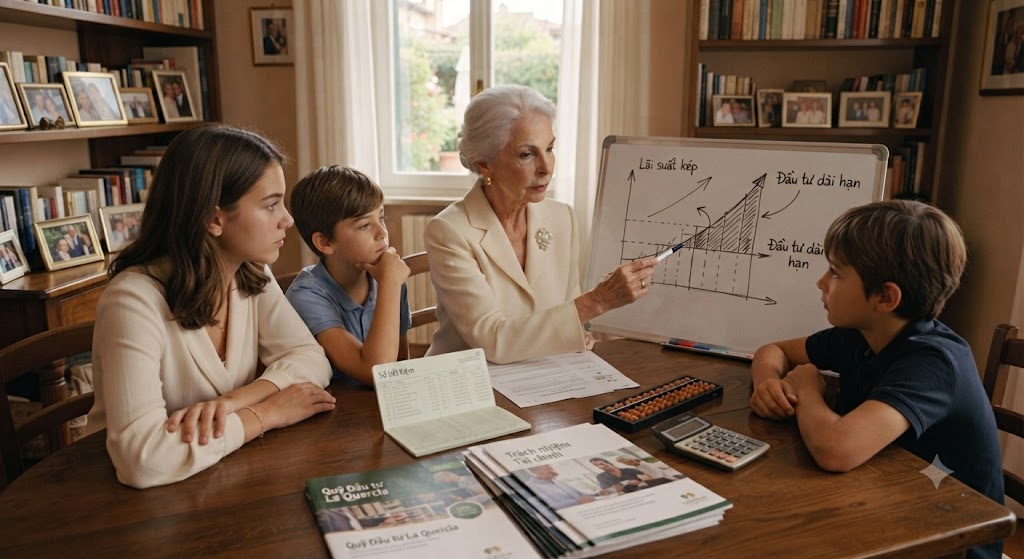
«Digli che possono venire sabato. Ma non a giocare col cellulare. Se vengono è perché insegno loro a leggere un estratto conto e a capire il valore del lavoro. Se vogliono eredità, dovranno imparare ad amministrarla, non a sperperarla.»
Lorenzo ha annuito con gli occhi umidi.
«Mamma, perdonami. So che te l’ho già detto, ma sono stato un imbecille. Ero così cieco, cercando di compiacere Simona, cercando di apparire una vita da ricco che non avevo, che mi sono dimenticato di chi mi ha sempre sostenuto.»
L’ho guardato fisso. Ho visto mio figlio, l’uomo che ho cresciuto, lottare per uscire da sotto gli strati di vanità.
«Il perdono si dimostra con i fatti, Lorenzo. Non con le parole. Continua a lavorare. Guadagnati questo contratto. Tratta tua moglie con realtà, non con fantasie. E allora forse torneremo a mangiare insieme una domenica. Ma non a un tavolo a parte.»
Lorenzo si è alzato, ha raccolto le sue cose e prima di uscire si è fermato.
«Grazie, mamma. Per la lezione. È stata costosa, ma necessaria.»
Quando la porta si è chiusa, ho lasciato uscire l’aria che non sapevo di trattenere. Era duro essere così. Il mio cuore di madre voleva correre, dargli un assegno e dirgli che andava tutto bene. Ma la mia testa di matriarca sapeva che quello sarebbe stato condannarlo al fallimento eterno. Roberto aveva ragione. L’amore intelligente a volte fa male.
Quel pomeriggio ho deciso di fare una visita di supervisione al Casale del Gusto. Non ero più tornata da quel giorno. Avevo mandato i miei revisori, avevo controllato i numeri da lontano, ma avevo bisogno di vedere il cambiamento con i miei occhi.
Sono arrivata senza avvisare, come mi piace ora. L’autista ha aperto la porta e sono scesa sentendo il calore del pomeriggio. L’insegna del ristorante brillava pulita, l’entrata era spazzata, non c’era spazzatura accumulata agli angoli.
Entrando, il cambiamento nell’atmosfera è stato palpabile. Non si sentiva più quella tensione elettrica di dipendenti amareggiati e spaventati. C’era musica dolce. L’aria condizionata funzionava alla perfezione – i miei tecnici se ne sono occupati il giorno dopo – e i camerieri si muovevano con un’energia diversa.
Il signor Ramirez mi ha vista dal bancone e quasi gli è caduto un bicchiere, ma si è ripreso veloce. È venuto verso di me, non correndo con paura come l’ultima volta, ma camminando con un rispetto professionale.
«Signora Margherita, che onore averla qui.» Ha fatto un piccolo inchino. «Desidera il suo tavolo?»
«Quale tavolo, Ramirez? Quello dell’angolo delle scope?», ho chiesto con un sopracciglio alzato, anche se con un tono meno tagliente.
Ramirez è diventato rosso come un pomodoro, ma ha sorriso.
«Quel tavolo non esiste più, signora. L’abbiamo tolto. Ora abbiamo messo una pianta ornamentale bellissima lì. Le ho riservato il tavolo della finestra, la vista migliore del locale.»
«Mi sembra bene. Ma prima voglio salutare la cucina.»
Ho camminato verso la zona di servizio. I cuochi, vedendomi, hanno smesso di tagliare cipolle e muovere padelle. Si sono asciugati le mani sui grembiuli. Ho sorriso loro.
«Buonasera, ragazzi. Ho visto i report di vendite. Il cibo è migliorato. Si nota che ora lavorate con piacere.»
«È che ora ci pagano gli straordinari, patrona», ha detto uno dei grigliatori, un uomo grande con i baffi. «E l’aria condizionata della cucina funziona. Non ci stiamo più cuocendo vivi qui dentro. Grazie a lei.»
«Non ringraziate me. È giusto. Lavorate bene, curate il mio business e il mio business si prenderà cura di voi.»
Ho cercato con lo sguardo Marco. Non lo vedevo da nessuna parte. Ho sentito una piccola fitta di delusione. Si sarebbe dimesso?
«Dov’è Marco?», ho chiesto a Ramirez quando siamo usciti di nuovo in sala.
«Ah, Marco!» Ramirez ha sorriso con orgoglio. «Marco non è più cameriere, signora. Grazie alla borsa di studio che lei ha ordinato di creare per i dipendenti con potenziale, Marco ora è negli uffici amministrativi nel turno del mattino, imparando contabilità e gestione di ristoranti. Viene solo la sera per coprire i turni da supervisore.»
In quel momento la porta d’entrata si è aperta ed è entrato Marco. Veniva vestito con abiti civili, con uno zaino a tracolla e libri in mano. Sembrava più maturo, più sicuro. Vedendomi, i suoi occhi si sono illuminati con quella stessa calore che mi aveva confortata quando ero sola nell’angolo.
«Signora Margherita!» Si è avvicinato veloce e mi ha stretto la mano con fermezza. «Che gioia vederla.»
«Ciao, futuro gestore», gli ho detto stringendo la sua mano. «Mi dicono che stai sfruttando bene l’opportunità.»
«Sì, signora. Sto studiando amministrazione aziendale all’università tecnologica. È pesante lavorare e studiare, ma…» Si è indicato il petto. «Ora sento di avere un futuro. Lei mi ha aperto una porta che vedevo chiusa con il lucchetto.»
«Io ti ho solo dato la chiave, Marco. Tu sei quello che sta camminando attraverso di essa. Continua così. Ho bisogno di persone di fiducia per quando espanderemo La Quercia in altre città.»
Marco ha annuito emozionato. Vederlo così progredire valeva più di qualsiasi affitto che potessi riscuotere. Questo era il vero potere: la capacità di trasformare vite, non solo di accumulare cifre in banca.
Mi sono seduta al tavolo della finestra. Ho mangiato da sola, ma non ero sola. Ramirez si è avvicinato un paio di volte per assicurarsi che tutto andasse bene, ma senza essere stucchevole. Gli altri commensali mi guardavano con rispetto. Alcuni mi salutavano persino con la testa, riconoscendomi come la figura di autorità del locale.
Ho ordinato un bicchiere di vino, lo stesso Barolo. Mentre lo bevevo ho osservato la strada attraverso il vetro. Ho visto passare la gente, le mamme con i loro figli, le coppie giovani. Ho pensato a Roberto. Per anni, dopo la sua morte, mi ero sentita come una barca alla deriva. Mi ero lasciata convincere che il mio tempo era già passato, che il mio ruolo era essere la nonnina zitta che non dà fastidio. Avevo permesso che la tristezza si trasformasse in sottomissione.
Ma Roberto non si era innamorato di una donna sottomessa. Si era innamorato della Margherita che caricava sacchi di cemento, della Margherita che negoziava con i fornitori fino all’ultimo centesimo, della Margherita che aveva fuoco nello sguardo.
«Ci hai messo un po’, vecchia, ma sei tornata.»
Ho quasi potuto sentire la sua voce roca nel mio orecchio, mescolata con la musica di sottofondo.
Sì, ero tornata. E questa versione di me stessa mi piaceva di più. Era una versione curata dal tempo, indurita dalla delusione, ma lucidata dalla dignità.
Simona e Lorenzo pensarono che escludendomi mi stavano rendendo piccola. Non sapevano che mettendomi in quell’angolo mi davano la prospettiva di cui avevo bisogno per vedere quanto grandi fossero le mie risorse e quanto piccole fossero le loro attitudini. Mi hanno fatto un favore. Mi hanno svegliata.
Ho finito il mio pasto e ho chiesto il conto. Ramirez ha provato a rifiutarsi.
«La casa offre, signora Margherita. È il suo ristorante, dopotutto.»
«No, Ramirez.» Ho tirato fuori la mia carta, quella carta nera che ora era leggenda tra il personale. «Nei miei affari tutto si contabilizza. Mi addebiti. Voglio che i conti siano chiari sempre. L’ordine inizia dalla testa.»
Ho pagato, ho lasciato una mancia generosa per il team e sono uscita. Il mio autista mi aspettava. Salendo sull’auto ho tirato fuori la mia agenda elettronica. Avevo una riunione con il consiglio della Camera di Commercio alle cinque, domani una visita ai terreni del nord, il fine settimana la lezione di finanze con i miei nipoti.
La mia vita era piena. Piena di scopo. Piena di sfide. Piena di rispetto.
L’auto ha avanzato lungo il viale principale. Siamo passati davanti a un negozio di abbigliamento esclusivo, di quelli dove Simona comprava i suoi vestiti per fare bella figura. L’ho vista uscire da lì, ma non con borse della spesa, bensì con le mani vuote e faccia frustrata. Sicuramente la sua carta era stata rifiutata o semplicemente stava guardando ciò che non poteva più avere.
Per un secondo ho sentito l’impulso di dire all’autista di fermarsi, di offrirle un passaggio. Ma mi sono fermata. No. Lei deve camminare. Deve sentire il marciapiede sotto i suoi piedi per capire quanto costa andare avanti. Io ho camminato molto tempo. Ora tocca a me andare sul sedile posteriore dirigendo la rotta.
Ho guardato le mie mani appoggiate sul mio grembo. Le macchie dell’età c’erano ancora, le rughe anche, ma non le vedevo più come segni di decadenza. Erano la mia mappa. Erano la testimonianza di ogni battaglia vinta, di ogni muro costruito, di ogni contratto firmato.
Sono Margherita. Ho 68 anni. Sono madre, sono nonna, ma soprattutto sono la padrona del mio destino. E se qualcuno prova di nuovo a mettermi in un angolo, scoprirà che non importa dove mi siedono: io prendo sempre il tavolo.
Il sole tramontava sulla città, tingendo gli edifici d’oro. I miei edifici. La mia eredità. Ho sorriso, ho chiuso gli occhi un momento e ho lasciato che il movimento dell’auto mi cullasse. Il futuro sembrava brillante e, per la prima volta da molto tempo, avevo fretta di arrivarci.
«Roberto», ho detto aprendo gli occhi. «Alza un po’ la musica. Metti quella canzone che piaceva a Roberto. Oggi è un buon giorno per festeggiare.»
«Sì, signora T.», ha risposto lui.
La musica ha riempito l’auto. Se ci lasciano, ci ameremo tutta la vita.
Non ho bisogno che nessuno mi lasci. Io mi sono già dato il permesso. E questo è tutto ciò di cui ho bisogno.