PARTEA 1 — Familia viitorului meu ginere nu știa că vorbesc franceza. Când am auzit ce spuneau despre mine, am zâmbit și am tăcut
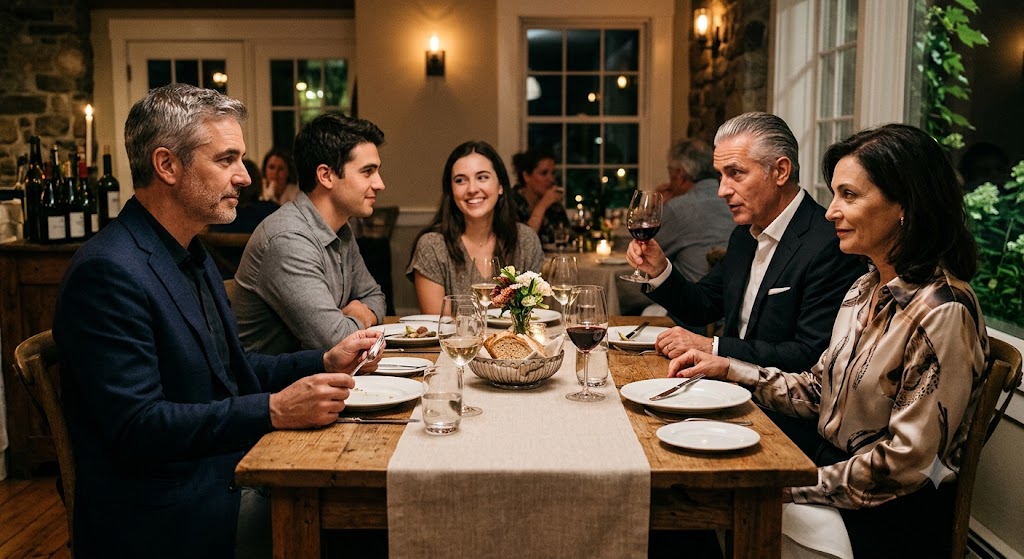
În seara aceea am ridicat paharul de vin nu pentru a sărbători, ci pentru a-mi aminti fiecare cuvânt pe care îl auzisem la acea masă. Familia viitorului meu ginere stătea în fața mea, zâmbind politicos, vorbind despre familie, despre viitor și despre cât de fericiți erau că fiul lor urma să se căsătorească cu fiica mea. Toată lumea credea că era o seară perfectă. Restaurantul era elegant, luminile calde se reflectau în paharele de vin, iar priveliștea de la ferestre arăta exact ca într-o revistă. Eu fusesem cel care alesese locul. Voiam ca părinții lui să se simtă bineveniți. Voiam ca fiica mea să vadă că cele două familii pot deveni una singură. Dar ceea ce am primit în schimb a fost ceva ce nu voi uita niciodată.
Am descoperit că oamenii care zâmbeau în fața mea mă considerau un om simplu, ușor de manipulat, un tată disperat să își vadă fiica fericită. Credeau că nu înțeleg un singur cuvânt din ceea ce spuneau între ei în franceză. Credeau că pot vorbi liber chiar lângă mine. Nu știau că, înainte să construiesc case în orașul meu natal, înainte să am propria firmă de construcții și înainte să devin omul pe care îl vedeau acum doar ca pe un „antreprenor local”, petrecusem ani întregi lucrând în Franța. Nu am învățat limba într-o școală elegantă. Am învățat-o pe șantiere, printre muncitori francezi, printre oameni care vorbeau repede și nu aveau răbdare să repete de două ori. Am învățat-o pentru că trebuia să supraviețuiesc. Iar după douăzeci și cinci de ani, o uitasem aproape complet în viața de zi cu zi, pentru că nimeni din jurul meu nu avea nevoie să o folosesc.
Până în acea seară.
Mă numesc Mark și sunt tatăl unei fete pe care am iubit-o mai mult decât orice pe lume. Fiica mea a fost centrul vieții mele din ziua în care s-a născut. Mi-o amintesc mică, alergând prin curte cu genunchii zgâriați, ajutându-mă pe șantier și spunând că și ea construiește cu mine atunci când îmi aducea câte un cui din cutia mea de unelte. Nu am fost un tată perfect. Am muncit mult. Uneori am lipsit de la evenimente importante pentru că eram prins cu proiecte și clienți. Dar tot ceea ce am făcut a fost pentru ea. Am construit o afacere de la zero, nu pentru bani sau statut, ci pentru ca într-o zi să pot spune că i-am oferit un loc sigur unde să se întoarcă.
Când fiica mea mi l-a prezentat pe viitorul ei soț, am fost fericit pentru ea. Părea un bărbat educat, atent și ambițios. Era diferit de oamenii pe care îi cunoscusem eu prin muncă. Vorbea despre investiții, afaceri și planuri internaționale. Fiica mea îl privea într-un fel pe care îl recunoșteam. Era felul în care mama ei mă privise pe mine cu mulți ani înainte. Era îndrăgostită. Iar pentru mine, asta conta cel mai mult.
Când mi-a spus că părinții lui vin din Franța pentru a ne cunoaște, am vrut să fac o impresie bună. Nu pentru mine. Nu aveam nevoie să impresionez pe nimeni. Eram împăcat cu cine eram. Am vrut doar ca fiica mea să nu simtă nicio tensiune între familii. Am rezervat cea mai bună masă din restaurantul pe care îl cunoșteam, am ales vinul, am verificat meniul și m-am asigurat că totul este pregătit.
În mintea mea, aceea era seara în care două familii începeau să se apropie.
Nu știam că pentru ei era o evaluare.
Când au ajuns, am observat imediat diferența dintre noi. Nu era ceva evident. Nu erau nepoliticoși. Erau suficient de rafinați încât să își ascundă judecata sub zâmbete și complimente false. Tatăl viitorului meu ginere avea un aer de om obișnuit să fie ascultat. Mama lui vorbea cu o eleganță rece, ca o persoană care analiza totul înainte de a decide dacă merită atenție.
La început conversația a fost normală. Am vorbit despre călătorii, despre zonă și despre diferențele dintre viața din Franța și cea de aici. Apoi a venit momentul în care am ales vinul. Tatăl lui a luat sticla în mână și a privit eticheta câteva secunde.
„Acesta este vinul ales pentru rață?” a întrebat.
Tonul lui nu era agresiv.
Era mai rău.
Era condescendent.
I-am spus că este un vin local, produs la aproximativ douăzeci de minute distanță, și că îl alesesem pentru că îmi plăcea ideea de a le oferi ceva din locul în care trăim. A zâmbit ușor.
„Cât de practic.”
Mama lui a zâmbit și ea.
„Și dumneavoastră cu ce vă ocupați exact?” m-a întrebat.
„Construcții”, am răspuns. „Am propria firmă. Construim case personalizate.”
A urmat o pauză scurtă.
„Ce interesant.”
A spus-o ca și cum i-aș fi povestit că am un hobby.
Am lăsat lucrurile să treacă.
Pentru că fiica mea era fericită.
Ea râdea lângă viitorul ei soț, iar mâna lui era peste mâna ei. Pentru mine, acel moment era mai important decât orice comentariu făcut de doi oameni care abia mă cunoșteau. Am trecut prin perioade în viață în care am dormit în camion pentru că nu aveam bani de hotel. Am muncit pe ploaie, pe frig și în condiții în care alții ar fi renunțat. Știam cine sunt. Nu aveam nevoie ca doi oameni necunoscuți să îmi confirme valoarea.
Dar apoi au început să vorbească în franceză.
La început am crezut că este întâmplător. Tatăl lui s-a aplecat spre soția lui și i-a spus ceva încet. Ea a răspuns râzând. Era acel tip de conversație pe care oamenii o au atunci când cred că nimeni din jur nu poate înțelege.
Am continuat să zâmbesc.
Am continuat să mănânc.
Am continuat să joc rolul omului care nu observă.
Pentru că în acel moment am înțeles ceva important.
Ei nu vorbeau doar într-o altă limbă.
Ei vorbeau liber pentru că mă considerau inferior.
Mama lui a început să comenteze despre rochia fiicei mele. A spus că era frumoasă, dar într-un fel care suna ca o critică ascunsă. A râs de felul în care pronunțasem un cuvânt francez mai devreme. Tatăl lui a făcut o imitație a accentului meu și amândoi au râs.
Fiica mea nu auzea.
Viitorul ei soț nu părea deranjat.
Iar eu stăteam acolo, la aceeași masă, înțelegând fiecare cuvânt.
Apoi conversația a ajuns la ceva care m-a făcut să îmi schimb complet perspectiva.
Mama lui s-a uitat spre o fotografie de pe peretele restaurantului. Era o piesă realizată de un meșter local. O bibliotecă din lemn.
Biblioteca aceea o construisem eu.
Era pentru camera fiicei mele când avea unsprezece ani.
Folosiserăm lemn recuperat dintr-un hambar vechi. Muncisem luni întregi la ea. Șlefuisem fiecare bucată cu mâna mea. Pentru mine nu era doar mobilier. Era o amintire.
Ea a privit fotografia și a spus în franceză:
„Probabil a găsit lemnul la gunoi. Americanii nu înțeleg adevărata măiestrie. Pun câteva bucăți de lemn împreună și numesc asta artă.”
Am lăsat furculița jos.
Nu brusc.
Nu dramatic.
Doar încet.
Pentru că în acel moment nu mai ascultam doar niște oameni aroganți.
Ascultam oameni care judecau tot ceea ce eu construisem pentru copilul meu.
Am privit spre fiica mea.
Ea zâmbea.
Nu știa nimic.
Și atunci am luat decizia.
Nu aveam să reacționez.
Nu acolo.
Nu încă.
Pentru că un tată adevărat nu își distruge propria fiică pentru o clipă de furie.
Dacă m-aș fi ridicat și le-aș fi spus totul atunci, ei ar fi schimbat povestea. Ar fi spus că sunt un tată gelos, un om dificil sau cineva care nu acceptă că fiica lui crește. Fiica mea l-ar fi apărat pe omul pe care îl iubea.
Nu.
Tôi sẽ không cho họ cơ hội đó.
Așa că am zâmbit.
Am ridicat paharul.
Și am continuat să ascult.
Pentru că ceea ce urma să aud după aceea avea să fie mult mai grav decât orice insultă despre vin sau despre lemn.
Ei nu veniseră doar să mă judece.
Veniseră pentru ceva ce credeau că îmi pot lua.
Iar ei încă nu știau că omul pe care îl considerau un simplu constructor înțelegea fiecare cuvânt pe care îl spuneau.
PARTEA 2 — Nu veniseră să mă cunoască, veniseră să afle ce puteau lua de la mine
După acea cină, am plecat acasă cu același zâmbet pe față cu care plecasem de la restaurant. Asta era partea pe care nimeni nu avea să o înțeleagă vreodată. Nu eram calm pentru că nu mă afectase. Eram calm pentru că, pentru prima dată, vedeam imaginea completă. Cu câteva ore înainte crezusem că aveam în față doar niște oameni aroganți care se simțeau superiori pentru că veneau dintr-o familie mai veche și vorbeau o limbă pe care eu nu o folosesc zilnic. Dar după ce i-am auzit discutând între ei, am înțeles că problema era mult mai mare. Nu era doar despre comentarii răutăcioase despre vinul meu, casa mea sau munca mea. Era despre modul în care mă vedeau. Pentru ei eram un om simplu, un constructor care avusese noroc, un tată atât de disperat să își vadă fiica fericită încât putea fi convins să semneze orice i se punea în față.
Și cea mai dureroasă parte era că îl includeau și pe viitorul soț al fiicei mele în acest plan. El nu era doar un băiat îndrăgostit care făcea greșeli influențat de părinți. Era un adult care stătuse la aceeași masă cu mine, îmi ținuse mâna când îmi ceruse binecuvântarea pentru căsătorie și îmi spusese că mă respectă ca pe propriul tată. Apoi, câteva minute mai târziu, în timp ce credea că nu îl pot înțelege, râdea despre cât de ușor eram de manipulat. Acel moment a fost mai greu decât orice insultă venită din partea părinților lui. Pentru că de la ei mă așteptam la aroganță. De la el mă așteptam la sinceritate.
Am ajuns acasă târziu și am rămas mult timp în camioneta mea, parcată în fața casei. Era vechiul meu pickup, același pe care îl aveam de ani de zile. Mulți oameni îl considerau un semn că nu îmi place luxul, dar pentru mine era altceva. Era dovada tuturor drumurilor pe care le făcusem. Fusese cu mine pe șantiere, în dimineți reci și nopți târzii. În acea seară m-am uitat la volan și mi-am amintit de perioada în care dormisem în mașină pentru că nu aveam bani suficienți să plătesc o cameră. Mi-am amintit de începuturile firmei mele și de toate momentele în care oamenii mă subestimaseră. Diferența era că atunci când eram tânăr, oamenii mă judecau pentru ceea ce vedeau. Acum eram judecat pentru ceea ce credeau că nu vedeam.
Am intrat în casă și am verificat mesajele de la fiica mea. Avea un singur mesaj: „Tată, mulțumesc pentru seara asta. A însemnat mult pentru mine că ai încercat atât de mult să vă înțelegeți.” Am citit acel mesaj de mai multe ori. Fiica mea credea că eu eram cel care trebuia să demonstrez ceva. Credea că eu eram omul care trebuia să fie acceptat de familia viitorului ei soț. Nu știa că eu tocmai aflasem că oamenii pe care ea îi iubea ascundeau lucruri importante de ea.
I-am răspuns simplu: „Orice pentru tine, draga mea. Dormi bine.”
Nu i-am spus adevărul atunci.
Nu pentru că voiam să o mint.
Ci pentru că adevărul, spus în acel moment, fără dovezi, ar fi putut să o distrugă.
În viață am învățat ceva din construcții: înainte să dărâmi un perete, trebuie să știi ce susține. Dacă lovești fără să înțelegi structura, poți distruge toată clădirea. Iar fiica mea era structura pe care voiam să o protejez. Nu puteam să merg la ea doar cu suspiciuni și cu furie. Trebuia să îi ofer adevărul complet.
A doua zi dimineață am sunat un vechi prieten pe care îl cunoscusem în perioada în care lucrasem în Franța. Se numea Grant și, după ce părăsise domeniul construcțiilor, intrase în consultanță de risc. Era genul de om care nu vorbea mult, dar când analiza o situație vedea lucruri pe care ceilalți le ignorau. I-am spus doar că am nevoie de ajutor și că situația implica o familie din Franța, documente financiare și posibilitatea ca cineva să încerce să profite de fiica mea.
Nu i-am spus totul la telefon.
Nu era nevoie.
Grant m-a cunoscut suficient cât să știe că nu sun pentru lucruri mici.
Câteva zile mai târziu, am primit primele informații.
Și atunci am înțeles cât de aproape fusesem de o greșeală uriașă.
Afacerea tatălui viitorului meu ginere nu era ceea ce pretindea. Din exterior părea o companie internațională de succes. Vorbea despre relații de afaceri, proprietăți și investiții. Dar în realitate situația financiară era mult mai instabilă. Existau datorii, probleme fiscale și proiecte care eșuaseră. Nu era omul bogat și sigur pe el pe care îl prezentase la cină.
Era un om care avea nevoie urgentă de bani.
Iar apoi Grant mi-a spus ceva care mi-a confirmat ceea ce auzisem la masă.
„Mark, ai grijă la orice document legat de proprietățile tale. Nu cred că interesul lor principal este doar căsătoria.”
Am simțit un gol în stomac.
Pentru că exact asta bănuisem.
Nu veniseră peste ocean doar pentru a-și vedea fiul fericit.
Veniseră pentru stabilitatea pe care eu o construisem în zeci de ani.
În următoarele zile am continuat să joc rolul tatălui încântat. Știu că poate pare ciudat, dar uneori cea mai grea parte a apărării este să nu arăți că te aperi. I-am invitat să rămână în casa de oaspeți de pe proprietatea mea. Le-am oferit exact ceea ce se așteptau. Le-am arătat aceeași ospitalitate pe care o arătasem mereu oamenilor care intrau în viața mea.
Doar că acum observam.
Ascultam.
Învățam.
Tatăl viitorului meu ginere îmi vorbea despre familie și tradiții, dar eu vedeam cum privea terenul meu. Mama lui îmi complimenta casa, dar întrebările ei erau mereu despre proprietăți, investiții și planuri pe termen lung. Nu era curiozitate. Era evaluare.
Într-o duminică dimineață, la micul dejun, a venit momentul pe care îl așteptam. Tatăl lui a început conversația despre „viitor”. A vorbit despre cât de important este ca două familii să își unească resursele și despre cum, în Europa, familiile puternice își protejează averea prin structuri comune.
Apoi a spus cuvintele pe care le așteptam.
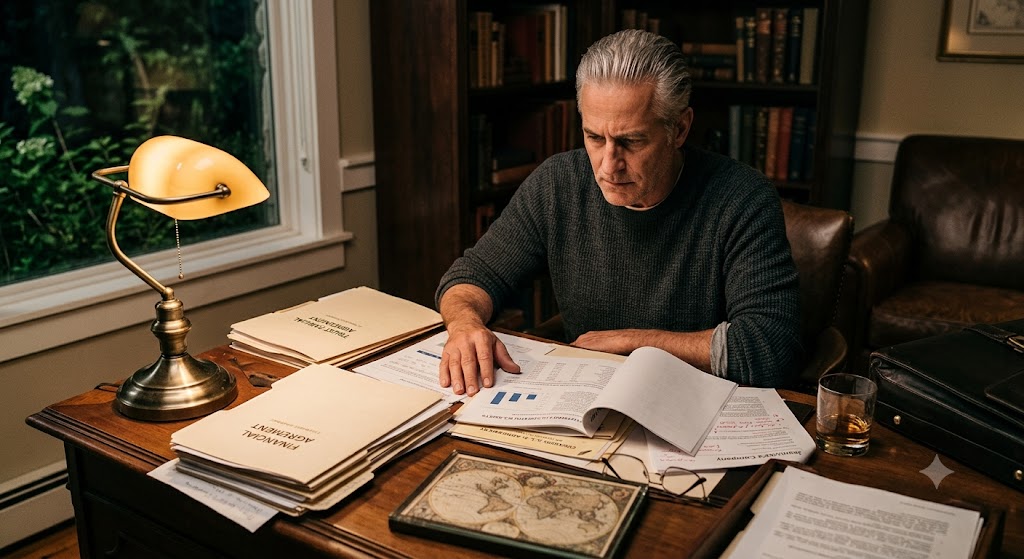
Un trust de familie.
Mi-a explicat cât de util ar fi pentru fiica mea și viitorul ei soț. Cât de matur ar fi să consolidăm anumite active. Cât de important este ca generațiile viitoare să fie protejate.
Totul suna frumos.
Prea frumos.
Am zâmbit și am jucat rolul omului impresionat.
„Sunt lucruri complicate pentru mine”, am spus. „Eu sunt un om care construiește case, nu unul care citește documente juridice internaționale. Trimiteți-mi actele și le voi verifica.”
În ochii lui am văzut o sclipire de satisfacție.
Credea că a câștigat.
Credea că eram exact omul pe care îl descrisese în franceză.
Un om ușor de convins.
În acea seară am primit documentele.
La prima vedere păreau profesionale. Erau pline de termeni juridici și formulări sofisticate. Pentru cineva care nu știe domeniul, ar fi părut un contract de familie obișnuit.
Dar eu am învățat ceva în viață.
Lucrurile periculoase nu se ascund în ceea ce oamenii îți arată.
Se ascund în ceea ce speră că nu vei înțelege.
Am sunat avocatul meu.
Era târziu, dar nu puteam aștepta.
„Am nevoie să te uiți la ceva”, i-am spus.
După ce a analizat primele pagini, a tăcut câteva secunde.
Și acea tăcere mi-a spus mai mult decât orice.
„Mark”, mi-a spus în cele din urmă, „acesta nu este un simplu trust de familie.”
Am strâns telefonul mai tare.
„Atunci ce este?”
Răspunsul lui mi-a confirmat cea mai mare teamă.
„Este o structură prin care bunurile tale ar putea fi folosite pentru a garanta problemele financiare ale altcuiva.”
Am privit documentele de pe birou.
În acea clipă am înțeles.
Familia viitorului meu ginere nu venise să construiască o familie cu noi.
Veniseră să folosească familia mea ca soluție pentru problemele lor.
Iar cel mai grav lucru era că fiica mea nici măcar nu știa.
În timp ce ea visa la o nuntă și la o viață alături de omul pe care îl iubea, oamenii din jurul ei pregăteau un plan care i-ar fi putut distruge viitorul.
Am închis dosarul.
Nu mai eram doar un tată care încerca să fie acceptat.
Eram un tată care știa adevărul.
Și de data aceasta nu aveam de gând să stau liniștit și să îi las să creadă că au ales victima potrivită.
PARTEA 3 — În seara în care am spus adevărul, toți au aflat cine eram cu adevărat
În zilele care au urmat după ce am descoperit adevărul despre familia viitorului meu ginere, am continuat să joc același rol pe care îl jucasem de la început. Pentru ei eram încă tatăl simplu, constructorul care nu înțelege lumea sofisticată a banilor și a documentelor internaționale. Pentru fiica mea eram încă tatăl care încerca din toate puterile să accepte familia bărbatului pe care îl iubea. Dar în realitate, fiecare zi care trecea îmi oferea noi dovezi despre cât de calculat fusese totul. Nu era vorba despre o neînțelegere. Nu era vorba despre diferențe culturale sau despre oameni aroganți care spun lucruri nepotrivite. Era un plan construit în jurul ideii că eu eram prea naiv ca să îl văd.
Cel mai greu lucru pentru mine nu a fost să descopăr intențiile părinților lui. A fost să accept faptul că viitorul meu ginere știa. El nu fusese doar influențat de familia lui. Fusese parte din discuții. Fusese omul care stătuse la masă cu mine, îmi spusese că mă respectă și că apreciază tot ce făcusem pentru fiica mea, iar apoi râsese în franceză despre cât de ușor eram de manipulat. În acea seară, când îl auzisem spunând că sunt „previzibil”, nu m-a durut orgoliul. M-a durut gândul la fiica mea. Pentru că ea nu vedea ceea ce vedeam eu. Ea vedea bărbatul pe care îl iubea, nu omul care calcula ce putea obține.
Avocatul meu a analizat fiecare document pe care îl primisem. A verificat structura acelui presupus trust de familie și mi-a explicat lucruri pe care eu nu le-aș fi observat niciodată. La suprafață părea o propunere elegantă. Vorbeau despre protejarea viitorului copiilor, despre unirea familiilor și despre construirea unei baze financiare solide pentru generațiile următoare. Dar în interiorul documentelor exista ceva complet diferit. Era o structură prin care proprietățile mele comerciale puteau deveni garanții pentru problemele financiare ale familiei lor.
Cu alte cuvinte, dacă afacerile lor eșuau, munca mea de o viață ar fi plătit pentru greșelile lor.
Asta era adevărata lor intenție.
Nu voiau să intre în familia mea.
Voiau să folosească familia mea ca soluție.
În tot acel timp, fiica mea continua să fie fericită. Îmi trimitea fotografii cu pregătirile pentru nuntă. Îmi cerea părerea despre flori, despre locație și despre mici detalii care pentru ea însemnau totul. Când primeam mesajele ei, simțeam o durere pe care cu greu o puteam explica. Pentru că ea era fericită într-o poveste care nu era complet reală. Și eu eram prins între două lucruri imposibile: dorința de a o proteja imediat și nevoia de a nu distruge totul fără dovezi.
Un tată poate suporta multe pentru copilul lui.
Poate suporta să fie judecat.
Poate suporta să fie umilit.
Dar este mult mai greu să suporte să vadă copilul făcând o alegere care îl poate răni.
Am decis să nu spun nimic până la cina de repetiție a nunții. Nu pentru că voiam să îi fac de rușine. Nu pentru că voiam răzbunare. Ci pentru că acolo aveam să am toată lumea prezentă și, mai important, aveam să îi ofer fiicei mele adevărul complet. Nu voiam ca ea să creadă că tatăl ei reacționează din gelozie sau din teamă. Voiam să vadă singură cine erau oamenii în care își pusese încrederea.
În săptămânile înainte de eveniment, am continuat să fiu gazda perfectă. I-am lăsat să creadă că totul merge conform planului. Le-am permis părinților lui să stea în casa de oaspeți. Le-am arătat terenurile mele. Am discutat despre viitor. Am zâmbit la glumele lor și am ascultat comentariile lor despre cum ar trebui organizate anumite lucruri.
Era ciudat să auzi oameni vorbind despre viața ta ca și cum ar fi fost deja proprietarii ei.
Dar am rămas calm.
Pentru că știam ceva ce ei nu știau.
Eu auzeam fiecare cuvânt.
Cina de repetiție a venit într-o seară caldă de vară. Am organizat totul frumos. Luminile erau puse printre copaci, mesele erau pregătite în curte, iar florile alese de fiica mea decorau fiecare colț. Pentru oricine privea din exterior, era o seară perfectă. Două familii care se adunau înaintea unei nunți.
Dar eu știam că acea seară urma să schimbe totul.
Părinții lui stăteau la masă relaxați. Erau convinși că mai aveau doar câteva zile până când planul lor urma să fie finalizat. Viitorul meu ginere zâmbea și vorbea cu fiica mea ca și cum nimic nu se întâmpla. Privindu-i, mi-am amintit de fetița care mă ajuta pe șantier când era mică. Aceeași persoană care acum stătea lângă un om care nu o vedea ca pe o parteneră, ci ca pe o cale de acces.
Am ridicat paharul.
Conversațiile s-au oprit treptat.
„Vreau să spun câteva cuvinte”, am început.
Fiica mea mi-a zâmbit.
Ea credea că urma un discurs obișnuit de tată.
Și într-un fel era.
Era discursul unui tată care încerca să își protejeze copilul.
„Cei mai mulți dintre voi mă cunoașteți ca pe un om care construiește case. Întotdeauna am crezut că ceea ce construim cu propriile mâini spune cine suntem. O casă nu este doar lemn și ciment. Este timpul nostru, munca noastră și lucrurile pe care le lăsăm în urmă.”
Am privit spre familia lor.
„În ultimele săptămâni am învățat ceva important. Uneori oamenii judecă lucrurile pe care nu le înțeleg. Uneori cred că dacă cineva este diferit de ei, înseamnă că este mai puțin valoros.”
Părinții lui au început să observe schimbarea tonului.
Dar era prea târziu.
Am continuat.
„Vreau să le mulțumesc părinților viitorului meu ginere pentru că au venit până aici. Știu că au făcut un drum lung pentru a fi alături de noi.”
Au zâmbit.
Credeau că primesc apreciere.
Apoi am spus:
„Și cred că este momentul să le arăt cât de mult am apreciat conversațiile noastre.”
Am făcut o pauză.
„Mai ales pe cele pe care ei credeau că nu le înțeleg.”
În acel moment, expresia de pe fețele lor s-a schimbat.
Am continuat în franceză.
Limba pe care credeau că nu o cunosc.
Am spus exact ce auzisem la restaurant. Am vorbit despre comentariile despre munca mea. Despre biblioteca construită pentru fiica mea. Despre felul în care mă descriseseră. Despre documentele pe care încercaseră să mă facă să le semnez.
Curtea a amuțit.
Fiica mea se uita la mine fără să înțeleagă complet.
Viitorul ei ginere devenise palid.
Mama lui nu mai zâmbea.
Pentru prima dată, nu mai aveau control asupra conversației.
M-am întors spre fiica mea și am spus:
„Îmi pare rău că trebuie să afli așa. Dar aș prefera să îți frâng inima acum decât să te las să intri într-o căsnicie construită pe o minciună.”
Apoi am pus dosarul pe masă.
Nu am ridicat vocea.
Nu am insultat pe nimeni.
Am lăsat documentele să vorbească.
Am arătat situația financiară reală a familiei lui. Am arătat problemele ascunse. Am arătat adevăratul scop al trustului. Nu era un cadou pentru viitor. Era o plasă de salvare pentru ei, plătită cu munca mea.
Fiica mea a rămas tăcută.
Cred că aceea a fost cea mai grea parte.
Nu furia.
Nu rușinea.
Ci momentul în care a început să vadă adevărul.
S-a uitat spre omul pe care urma să îl ia de soț.
„Știai?”
El a încercat să explice.
A spus că lucrurile nu sunt așa cum par.
Dar uneori cea mai clară dovadă este reacția unui om când nu mai poate controla povestea.
Fiica mea și-a scos inelul.
Nu a făcut o scenă.
Nu a țipat.
Doar l-a pus pe masă.
„Eu credeam că vrei să construim o viață împreună”, a spus ea. „Dar tu încercai să iei ceva de la familia mea.”
În acel moment am simțit ceva greu de explicat.
Nu bucurie.
Nu victorie.
Doar ușurare.
Pentru că fiica mea văzuse adevărul înainte să fie prea târziu.
După acea seară, lucrurile s-au schimbat complet. Nunta nu a mai avut loc. Relația s-a încheiat. Familia lui a plecat, iar documentele pe care încercaseră să le folosească împotriva mea au devenit dovada intențiilor lor.
Dar cea mai importantă schimbare nu a fost că ei au pierdut.
A fost că fiica mea s-a întors acasă.
Nu pentru că eu am câștigat o ceartă.
Ci pentru că am reușit să îi protejez viitorul.
Ani mai târziu, când mă uit în urmă, mă gândesc la acea seară din restaurant. La momentul în care am auzit oameni vorbind în franceză și am ales să tac.
Dacă aș fi reacționat atunci, poate totul ar fi fost diferit.
Dar uneori cel mai puternic răspuns nu este să vorbești imediat.
Uneori este să asculți.
Să înțelegi.
Și să aștepți momentul potrivit.
Ei au crezut că limba franceză era o ușă închisă între noi.
Nu știau că acea limbă avea să fie motivul pentru care adevărul a ieșit la lumină.
Și cel mai important lucru pe care l-am învățat este acesta:
Nu subestima niciodată un om doar pentru că nu spune tot ceea ce știe.
Uneori oamenii cei mai liniștiți din cameră sunt cei care au auzit deja tot.