Przez kilka minut nie ruszałam się z miejsca.
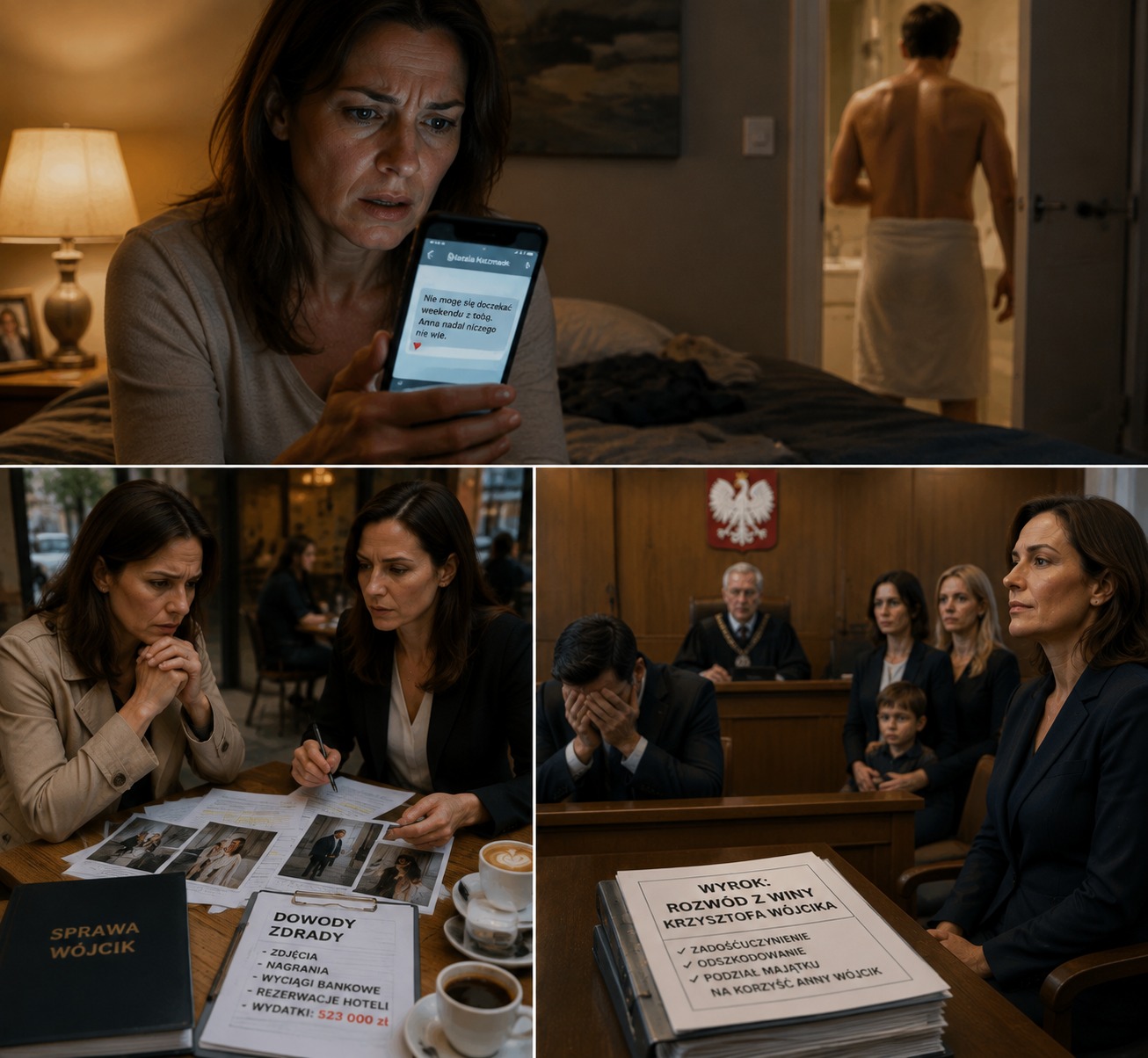
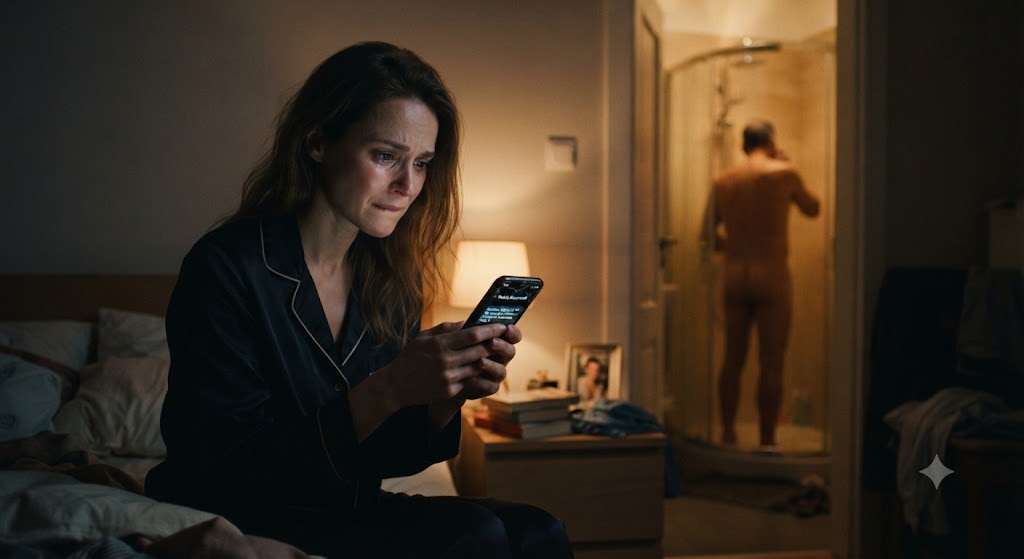
Telefon nadal świecił w mojej dłoni.
Jedna wiadomość.
Kilka słów.
A jednak wystarczyły, żeby piętnaście lat wspomnień zaczęło wyglądać zupełnie inaczej.
Patrzyłam na zdjęcie Krzysztofa na ekranie.
Mój mąż.
Człowiek, który każdego ranka całował mnie przed wyjściem do pracy.
Człowiek, który trzymał mnie za rękę podczas narodzin naszej córki.
Człowiek, któremu ufałam bardziej niż sobie.
I nagle zobaczyłam obcego.
Najgorsze było to, że nie poczułam od razu złości.
Nie rzuciłam telefonem.
Nie pobiegłam do łazienki, żeby krzyczeć.
Nie zrobiłam sceny.
Poczułam pustkę.
Taką, jakby ktoś nagle wyłączył dźwięk w całym świecie.
Bo przez piętnaście lat wierzyłam, że moje życie jest stabilne.
Dom.
Mąż.
Córka.
Praca.
Zwykła codzienność.
A teraz ta codzienność miała drugą stronę, o której nie wiedziałam.
Krzysztof wyszedł z łazienki kilka minut później.
Uśmiechnął się.
— Wszystko dobrze?
Spojrzałam na niego.
I po raz pierwszy w życiu skłamałam.
— Tak.
Wtedy jeszcze nie wiedział, że właśnie dałam sobie czas.
Nie po to, żeby mu wybaczyć.
Po to, żeby poznać prawdę.
Przez następne trzy miesiące byłam dla niego dokładnie taką samą żoną jak wcześniej.
Gotowałam.
Rozmawiałam.
Pytałam o pracę.
Słuchałam jego opowieści o „delegacjach”.
Ale tym razem słuchałam inaczej.
Zaczęłam zapamiętywać szczegóły.
Godziny.
Daty.
Nazwy hoteli.
Dziwne wydatki.
Przez lata nigdy nie interesowały mnie nasze finanse w taki sposób.
Ufałam mu.
I właśnie tę ufność wykorzystał.
Pierwszy szok przyszedł po przejrzeniu wyciągów bankowych.
Nie jedna kolacja.
Nie jeden prezent.
Regularne przelewy.
Luksusowe sklepy.
Hotele.
Wyjazdy.
Pieniądze, które miały być przeznaczone na naszą rodzinę, znikały gdzie indziej.
A potem znalazłam mieszkanie.
Warszawa.
Centrum.
Opłacane przez Krzysztofa.
Dla niej.
Natalia Kaczmarek.
23 lata.
Sekretarka w jego firmie.
Kobieta, której istnienia nawet nie podejrzewałam.
Wtedy zadzwoniłam do Barbary.
Mojej przyjaciółki.
Adwokatki.
Jednej z niewielu osób, którym nadal ufałam.
Spotkałyśmy się w małej kawiarni w Krakowie.
Przez kilka minut mieszałam kawę, choć nawet jej nie piłam.
W końcu powiedziałam:
— Barbaro…
— Krzysztof mnie zdradza.
Nie zareagowała szokiem.
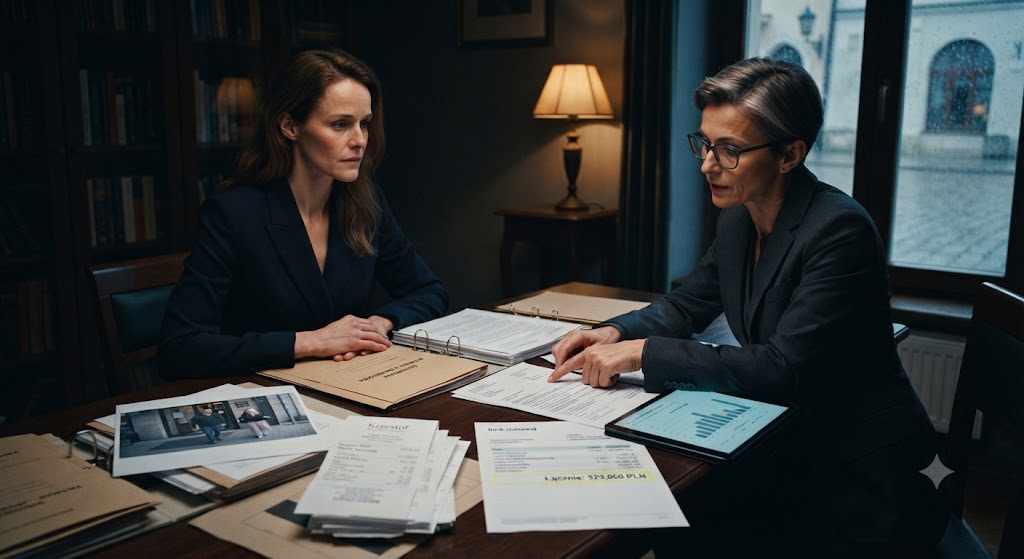
Tylko spojrzała na mnie uważnie.
— Anno.
— Chcesz wiedzieć prawdę?
Skinęłam głową.
— To nie możesz działać jak zraniona żona.
— Musisz działać jak kobieta, która chroni swoje życie.
Te słowa zapamiętałam.
Bo wtedy pierwszy raz zrozumiałam:
Nie walczę o małżeństwo.
Walczę o siebie.
Barbara znalazła detektywa.
Zaczęliśmy zbierać dowody.
Zdjęcia.
Nagrania.
Rezerwacje.
Dokumenty.
Każdy dzień przynosił coś nowego.
I każdy dzień bolał bardziej.
Bo odkrywałam nie tylko zdradę.
Odkrywałam skalę kłamstwa.
Krzysztof wydał na Natalię ponad pół miliona złotych.
Pół miliona.
Prezenty.
Podróże.
Luksusowe restauracje.
Mieszkanie.
A ja przez lata zastanawiałam się, dlaczego nagle zaczęliśmy bardziej oszczędzać.
Dlaczego mówił, że firma ma trudniejszy okres.
Dlaczego odkładaliśmy remont kuchni.
Teraz znałam odpowiedź.
Ale największy błąd Krzysztof popełnił wtedy, kiedy uznał, że mnie złamał.
Myślał, że jak odejdzie do Natalii, ja będę błagać.
Że będę walczyć o jego powrót.
Nie znał mnie tak dobrze, jak myślał.
Kiedy podpisałam dokumenty rozwodowe przygotowane przez Barbarę, wyjechałam na kilka dni do Wrocławia.
Nie powiedziałam mu wszystkiego.
Chciałam, żeby prawda dotarła do niego w odpowiednim momencie.
Oficjalnie.
Tak jak zasługiwał.
I wtedy dostałam wiadomość.
Od niego.
Nie przeprosiny.
Nie pytanie.
Nie żal.
Tylko nienawiść.
„Wyrzuciłem twoje rzeczy. Nie wracaj. Natalia tu zamieszka. Możesz robić, co chcesz.”
Czytałam te słowa kilka razy.
A potem wydarzyło się coś dziwnego.
Nie zabolało.
Poczułam ulgę.
Bo nagle przestałam mieć wątpliwości.
Człowiek, którego próbowałam zrozumieć przez trzy miesiące…
sam pokazał mi, kim jest.
Wysłałam wiadomość Barbarze.
Odpisała po chwili:
— Anno.
— To jest bardzo ważne.
— On właśnie sam dostarczył nam kolejnego dowodu.
Najbardziej bałam się rozmowy z Zuzią.
Naszą córką.
Bo dziecko zawsze cierpi najbardziej.
Krzysztof zadzwonił do niej pierwszy.
Próbował zrobić z siebie ofiarę.
— Mama chce zniszczyć rodzinę.
Kiedy Zuzia przyjechała do mnie do Wrocławia, zobaczyłam strach w jej oczach.
— Mamo…
— Tata mówi, że chcesz zabrać mu wszystko.
Usiadłam obok niej.
I pierwszy raz powiedziałam jej całą prawdę.
O Natalii.
O pieniądzach.
O kłamstwach.
O wszystkim.
Płakała długo.
Bo nie traciła tylko ojca.
Traciła obraz ojca, który miała całe życie.
Po kilku godzinach spojrzała na mnie.
— Będę przy tobie, mamo.
I wtedy wiedziałam, że mimo wszystkiego nie jestem sama.
Ale prawda miała jeszcze jedną warstwę.
Podczas analizy finansów znaleźliśmy kolejne przelewy.
Nie do Natalii.
Do innej kobiety.
Sylwia Jankowska.
Nigdy o niej nie słyszałam.
Okazało się, że Krzysztof miał z nią trzyletniego syna.
Przez lata prowadził dwa równoległe życia.
Moje.
I jej.
Potem pojawiła się Dorota.
Pierwsza żona.
Kobieta, o której istnieniu nigdy mi nie powiedział.
Przyniosła dokumenty.
Wyroki.
Dowody.
Zaległe alimenty.
I wtedy zrozumiałam.
Natalia nie była początkiem.
Była tylko kolejną osobą w długim szeregu kobiet, które uwierzyły w tego samego człowieka.
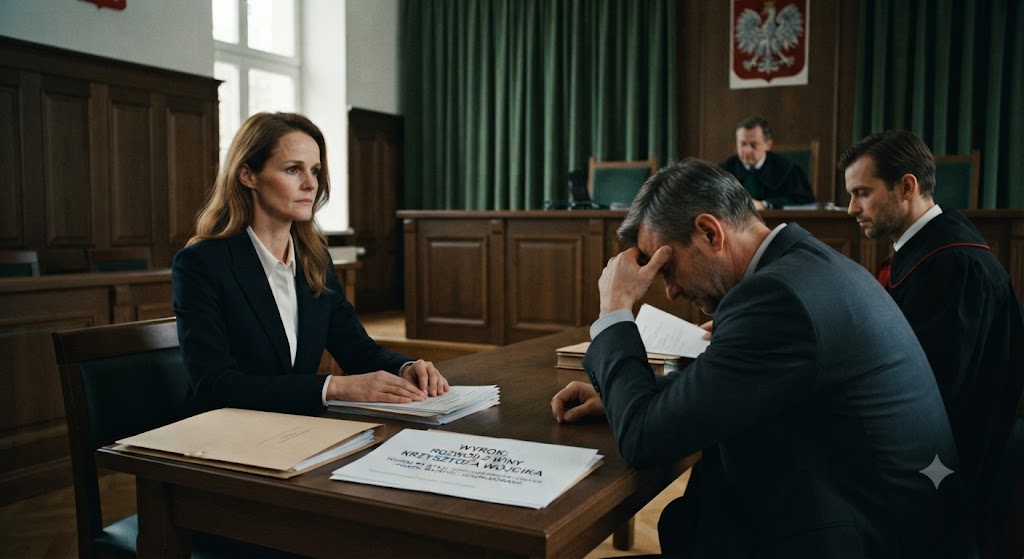
Rok później siedziałam na sali sądowej.
Obok mnie Barbara.
Naprzeciwko Krzysztof.
Patrzyłam na niego i nie widziałam już mężczyzny, którego kochałam.
Widziałam człowieka, który przez lata budował swoje życie z cudzych złudzeń.
Barbara przedstawiła dowody.
Wiadomości.
Dokumenty finansowe.
Zeznania.
Historie kobiet.
Każdy kolejny element odbierał mu kolejną część maski.
Kiedy sędzia ogłosił wyrok, poczułam spokój.
Nie radość.
Nie zemstę.
Spokój.
Rozwód został orzeczony z winy Krzysztofa.
Zachowałam majątek.
Otrzymałam odszkodowanie.
Sprawa finansowa trafiła do prokuratury.
A człowiek, który kiedyś myślał, że kontroluje wszystkich…
został sam.
Dziś moje życie wygląda inaczej.
Mam własną firmę.
Pomagam kobietom, które przechodzą przez podobne historie.
Nie dlatego, że jestem niezwyciężona.
Ale dlatego, że wiem, jak wygląda moment, kiedy cały świat rozpada się w jednej sekundzie.
Najważniejszej rzeczy nauczyłam się wtedy, gdy zobaczyłam tę wiadomość na telefonie mojego męża.
Nie każda strata jest końcem.
Czasami coś musi się rozpaść…
żebyś w końcu mogła odzyskać samą siebie.