For decades, Audie Murphy was remembered as the perfect symbol of American courage — a young Texas farm boy who became one of the most decorated soldiers in U.S. military history, a war hero who survived battles that seemed impossible, and later a Hollywood star who brought stories of bravery to the screen. But behind the medals, fame, and public admiration was a much darker story. The final chapter of Audie Murphy’s life left behind unanswered questions, rumors, and a mystery that continues to attract attention decades later.
Before he became a legend, Audie Murphy was simply a poor boy from Texas who grew up during the Great Depression. Life was difficult from the beginning. After losing his father and facing financial hardship, Murphy learned responsibility at a very young age. He was small, quiet, and often underestimated by those around him.
But when World War II began, everything changed.
At only 17 years old, Murphy joined the U.S. Army and was sent into some of the most brutal battles of the war. What happened next became the stuff of military legend. Despite his young age and physical appearance, Murphy displayed extraordinary courage under fire. His actions during combat earned him nearly every major military award available to an American soldier, including the Medal of Honor.
To the public, he became a hero unlike any other.
But the reality behind the hero image was far more complicated.
The battles Murphy survived did not simply disappear when the war ended. Like many soldiers who returned from combat, he carried invisible wounds that followed him for the rest of his life. He struggled with nightmares, anxiety, and the memories of the men he lost. Although he became famous for his bravery, privately he faced battles that no one could see.
Instead of disappearing from public life, Murphy turned to Hollywood.
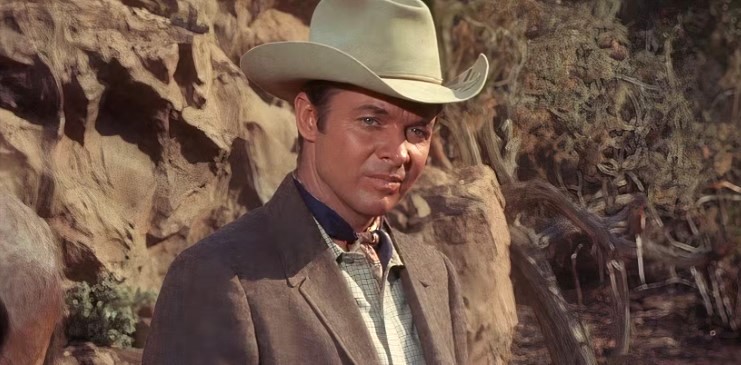
His transition from soldier to actor was unexpected. Many doubted whether a young war hero with no acting experience could succeed in the entertainment industry. But Murphy proved them wrong. He became one of the most recognizable faces of post-war Hollywood, starring in numerous Westerns and war films.
His most famous role came when he portrayed himself in To Hell and Back, a film based on his wartime experiences. The movie became a major success and transformed his personal story into a symbol of American determination.
Yet behind the cameras, Murphy’s life remained complicated.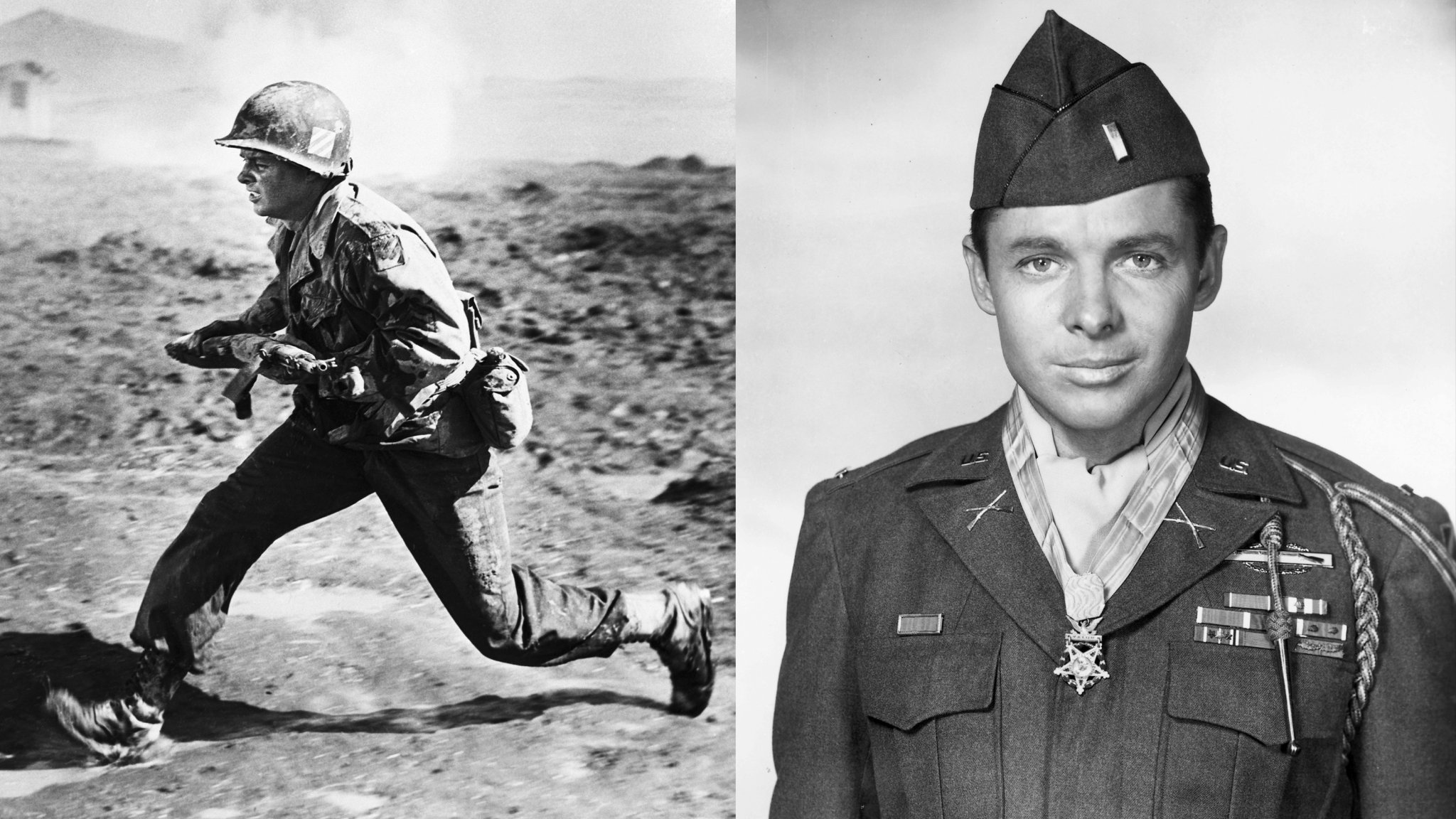
The fame that came after the war could never completely erase the memories he carried. He often spoke about veterans and the struggles they faced after returning home, using his platform to bring attention to those suffering in silence. His own experiences shaped his compassion for others who had endured trauma.
But then came the shocking event that ended his life.
On May 28, 1971, Audie Murphy died when the private plane he was traveling on crashed into a mountain in Virginia. He was only 45 years old.
The official investigation concluded that the crash was caused by poor weather conditions and pilot error. For many people, that explanation was enough. A tragic accident had taken the life of one of America’s greatest heroes.
However, over the years, questions began to emerge.
Some people wondered whether there were details about the crash that had never been fully explained. Rumors spread about possible mechanical problems, unusual circumstances, and whether important information had been overlooked. Because Murphy had become such an important figure — a war hero, celebrity, and public voice for veterans — some believed there could have been more behind the tragedy.
These theories created a mystery that continued long after his death.
Was the crash simply a tragic accident? Or were there details surrounding his final moments that the public never fully understood?
The lack of clear answers allowed speculation to grow.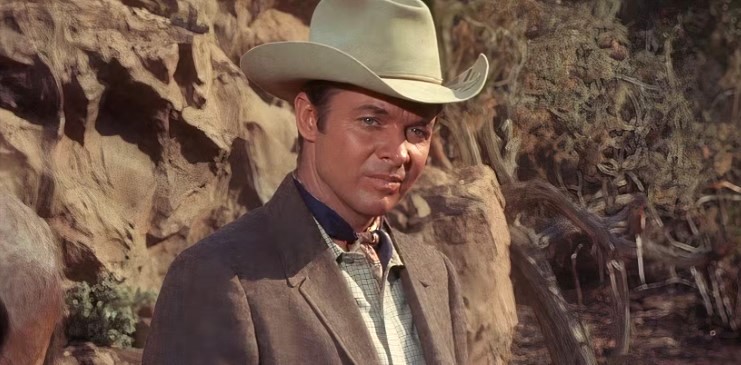
But beyond the rumors and theories, there is another side of Audie Murphy’s story that is often forgotten. He was not only a soldier or a celebrity. He was a person who spent his entire life carrying extraordinary pressure.
He was celebrated as fearless, yet he knew fear better than most people.
He was remembered as a hero, yet he struggled with pain that came from the very battles that made him famous.
His life represented a contradiction: the world saw a man who could survive anything, while privately he was fighting battles that could not be won with weapons or medals.
Even after decades, Audie Murphy remains one of the most fascinating figures in American history because his story is not just about victory. It is about sacrifice, survival, and the hidden cost of becoming a legend.
The questions surrounding his death may never completely disappear. The theories may continue. The mystery may remain.
But perhaps the greatest truth about Audie Murphy is not found in the unanswered questions surrounding his final flight.
It is found in everything that came before.
A young boy from Texas who had almost nothing became a symbol of courage for millions. A soldier who witnessed unimaginable horrors became a voice for those who suffered silently. A Hollywood star who carried painful memories showed the world that even heroes have wounds.
And decades after his passing, one question still remains: was Audie Murphy’s final chapter truly just a tragic accident, or was there something hidden behind the story the public was told?