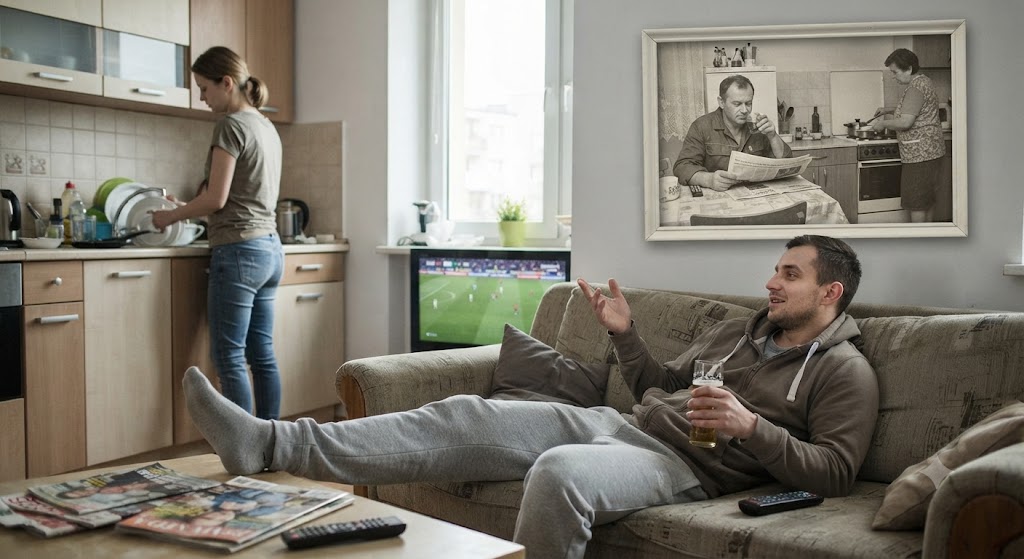
Część 1: Główny żywiciel rodziny
— Julia, a gdzie mięso?
Paweł stał pośrodku kuchni z widelcem w ręku i patrzył na talerz makaronu z sosem pomidorowym, jakby ktoś właśnie podał mu największą zniewagę w życiu.
— Znowu same kluski? Przecież ja jestem facetem, głównym żywicielem rodziny. Po całym dniu pracy należy mi się porządny obiad.
Julia spokojnie odkroiła kawałek pieczonej piersi z kurczaka ze swojego talerza, włożyła go do ust, przeżuła bez pośpiechu i dopiero wtedy spojrzała na męża.
— Główny żywiciel rodziny wydał w zeszłym tygodniu dwa tysiące czterysta złotych na nowe felgi i jakieś świecące dodatki do samochodu, który częściej stoi pod blokiem niż jeździ — powiedziała równym głosem. — Po opłaceniu czynszu, prądu, wody, internetu i zakupów zostało akurat tyle, żeby kupić makaron, pomidory i trochę warzyw.
Paweł aż poczerwieniał.
— Ale ty masz mięso.
— Kupiłam jedną pierś z kurczaka za własne pieniądze. Była przeceniona. Mogłeś zrobić to samo.
— No nie wierzę. Mam sobie kupować osobne mięso we własnym domu? A ja mam finansować twoje obiady, kiedy ty wydajesz połowę wypłaty na samochód?
Julia przesunęła pojemnik z resztką kurczaka za słoik z ogórkami kiszonymi. Nie dlatego, że bała się, że Paweł go zje. Po prostu znała jego zwyczaje. Za chwilę zacząłby opowiadać, że tylko spróbował, a potem zniknęłaby cała porcja.
— U moich rodziców zawsze był porządny obiad — oznajmił Paweł, uderzając widelcem o stół. — Mama codziennie gotowała ojcu. Zupa, drugie danie, czasem jeszcze ciasto. Ojciec wracał z pracy i miał wszystko podane. Twoja mama też pracowała, ale wiedziała, jak dbać o męża.
Julia odłożyła widelec.
— Paweł, ja pracuję w miejskiej dyspozytorni. Przez osiem godzin odbieram telefony od zdenerwowanych pasażerów, kierowców i motorniczych. Kiedy tramwaj stanie na skrzyżowaniu, wszyscy dzwonią do nas na raz. Wracam do domu z głową ciężką jak kamień. Zarabiam prawie tyle samo co ty. Dlaczego więc po pracy mam zaczynać drugą zmianę przy kuchence, pralce i odkurzaczu, a ty masz leżeć przed telewizorem? Bo jesteś mężczyzną?
— Rzeczywiście, zapomniałam, że gąbka do naczyń rozpoznaje płeć i gryzie wyłącznie panów.
Paweł zmrużył oczy.
— Ty sobie ze mnie kpisz?
— Nie. Ja tylko przestałam udawać, że to normalne.
Przez chwilę w kuchni słychać było jedynie tykanie zegara i cichy szum lodówki. Paweł skrzyżował ręce na piersi, próbując wyglądać poważnie i dostojnie.
— Dobrze, skoro jesteś taka zasadnicza, to od dziś nie podchodzę do zlewu. Ani jednego talerza nie umyję. Mój ojciec przez całe życie nie zmywał i jakoś rodzina się nie rozpadła.
Julia wzruszyła ramionami.
— Jak sobie życzysz. Twoje talerze, twój problem.
Paweł prychnął. Był przekonany, że żona wytrzyma najwyżej dwa dni. W końcu zawsze denerwował ją bałagan. Zwykle odkładała rzeczy na miejsce, wycierała blat i poprawiała poduszki, zanim zdążył zauważyć, że coś było nie tak.
Część 2: Eksperyment i papierowe talerze
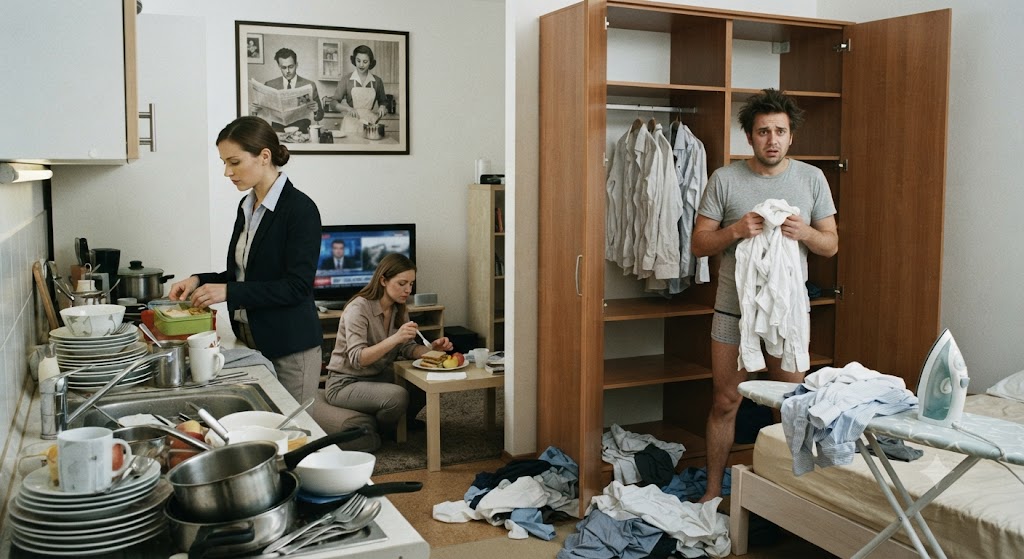
Następnego ranka zostawił w zlewie talerz ze śladami sosu, kubek po kawie i patelnię po jajecznicy. Wieczorem dołożył jeszcze miskę, dwa widelce i szklankę. Julia wróciła z pracy, zdjęła płaszcz, umyła ręce i wyjęła z szafki swój ulubiony zielony talerz. Zjadła sałatkę, umyła talerz, od razu wytarła go i schowała z powrotem.
Paweł obserwował ją kątem oka.
— Nie przeszkadza ci ten bałagan?
— Nie mój bałagan.
W środę zlew wyglądał już jak dziwna wystawa sztuki współczesnej. Kubki stały jeden na drugim, widelce sterczały z zaschniętego sosu, a na samym szczycie leżał garnek z przyklejonym makaronem. Paweł chodził po kuchni, wzdychał głośno i ostentacyjnie otwierał szafki. Liczył, że Julia w końcu nie wytrzyma. Ona jednak wróciła do domu z paczką papierowych talerzy i postawiła ją na swojej półce.
— Naprawdę będziesz jadła z papieru? — zapytał po jakimś czasie.
— Bardzo wygodne rozwiązanie.
W piątek Paweł odkrył, że skończyły się czyste kubki. Pił więc kawę ze słoika po dżemie. Julia niczego nie komentowała. W sobotę nie znalazł świeżych skarpet. W niedzielę założył ostatnią czystą koszulkę i przez chwilę przyglądał się stercie prania, ale szybko zamknął kosz.
W poniedziałek rano otworzył szafę, przesunął wieszaki raz, potem drugi, zajrzał na dolną półkę, sprawdził krzesło i nawet przestrzeń pod łóżkiem. Nie było ani jednej czystej koszuli, ani jednej pary świeżych skarpet, nawet bielizna się skończyła. Paweł stał przed otwartą szafą w samych spodniach od piżamy i po raz pierwszy poczuł, że ten eksperyment może jednak nie skończyć się tak, jak sobie zaplanował.
— Julia!
Głos Pawła rozległ się po całym mieszkaniu.
— Gdzie są moje koszule?
Julia stała w przedpokoju i zapinała płaszcz. Spojrzała na zegarek. Potem spokojnie poprawiła szalik.
— W koszu na pranie.
— Wszystkie?
— Wszystkie, które tam wrzuciłeś.
Paweł wypadł z sypialni z jedną zmiętą koszulą w ręku. Wyglądała tak, jakby ktoś używał jej przez tydzień zamiast poduszki.
— Ty chyba żartujesz. W czym ja mam iść do pracy?
— Możesz założyć tę.
— Przecież ona jest pognieciona.
— To ją wyprasuj.
Paweł patrzył na nią przez chwilę, jakby usłyszał propozycję wejścia na dach bez drabiny.
— Ja?
— No przecież nie sąsiad z trzeciego piętra.
— Julia, to już jest jawny sabotaż małżeństwa.
— Nie. To są konsekwencje twojej decyzji. Żona powinna pilnować, żeby mąż miał czyste rzeczy, a mąż powinien wiedzieć, gdzie stoi pralka.
Julia sięgnęła po torebkę.
— Masz dwie możliwości. Włączasz pranie albo wybierasz koszulę, która pachnie najmniej dramatycznie.
— To nie jest śmieszne.
— Dla mnie trochę jest.
Pocałowała go lekko w policzek i otworzyła drzwi.
— Miłego dnia. Proszek jest w szafce nad pralką. Instrukcja obsługi przyklejona z boku.
Paweł został w przedpokoju z miną człowieka porzuconego przez cały cywilizowany świat. Do pracy poszedł w granatowej koszuli, której rękawy były wyraźnie pomięte, a kołnierzyk układał się w dwie różne strony. Przez cały dzień czuł się nieswojo. Wydawało mu się, że każdy klient patrzy właśnie na jego koszulę. Rafał, kolega z magazynu, rzucił tylko:
— Ciężki poranek?
— Nawet nie pytaj.
Część 3: Gość i rodzice
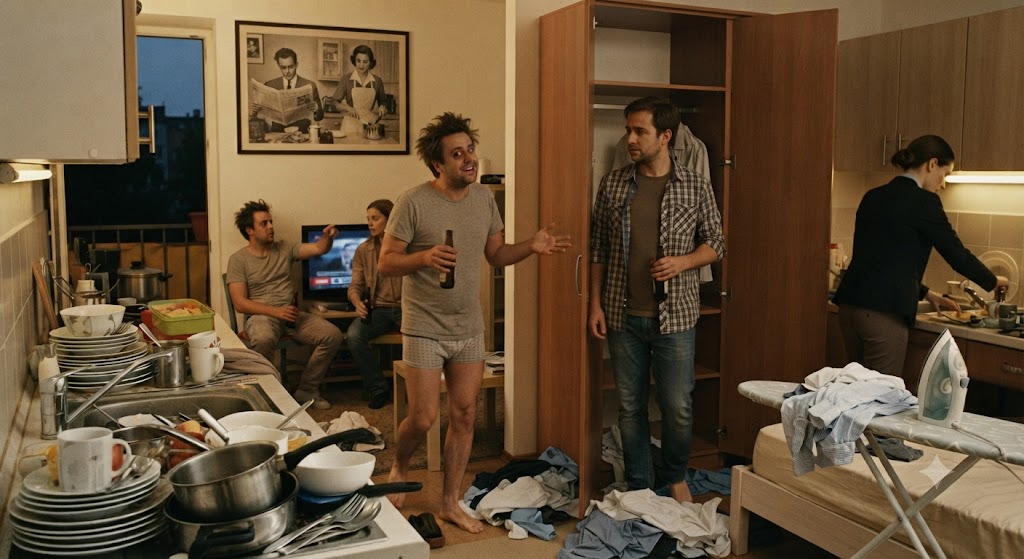
Wieczorem Paweł kupił gotowe pierogi i paczkę parówek. Uznał, że przez kilka dni da sobie radę. W końcu ugotowanie wody nie mogło być trudne. Pierwsze pierogi rozgotował, drugie przypalił na patelni. Parówki pękły i wyglądały tak, jakby próbowały uciec z garnka. Paweł zjadł wszystko z musztardą, popił herbatą ze słoika po ogórkach i z uporem powtarzał sobie, że sytuacja jest pod kontrolą.
Nie była.
Przez następne dni żywił się kanapkami, zupkami w proszku, gotowymi krokietami i czymkolwiek, co dało się podgrzać bez większego wysiłku. Jego żołądek coraz częściej dawał o sobie znać, a cierpliwość kurczyła się z każdym posiłkiem.
Julia tymczasem żyła zupełnie spokojnie. Po pracy przygotowywała sobie małą porcję sałatki, piekła kawałek ryby albo smażyła jajka. Jadła przy swoim końcu stołu, myła własny talerz i odkładała go na miejsce. Prała swoje bluzki, ręczniki i bieliznę. Jej część szafy była uporządkowana. Jej półka w łazience czysta, a po jej stronie łóżka nie walała się ani jedna skarpetka. Po stronie Pawła zaczynało brakować wolnego miejsca.
W czwartek wieczorem wpadł na pomysł. Skoro Julia nie przejmowała się jego narzekaniem, może zawstydzi się przy kimś obcym. Może kiedy zobaczy gościa, przypomni sobie, jak zachowuje się dobra gospodyni.
W piątek po pracy przyprowadził Rafała bez zapowiedzi.
— Wpadniemy tylko na chwilę — powiedział, otwierając drzwi. — Pogadamy, zjemy coś ciepłego.
Rafał wszedł do mieszkania z wyraźnym zadowoleniem. Zdjął kurtkę, rozejrzał się i pociągnął nosem, jakby już spodziewał się zapachu pieczonego mięsa. Mężczyźni usiedli na balkonie. Paweł przyniósł im po piwie i zaczął opowiadać o pracy. Po kilku minutach rozmowa zeszła na kobiety.
— Dzisiaj to już niczego nie można powiedzieć — narzekał Paweł. — Człowiek chce normalnego domu, ciepłego obiadu, porządku, a od razu robią z niego tyrana.
Rafał pokiwał głową.
— Czasy się zmieniły. Kiedyś kobiety wiedziały, co trzeba robić.
— No właśnie. Moja matka pracowała i jakoś wszystko było zrobione. A Julia…
Paweł skrzywił się.
— Julia robi teraz jakiś eksperyment. Udaje, że nie widzi zlewu, nie gotuje, nie pierze. Ale spokojnie, jak wróci i zobaczy, od razu się ogarnie.
Kwadrans później szczęknął zamek. Julia weszła do mieszkania, zmęczona po całym dniu. W dyspozytorni znów były opóźnienia. Jeden autobus zepsuł się na trasie, a pasażerowie dzwonili bez przerwy. Marzyła tylko o ciszy i gorącym prysznicu. Zobaczyła dwie pary męskich butów w przedpokoju. Usłyszała śmiech z balkonu i od razu zrozumiała, co Paweł wymyślił.
Nie zapytała, dlaczego przyprowadził gościa. Nie zrobiła awantury. Zdjęła płaszcz, umyła ręce i zamówiła przez telefon pizzę za siedemdziesiąt złotych. Kiedy dostawca zapukał, zapach gorącego sera szybko rozszedł się po całym mieszkaniu. Paweł i Rafał natychmiast pojawili się w kuchni.
Julia otworzyła pudełko, wzięła dwa kawałki, położyła je na papierowym talerzu, a resztę starannie zamknęła i schowała do lodówki.
Rafał zamrugał.
— A dla nas?
Julia spojrzała na niego z uprzejmym uśmiechem.
— Jesteście dorośli, silni i zaradni. W zamrażarce są pierogi, w szafce chleb, a w lodówce ser i masło. Paweł z pewnością coś wam przygotuje.
Rafał spojrzał na Pawła. Paweł spojrzał na Julię.
— Naprawdę nie podasz nic gościowi? — zapytał przez zaciśnięte zęby.
— To ty go zaprosiłeś. Ja nawet nie wiedziałam, że przyjdzie.
Julia zabrała talerz i poszła do pokoju oglądać serial. Rafał siedział jeszcze niecałe dwadzieścia minut. Zjadł jedną kanapkę, wypił piwo i nagle przypomniał sobie o pilnej sprawie. Kiedy drzwi się za nim zamknęły, Paweł długo stał w kuchni. Po raz pierwszy dotarło do niego, że Julia wcale nie czuje wstydu. Nie zamierza ratować jego reputacji. Nie boi się, że ktoś nazwie ją złą żoną. Co gorsza, wyglądała na zupełnie spokojną.
Następnego dnia zadzwonił do matki. Opowiadał długo, że Julia nie gotuje, że nie pierze, że chodzi do pracy w pogniecionych koszulach, że przed kolegą został wystawiony na pośmiewisko. Irena wzdychała do słuchawki. W tle odezwał się donośny głos Zbigniewa:
— Trzeba ją ustawić do pionu, bo jeszcze chłopakowi całkiem wejdzie na głowę.
Po krótkiej naradzie rodzice zapowiedzieli, że przyjadą w piątek. Paweł poczuł ogromną ulgę. Przez następne dni nie wynosił śmieci. Zostawiał na blacie opakowania po parówkach, puste kubki po zupkach i tłuste talerze. Nawet worek z odpadkami postawił obok kosza, choć spokojnie mógł go wyrzucić po drodze do pracy. Chciał, żeby rodzice zobaczyli wszystko, żeby zrozumieli, jak strasznie zaniedbany jest ich syn i żeby wreszcie pokazali Julii, gdzie jest jej miejsce.
Część 4: Ręcznik Ireny
Piątek zaczął się dla Julii źle, a potem było już tylko gorzej. Tuż po siódmej rano na jednym z głównych skrzyżowań zepsuł się tramwaj. Zablokował tory, zanim ustawiły się kolejne składy, a po kilku minutach cała dyspozytornia zaczęła dzwonić jak oszalała.
— Co mamy robić? — pytał jeden motorniczy.
— Ludzie się awanturują — meldował drugi.
— Dlaczego autobus zastępczy jeszcze nie przyjechał? — krzyczała jakaś kobieta do słuchawki, jakby Julia osobiście trzymała pojazd w garażu.
Przez kilka godzin nikt nie miał czasu nawet spokojnie wypić herbaty. Trzeba było zmieniać trasy, wysyłać komunikaty, uspokajać pasażerów i pilnować, żeby zamieszanie nie sparaliżowało połowy miasta. Kiedy Julia skończyła zmianę, czuła, jakby ktoś włożył jej do głowy worek kamieni. Bolały ją plecy, oczy piekły od monitora, a od ciągłych telefonów miała wrażenie, że dzwonek nadal rozbrzmiewa jej w uszach.
Do domu dotarła po siódmej. Zdjęła buty, rzuciła torebkę na krzesło i nawet nie zajrzała do kuchni. Przeszła prosto do salonu, położyła się na kanapie i naciągnęła na siebie miękki koc. Chciała zamknąć oczy tylko na chwilę.
Nie minęło nawet dziesięć minut, gdy w zamku przekręcił się klucz. Drzwi otworzyły się szeroko. Najpierw wszedł Paweł, wyprostowany i zadowolony. Za nim pojawił się Zbigniew, ciężko stawiający kroki, a na końcu Irena z dwiema torbami zakupów.
— No wejdźcie — powiedział Paweł głośno. — Sami zobaczycie, jak ja żyję.
Julia uchyliła jedno oko. Paweł poprowadził rodziców do kuchni niczym przewodnik po miejscu katastrofy.
— Popatrzcie! — mówił. — Naczynia nieumyte, śmieci niewyrzucone, pranie leży, a ona, proszę bardzo, śpi sobie na kanapie.
Zbigniew zajrzał do zlewu, pokręcił głową i westchnął z oburzeniem.
— Co tu się porobiło?
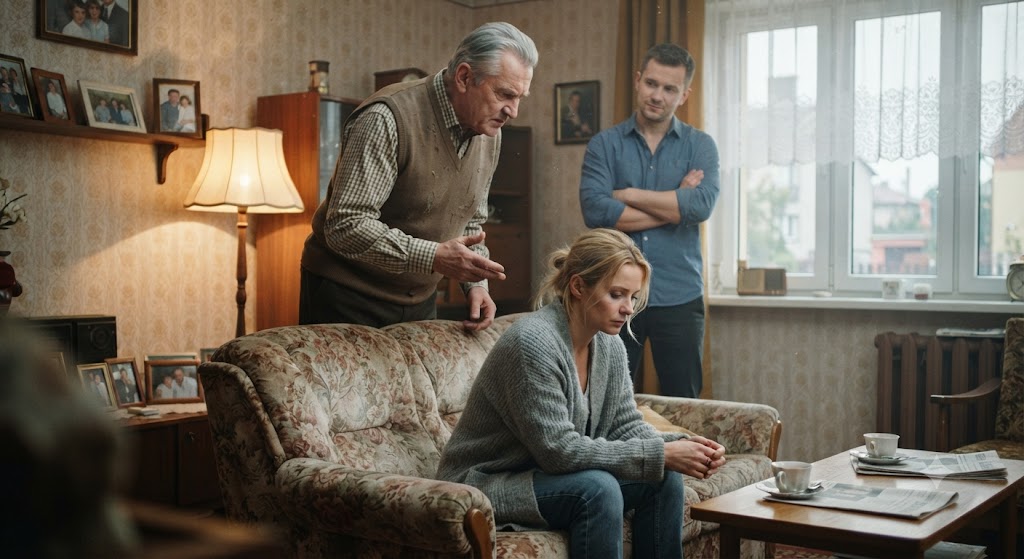
Potem ruszył do salonu, stanął nad Julią, rozstawił nogi i założył ręce na piersi.
— Julia, ty tak poważnie? — zaczął podniesionym głosem. — Mąż wraca głodny, chodzi w pogniecionych koszulach, w domu bałagan, a ty sobie leżysz.
Julia powoli podniosła głowę.
— Właśnie wróciłam z pracy.
— Każdy pracuje — odparł Zbigniew. — Ale kobieta powinna jeszcze zadbać o dom. Tak było zawsze. Irena też pracowała, a jakoś obiad był, ubrania czyste, podłoga umyta.
Paweł stał za ojcem i kiwał głową z miną niewinnej ofiary.
— Właśnie to próbuję jej tłumaczyć.
— Żona ma obowiązki — ciągnął Zbigniew. — Męża trzeba nakarmić, koszulę wyprasować, porządek utrzymać. Po co się ludzie pobierają, jak każdy ma żyć tylko dla siebie?
Julia odsunęła koc i już chciała usiąść. Czuła, jak zmęczenie ustępuje miejsca złości. Wtedy Irena postawiła torby na podłodze. Przez chwilę nic nie mówiła. Najpierw spojrzała na zlew pełen naczyń, potem na opakowania po parówkach i gotowych zupach, które leżały na blacie. Następnie przeniosła wzrok na Pawła. Syn stał zadowolony, jakby właśnie wygrał ważną sprawę. Na końcu spojrzała na męża, który nadal pouczał bladą ze zmęczenia Julię.
Twarz Ireny nagle się zmieniła. Podeszła do kanapy, poprawiła koc na ramionach synowej i powiedziała łagodnie:
— Leż, dziecko, odpocznij. Wyglądasz, jakbyś cały dzień dźwigała worki z cementem.
Paweł zmarszczył brwi.
— Mamo, ale przecież…
— Cicho.
Irena odwróciła się, weszła do kuchni i zdjęła z haczyka długi, gruby ręcznik. Zbigniew patrzył na nią niepewnie.
— Irena, co ty wyprawiasz?
Ręcznik świsnął w powietrzu i uderzył go w ramię.
— Ała! Zwariowałaś?
— Może właśnie oprzytomniałam.
Drugi raz ręcznik trafił Pawła w plecy.
— Mamo!
— Nie „mamo”, tylko słuchaj — krzyknęła Irena. — Chcesz z żony zrobić darmową służącą? Ona pracuje tyle samo co ty, a może jeszcze ciężej. A ty zostawiasz jej brudne talerze i czekasz, aż sama wszystko posprząta.
— Ale tata nigdy nie zmywał…
Irena odwróciła się do Zbigniewa.
— No właśnie. Twój ojciec przez całe życie nie zmywał, nie prał i nie wiedział nawet, gdzie trzymam proszek. Wracałam z pracy, gotowałam, sprzątałam, prałam, a on leżał przed telewizorem i pytał, dlaczego zupa jest za mało słona.
Zbigniew otworzył usta.
— Irena, nie przesadzaj.
— Nie przesadzam. Przez ponad trzydzieści lat zbierałam twoje skarpety, myłam po tobie łazienkę i prasowałam koszule, a ty zachowywałeś się, jakby wszystko robiło się samo.
W salonie zapadła cisza. Irena oddychała ciężko, ale w jej oczach było coś nowego. Nie złość. Raczej decyzja, która dojrzewała od dawna.
Paweł wskazał na Julię.
— To ona cię przeciwko nam nastawiła.
Irena podeszła do syna, chwyciła go za ucho i pociągnęła w stronę kuchni.
— Ona nic nie musiała robić. Sam mi wszystko pokazałeś.
Wzięła ze zlewu żółtą gąbkę i wcisnęła mu ją do ręki.
— To jest gąbka. Nie gryzie, nie parzy i nie odbiera męskości. Nalewasz płyn, odkręcasz wodę i myjesz.
— Mamo, no przecież…
— Myjesz.
Paweł bez słowa odkręcił kran. Irena patrzyła, jak bierze pierwszy talerz.
— I zapamiętaj jedno. Jeśli jeszcze raz spróbujesz zrobić z Julii służącą, stanę po jej stronie. Pomogę jej, jak tylko będzie trzeba. Nie pozwolę ci zmarnować życia porządnej kobiecie tylko dlatego, że tobie nie chce się podnieść z kanapy.
Potem odwróciła się do Zbigniewa.
— A z tobą też koniec starych zasad.
— Co to znaczy?
— To znaczy, że chcę przez jakiś czas mieszkać sama.
Zbigniew pobladł.
— Irena, nie wygłupiaj się.
— Wcale się nie wygłupiam. Pierwszy raz od lat mówię zupełnie poważnie.
Wzięła płaszcz, poprawiła włosy przed lustrem i spojrzała na Julię.
— Odpoczywaj. W torbach są ser, pieczywo i coś słodkiego. Jak będziesz miała siłę, zjedz.
Drzwi zamknęły się za nią cicho. Irena zeszła po schodach i wyszła przed blok. Wieczorne powietrze było chłodne, ale oddychało jej się zaskakująco lekko. Nie czuła strachu ani żalu, tylko ulgę.
Część 5: Żurek i nowe zasady
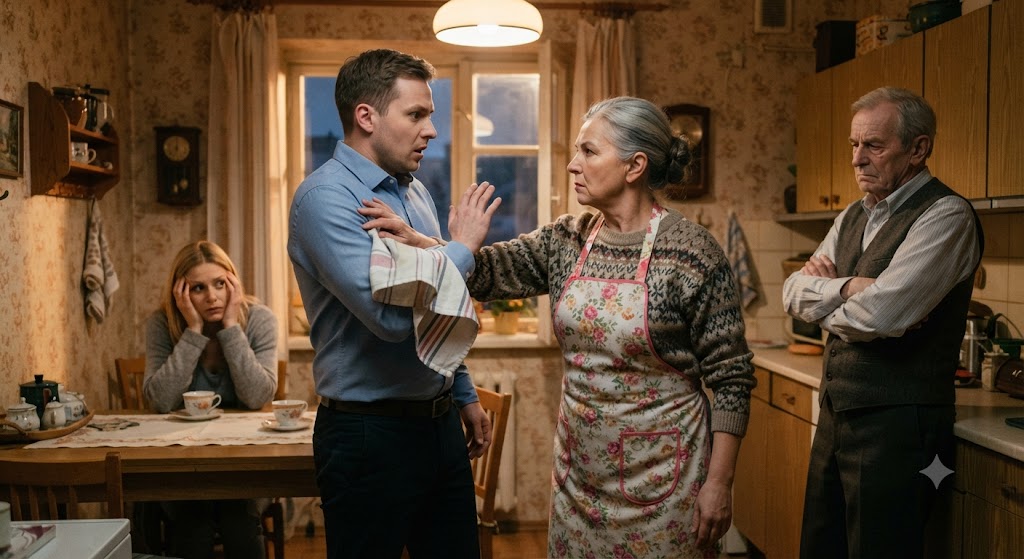
Zbigniew został w mieszkaniu syna, nadal przekonany, że żona zaraz ochłonie. Nie wiedział jeszcze, że kiedy wróci do domu, Irena zacznie pakować jego rzeczy.
Irena wróciła do mieszkania spokojniejszym krokiem, niż sama się po sobie spodziewała. Zbigniew był już w domu. Siedział w fotelu przed telewizorem i czekał, aż żona wejdzie, ochłonie, przeprosi za całe zamieszanie i zapyta, czy podgrzeje mu kolację. Irena nawet na niego nie spojrzała. Zdjęła płaszcz, powiesiła go w przedpokoju, weszła do sypialni i sięgnęła na półkę po stary brązowy kuferek na kółkach. Zamek zacinał się jak zawsze, więc szarpnęła mocniej, aż wreszcie puścił. Potem otworzyła szafę. Do środka poleciały koszule Zbigniewa, dwa swetry, spodnie dresowe, bielizna, skarpety i przybory do golenia. Irena nie składała niczego starannie. Przez ponad trzydzieści lat składała mu wszystko w równą kostkę. Teraz wystarczyło, że się zmieściło.
Zbigniew stanął w drzwiach sypialni.
— Co ty robisz?
— Pakuję cię.
— Irena, przestań się wygłupiać.
— Wcale się nie wygłupiam.
Dopchnęła kolanem wieko i z trudem zapięła zamek.
— Mam dość gotowania dla dorosłego człowieka, który nawet talerza po sobie nie odniesie. Mam dość zbierania twoich skarpet, szukania okularów, które leżą przed tobą, i słuchania, że zupa jest za słona albo za mało słona.
— Ale przecież jesteśmy małżeństwem.
— Właśnie dlatego wytrzymałam tyle lat.
Wyciągnęła walizkę do przedpokoju i postawiła ją obok jego butów.
— Chcę wreszcie wypić kawę, zanim wystygnie. Chcę przeczytać książkę do końca. Chcę pójść z koleżankami do kawiarni i nie zastanawiać się, czy masz co zjeść. Jesteś dorosły, poradzisz sobie.
Zbigniew próbował jeszcze protestować, ale Irena otworzyła drzwi.
— Na razie zamieszkasz gdzie indziej.
— A gdzie mam iść?
— To już nie mój problem.
Dwie godziny później zadzwonił dzwonek w mieszkaniu Julii i Pawła. Julia otworzyła drzwi i zobaczyła Zbigniewa z walizką. Wyglądał jak człowiek, który wyszedł po gazetę i przypadkiem stracił całe dotychczasowe życie.
— Wpuścisz mnie? — zapytał cicho. — Irena przesadza. Rano jej przejdzie.
Julia odsunęła się od drzwi.
— Może pan wejść, ale od razu ustalimy zasady.
Zbigniew zdjął buty i spojrzał w stronę kuchni. Paweł właśnie wyjmował pranie z bębna i próbował rozpoznać, które rzeczy można suszyć razem.
— Widzisz, synu? — mruknął Zbigniew. — Obaj trafiliśmy pod kobiece rządy.
Julia usłyszała to doskonale.
— Nie pod kobiece rządy, tylko pod dach, za który ktoś płaci.
Następnego ranka usiedli przy stole. Julia postawiła przed nimi kartkę.
— Czynsz, prąd, woda i internet to razem około tysiąc dwieście złotych miesięcznie. Do tego jedzenie, środki czystości i cała reszta.
Zbigniew skrzywił się.
— Chcesz ode mnie pieniądze?
— Nie. Jesteś pan rodziną, ale skoro mieszka pan tutaj, będzie pan uczestniczył w obowiązkach.
— Ja nigdy nie zajmowałem się gospodarstwem.
— W takim razie będzie okazja się nauczyć. Niedrogi hostel kosztuje około sto pięćdziesiąt złotych za noc.
Zbigniew zacisnął usta.
— Co mam robić?
Tak zaczęła się najdłuższa dla obu mężczyzn część tygodnia. Paweł nauczył się sortować pranie. Najpierw wrzucił białe koszule razem z ciemnymi skarpetami i Julia zdążyła zatrzymać pralkę w ostatniej chwili.
— Jasne osobno, ciemne osobno — powiedziała. — To naprawdę nie jest fizyka jądrowa.
Następnego dnia odkurzał salon, potem mył łazienkę, wynosił śmieci i ścierał kurz. Za każdym razem wyglądał, jakby wykonywał pracę przeznaczoną dla całej brygady remontowej. Zbigniew dostał listę zakupów. Za pierwszym razem wrócił z trzema bochenkami chleba, ale bez mleka, jajek i papieru toaletowego.
— Zapomniałem — tłumaczył.
— Dlatego dostał pan kartkę — odpowiedziała Julia.
Po kilku dniach nauczył się porównywać ceny za kilogram, sprawdzać daty ważności i kupować tylko to, czego naprawdę brakowało. Rano robił kanapki, gotował jajka i parzył herbatę. Po śniadaniu wycierał stół, mył naczynia i odkładał wszystko na miejsce. Julia pilnowała porządku, ale nie ratowała ich, kiedy coś poszło źle. Gdy Paweł rozsypał proszek do prania, sam zamiatał podłogę. Gdy Zbigniew przypalił jajecznicę, sam szorował patelnię.
Pod koniec tygodnia w mieszkaniu było czyściej niż wcześniej. Tylko Zbigniew stawał się coraz bardziej ponury. Irena ani razu nie zadzwoniła. Za to w sobotę wieczorem Paweł pokazał ojcu zdjęcie na portalu społecznościowym. Irena siedziała w kawiarni z dwiema koleżankami. Przed nią stała filiżanka kawy i kawałek sernika. Miała uczesane włosy, lekki makijaż i uśmiechała się tak swobodnie, że wyglądała o kilka lat młodziej.
Zbigniew długo patrzył na ekran.
— Dobrze się bawi — powiedział w końcu.
— Wygląda na to, że tak — odparła Julia.
W niedzielę rano Julia zastała go przy oknie. Stał w ciszy i patrzył na parking.
— Chce pan wrócić do domu? — zapytała.
— Przecież to mój dom.
— W takim razie musi pan pokazać Irenie, że coś pan zrozumiał.
Zbigniew odwrócił się.
— Co mam zrobić?
Julia położyła na stole białą kiełbasę, warzywa, butelkę zakwasu, przyprawy i duży garnek. Obok położyła fartuch.
— Irena uwielbia domowy żurek. Przez wszystkie lata gotowała dla pana. Ale czy pan kiedykolwiek przygotował obiad specjalnie dla niej?
Zbigniew spojrzał na produkty z niepokojem.
— Nie umiem.
Julia przesunęła fartuch w jego stronę.
— To się pan nauczy. Od tego obiadu może zależeć, czy Irena w ogóle będzie chciała pana jeszcze wpuścić do domu.
Zbigniew długo patrzył na leżący przed nim fartuch, jakby Julia podała mu mundur do walki.
— Naprawdę od tego mamy zacząć? — zapytał.
— Od czegoś trzeba — odpowiedziała Julia. — Najpierw warzywa: marchew, pietruszka, kawałek selera. Proszę obrać i pokroić.
Zbigniew westchnął ciężko, zawiązał fartuch i wziął nóż. Pierwsza marchew wyglądała po obraniu tak, jakby przeżyła spotkanie z tarką i piłą jednocześnie. Julia uniosła brwi, ale niczego nie poprawiła.
— Za grubo?
— Trochę. Ale tym razem zjemy także błędy.
Zbigniew prychnął, lecz zabrał się do następnej. Po kilku minutach skórki leżały na desce, kawałki warzyw rozsypały się po całym blacie, a on sam miał minę człowieka, który właśnie wykonał pół dnia ciężkiej pracy.
— Teraz do garnka. Najpierw trzeba przygotować wywar. Zimna woda, warzywa, liść laurowy, ziele angielskie. I proszę pilnować ognia.
— Przecież garnek sam się gotuje.
Julia spojrzała na niego znacząco.
— Właśnie od takich zdań zaczyna się przypalona kuchnia.
Kiedy woda zaczęła wrzeć, na powierzchni pojawiła się piana. Zbigniew patrzył na nią z nieufnością.
— Co to jest?
— To, co trzeba zebrać.
— Czym?
— Łyżką cedzakową. Leży przed panem.
Zbigniew zaczął ostrożnie zdejmować pianę, marszcząc czoło z takim skupieniem, jakby rozbrajał ładunek wybuchowy. Potem przyszła kolej na kiełbasę. Pokroił ją w nierówne plastry.
— Te są grube, te cienkie — zauważyła Julia.
— W smaku będą takie same.
— Być może. Ale gotowanie to nie wrzucanie wszystkiego do jednego garnka i nadzieja, że jakoś się uda.
Zbigniew nic nie odpowiedział. Po kilkunastu minutach w kuchni zrobiło się ciepło. Para osiadała na szybie. Zapach kiełbasy i przypraw powoli wypełniał mieszkanie. Zbigniew stał przy kuchence, mieszał, sprawdzał ogień, dodawał zakwas i próbował nie pomylić majeranku z pieprzem.
— Ile tego wlać? — zapytał, trzymając butelkę nad garnkiem.
— Powoli. I proszę spróbować.
— Ja?
— A kto ma wiedzieć, czy jest dobre?
Zbigniew nabrał odrobinę zupy na łyżkę. Skrzywił się.
— Kwaśne.
— Żurek ma być kwaśny.
— Ale może za bardzo.
— To proszę dodać trochę wywaru, nie pół szklanki cukru.
Po kolejnej godzinie bolały go plecy. Nogi zrobiły się ciężkie, a kark sztywny. Oparł dłonie o blat i spojrzał na zegar.
— To trwa wieczność.
— Minęły niecałe trzy godziny. Trzy godziny stania, krojenia, pilnowania, sprzątania. Irena robiła to przez lata. Czasem po pracy, czasem chora, czasem zmęczona, a po obiedzie zostawały jeszcze naczynia, podłoga i pranie.
Zbigniew spojrzał na swoje ręce.
— Myślałem, że obiad to… no wiesz… wrzuci się coś do garnka i gotowe.
— Wiem, co pan myślał.
Kiedy żurek był wreszcie gotowy, Zbigniew odsunął garnek i odetchnął z ulgą.
— No to już koniec.
Julia wskazała na blat. Leżały tam brudne noże, deski, miski, łyżki i rozsypane przyprawy. W zlewie czekał mniejszy garnek, a na podłodze widniały krople zakwasu.
— Dopiero połowa.
— Jak to połowa?
— Trzeba jeszcze po sobie posprzątać.
Zbigniew jęknął, ale zakasał rękawy. Mył naczynia wolniej niż Paweł pierwszego dnia. Za to dokładnie. Wytarł stół, opłukał zlew, przetarł kuchenkę i zamiatał tak długo, aż pod krzesłami nie została ani jedna skórka. Kiedy skończył, usiadł ciężko na taborecie.
— Człowiek naprawdę może się przy tym narobić.
— Może. Irena robiła to codziennie.
— Tak.
Zbigniew spuścił wzrok. Po chwili sam zamówił taksówkę. Kurs kosztował około czterdziestu pięciu złotych. Garnek owinęli grubym ręcznikiem i włożyli do dużej torby, żeby zupa nie wystygła. Gdy Zbigniew stanął przed własnymi drzwiami, przez dłuższą chwilę nie naciskał dzwonka. Wreszcie się odważył.
Irena otworzyła po chwili. Miała na sobie nowy domowy szlafrok, włosy spięte z tyłu i książkę w ręku. Wyglądała spokojnie, niezmęczona, niezdenerwowana — po prostu spokojna. Spojrzała na męża, potem na torbę.
— Po co przyszedłeś?
— Ugotowałem ci żurek.
Irena uniosła brwi.
— Ty?
— Julia mi mówiła, co robić, ale obierałem, kroiłem, mieszałem i sprzątałem sam.
— Naczynia też umyłeś?
— Wszystkie. I kuchenkę, i podłogę.
Irena przyjrzała mu się uważnie.
— Czego chcesz, Zbyszek?
Zbigniew ścisnął uchwyty torby.
— Chcę wrócić. Ale nie tak jak wcześniej. Zrozumiałem, że traktowałem wszystko, co robiłaś, jak coś oczywistego. Jakby obiad sam się gotował, a koszule same trafiały do szafy. Byłem niesprawiedliwy.
Irena milczała.
— Mogę gotować — dodał szybko. — Nie codziennie od razu, ale się nauczę. Mogę chodzić po zakupy, sprzątać i płacić rachunki na czas. Tylko daj mi szansę.
Irena spojrzała na garnek.
— Jedną próbną.
Zbigniew odetchnął.
— Ale od jutra na lodówce wisi grafik — powiedziała. — Kto gotuje, kto sprząta, kto robi zakupy, kto pierze i kto opłaca rachunki. Nie będę ci przypominać, nie będę poprawiać i nie wracam do starego życia.
— Zgoda.
— A jeśli zaczniesz marudzić, wrócę do Julii kroić warzywa.
Irena nie wytrzymała i uśmiechnęła się.
— Wnieś ten garnek, kucharzu.
Tego dnia rozwód odłożono na później. Nie odwołano go całkiem. Irena chciała najpierw zobaczyć czyny, nie obietnice.

Tymczasem Paweł kończył myć podłogę w przedpokoju. Wypłukał mop, wylał brudną wodę i sam wstawił pranie. Julia przeszła obok, spojrzała na czystą podłogę i skinęła głową.
— Dobra robota.
Paweł usiadł ciężko na krześle.
— Julia, może dziś zamówimy coś do jedzenia albo pójdziemy do małej restauracji? Nie mam już siły patrzeć na kuchnię.
— Możemy.
Paweł od razu się ożywił.
— Naprawdę?
— Oczywiście. Ty płacisz.
Paweł westchnął, ale sięgnął po telefon. Wieczorem jednak został w domu. Wyjął z lodówki resztkę makaronu, podgrzał ją na patelni i przełożył na papierowy talerz. Usiadł przy stole, spróbował i pokiwał głową.
Makaron bez mięsa wcale nie był taki zły. Zwłaszcza kiedy po kolacji nie zostawała góra naczyń do mycia.