The Dark Secrets Behind M*A*S*H: The Cast Loved the Show… But Some Stars Couldn’t Stand Each Other
For more than 50 years, M*A*S*H has remained one of the most beloved television series in American history. Millions of viewers remember the unforgettable humor, the emotional stories, and the unforgettable characters who turned a Korean War medical unit into a symbol of friendship, sacrifice, and survival. The show was praised for breaking television rules, mixing comedy with serious drama, and delivering a finale that became one of the biggest television events ever witnessed.
But behind the laughter, the emotional speeches, and the legendary performances was a much more complicated story.
The cameras showed a group of doctors and soldiers who depended on each other through impossible situations. But behind the scenes, the actors who brought those characters to life were not always as united as they appeared. Creative disagreements, personality clashes, and hidden frustrations created tension that many fans never knew existed.
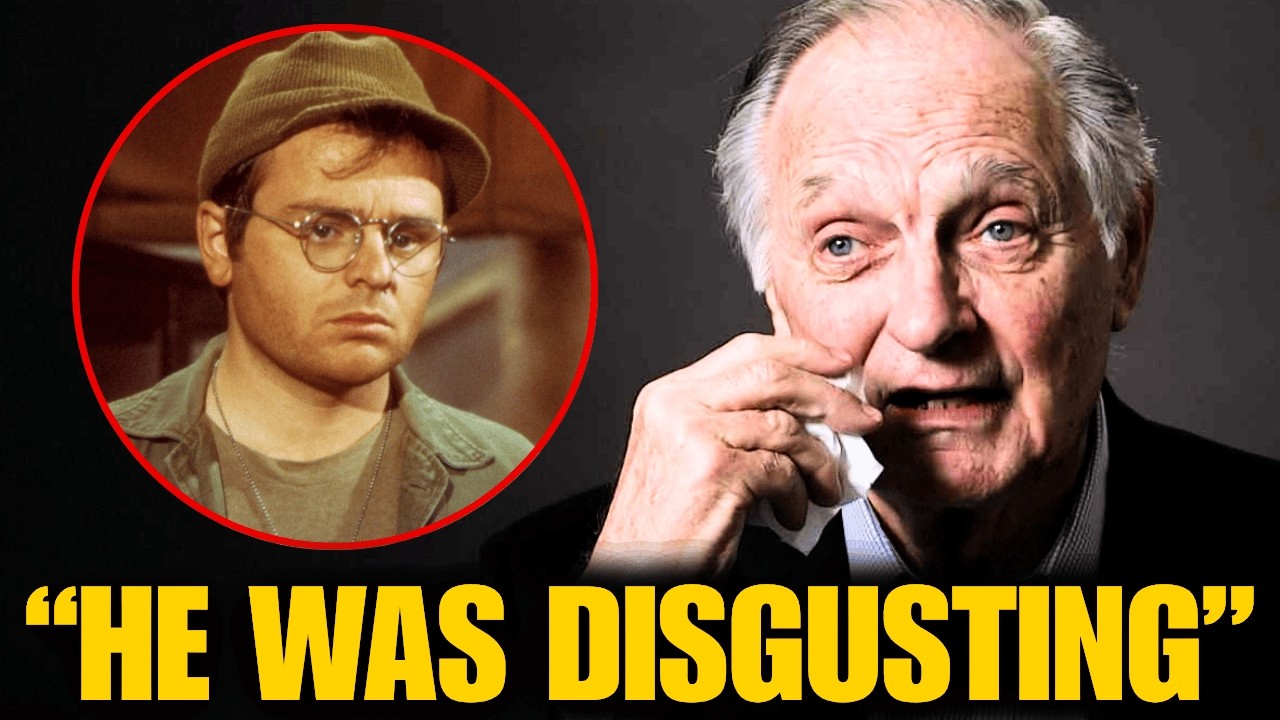
And perhaps the biggest surprise involves Gary Burghoff, the actor who played the lovable Radar O’Reilly — one of the most innocent and recognizable characters in the entire series.
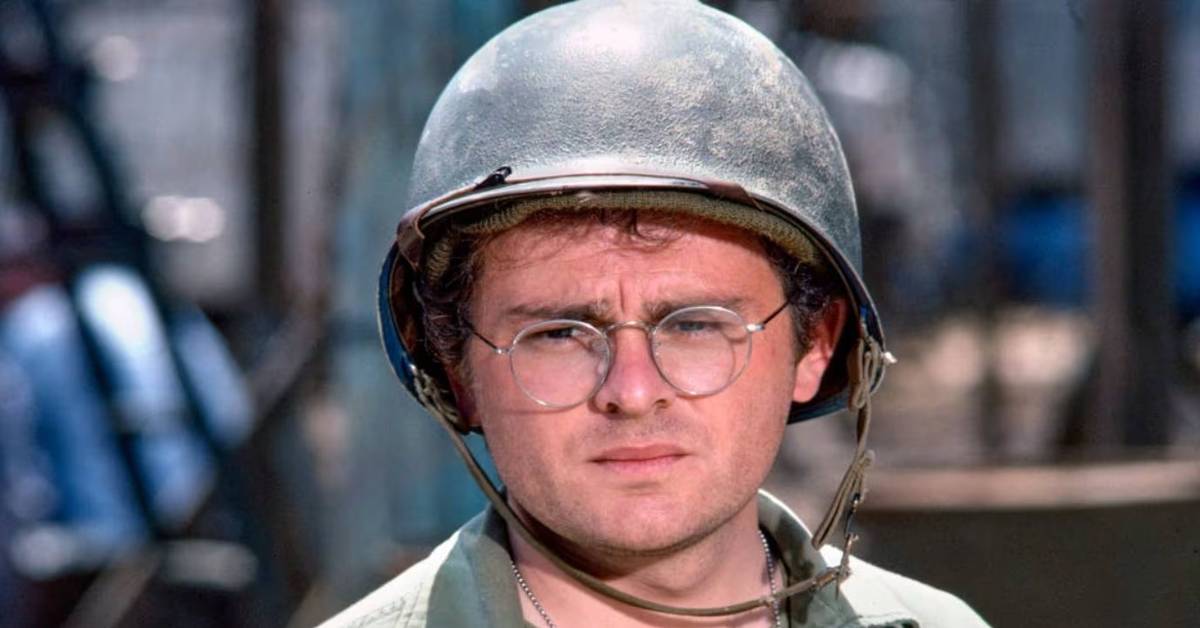
To audiences, Radar was the heart of the camp. He was the young company clerk with a teddy bear, an incredible memory, and a childlike innocence that made him one of the most cherished characters on television.
But according to behind-the-scenes accounts, Gary Burghoff’s relationship with some of his fellow cast members was far more complicated than viewers ever imagined.
The story of M*A*S*H began long before it became a television phenomenon. The series was adapted from the 1968 novel MASH: A Novel About Three Army Doctors, written by Dr. H. Richard Hornberger under the pen name Richard Hooker, along with co-author W.C. Heinz. The story was inspired by Hornberger’s own experiences as a surgeon during the Korean War and combined dark humor with the brutal realities of military medicine.
When the television adaptation arrived in 1972, few could have predicted what it would become. The producers wanted something different — a show that could make audiences laugh one moment and think deeply about war, humanity, and loss the next.
Writer Larry Gelbart was approached to create the pilot episode at a time when he had already stepped away from Hollywood life. Hoping to escape the pressure of the entertainment industry, he had moved to London. But when the opportunity to write M*A*S*H came along, he immediately recognized its potential.
According to the story, Gelbart wrote the pilot script in only two days.
The result changed television forever.
The series became famous for balancing comedy and tragedy, but that balance was not always easy. From the beginning, the creative team fought to protect the tone of the show. One of the biggest battles involved the use of a laugh track.
CBS wanted a traditional sitcom formula. At the time, nearly every comedy series used a canned audience reaction. But the creators of M*A*S*H believed their show was different.
They argued that a war drama about wounded soldiers, death, and emotional trauma should not be interrupted by artificial laughter.
Eventually, a compromise was reached. The laugh track would not be used during serious operating room scenes. Over time, it appeared less and less, until it disappeared completely in the final season.
That decision helped define what made M*A*S*H unique. It was never just a comedy.
It was a human story.
And much of that emotional depth came from the actors themselves.
Alan Alda, who played Captain Benjamin “Hawkeye” Pierce, became the face of the series. But Alda was not only an actor. He became deeply involved behind the camera, writing and directing numerous episodes, including the legendary finale.
His influence helped shape the identity of the show. He understood that M*A*S*H worked because it could move between humor and heartbreak without feeling unnatural.
But that creative involvement also created tension.
Not every actor felt equally heard.
Gary Burghoff, despite playing one of the show’s most recognizable characters, reportedly felt that he was not receiving the appreciation or creative recognition he deserved. As the series became more successful, those frustrations reportedly grew.
The tension was especially noticeable with some of the show’s leading performers.
Wayne Rogers, who played Trapper John McIntyre, was known for having strong opinions and a passionate personality. According to accounts surrounding the production, disagreements between Rogers and Burghoff became intense at times.
One reported incident claimed that during a heated moment on set, Rogers became so frustrated that he threw a chair toward Burghoff.
Whether viewed as a product of exhaustion, pressure, or personality differences, the story revealed something many fans never considered: even a beloved television family could experience serious conflict behind closed doors.
Another complicated relationship involved McLean Stevenson, who played Colonel Henry Blake.
Stevenson described his relationship with Burghoff as something close to a “love-hate” dynamic. He respected Burghoff’s talent and understood Radar’s importance to the show, but he also admitted that their personalities did not always work smoothly together.
“Sometimes I was a problem for him, and sometimes he was a problem for me,” Stevenson reportedly admitted.
It was not hatred.
It was the reality of working long hours under enormous pressure.
But the most complicated relationship may have been between Gary Burghoff and Alan Alda.
Alda had become the central creative force behind M*A*S*H. He was not only the lead actor but also one of the people shaping the direction of the series.
Burghoff, meanwhile, reportedly struggled with feeling overlooked.
Radar was beloved by audiences, yet Burghoff allegedly felt that his contributions were not always valued. That frustration sometimes affected his interactions with others on set.
Behind the scenes, the pressure of maintaining a hit television show for years created emotional exhaustion. Long filming schedules, constant script changes, and the expectations of millions of viewers could turn small disagreements into major conflicts.
Yet despite these tensions, the cast remained professional.
They understood that millions of people depended on the show.
And the result was television history.
One of the biggest examples of the show’s impact came with its final episode, “Goodbye, Farewell and Amen.”
When it aired in 1983, it became a cultural event unlike anything television had seen before. More than 100 million viewers watched the finale, making it one of the most-watched broadcasts in American television history.
Advertisers recognized the enormous audience. Commercial prices reached levels usually reserved for major sporting events.
But the success was not only about numbers.
The finale connected with viewers because it represented something deeper — the end of a journey with characters people had grown to love.
Over 11 seasons, audiences had laughed with them, cried with them, and watched them survive the impossible.
The irony was that the fictional Korean War lasted only a few years, while M*A*S*H remained on television for more than a decade.
But that was exactly why the show became so powerful.
It was never only about war.
It was about people.
The series explored friendship, trauma, morality, and the ways humans find humor even during the darkest moments.
Many viewers also never noticed the small secrets hidden throughout the show. Alan Alda famously wore the same style of hat connected to Donald Sutherland’s Hawkeye from the original 1970 film, creating a subtle connection between the movie and television versions.
Radar’s teddy bear, another iconic symbol, became one of the most memorable objects in television history. The simple prop represented innocence in a world filled with destruction. Years after the series ended, the bear was reportedly recovered and eventually returned to Gary Burghoff himself.
The show even contained small mistakes that slipped past audiences. Some episodes accidentally revealed production markers, modern objects, or details that did not belong in the 1950s setting.

These imperfections only added to the fascination surrounding the series.
Because behind every great television show is a human story.
A story filled with ambition.
A story filled with disagreements.
A story filled with people trying to create something unforgettable.
M*A*S*H succeeded because of its incredible talent, but also because its cast members brought real emotions, real personalities, and real struggles to the screen.
The conflicts behind the scenes did not destroy the show.
In some ways, they showed just how passionate everyone was about making it special.
Gary Burghoff may have played one of television’s gentlest characters, but his journey behind the camera was far more complicated than Radar O’Reilly’s innocent smile suggested.
And that may be the biggest secret of M*A*S*H:
The story behind the laughter was just as dramatic as the stories they told on screen.