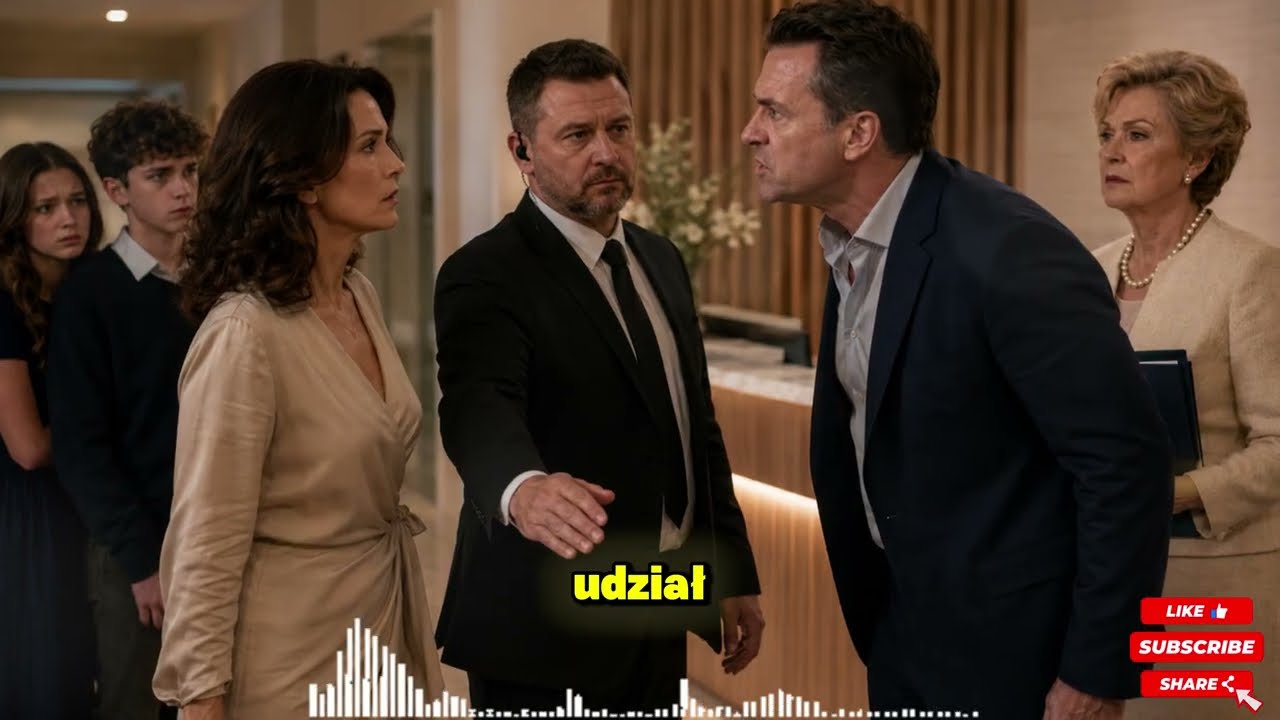
„Jutro o dziesiątej podpiszesz dokument u notariusza albo składam pozew o rozwód.”
Paweł wypowiedział te słowa podczas niedzielnego obiadu tak spokojnie, jakby prosił mnie o podanie pieprzu.
Nie krzyczał.
Nie groził.
Po prostu postawił przede mną ultimatum.
Moja córka Maja zamarła z widelcem w dłoni.
Mój syn Oskar przestał jeść i spojrzał najpierw na ojca, potem na mnie.
A Helena, moja teściowa, siedziała obok Pawła z granatową teczką na kolanach i uśmiechem osoby, która już uważała się za zwycięzcę.
Tylko oni nie wiedzieli jednej rzeczy.
Nie zamierzałam wybierać między oddaniem im mojego domu a rozwodem.
Miałam trzecią opcję.
I tego dnia zaczęłam odbierać im wszystko, co próbowali ukraść.
Mam na imię Ewa Kaczmarek.
Mam 52 lata.
Przez większość życia wierzyłam, że moje małżeństwo z Pawłem jest oparte na partnerstwie.
Poznaliśmy się młodo.
Był ambitny, inteligentny i miał ogromną energię.
Ja byłam bardziej spokojna.
Analityczna.
Zawsze lubiłam liczby, organizację i planowanie.
Mój ojciec często powtarzał, że właśnie dzięki temu charakterowi potrafię budować rzeczy, które przetrwają lata.
I miał rację.
Dom przy ulicy Różanej we Wrocławiu nie był zwykłą nieruchomością.
Był historią mojej rodziny.
Moi rodzice kupili starą, zniszczoną kamienicę, kiedy miałam 12 lat.
Przez lata remontowali ją własnymi rękami.
Pamiętam ojca spędzającego weekendy przy naprawach schodów.
Pamiętam matkę sadzącą kwiaty w ogrodzie.
To miejsce miało duszę.
Po ich śmierci odziedziczyłam budynek.
Na parterze stworzyłam centrum rehabilitacyjne „Równowaga”.
To był mój największy sukces.
Nie Pawła.
Mój.
Paweł otrzymał 40% udziałów w firmie.
Mój ojciec sam mu je zaproponował.
Wierzył, że mój mąż pomoże rozwijać klinikę.
Paweł został dyrektorem administracyjnym.
Miał dobrą pensję.
Premie.
Pozycję.
Ale z czasem zauważyłam coś niepokojącego.
Coraz częściej mówił o firmie tak, jakby była jego.
Coraz częściej mówił:
– Gdyby nie ja, to wszystko by upadło.
Nie odpowiadałam.
Myślałam, że to tylko duma.
Nie wiedziałam, że za tym kryje się coś znacznie gorszego.
Sześć miesięcy wcześniej Helena sprzedała swoje mieszkanie.
Powiedziała, że szuka mniejszego lokum.
Poprosiła, żeby zamieszkać z nami „na kilka tygodni”.
Zgodziłam się.
Była przecież matką mojego męża.
Ale kilka tygodni zamieniło się w miesiące.
A Helena zaczęła zachowywać się tak, jakby dom należał do niej.
Najpierw zajęła pokój gościnny.
Potem wyrzuciła moje książki z biblioteki.
– Potrzebuję miejsca na porcelanę – powiedziała.
Później zaczęła zapraszać znajome do mojego ogrodu.
Przedstawiała parter jako:
„rodzinną klinikę mojego syna”.
Kiedy zapytałam ją, kiedy planuje się wyprowadzić, tego samego wieczoru Paweł przestał ze mną rozmawiać.
A dwa tygodnie później usiadł ze mną przy stole.
I przedstawił swój plan.
– Mama dostanie dożywotnie prawo korzystania z całego piętra.
– Będzie miała dostęp do ogrodu.
– Dostanie 30% dochodów z gabinetów.
Patrzyłam na niego w milczeniu.
– To jest mój dom.
Poprawił mnie natychmiast.
– Nasz dom.
Pokręciłam głową.
– Budynek odziedziczyłam po rodzicach.
– Przez 21 lat pracowałem na jego wartość.
– Otrzymywałeś wynagrodzenie i udziały w firmie.
Helena odłożyła serwetkę.
– Wiedziałam, że kiedy przyjdzie prawdziwa próba, pokażesz swoją prawdziwą twarz.
Spojrzała na mnie z pogardą.
– Chcesz wyrzucić starszą kobietę na ulicę.
Zaśmiałam się cicho.
– Sprzedałaś mieszkanie za ponad milion złotych.
– Nie jesteś bezdomna.
Wtedy Paweł uderzył dłonią w stół.
Kieliszki zadźwięczały.
– Jutro o 10:00 jesteśmy u notariusza.
– Podpiszesz dokument albo kończymy małżeństwo.
Maja wstała.
– Tato, nie możesz zmuszać mamy do oddania domu rozwodem.
Paweł spojrzał na nią chłodno.
– Nie mieszaj się.
Wtedy zrozumiałam.
On nie wybrał tego obiadu przypadkowo.
Chciał świadków.
Chciał, żebym nie zrobiła sceny przy dzieciach.
Liczył, że jak zawsze wybiorę spokój.
Ale tym razem się pomylił.
Wyjęłam telefon.
Helena uśmiechnęła się.
Pewnie myślała, że zadzwonię po poradę albo zacznę przepraszać.
Wybrałam numer zapisany poprzedniego wieczoru.
– Dzień dobry, pani Doroto.
– Mówi Ewa Kaczmarek.
– Proszę rozpocząć przygotowaną procedurę.
Twarz Pawła natychmiast się zmieniła.
– Co ty robisz?
Nie patrzyłam na niego.
– Odwołuję wszystkie pełnomocnictwa udzielone Pawłowi Kaczmarkowi.
– Proszę również zabezpieczyć księgę udziałów, akt własności kamienicy i dokumenty spółki.
Zapadła cisza.
Paweł wstał gwałtownie.
– Rozłącz się!
Spojrzałam mu prosto w oczy.
– Nie wybieram między twoją matką a rozwodem.
– Wybieram trzecią opcję.
– Odbieram wam dostęp do mojego domu, firmy i podpisu, zanim zdążycie zrobić coś, czego nie da się odwrócić.
Helena pobladła.
Po raz pierwszy nie wyglądała jak pewna siebie kobieta kontrolująca sytuację.
Wyglądała jak ktoś, kto właśnie usłyszał, że sejf został zamknięty.
Kilka minut później przyniosłam dokumenty znalezione w drukarce Pawła.
Pierwszy był projekt umowy dla Heleny.
Ale kolejne strony były czymś zupełnie innym.
Pełnomocnictwo.
Pozwalające Pawłowi:
ustanawiać hipoteki,
sprzedawać moje udziały,
podpisywać umowy kredytowe,
przekazywać majątek spółkom powiązanym.
Na ostatniej stronie widniał mój podpis.
Tyle że nigdy go nie złożyłam.
– To tylko wersja robocza – powiedział Paweł.
– Dlaczego więc jest tam mój podpis?
Nie odpowiedział.
Bo prawda była prosta.
Próbowali przejąć mój dom i firmę.
Kilka godzin później zadzwoniła moja księgowa.
– Pani Ewo, system bankowy wysłał alarm.
– Jutro rano ma wyjść przelew na 680 tysięcy złotych.
– Dla kogo?
Zapadła cisza.
– Hestia Senior.
Zamarłam.
Firma Heleny.
Wtedy zrozumiałam cały plan.
Nie chodziło o pokój dla teściowej.
Nie chodziło o rodzinę.
Chodziło o przejęcie wszystkiego.
Mój dom.
Moją klinikę.
Moje pieniądze.
Ale popełnili jeden błąd.
Zapomnieli, że przez lata to ja zarządzałam finansami.
To ja znałam każdy dokument.
Każdy kontrakt.
Każdą procedurę.
Nie byłam kobietą, którą można zastraszyć rozwodem.
Byłam właścicielką firmy, którą próbowali ukraść.
Następne dni ujawniły prawdę.
Fałszywe dokumenty.
Podrobione pełnomocnictwa.
Nielegalne przelewy.
Ukryte umowy.
Helena i Paweł przygotowywali przejęcie miesiącami.
Chcieli wykorzystać nawet moje dzieci.
Próbowali zmusić Oskara do podpisania dokumentu, którego treści nie znał.
Chcieli stworzyć obraz kobiety niestabilnej, która nie potrafi zarządzać własnym majątkiem.
Nie udało im się.
Bo prawda zawsze zostawia ślady.
Nagrania.
Dokumenty.
Przelewy.
Błędy ludzi, którzy uwierzyli, że są sprytniejsi od wszystkich.
Dzisiaj „Równowaga” nadal działa.
Ale już na nowych zasadach.
Wprowadziłam podwójną kontrolę finansów.
Żadna jedna osoba nigdy więcej nie będzie miała pełnej władzy nad dokumentami i pieniędzmi.
Część pomieszczeń przeznaczyłam na bezpłatne konsultacje dla osób, które doświadczyły przemocy ekonomicznej.
Bo wiem, jak wygląda moment, kiedy ktoś próbuje przekonać cię, że nie masz prawa walczyć o własne życie.
Największym błędem Pawła było to, że pomylił moją cierpliwość ze słabością.
Przez lata pozwalałam mu mówić.
Decydować.
Kontrolować.
Ale kiedy próbował odebrać mi mój dom i moją rodzinę…
przestałam być cicha.
Nie wygrałam dlatego, że byłam silniejsza od nich.
Wygrałam dlatego, że w końcu przestałam pozwalać innym decydować o mojej wartości.
Bo czasami najlepsza odpowiedź na ultimatum nie brzmi „tak” ani „nie”.
Czasami brzmi:
„Nie wybieram żadnej z tych opcji. Wybieram siebie.”