Parte 1: L’annuncio a tavola
Sono Loredana Serra, ho trentaquattro anni e lavoro come consulente patrimoniale senior. Prima di andare avanti con questa storia, voglio che tu sappia che quello che stai per sentire è accaduto davvero.
Mia suocera mi guardò dritta negli occhi, seduta al mio stesso tavolo da pranzo, e mi disse che ero semplicemente un ospite in casa di suo figlio. Mi ordinò di raccogliere le mie cose e di trasferirmi nello scantinato grezzo, ancora da finire. Così sua figlia incinta e suo genero disoccupato potessero prendere possesso della camera da letto principale. Non aveva la minima idea che fossi io a pagare ogni singola cosa in quella casa, dal mutuo ai contributi per la sua assicurazione sanitaria integrativa. E allora sorrisi, acconsentii e nel giro di ventiquattro ore smontai pezzo per pezzo la loro intera realtà delirante, guardando il loro castello di illusioni crollare inesorabilmente.
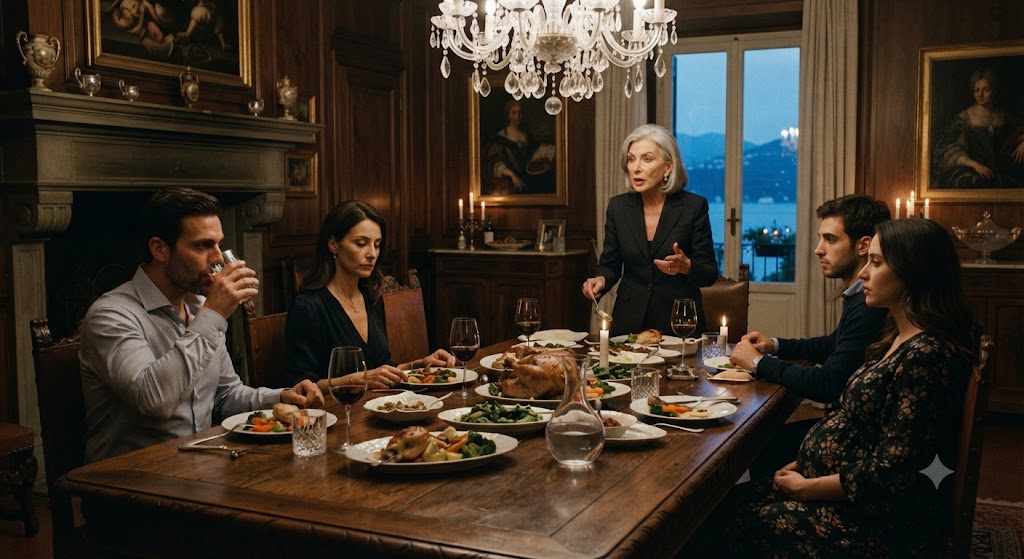
Il pollo arrosto era stato appena tagliato quando il suono di un coltello da burro d’argento che tintinnava contro il cristallo di un bicchiere da vino si propagò nel mio salone. Alzai lo sguardo dal piatto e vidi Ivana Pavan, mia suocera, in piedi a capotavola. Sul suo volto campeggiava quella smorfia compiaciuta che avevo imparato a temere nei cinque anni di matrimonio con suo figlio Marco.
Alla mia destra sedeva Marco, intento a far roteare lentamente il suo whisky nel bicchiere. Di fronte a me c’erano Nadia, la sorella minore di Marco, e accanto a lei il marito Dario Ferrini. Dario stava scorrendo lo schermo del telefono, ignorando come al solito il pranzo di famiglia, mentre Nadia si accarezzava con gesto teatrale il pancione appena accennato, emettendo un sospiro carico di dramma.
Ivana si schiarì rumorosamente la voce.
«Ho un annuncio importante da fare a tutta la famiglia», dichiarò con una dolcezza artefatta che stillava da ogni sillaba. «Come sapete, la nostra adorata Nadia aspetta un bambino. Il suo appartamento è decisamente troppo piccolo per una famiglia in crescita e Dario ha bisogno di uno spazio adeguato per espandere la sua attività di criptovalute. Pertanto si trasferiranno in questa casa entro la fine della settimana.»
Posai la forchetta lentamente, sentendo il cuore battere con un ritmo regolare sotto le costole. Guardai Marco, aspettandomi che correggesse sua madre. Dopotutto, questa era casa nostra. Marco, invece, tenne gli occhi fissi sul piatto, portandosi alla bocca un lungo sorso di whisky.
Mi rivolsi di nuovo a Ivana, mantenendo la voce perfettamente calma.
«Trasferirsi qui, Ivana? Non abbiamo camere da letto libere al piano di sopra. Le uniche stanze disponibili sono il mio studio professionale e la camera degli ospiti che al momento è piena dei miei archivi di lavoro.»
Ivana sbuffò, agitando la mano nell’aria come se stesse scacciando una mosca.
«Per favore, Loredana, non fare difficoltà. Non ti serve uno studio per il tuo noioso lavoretto d’ufficio. Passi le giornate a spostare scartoffie da una parte all’altra. Dario è un imprenditore vero e ha bisogno di quello spazio. Inoltre, tu e Marco cederete la camera matrimoniale a Nadia e Dario. Il bambino ha bisogno della nursery comunicante.»
Lo stupore mi bloccò per un attimo.
«Vuoi che lasci la mia camera da letto?», chiesi. «Dove dormiremo io e Marco esattamente?»
Ivana sorrise con cattiveria.
«Vi sposterete nello scantinato», disse. «Metteteci un tappeto sul cemento e non noterete quasi l’umidità.»
Una fredda ondata di incredulità mi investì.
«Ivana», risposi mantenendo la calma, «non mi trasferisco in uno scantinato grezzo in casa mia.»
L’aria nel salone si fece pesante e densa. Ivana sbatté il calice di cristallo sul tavolo di mogano.
«Casa tua!», gridò quasi. «Ascoltami molto attentamente, Loredana. Questa è la casa di mio figlio. Marco è il capo famiglia, il sostentatore. Lavora senza sosta come agente commerciale per permettersi questo splendido appartamento. Mentre tu te ne stai seduta a digitare su un computer. Non hai ancora dato un figlio a mio figlio in cinque anni di matrimonio. Non sei la padrona di questa casa. Sei soltanto un ospite che divide il suo letto. E come ospite farai esattamente quello che ti viene detto quando la famiglia vera ha bisogno di un tetto.»
Si chinò in avanti, puntandomi un dito con l’unghia curata direttamente in faccia.
«Non sei la donna di questa casa. Sei solo un ospite che divide il suo letto e come ospite farai esattamente quello che ti viene detto quando la famiglia vera ha bisogno di sistemazione. Quindi raccoglierai il tuo piccolo ufficio, sgombererai la camera matrimoniale e farai spazio alle persone che contano davvero.»
Nadia si intromise da oltre il tavolo con un sorriso compiaciuto.
«Onestamente, Loredana, è il minimo che puoi fare. Tanto paga tutto Marco. Stai praticamente vivendo qui gratis. Dovresti essere grata che ti lasciamo sedere a tavola.»
Dario sollevò finalmente lo sguardo dal telefono con un sorrisetto condiscendente.
«Non preoccuparti per i carichi pesanti, cognata. Assumerò qualcuno per portare i tuoi scatoloni di sotto. Non posso rischiare di farmi male alla schiena proprio prima di un lancio importante nel mondo delle cripto. Svuota le tue cose entro mercoledì.»
La sfrontatezza di Dario era sospesa nell’aria come una sentenza, mescolata all’odore del pollo arrosto che improvvisamente mi rivoltò lo stomaco. Non guardai Dario, non guardai Ivana né Nadia. I miei occhi erano puntati sull’uomo seduto alla mia destra: mio marito, l’uomo che aveva promesso di starmi accanto, di proteggere la nostra vita insieme.
Aspettai la battuta finale. Aspettai che Marco posasse il bicchiere, ridesse e dicesse a sua madre che aveva perso completamente il senno. Aspettai che le ricordasse che questa era casa nostra, il nostro rifugio, e che nessuno avrebbe preso il mio studio o mi avrebbe relegata in uno scantinato.
Invece Marco trovò le sue patate lesse improvvisamente affascinanti. Tenue la testa bassa, usando la forchetta per spostarle in piccoli cerchi nervosi sul piatto. Il silenzio si estese soffocante. L’unico suono era il pesante ticchettio del pendolo nell’ingresso.
«Marco», dissi. La mia voce era completamente calma, anche se le mie mani sotto il tavolo erano strette a pugno. «Hai qualcosa da dire a proposito?»
Marco trasalì al suono del suo nome. Smise di girare il cibo nel piatto, ma si rifiutò comunque di incontrare il mio sguardo. Fissò il centrotavola, poi la saliera, ovunque tranne che sua moglie. Si schiarì la voce, sistemandosi il colletto come se la stanza fosse diventata improvvisamente troppo calda.
«Beh, Loredana», cominciò con una voce meschina e fioca. «In un certo senso la mamma ha ragione. Nadia è incinta, stanno attraversando un momento difficile e Dario ha quel grande progetto con le criptovalute. Ha bisogno di uno spazio sicuro e dedicato per i suoi server. Il tuo studio ha la migliore ventilazione della casa.»
Lo fissai, lasciando che le sue parole si sedimentassero.
«Vuoi che rinunci al mio spazio di lavoro per un’impresa di criptovalute fantasma?», chiesi avvicinandomi leggermente a lui. «E vuoi che dorma in uno scantinato non finito?»
Marco sospirò rumorosamente, passandosi una mano tra i capelli con un gesto di stanchezza esagerata. Alla fine mi guardò e nei suoi occhi non c’era nessuna scusa, soltanto irritazione.
«Su, Loredana, per favore, non trasformare questa cosa in un dramma. Il tuo lavoro è fatto quasi tutto di telefonate e fogli di calcolo. Puoi farlo dall’isola della cucina o dallo scantinato. Non è come se facessi lavori manuali pesanti. Questo fine settimana vado al negozio di bricolage e compro un bel tappeto spesso per il pavimento. Ti procuro anche una stufetta. Sarà accogliente.»
Ivana lanciò una risata trionfante e tagliente dall’altra parte del tavolo.
«Vedi, Loredana? Anche tuo marito conosce il tuo posto. Una buona moglie fa sacrifici per la famiglia senza fare scenate infantili.»
Nadia si aggiunse al momento giusto, infilando in bocca un boccone di pollo.
«Onestamente non capisco perché tu sia così egoista. Stiamo per avere un bambino. Dovresti essere entusiasta di aiutarci. Ma del resto, dato che non sei mai stata madre, immagino ti manchino quegli istinti.»
Marco non mi difese da sua madre, non mi difese da sua sorella. Si voltò invece verso di me con un’espressione severa, parlandomi sottovoce in modo che solo il tavolo potesse sentirlo.
«Smettila di fare la drammatica, Loredana. Mi stai mettendo in imbarazzo davanti alla mia famiglia. Sii collaborativa per una volta. Prendi lo scantinato. È solo temporaneo. Finché Dario non diventa milionario e non si compra la sua villa. Fallo e basta.»
In quell’esatto momento una strana e profonda chiarezza mi investì. Per cinque anni avevo sorretto quest’uomo, avevo saldato i suoi debiti segreti, finanziato il suo stile di vita e sorriso attraverso il disprezzo incessante della sua famiglia perché credevo nel nostro matrimonio. Ma guardandolo adesso, un uomo debole e meschino che cercava di sembrare davanti alla madre, capii di non dovergli assolutamente niente.
Il matrimonio era morto. L’illusione era svanita. L’intero tavolo mi fissava in attesa del crollo inevitabile. Si aspettavano le lacrime, si aspettavano una lite fragorosa, volevano che me ne andassi di casa in modo drammatico, così da potermi definire instabile.
Non gliela diedi questa soddisfazione. Non piansi. Il mio battito rallentò e una sensazione di serena lucidità si depositò nel mio petto. Presi il bicchiere di cristallo, lo tenni per un istante alla luce prima di sorseggiarlo lentamente. Poi lo riposi con delicatezza sul tavolo e mi asciugai la bocca con il tovagliolo di lino. Guardai Marco, poi Ivana e infine offrii a entrambi un sorriso brillante e sereno.
«Va bene», dissi dolcemente. «Sposterò le mie cose stanotte.»
Parte 2: Lo smontaggio silenzioso
Il lunedì mattina arrivò con un silenzio pesante e soffocante. Erano le cinque e il sole non era ancora sorto sul vialetto del nostro quartiere residenziale. Al piano di sopra la casa era completamente silenziosa. Marco russava profondamente, del tutto ignaro del fatto che il suo intero mondo stava per sgretolarsi. In fondo al corridoio, Ivana stava probabilmente sognando i suoi pranzi al circolo del golf, uno stile di vita finanziato interamente dalla donna che aveva appena umiliato.
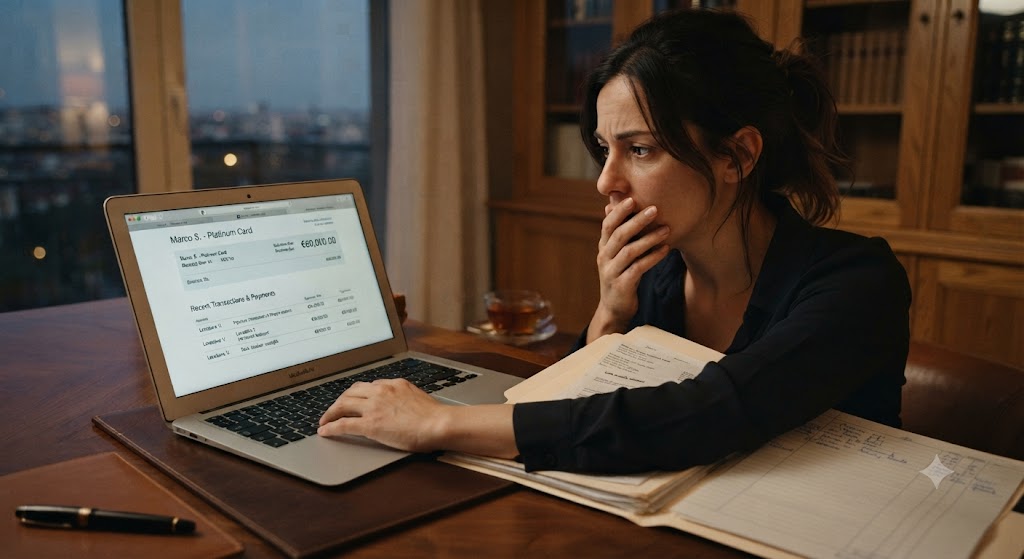
Scivolai fuori dal letto, lasciandomi dietro le lenzuola fredde, e percorsi il corridoio fino al mio studio professionale. Era la stanza che volevano strapparmi perché Dario potesse farci girare il suo pseudo-impero di criptovalute. Entrai e chiusi la porta in silenzio. Mi sedetti sulla mia poltrona ergonomica in pelle, passando le mani sulla superficie fresca della scrivania in mogano che avevo acquistato con il mio primo grande bonus annuale. Aprii il laptop. Lo schermo illuminò la stanza buia, proiettando un nitido bagliore blu sul mio viso.
Per anni ero stata la rete di sicurezza finanziaria invisibile di questa famiglia. Grazie al mio elevato stipendio da consulente patrimoniale, Marco mi aveva convinta a collegare il mio conto corrente principale a tutte le utenze della casa. Sosteneva che fosse più comodo così. Prometteva di trasferirmi la sua metà delle spese ogni mese, una promessa che aveva opportunamente dimenticato nel momento in cui mi aveva messo l’anello al dito. Ma quel giorno la generosità aveva ufficialmente chiuso i battenti.
Accedetti al portale del gestore dell’energia elettrica. Andai direttamente alla sezione di fatturazione, cliccai sulle impostazioni di pagamento automatico e premetti «elimina». Feci la stessa cosa per la bolletta dell’acqua e per quella del gas. Poi toccò alla connessione internet ad alta velocità. Dario si vantava continuamente dei suoi enormi server per le criptovalute che richiedevano una larghezza di banda enorme. Senza la mia connessione in fibra ottica, la sua intera operazione sarebbe rimasta completamente a secco. Sorrisi mentre rimuovevo i dati della mia carta di credito dal portale del provider. Le utenze erano tecnicamente intestate a Marco, ma era il mio denaro che teneva le luci accese. Avrebbe scoperto come pagare i saldi arretrati quando i periodi di tolleranza fossero scaduti.
Poi navigai al portale dell’assicurazione sanitaria integrativa. Due anni prima Ivana aveva versato lacrime di coccodrillo nella nostra cucina, sostenendo che la sua pensione non bastava a coprire la sua costosa polizza medica. Marco mi aveva supplicata di aiutarla temporaneamente. Quel «temporaneamente» si era trasformato rapidamente in ventiquattro mesi di addebiti automatici sul mio conto. Ivana insisteva sul piano di massima copertura per poter frequentare specialisti esclusivi e farsi rimborsare parzialmente i trattamenti estetici. Navigai alle impostazioni di pagamento, scollegai il mio conto e cancellai ufficialmente il rinnovo della polizza. Ivana avrebbe avuto una conversazione molto interessante con la receptionist al suo prossimo appuntamento di dermatologia di lusso.
Poi venne il peso più gravoso di tutti. Aprii il portale bancario della carta di credito Platinum segreta di Marco. Sessantamila euro di debiti mi fissarono dallo schermo. Marco adorava atteggiarsi a dirigente commerciale di alto livello. Si pavoneggiava al circolo, comprava magnum costose e indossava abiti su misura per fare colpo sulla madre. Dietro le quinte stava annegando. Quando avevo scoperto il debito un anno prima ero furiosa, ma avevo cominciato silenziosamente a ridurlo di tremila euro al mese per proteggere il nostro merito creditizio coniugale. Non più. Cancellai il pagamento programmato, scollegai il mio conto completamente, lasciai quel saldo enorme lì, grezzo e con interessi che si accumulavano a ritmo aggressivo.
A ogni click del mouse sentivo un peso letterale sollevarsi dalle mie spalle. Mi stavo districando da un nido di parassiti. Verificai i miei conti personali per assicurarmi che tutto fosse al sicuro. Il mio fondo di emergenza era solido, i miei investimenti erano blindati e il mio denaro era finalmente mio. Chiusi il laptop sentendo una strana ed esaltante euforia. Volevano che fossi solo un ospite. Ebbene, un ospite non paga il mutuo, le utenze né i debiti del proprietario di casa.
Mi guardai intorno nello studio: i monitor di fascia alta, i server sicuri che usavo per i miei facoltosi clienti, i tappeti d’antiquariato e i dipinti originali sulle pareti. Se Nadia e Dario stavano per portare le loro cose in questa casa entro la fine della settimana, non avevo alcuna intenzione di lasciare i miei oggetti di valore incustoditi vicino a un uomo che non aveva avuto un impiego stabile da tre anni.
Erano le sette. Presi il telefono e chiamai un numero che avevo salvato per i traslochi aziendali di lusso. Una voce allegra rispose al secondo squillo.
«Buongiorno», dissi con voce nitida e professionale. «Ho bisogno di un servizio di trasloco urgente per oggetti di alto valore a partire dalle nove di stamattina. Sì, devo solo spostare le attrezzature del mio studio e il mio guardaroba personale in un deposito climatizzato e sicuro. E per favore, portate il camion più grande che avete.»
Entro le dieci del mattino i facchini professionali avevano svuotato completamente il mio studio. Imballarono i monitor costosi, la sedia ergonomica, i tappeti d’antiquariato e ogni capo di abbigliamento firmato che possedevo con precisione chirurgica, caricando tutto su un furgone anonimo diretto a un deposito sicuro. Rimasi nella stanza vuota. Le leggere impronte sulla moquette erano l’unica prova che ci avessi mai lavorato. Scesi in cucina, mi versai una tazza di caffè e aspettai.
Parte 3: L’arrivo e il crollo
Non dovetti aspettare a lungo. A mezzogiorno esatto, il rumore assordante di un furgone a noleggio giunse lungo il vialetto tranquillo del quartiere. Si parcheggiò di traverso, bloccando metà del cancello. Subito dopo arrivò una Tesla bianca immacolata. Lo sportello del guidatore si aprì di scatto e Dario ne uscì fuori. Era vestito come se andasse a una serata VIP invece di traslocare scatole: una maglietta griffata attillata, vistose catene d’oro e occhiali da sole che facilmente costavano mille euro. Girò intorno alla macchina per aprire la portiera a Nadia, che scese tenendosi la schiena e sospirando come se avesse appena completato una maratona.
Ivana si precipitò fuori dalla porta principale, spingendomi quasi da parte sul portico per correrle incontro.
«Oh, tesoro mio, devi essere esausta. Entra e riposati. Dico a Marco di prepararti un tè alle erbe.»
Dario aprì il bagagliaio della sua Tesla e tirò fuori un singolo piccolo scatolone. Alzò lo sguardo, mi vide in piedi sul portico con la mia tazza di caffè e sogghignò.
«Guarda chi ha deciso di restare», gridò con una voce abbastanza alta da farsi sentire dai vicini. «Visto che non stai facendo niente di utile, cognata, perché non ti rendi utile? Prendi quella scatola pesante di stoviglie dal fondo del camion e stai attenta quando passi vicino alla mia macchina. Non voglio graffi sulla vernice.»
Feci un lento sorso di caffè, sentendo il liquido caldo scendermi in gola. Guardai la scatola, poi di nuovo Dario.
«Grazie, passo», risposi con calma.
Dario scoppiò in una risata dura e beffarda, scosse la testa e guardò Marco che era appena uscito a dare una mano.
«Hai sentito, Marco? Tua moglie si prende un giorno libero. Da cosa esattamente? Dallo stare seduta sul divano. Onestamente, Loredana, sei stata una parassita in questa casa per anni. Adesso che arriva la famiglia vera, hai finalmente l’occasione di guadagnarti il tuo posto e non riesci nemmeno a portare una singola scatola. È patetico.»
Marco arrossì, ma non disse assolutamente nulla in mia difesa. Si avvicinò semplicemente al camion e cominciò a trasportare scatole con le spalle curve in un gesto di resa. Sorrisi dolcemente a Dario.
«Sono sicura che un imprenditore di successo nel settore delle crypto come te riesca a gestire qualche scatola di cartone.»
Poi mi voltai sui tacchi e rientrai in casa.
Nelle due ore successive la casa fu un caos di stivali pesanti, urla e mobili che stridevano sul pavimento. Dario impartiva ordini come un generale, dirigendo in particolare i facchini perché maneggiassero con cura i suoi enormi rack di server. Erano i gioielli della corona della sua presunta fortuna: telai metallici imponenti pieni di schede grafiche e processori di fascia alta. Li fece installare al centro della camera da letto principale, spingendo i miei mobili rimasti nel corridoio per fare spazio.
«Ho bisogno della massima ventilazione e di corrente ininterrotta», annunciò Dario ad alta voce a chiunque volesse ascoltarlo, asciugandosi il sudore finto dalla fronte. «Queste macchine minano ventiquattro ore su ventiquattro. Sono le mie galline dalle uova d’oro. Stiamo parlando di reddito passivo che ripagherà questo immobile intero nel giro di un anno.»
«Prego, Dario. Sei una benedizione per questa famiglia», borbottò Ivana battendo le mani.
Dario si pavoneggiò verso i rack di server, collegò teatralmente i cavi di alimentazione alle prese a muro e avviò il laptop. Le sue dita volavano sulla tastiera con arroganza studiata. Cliccò il tasto di connessione per sincronizzare i server alla rete, poi si fermò, si accigliò, cliccando ancora e ancora. Prese il telefono agitandolo in aria.
«Ehi, qual è la nuova password del Wi-Fi?», gridò. «I miei server non trovano la rete. Il router non trasmette.»
Ivana entrò nella stanza con un’espressione confusa.
«Non abbiamo una nuova password. Dovrebbe essere la stessa di sempre. Marco, hai staccato il router?»
Marco scosse la testa alzando lo sguardo da una scatola di vestiti.
«No, il router è collegato lì.»
Dario fissò lo schermo del laptop, il suo fare sicuro che evaporava rapidamente. Un messaggio d’errore rosso brillante lampeggiò sul monitor: «Nessuna connessione internet rilevata». Cominciò a digitare freneticamente, il respiro sempre più affannoso.
«No, no, questo non può succedere. Ho una scadenza per il mining pool tra venti minuti. Se non mi connetto, perdo le ricompense del blocco per tutta la settimana. Significa migliaia di euro.»
Dario si voltò di scatto, gli occhi che si puntavano su di me mentre me ne stavo appoggiata allo stipite della porta.
«Loredana!», esigette con la voce spezzata dal panico. «Cosa c’è che non va con internet? Sistemalo subito.»
Presi l’ultimo sorso del mio caffè, l’espressione completamente impenetrabile.
«Non ne ho idea, Dario. Ho disdetto il mio contratto stamattina. Come hai detto tu, sono solo una parassita. Immagino che dovrete comprarvi la vostra connessione.»
Dario stava ancora urlando contro il suo schermo vuoto nella camera da letto quando la pesante porta d’ingresso in rovere si spalancò con uno schianto assordante. L’intera casa sembrò tremare. Passi pesanti e veloci risuonarono sul pavimento di legno dell’ingresso. Ivana irruppe in cucina con il viso chiazzato di un rosso furioso. Stava tremando di rabbia, il respiro che le arrivava in brevi sbuffi affannosi. Aveva le mani completamente vuote, cosa insolita per le sue abituali spedizioni al mercato gastronomico artigianale del centro.
Me ne stavo accanto al lavandino a sciacquare con calma la tazza del caffè. Non trasalii nemmeno quando marciò dritta verso l’isola della cucina e vi scaraventò sopra la sua borsa di pelle griffata.
«Loredana, cosa hai combinato?», strillò Ivana, la sua voce che riecheggiava nitida sui soffitti alti. «Ho appena vissuto l’esperienza più umiliante della mia intera vita. Avevo un carrello pieno di formaggi francesi importati, di prosecco biologico e di costata di manzo per la cena di benvenuto stasera e quando sono andata a pagare la mia carta è stata rifiutata. Rifiutata davanti a metà del vicinato!»
Chiusi il rubinetto e mi asciugai lentamente le mani su un tovagliolo.
Parte 4: La verità e lo sfratto
Nei giorni successivi tutto crollò. Le bollette dell’energia, dell’acqua e del gas arrivarono intestate a Marco, con saldi arretrati che lui non poteva pagare. La polizza sanitaria di Ivana fu sospesa. La carta di credito Platinum di Marco cominciò a generare solleciti aggressivi. I server di Dario rimasero spenti. Nadia piangeva. Ivana urlava. Marco beveva.
Io restai calma. Avevo già trasferito i miei beni di valore. Avevo già protetto i miei conti. E, soprattutto, avevo l’atto di proprietà della casa. Era intestata a me. Solo a me. Marco non figurava nemmeno come comproprietario. Avevo comprato l’immobile prima del matrimonio, con i miei soldi, e non avevo mai accettato di intestarlo congiuntamente.
Quando finalmente rivelai la verità, in presenza del mio avvocato e con i documenti pronti, il silenzio che calò fu più eloquente di qualsiasi grido. Ivana impallidì. Marco balbettò. Dario tentò di bluffare. Non funzionò.
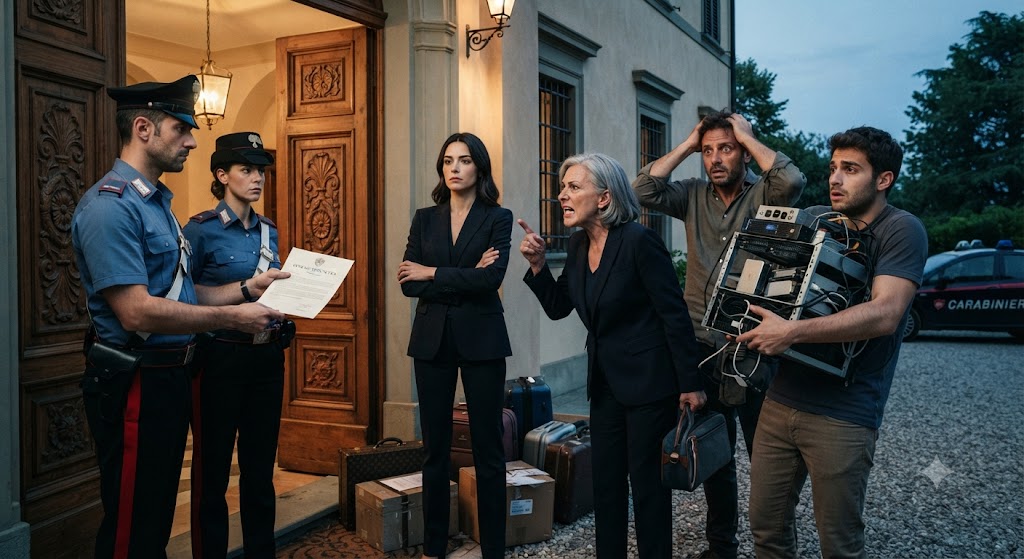
Seguì lo sfratto. Legale, impeccabile, documentato. I carabinieri furono presenti il giorno dell’esecuzione. Ivana cercò di fare scena. Marco piangeva. Dario sparì con i suoi server inutili. Nadia se ne andò in lacrime. Nel giro di poche ore la casa tornò silenziosa.
Il divorzio fu rapido. Il mio avvocato, specializzata in diritto patrimoniale familiare, gestì tutto con precisione chirurgica. Marco tentò di contestare, ma non aveva basi. La separazione dei beni era chiara. I debiti erano suoi. La casa era mia.
Parte 5: La ricostruzione
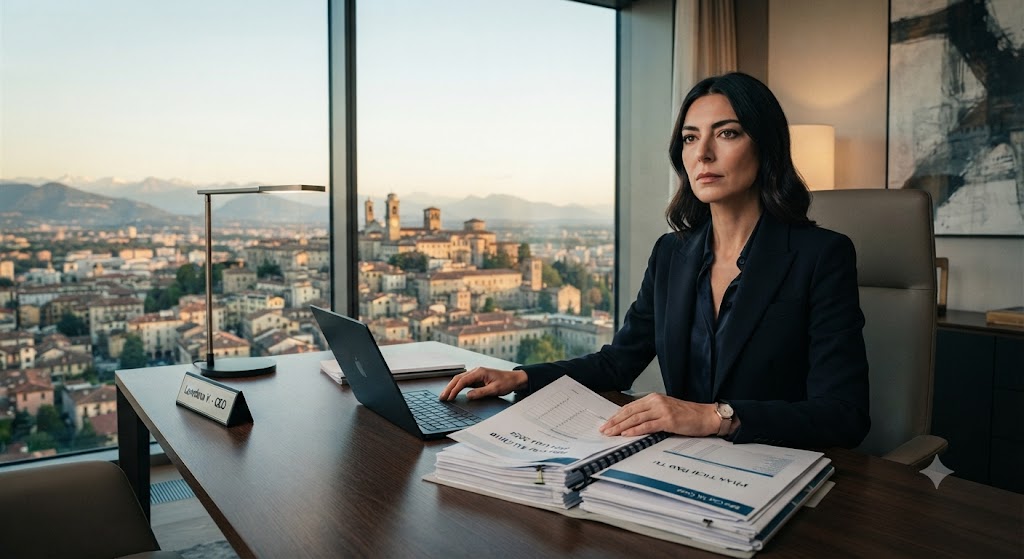
Nei mesi successivi ricostruii. Vendetti la casa di Sirmione dopo averla ristrutturata con cura. Il profitto andò direttamente nei miei investimenti. Presi un nuovo ufficio a Bergamo, al quarantesimo piano, grande, silenzioso, con luce naturale. Nessuno entrava senza bussare. Nessuno commentava le mie scelte. Nessuno si aspettava che abbassassi la voce o nascondessi il successo.
Ripresi a frequentare le mostre d’arte. Ripresi a cucinare con calma nei fine settimana. Rilessi i libri che avevo comprato e mai aperto. Piccole abitudini che durante il matrimonio erano diventate impossibili.
Circa un anno dopo ricevetti una proposta da una società di gestione patrimoniale di Lugano. Cercavano qualcuno con competenza tecnica e comprensione diretta delle dinamiche di potere quando il denaro si intreccia con le relazioni affettive. Accettai un incontro. Poi rifiutai l’offerta di un ruolo dipendente e proposi invece di collaborare come consulente esterna. Accettarono. Era meglio per tutti. Soprattutto per me: restavo libera.
Una sera, mesi dopo lo sfratto, tornai di notte davanti alla casa di Sirmione. Non entrai. Guardai solo la facciata illuminata dalla luna. Pensai a tutte le mattine in cui mi ero alzata presto per lavorare prima che gli altri si svegliassero. Pensai a tutte le sere in cui avevo trasferito fondi e saldato debiti per proteggere una realtà che solo io capivo. Pensai a quella domenica a pranzo, al click del coltello sul cristallo, alla voce di Ivana.
E poi pensai a una cosa molto semplice. Quella casa non era mai stata mia nel senso in cui avevo sperato che lo fosse. Non perché non ne fossi la proprietaria legale, ma perché un posto diventa davvero tuo solo quando le persone che ci vivono con te ti permettono di esserci pienamente, senza chiederti di comprimerti, di nascondere, di giustificare.
Me ne andai dopo qualche minuto. Guidai verso Bergamo nella notte vuota. Non piansi. Non ero triste. Ero, in modo inaspettato e pulito, libera.
La libertà, ho scoperto, non assomiglia a quello che ci insegnano nei film. Non è un momento di trionfo con la musica in crescendo. È molto più quieta. Assomiglia a una mattina in cui ti svegli senza il peso sul petto che hai portato così a lungo da aver dimenticato com’era non averlo. Assomiglia a fare la spesa senza calcolare quanto i tuoi acquisti possano essere commentati. Assomiglia a firmare un documento sapendo che riflette esattamente quello che hai deciso, senza mediazioni, senza compromessi al ribasso.
Mi chiamo Loredana Serra. Una volta mi hanno detto che ero soltanto un ospite in casa mia. Adesso sono la proprietaria di ogni spazio in cui scelgo di entrare. Non nel senso dell’atto notarile. In quello che conta di più.