PARTEA 2
În dimineața următoare, am făcut ceea ce făcusem toată viața mea.
Am căutat adevărul în documente.
Nu în povești.
Nu în promisiuni.
Nu în ceea ce oamenii spuneau că s-a întâmplat.
În acte.
Pentru că după 35 de ani în mentenanță și după o viață în care am reparat lucruri stricate, știam ceva simplu:
Dacă ceva nu funcționează, trebuie să găsești unde s-a rupt.
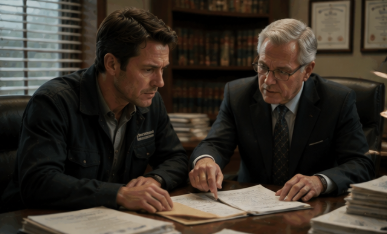
Am angajat un avocat pe nume Robert Vance.
Mark de la bancă mi-l recomandase.
Când am intrat în biroul lui din Kansas City, aveam în mână doar câteva foi.
Un nume.
Un trust.
O sumă imposibilă.
Robert a citit documentele în liniște.
Apoi a spus:
„Domnule Mercer, partea ciudată este că trustul pare perfect legal.”
Am ridicat privirea.
„Atunci de ce nu am știut nimic?”
A deschis un alt dosar.
„Asta este întrebarea corectă.”
În următoarele ore, Robert a început să reconstruiască ultimii opt ani.
Bunicul meu, Harold Mercer, murise în 2018.
Crease un trust irevocabil.
Eu eram beneficiarul unic pe viață.
Totul fusese făcut corect.
Problema nu era trustul.
Problema era notificarea.
Sau mai exact, lipsa ei.
Documentele arătau că cineva încercase să mă contacteze.
Dar toate scrisorile fuseseră trimise la adrese greșite.
Adrese unde nu mai locuisem de ani.
Semnături care ar fi trebuit să fie ale mele apăreau pe documente.
Dar nu erau ale mele.
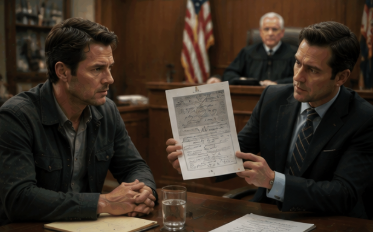
Robert a pus o copie în fața mea.
„Aceasta este confirmarea de primire.”
Am privit semnătura.
Am râs amar.
„Nu am semnat niciodată asta.”
A dat din cap.
„Știu.”
Apoi a venit partea cea mai grea.
Cine fusese responsabil?
Executantul succesiunii.
Persoana care trebuia să se asigure că toți beneficiarii erau informați.
Numele lui era Richard Mercer.
Tatăl meu.
Am simțit un gol în stomac.
Nu voiam să cred.
Dar documentele erau acolo.
Tatăl meu spusese tuturor că dispărusem.
Că nu puteam fi găsit.
Că nu mai aveam legătură cu familia.
Dar eu locuisem în același oraș.
Avusesem același număr de telefon.
Plătisem taxe.
Muncisem.
Nu dispărusem.
Fusesem șters.
Robert a continuat investigația.
A descoperit ceva și mai dureros.
Bunicul meu nu doar că îmi lăsase bani.
Îmi lăsase ceva personal.
Înainte să moară, modificase trustul.
A adăugat un mesaj.
„David nu mi-a cerut niciodată nimic. A fost lângă mine când ceilalți erau prea ocupați. Caracterul valorează mai mult decât sângele.”
Am recitit fraza de mai multe ori.
Pentru că era exact bunicul pe care îl știam.
Nu fusese niciodată impresionat de bani.
Îl interesa cine rămânea lângă el când nu avea nimic de oferit.
Apoi Robert a găsit o altă piesă.
Investigația nu mai părea doar despre tatăl meu.
Fratele meu, Thomas, era implicat.
Documente.
Formulare.
Inițiale.
Mai multe acte fuseseră pregătite de cineva care înțelegea foarte bine procedurile legale.
Robert nu voia să acuze fără dovezi.
Dar mi-a spus:
„Cred că nu ai fost doar ignorat.”
„Ai fost împiedicat intenționat să afli.”
Am decis să nu îi confrunt imediat.
A fost cea mai grea decizie.
Tot ce voiam era să merg la casa tatălui meu.
Să pun documentele pe masă.
Să întreb:
„De ce?”
Dar Robert m-a oprit.
„Dacă mergi acum, ei vor ști că știi.”
„Și?”
„Și vor avea timp să pregătească următoarea minciună.”
Avea dreptate.
Pentru prima dată după mult timp, trebuia să am răbdare.
Patru luni au trecut.
Nu am cheltuit niciun ban din trust.
Am continuat să lucrez.
Am reparat lucruri la o biserică locală.
Schimbam becuri.
Reparam uși.
Tundeam iarba.
Oamenii de acolo nu știau că aveam milioane.
Și nu conta.
Pentru că nu banii mă făcuseră omul care eram.
Apoi am primit o invitație.
O nuntă.
Fiica lui Thomas se căsătorea.
Emma.
După opt ani în care familia mea se comportase ca și cum nu existam, acum eram invitat.
Pe invitație scria:
„Familia trebuie să fie împreună în momente importante.”
Aproape am râs.
Familie.
Un cuvânt pe care ei îl foloseau doar când le convenea.
Am dus invitația lui Robert.
El a citit-o și a zâmbit.
„Vor să vadă dacă ești încă același David.”
„Și sunt?”
„Nu.”
Nunta a avut loc într-un club elegant lângă Branson.
Am ajuns cu vechiul meu Ford Escape.
În parcare erau Mercedesuri.
Porsche-uri.
Mașini care costau mai mult decât casa mea.
Am intrat cu un sacou vechi și pantofii pe care îi lustruisem cu o seară înainte.
Nu încercam să impresionez pe nimeni.
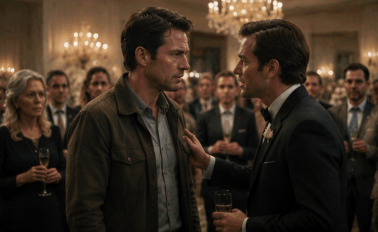
Thomas m-a văzut primul.
A venit spre mine cu brațele deschise.
„David.”
Zâmbea.
Dar ochii lui erau reci.
„Nu mă așteptam să vii.”
Am răspuns:
„Am fost invitat.”
A râs ușor.
„Mă întrebam dacă îți permiți drumul.”
Am zâmbit.
„Și eu mă întrebam dacă voi fi primit.”
Pentru o secundă, expresia lui s-a schimbat.
Apoi și-a pus din nou masca.
În timpul recepției am întâlnit-o pe mătușa mea Carol.
Sora bunicului meu.
S-a uitat lung la mine.
Apoi a spus:
„Ai ochii lui Harold.”
Am zâmbit.
„Așa mi se spune.”
Ea a scuturat capul.
„Nu. Astăzi chiar îi ai.”
Nu am înțeles.
Până când a continuat.
„David, bunicul tău te-a căutat înainte să moară.”
Am simțit că nu mai aud nimic.
„Ce?”
„A întrebat de tine.”
Mi-am ținut respirația.
„I s-a spus că nu vrei nimic de-a face cu familia.”
Am simțit o durere veche revenind.
Bunicul meu nu mă uitase.
Crezuse că eu îl abandonasem.
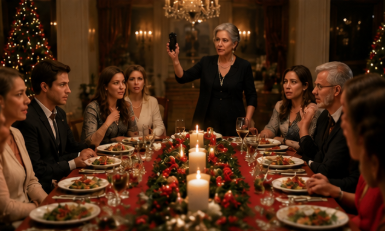
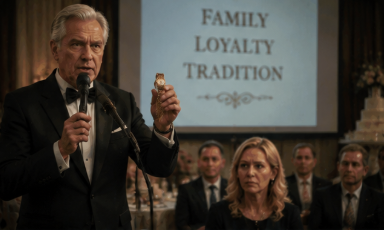
Mai târziu, tatăl meu a urcat pe scenă.
A vorbit despre familie.
Despre loialitate.
Despre cum familia trebuie să rămână unită.
Aproape că am râs.
Pentru că fiecare cuvânt era opusul adevărului.
Apoi Thomas a făcut un toast.
Și atunci am văzut ceva.
Un ceas de aur.
La mâna lui.
Ceasul bunicului meu.
Îl recunoșteam.
Avea o zgârietură mică lângă mecanism.
Eu o făcusem când aveam 12 ani.
Harold râsese atunci.
„Acum are o poveste.”
Thomas purta acel ceas ca și cum îi aparținuse mereu.
Am vrut să merg la el.
Să îl confrunt.
Să îl întreb de ce.
Dar mi-am amintit de Robert.
Adevărul înainte de furie.
Așa că am plecat.
Când am ajuns acasă, am găsit un plic alb lângă ușă.
Fără nume.
Fără adresă.
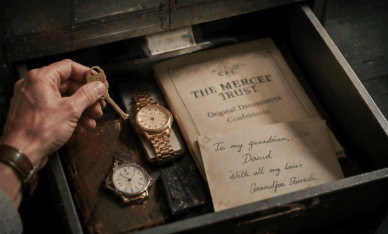
Înăuntru era o cheie de alamă.
Și o etichetă:
Casetă de valori 311 – Ozark Federal Savings.
Am ținut cheia în palmă.
Cineva îmi trimisese următoarea piesă din puzzle.
Și, pentru prima dată, am avut senzația că cineva din familie nu încerca să mă distrugă.
Încerca să mă ajute.
A doua zi, Robert a venit cu mine la bancă.
Caseta 311 nu fusese deschisă de ani.
Înăuntru erau patru lucruri:
Un plic mare.
Un jurnal vechi.
Un reportofon.
Și un ceas de aur.
Același ceas pe care Thomas îl purta la nuntă.
Am înțeles imediat.
Cel de la Thomas era fals.
Am deschis plicul.
Era trustul original.
Documentul pe care nimeni nu îl prezentase.
Apoi am găsit o scrisoare.
De la bunicul meu.
„David, dacă citești asta, înseamnă că ceva nu a mers cum trebuia.”
Mi-au tremurat mâinile.
Scria:
„Dacă cineva îți spune că m-am răzgândit, să nu îl crezi.”
Apoi am pornit reportofonul.
Vocea lui Harold a umplut camera.
Slabă.
Bătrână.
Dar era el.
„David, dacă asculți asta, înseamnă că cineva a încercat să îți ia ceea ce ți-am lăsat.”
Am închis ochii.
„Te iubesc, fiule.”
Atât.
Dar a fost suficient.
Robert a privit documentele.
„Acum avem dovada.”
Nu mai era o suspiciune.
Nu mai era o poveste.
Era adevăr.
În următoarele zile am mers în instanță.
Adevărul a ieșit la lumină.
Documentele false.
Notificările trimise greșit.
Minciunile.
Banii.
Tot.
Tatăl meu a încercat să spună că fusese o greșeală.
Thomas a încercat să spună că nu știa.
Dar într-un moment de panică, s-au trădat singuri.
Thomas a recunoscut că el pregătise o parte din acte.
Procesul a durat aproape un an.
Trustul a fost restaurat.
Averea bunicului meu a ajuns acolo unde trebuia.
La mine.
Dar cel mai important lucru nu a fost suma.
Nu au fost cei 41 de milioane.
A fost faptul că, după opt ani, am aflat adevărul.
Nu mi-am cumpărat o casă uriașă.
Nu mi-am schimbat viața pentru a impresiona pe cineva.
Am reparat acoperișul.
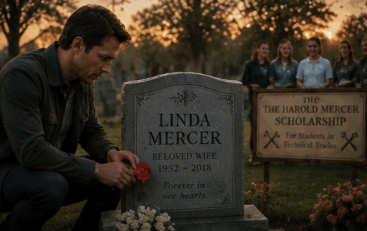
Am pus o piatră funerară adevărată pentru Linda.
Am creat o bursă în numele bunicului meu pentru elevi care învață meserii tehnice.
Pentru oameni care muncesc cu mâinile lor.
Așa cum făcusem eu.
Uneori oamenii cred că răzbunarea înseamnă să vezi pe cineva pierzând tot.
Eu am învățat altceva.
Cea mai mare victorie este să nu devii omul care te-a rănit.
Să îți păstrezi bunătatea.
Să îți păstrezi demnitatea.
Și să mergi mai departe.
Pentru că adevărul poate întârzia.
Dar întotdeauna găsește o cale să ajungă acolo unde trebuie.