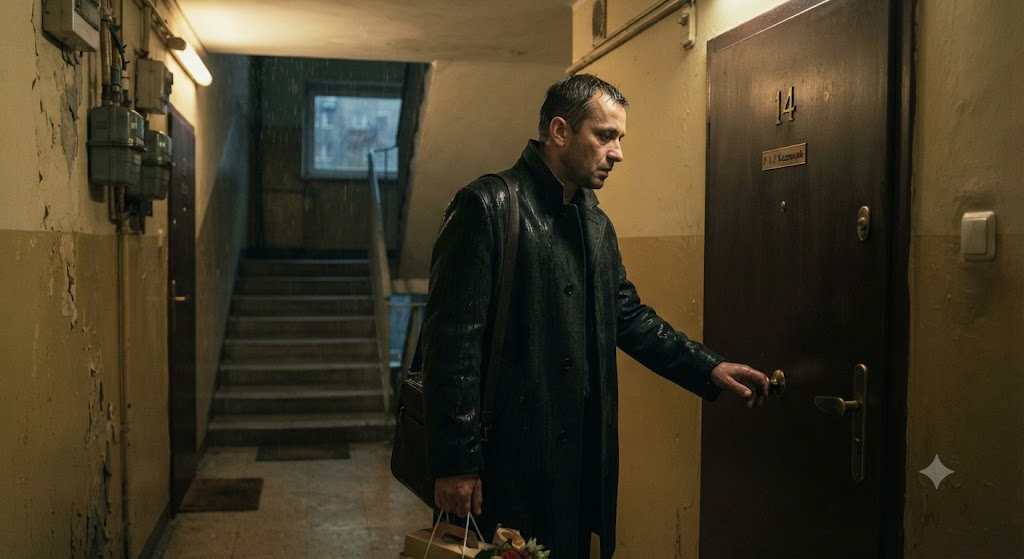
Teil 1: Der Geburtstag und der Knall
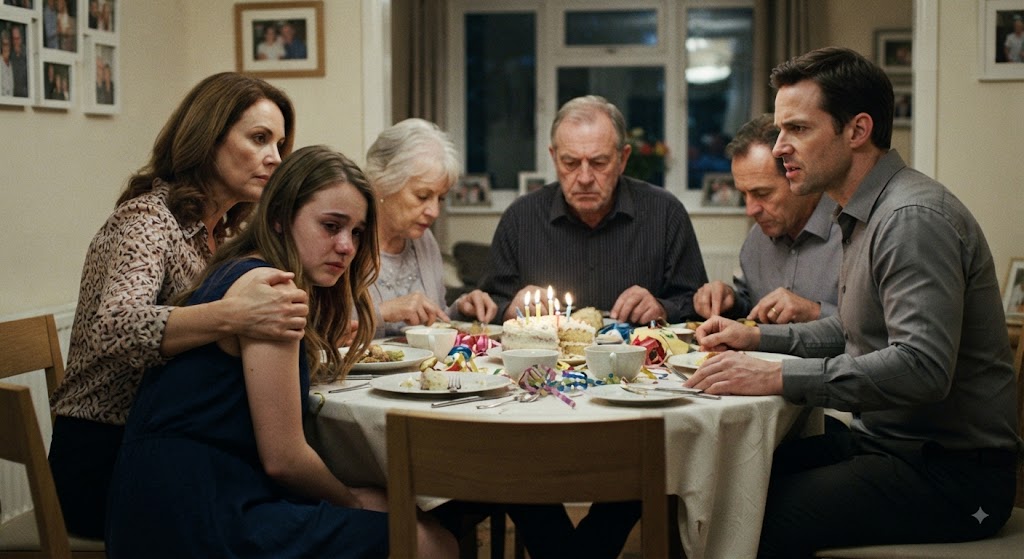
Das gläserne Gesteck wackelte leicht, als meine zweijährige Tochter Lilli nach den glänzenden Bändern griff, die es schmückten. Sie lächelte unschuldig, mit diesem offenen, vertrauensvollen Blick, den nur Kinder haben, die noch glauben, dass die Welt um sie herum sicher ist. Die Musik spielte leise im Hintergrund, Besteck klirrte, Stimmen murmelten und lachten. Es war der Geburtstag meiner Nichte, und die ganze Familie war versammelt – Onkel, Tanten, Cousins, Großeltern. Alles wirkte normal, fast idyllisch.
Doch bevor ich sie erreichen konnte, ertönte ein lauter, scharfer Knall, der die gesamte Geburtstagsfeier innehalten ließ. Lilis kleiner Kopf drehte sich ruckartig, ihre Augen weiteten sich vor Verwirrung, und dann brach sie in panische, schrille Tränen aus. Mein Bruder Derek senkte die Hand, als wäre nichts Ungewöhnliches geschehen. Sein Gesicht zeigte weder Schock noch Reue.
„Kleines Monster“, murmelte er und wischte sich beiläufig die Hand an der Hose ab. „Vielleicht lernt sie es ja jetzt.“
Ich eilte zu meiner Tochter, hob sie hoch und drückte sie fest an mich. Ihr kleiner Körper zitterte unkontrolliert gegen meine Brust. Die Stelle an ihrer Wange war bereits gerötet.
„Du hast mein Kind geschlagen.“
Meine Stimme war ruhig, aber sie zitterte unter der Oberfläche. Derek zuckte nur mit den Schultern.
„Sie brauchte Disziplin. Jemand musste es ihr beibringen. Du lässt sie zu sehr machen, was sie will.“
Meine Mutter mischte sich sofort ein. Ihre Stimme war scharf, abwehrend, als ginge es darum, einen peinlichen Zwischenfall schnell unter den Teppich zu kehren.
„Klar. Mach nicht so ein Drama draus. Es war doch nur ein leichter Klaps. Kinder bekommen das ab und zu. Das schadet ihnen nicht.“
Mein Vater nickte zustimmend und faltete die Arme vor der Brust.
„Kinder brauchen Grenzen. Du bist zu nachgiebig mit ihr. Derek hat nur reagiert, wie es nötig war.“
Ich sah mich im Raum um. Ich wartete darauf, dass jemand – irgendjemand – meine Tochter verteidigte. Dass jemand fragte, ob sie verletzt war, ob sie wehtat, ob man etwas tun konnte. Niemand tat es. Nicht eine einzige Person. Alle Blicke richteten sich auf Derek, bereit, ihn zu schützen, seine Handlung zu rechtfertigen, die Situation herunterzuspielen. In diesem Moment wurde mir mit einer kalten, klaren Deutlichkeit klar, dass meine Familie ihn meinem Kind vorgezogen hatte.
Ich schnappte mir Lilis Decke, griff nach ihrer kleinen Tasche und ging zur Tür. Meine Mutter rief mir hinterher, die Stimme nun gereizt:
„Du gehst deswegen wirklich? Wegen so einer Kleinigkeit?“
Ich drehte mich einmal um. Mein Gesicht war ausdruckslos.
„Ich verstehe.“
Ich widersprach nicht. Ich schrie nicht. Ich erklärte nichts. Ich trug meine Tochter einfach nach draußen, setzte sie in den Kindersitz und fuhr los. Während ich fuhr, vibrierte mein Handy ununterbrochen. Nachrichten prasselten herein.
„Du übertreibst total.“
„Du hast den ganzen Geburtstag ruiniert.“
„Derek wollte doch nur helfen.“
„Du machst aus einer Mücke einen Elefanten.“
Ich antwortete auf keine einzige. Stattdessen speicherte ich jede Nachricht, jede Voicemail, jede Ausrede in einem neuen Ordner. Denn ich wusste bereits, dass sie eines Tages versuchen würden, die Geschichte zu verdrehen – und ich wollte vorbereitet sein.
Teil 2: Die Notaufnahme und die alten Muster
In der Notaufnahme hatte Lilli aufgehört zu weinen, aber ihre Stille beunruhigte mich noch mehr als das Schreien zuvor. Normalerweise zeigte sie auf alles draußen vor dem Autofenster, plapperte ununterbrochen und wollte wissen, was jedes Schild, jeder Baum, jeder Hund bedeutete. An diesem Tag hielt sie nur ihren Stoffhasen fest umklammert und starrte stumm vor sich hin. Ihr kleiner Körper war angespannt, als erwarte sie den nächsten Schlag.
Der Arzt untersuchte sie sorgfältig. Er dokumentierte die gerötete Stelle an ihrer Wange, machte Fotos, notierte alles. Zum Glück war es keine ernsthafte Verletzung – kein Bruch, keine bleibende Spur. Aber der Arzt sah mich lange an, bevor er sprach.
„Sie haben jedes Recht, dies zu melden. Auch wenn es ‚nur‘ ein Klaps war. Bei einem zweijährigen Kind ist das relevant.“
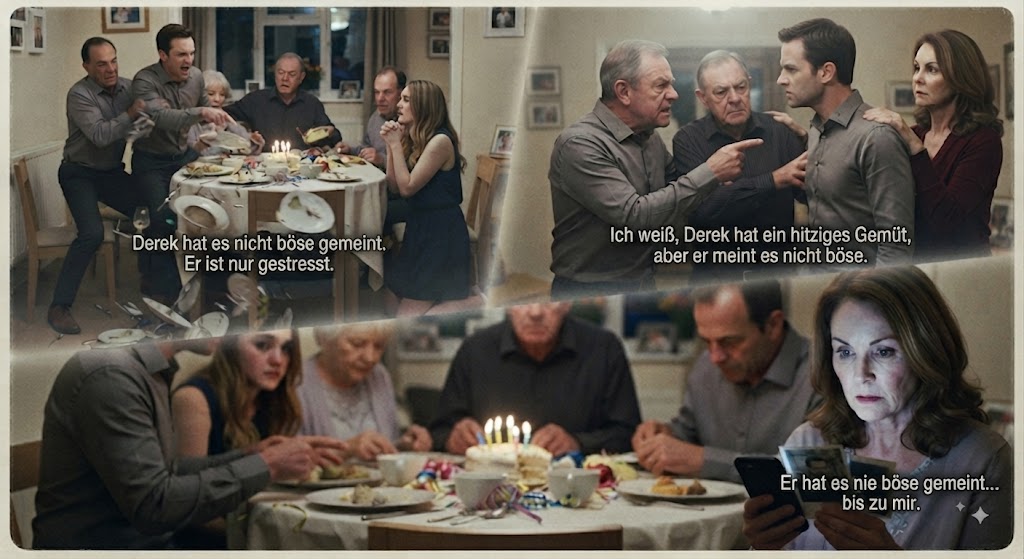
Diese Worte gingen mir nicht mehr aus dem Kopf. Meine Familie hatte jahrelang versucht, mich zum Schweigen zu bringen und Derek zu verzeihen. Während ich in dem kühlen Behandlungszimmer saß und Lilli auf dem Schoß hielt, kamen die Erinnerungen hoch. All die Male, als sein Verhalten ignoriert, heruntergespielt oder gerechtfertigt worden war. Der Cousin, den er einmal fest in den Po gestoßen hatte, weil er es „lustig“ fand. Die heftigen Streitereien auf Familienfeiern, bei denen Teller und Worte flogen. Der Schaden, den er anrichtete, wenn er die Kontrolle verlor – und jedes Mal sagten sie dasselbe:
„Er hat es nicht so gemeint.“
„Er war gestresst.“
„So ist Derek eben. Man muss ihn nehmen, wie er ist.“
Doch diesmal betraf sein Handeln mein Kind. Und das änderte alles.
In jener Nacht, als Lilli endlich eingeschlafen war, schickte mir Derek eine Nachricht. Keine Entschuldigung. Keine Nachfrage, wie es ihr ging.
„Sie wird es nie lernen, wenn du sie weiterhin so bevormundest. Du solltest mir dankbar sein, anstatt dich als Opfer darzustellen. Ich habe nur getan, was nötig war.“
Ich starrte auf den Bildschirm. Dann erstellte ich einen neuen Ordner auf meinem Handy und speicherte alles systematisch: den Arztbericht, die Fotos ihrer Wange, die Nachrichten, die Voicemails, sogar die Zeitstempel. Zum ersten Mal in meinem Leben ging es mir nicht darum, den Familienfrieden zu wahren. Es ging mir darum, meine Tochter zu beschützen – auch vor den Menschen, die behaupteten, sie zu lieben.
Teil 3: Die Familienbesprechung und die unausweichliche Wahrheit
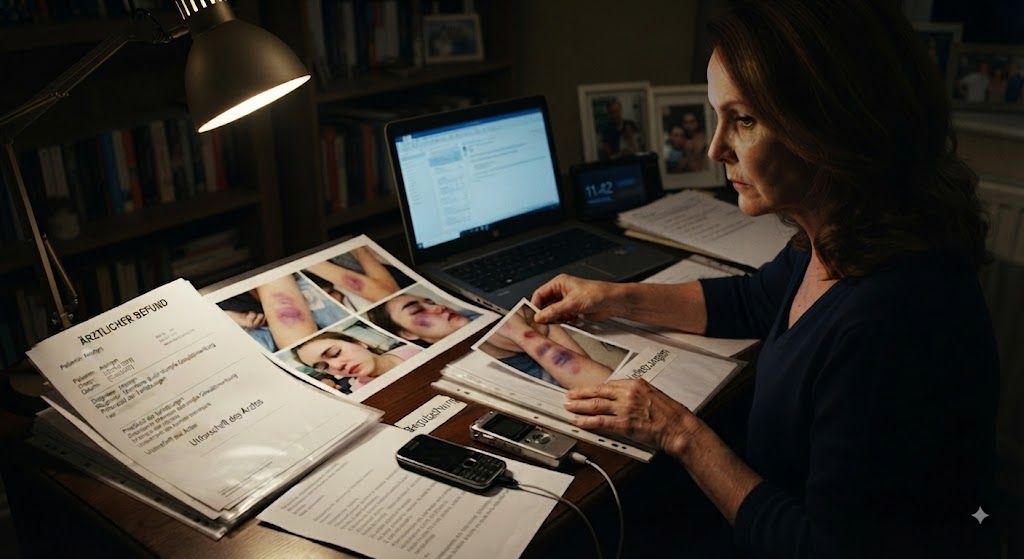
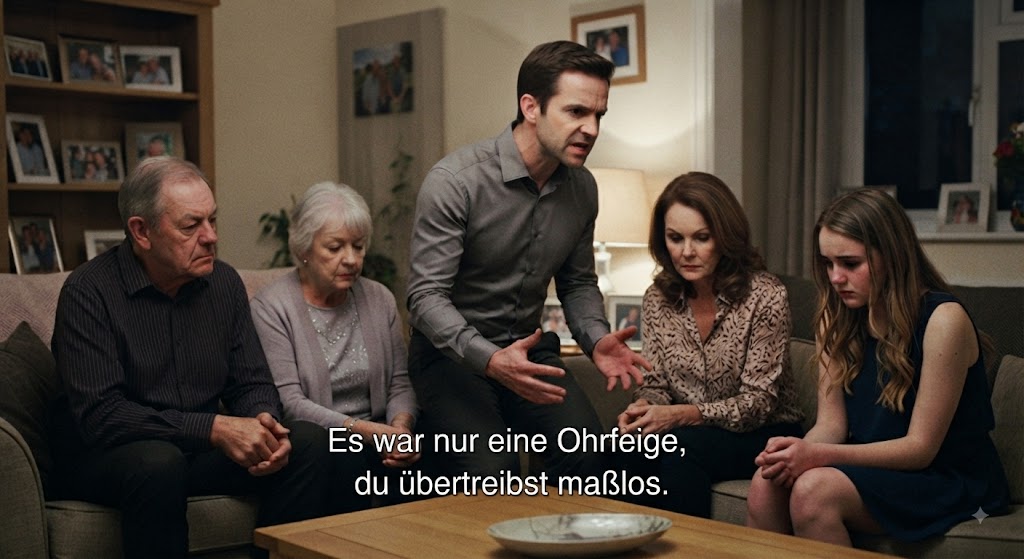
Ein paar Tage später beriefen meine Eltern eine Familienbesprechung ein. Sie wollten, dass „alles geklärt“ wird. Die Formulierung klang nach Versöhnung, nach Verständnis, nach dem üblichen Ritual, bei dem der Täter geschützt und das Opfer zum Überreagieren gestempelt wurde. Ich hätte beinahe abgelehnt. Aber ich wusste, dass Dereks Version gehört und geglaubt werden würde, wenn ich schwieg. Also ging ich hin – nur mit meinem Handy und einem Ordner voller Beweismaterial.
Derek kam selbstsicher herein. Er setzte sich breitbeinig hin und sagte:
„Ich hoffe, du bist endlich bereit zuzugeben, dass du übertrieben hast. Es war ein Klaps. Mehr nicht.“
Er wiederholte seine Version: Lilli sei nicht wirklich verletzt gewesen, er habe sie nur zurechtgewiesen, ich sei zu empfindlich, zu dramatisch, zu überbehütend. Einige Verwandte nickten leicht. Andere schauten auf den Boden. Dann stellte ich eine einzige Frage.
„Wenn das stimmt – warum sagt diese Aufnahme etwas anderes?“
Ich drückte auf Play. Der Raum wurde absolut still. Lilis panisches Weinen erfüllte die Luft, klar und unverkennbar. Dann Dereks Stimme, roh und ungeduldig:
„Ich habe sie geschlagen, weil sie nicht hören wollte.“
Danach meine Stimme, zitternd vor Anspannung:
„Du hast ein zweijähriges Kind geschlagen.“
Und dann die Stimmen meiner Eltern, die ich in dem Moment gar nicht bewusst wahrgenommen hatte:
„So fest war es doch nicht.“
„Mach nicht so ein Theater.“
Danach sagte niemand mehr etwas. Die Wahrheit ließ sich nicht länger wegreden, nicht relativieren, nicht in „er hat es nicht so gemeint“ umdeuten. Langsam begannen Verwandte Erinnerungen zu teilen, die sie jahrelang verdrängt hatten. Eine Cousine erzählte, wie Derek ihr Kind einmal so fest am Arm gepackt hatte, dass blaue Flecken entstanden waren. Eine andere gab zu, dass sie ihre Kinder seit Jahren nicht mehr in seine Nähe brachte, weil sie ihm einfach nicht vertraute. Das Muster wurde sichtbar. Derek war jahrelang geschützt worden – von den Eltern, von den Verwandten, von dem unausgesprochenen Familiengebot, dass man „zusammenhält“, egal was passiert. Von allen anderen hatte man erwartet, dass sie verziehen und vergessen.
Wütend sprang Derek auf.
„Das ist doch absurd! Du hast das alles geplant. Du wolltest mich bloßstellen!“
Ich sah ihn ruhig an. Meine Stimme blieb gleichmäßig.
„Nein. Ich habe es dokumentiert.“
Er stürmte hinaus und knallte die Tür hinter sich zu. Meine Eltern starrten mich an, als hätten sie mich zum ersten Mal richtig gesehen. Als ich ihnen sagte, dass die Beweise bereits bei den Behörden eingereicht waren, wurde aus dem Familienstreit etwas anderes. Es war kein privater Konflikt mehr. Es war ein gemeldeter Vorfall.
Teil 4: Die Ermittlungen und das Setzen von Grenzen
Die Ermittlungen begannen. Ich stellte alles zur Verfügung: die Krankenakten, die Fotos, die Nachrichten, die Aufnahme, die Zeitabläufe. Langsam, zögerlich, begannen auch andere Verwandte die Wahrheit zu sagen. Einige gaben zu, Warnsignale jahrelang ignoriert zu haben, weil sie Konflikte vermeiden wollten. Andere enthüllten, dass meine Eltern sie gebeten hatten, ihre Aussagen abzuschwächen oder zu ändern, um Derek zu schützen. In diesem Moment begriff ich endgültig: Sie wollten nicht die Wahrheit herausfinden. Sie wollten das System aufrechterhalten, in dem Derek derjenige war, dem man verzieh, und alle anderen die, die sich anpassen mussten.
Ich blockierte Dereks Nummer. Dann blockierte ich die Nummern meiner Eltern. Ich ging zur Kita und gab schriftliche, klare Anweisungen: Niemand außer mir durfte Lilli abholen. Keine Großeltern, keine Onkel, keine „Familienangehörigen“. Zum ersten Mal handelte ich nicht aus Wut oder Racheimpuls. Ich setzte Grenzen – klare, dokumentierte, unerschütterliche Grenzen –, um meine Tochter zu schützen.
Wochen später bestätigten die offiziellen Ergebnisse den Vorfall. Derek hatte ein zweijähriges Kind absichtlich geschlagen. Es gab keine Ausreden mehr. Nur noch Fakten, die in Akten standen.
Später bat er um ein Treffen, „um sich zu entschuldigen“. Er wirkte müde, niedergeschlagen, die alte Selbstsicherheit war weg.
„Ich habe einen Fehler gemacht“, sagte er. „Es tut mir leid.“
Ich stellte ihm eine einzige Frage.
„Tut es dir leid, dass du Lilli verletzt hast?“
Er zögerte. Der Blick wich aus.
„Es tut mir leid, dass es so weit gekommen ist.“
Diese Antwort sagte mir alles, was ich wissen musste. Es tat ihm nicht leid, was er meinem Kind angetan hatte. Es tat ihm leid, dass es Konsequenzen gegeben hatte. Dass er nicht mehr unantastbar war.
Teil 5: Die neue Wirklichkeit und die endgültige Entscheidung
Danach veränderte sich mein Leben. Die Kreise wurden kleiner. Manche Beziehungen zerbrachen vollständig, andere wurden distanziert und höflich. Es gab leere Stühle bei Festen, die ich nicht mehr besuchte, und Geburtstage, zu denen ich nicht mehr eingeladen wurde – oder zu denen ich nicht mehr ging. Aber meine Tochter war in Sicherheit. Und das wog schwerer als alles andere.
Langsam, Woche für Woche, wurde Lilli wieder das fröhliche, neugierige Kind, das sie immer gewesen war. Sie zeigte wieder auf Dinge aus dem Autofenster. Sie lachte über Unsinn. Sie hielt ihren Stoffhasen nicht mehr so verzweifelt fest, als wäre er der einzige Schutz in einer unberechenbaren Welt.
Monate später feierte sie ihren dritten Geburtstag. Nicht in einem großen Familienkreis voller unterschwelliger Spannungen, sondern im Kreise von Menschen, die sie wirklich liebten und schützten. Als sie Saft verschüttete, schrie niemand. Niemand nannte sie ein „Monster“. Als sie lachend und wild durch den Raum rannte, beschimpfte sie niemand. Es gab keine rechtfertigenden Blicke, keine Ausreden, keine unsichtbaren Schutzschilde für jemanden, der ihr wehtun könnte.
Als ich an diesem Nachmittag ihr Lächeln sah – dieses freie, unbeschwerte Lächeln –, verstand ich endlich etwas sehr Einfaches und sehr Wichtiges. Ich hatte an jenem Tag auf der Geburtstagsfeier nicht meine Familie verloren. Ich hatte die Menschen verloren, denen Schweigen, Harmonie und das Schützen des Täters wichtiger waren als die Sicherheit eines zweijährigen Kindes.
Die Familie, die ich zurückließ, basierte auf Ausreden, auf dem Gebot, den Frieden um jeden Preis zu wahren, und auf der stillschweigenden Übereinkunft, dass manche Menschen mehr Schutz verdienen als andere. Die Familie, die ich aufbaute, basierte auf Liebe, auf Vertrauen und auf der unerschütterlichen Gewissheit, dass mein Kind sicher sein würde.
Und wenn ich diese Entscheidung noch einmal treffen müsste – in genau demselben Moment, mit demselben Knall, demselben Weinen, denselben rechtfertigenden Gesichtern –, würde ich meine kleine Tochter auf den Arm nehmen, durch diese Tür gehen und nie zurückblicken.