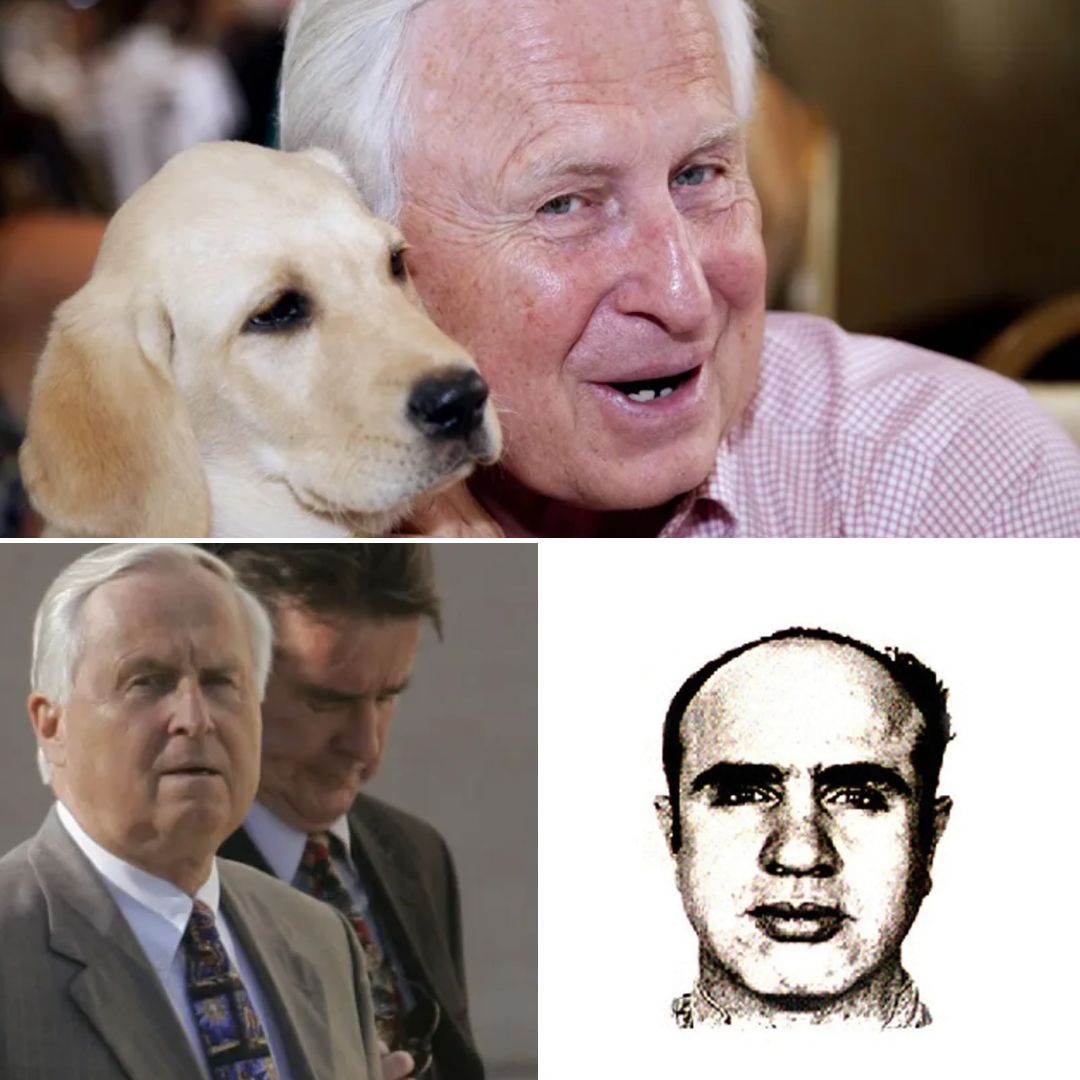
In the lawless expanse of the Wild West, few figures inspired as much fear and intrigue as Curly Bill Brocius. This notorious outlaw, known for his ruthless reputation, led the Clanton gang in Arizona during the tumultuous late 1800s, leaving behind a legacy of violence and chaos that still captivates audiences today.
Curly Bill Brocius, whose real name remains a mystery, emerged on the scene in the Arizona territory around 1878, having traveled from either Texas or Missouri. His early days included a brief stint as a tax collector for Cochise County Sheriff Johnny Behan, where he reportedly coerced other rustlers into paying taxes on stolen cattle, cleverly funneling the proceeds into the sheriff’s coffers.
 Contemporary accounts paint Brocius as a formidable gunslinger, with the ability to shoot running jackrabbits and hit candle flames without breaking them. His dark humor often manifested in practical jokes, such as making a preacher dance at gunpoint. These anecdotes, chronicled by Wells Fargo agent Fred Dodge, reveal a man whose antics were as notorious as his violent escapades.
On October 28, 1880, a fateful incident unfolded when Brocius and his friends celebrated with gunfire in a dimly lit area of Tombstone. Town Marshal Fred White attempted to disarm Brocius, leading to a tragic accident where White was shot in the groin. Initially expected to survive, White’s condition worsened, and he died two days later.
During the subsequent trial, Brocius maintained that the shooting was accidental, and despite the chaos surrounding the event, he was acquitted of any wrongdoing.
 As the months passed, Brocius continued to find himself embroiled in violent confrontations. In March 1881, he was involved in a deadly altercation at a saloon in Gayville, which left him wounded after a confrontation with a fellow cowboy. Reports of his involvement in various violent incidents, including the ambush of a Mexican trail herd, further solidified his reputation as a dangerous outlaw.
By early 1882, Brocius was implicated in the robbery of stagecoaches and was rumored to have connections to the assassination of Morgan Earp, though evidence was scant. His life took a dramatic turn on March 24, 1882, when he encountered Deputy U. S.
 Marshal Wyatt Earp during a shootout at Iron Springs. In a fierce exchange, Brocius was shot in the stomach, leading to his collapse by a nearby spring.
The aftermath of Brocius’s death remains shrouded in mystery. Reports suggest that his body was buried on a ranch owned by Frank Patterson, yet the exact location of his grave has never been confirmed. The intrigue surrounding Brocius’s life and death continues to fascinate historians and enthusiasts alike, with debates still raging about his true legacy.
 As we reflect on the life of Curly Bill Brocius, one question remains: what truly happened to this infamous outlaw, and how does his story continue to resonate in the annals of Wild West history?