When we think of cowboys, Hollywood has us picturing tall, rugged men with sun-kissed skin, clean cuts, glistening saddles, and a confident swagger. They are cool, composed, and somehow always surprisingly clean, as if they just stepped out of a barbershop and into the saddle. But real-life cowboys of the 19th century, oh, they were far from the polished gunslingers we see on the silver screen.
Their reality was gritty, grimy, and honestly, it stunk to high heaven.
 Cowboys were blue-collar laborers, not glamorous heroes. Their job was to drive thousands of cattle across brutal trails like the Chisholm Trail, a journey of over 1,000 miles from Texas to Kansas. These drives lasted months, with cowboys working 15 hours daily in scorching heat, freezing nights, and relentless dust storms.
Hygiene wasn’t a priority. Survival was. And no, they weren’t all white dudes.
Historians estimate that one in four cowboys were Black, many of them formerly enslaved, riding alongside Mexican vaqueros and Indigenous riders. But one thing united them all. They stank.
In this article, we will strip away the Hollywood varnish and examine the dirty truth of cowboy hygiene. Let’s begin with the most fundamental issue of all: water. Spending weeks or months herding cattle across the sun-scorched plains wasn’t just exhausting.
It was filthy. Cowboys didn’t have the luxury of clean water for bathing, let alone a fresh set of clothes. Every single drop of water was precious, and survival always came first when you were in the middle of nowhere.
Water was strictly rationed on the trail. The priority was drinking, cooking, and keeping the livestock hydrated. Personal hygiene was way down on the list, if it even made the list at all.
If cowboys found a stream or river, their first instinct wasn’t to wash up, but to refill their canteens and ensure their horses had enough to drink. Bathing was an afterthought. Most of the time, it never happened at all.
Even when they did come across water, stripping down for a proper bath wasn’t practical. Cowboys had to stay alert at all times. Wild animals, outlaws, and sudden ambushes were a constant risk on the open range.
The idea of being caught half-naked and vulnerable wasn’t exactly appealing to men who valued their lives and their dignity. So instead, if they bathed at all, they would wade in fully clothed, letting the water rinse off some of the grime. This was also the closest thing they had to doing laundry.
Their clothes would dry on their backs, stiff with dust, sweat, and whatever else they had picked up along the way.
Drinking water was so limited on particularly harsh stretches of trail that men resorted to desperate measures. Some drank from stagnant pools, hoping the murky water wouldn’t make them sick. Others collected morning dew from plants just to keep their mouths from going dry.
In those conditions, skipping a bath wasn’t a choice, but a necessity. Sure, they smelled bad. Sure, their skin was covered in dust, sweat, and who knows what else.
But at the end of the day, a cowboy could handle being dirty. What he couldn’t handle was running out of water.
There’s an old joke that cowboys took a bath once a year, whether they needed it or not. While that’s an exaggeration, it’s not entirely off the mark. Bathing was rare, irregular, and often more trouble than it was worth.
In towns, public bathhouses existed, but they weren’t popular among the rough-and-tumble cowboy crowd. For one, they cost money. Why pay for a bath when you could buy a bottle of whiskey instead?
Plus, bathing required time and effort, two things cowboys had in short supply after months on the trail. After a long cattle drive, most cowboys preferred to spend their hard-earned cash on a hot meal, a stiff drink, and maybe a game of cards.
When cowboys did bathe, the process was far from luxurious. Shared tubs, reused water, and crude soap, if there was any at all, defined the experience. Imagine dunking yourself in water that half a dozen men had already used.
By then, it was less a bath and more of a lukewarm stew of grime and sweat. It wasn’t just about bathing, either. Cowhands had little concern for skin care or appearance.
Sunburns, wind-chapped faces, and cracked hands were simply part of the job. A cowboy’s skin care routine was wiping sweat with a dusty bandana and hoping for rain. Despite their rough appearance and questionable hygiene, cowboys took pride in their grit.
A little body odor was hardly worth fretting over if a man could survive weeks of trail dust, blisters, and bad coffee.
 If you think skipping laundry for a week is bad, try wearing the same outfit for months on end. Cowboys had no washing machines, no laundry soap, and no fresh clothes waiting for them after a long day. Whatever they wore when they set off on the trail was their uniform through rain, mud, dust storms, and sweat-drenched heat.
Their outfits were built to last. Denim, wool, and thick cotton were great for durability, but terrible for staying fresh. These heavy fabrics soaked up sweat, dust, and everything else the trail threw at them.
After a few weeks, that cowboy smell was more than just a manly musk. It was a full-blown assault on the senses.
So, how did they clean their clothes? The simple answer is, they didn’t. Washing meant taking time off the trail, and cowboys weren’t about to stop a cattle drive to do laundry.
They might dunk their clothes in a river and let the water rinse away some of the grime if they were lucky. But soap, scrubbing, and a proper wash? That was as rare as a clean-shaven cowboy.
Wearing filthy clothes wasn’t just uncomfortable, it was unhealthy. Layers of sweat and dirt trapped bacteria, leading to skin infections, rashes, and parasites. Fleas and lice thrived in those unwashed fabrics, turning cowboys into walking buffets for every tiny pest in the West.
But cowboys weren’t the type to complain. They just rolled with it. A little stink and a few graybacks were nothing compared to the other dangers of the trail.
If you could survive weeks of stampedes, bandits, and brutal weather, what was a little dirt?
If you think cowboys only had to battle outlaws and the elements, think again. Their real enemies were much smaller and much itchier. Lice and fleas, known as graybacks, were more common than dusty boots.
With weeks of no bathing, sweaty clothes, and sleeping on the ground, cowboys were walking buffets for these tiny terrors. The itching was relentless. There were no fancy shampoos or medicated creams to fix the problem, so cowboys had to get creative.
Some shaved their heads entirely to cut down on the infestation, while others went all in, literally by dousing themselves in kerosene. Yes, kerosene. Imagine being so desperate that lighting yourself on fire almost sounds like a reasonable option.
These parasites weren’t just annoying, they were dangerous. They carried diseases, worsened infected wounds, and turned every night’s rest into an itchy nightmare. And since personal hygiene wasn’t exactly a cowboy’s priority, these infestations stuck around for the long haul.
A cowboy might spend months scratching and suffering, unable to find any real relief. The constant irritation wore on their nerves, but there was nothing to be done about it. They simply endured, as they did with so many other hardships of trail life.
Brushing and flossing? Cowboys barely had time to eat, let alone maintain a dental routine. Toothbrushes and toothpaste weren’t exactly riding along in their saddlebags, and a trip to the dentist was a luxury they’d never even heard of.
As a result, their teeth were in rough shape. Rotting teeth, bleeding gums, and cavities were just part of life on the trail. When a toothache became unbearable, there was only one solution: pull it out.
No numbing, no proper tools, just a friend with a strong grip and maybe a bottle of whiskey to dull the pain. Bad teeth didn’t just mean discomfort. They made eating painful.
A cowboy with a ruined mouth had trouble chewing tough trail food, which meant less nutrition and more health problems. But there was no time to worry about that out on the range. You swallowed the pain and kept riding.
When we think of cowboys, we think of a rugged face with a scruffy beard or a clean, square jawline. But the truth behind their grooming habits was less about style and more about practicality. Shaving wasn’t a daily ritual.
It was more of a sporadic, inconvenient chore. The cowboy lifestyle didn’t cater to meticulous grooming. There were no fancy shaving kits or aftershaves, just a battered razor if they were lucky.
 Shared razors were common, especially when cowboys finally reached a town with a barber shop. If a cowboy managed to find a barber, it wasn’t a guarantee of hygiene. Sterilization of tools was not a priority, and diseases like tuberculosis and skin infections spread easily.
Reusing razors was just how things were in an era without germ theory, or at least without much faith in it. Cowboys had bigger problems to worry about than nicked skin or a bit of stubble.
Many cowboys preferred to let their facial hair grow wild. A thick beard offered protection from the sun, the wind, and the bitter cold during long cattle drives. It was a natural barrier against the elements.
And in a world where practicality reigned, it made perfect sense. Plus, shaving without hot water and a steady hand could result in painful nicks, which were hardly worth it when surrounded by trail dust. Personal grooming extended beyond the face.
Haircuts were infrequent, and long, matted hair was common. Cowboys often tied back their hair with a bandana, a practical accessory that doubled as a sweat rag, dust filter, and if needed, a bandage. That same bandana, likely unwashed for weeks, became a grimy, multi-purpose tool that saw more action than any other piece of gear they owned.
On the trail, a cowboy’s diet was practical but perilous. Forget fresh produce and farm-fresh meals. Cowboys dined on salted beef, hardtack, a dense rock-hard cracker, beans, and black coffee.
The food was designed to last through long stretches without spoiling, but that didn’t mean it was always safe. Salted meat was the go-to protein, preserved in barrels packed with salt. However, if the meat wasn’t properly cured or water got into the barrels, it could spoil quickly.
Cowboys, often hungry and exhausted, ate it anyway. Spoiled meat led to dysentery, food poisoning, and a variety of gastrointestinal nightmares. Imagine a hard day of herding cattle only to be doubled over in agony from a tainted meal.
Hardtack was another staple. Often called sheet iron crackers for their jaw-breaking hardness, these were meant to last, but they frequently became infested with weevils. Cowboys learned to tap the hardtack to shake out the bugs or simply eat them for extra protein.
Some resorted to hunting small game or scavenging when food ran out, but that was always a gamble. Beans were the most reliable food, cooked in a large pot over a campfire. The iconic chuck wagon cook played a crucial role, not just in preparing meals but also in rationing limited supplies.
While beans and coffee were safer than spoiled meat, they had their own consequences. Lacking fresh water to boil, coffee was often brewed thick and bitter. At the same time, the beans led to constant flatulence, an unwelcome but accepted part of life on the trail.
Cowboys loved their whiskey. It wasn’t just a way to take the edge off a long day. It was a cure-all, an anesthetic and disinfectant rolled into one.
Got a toothache? Swig some whiskey. Snake bite?
Pour whiskey on it and drink a double. Gunshot wound? Whiskey before someone digs out the bullet.
While this sounds like frontier folklore, it was the go-to solution for various ailments. Whiskey was more accessible than medicine, often the only option for cowboys far from towns or doctors. The alcohol numbed pain, temporarily masked symptoms, and disinfected open wounds, or so they thought.
In reality, whiskey had its limits. It did little to stop infections, and excessive drinking often made injuries worse. A cowboy trying to ride with a hangover or blurred vision was dangerous to himself and his fellow riders.
Beyond medical use, whiskey was a critical part of cowboy culture. It was served at saloons in frontier towns and outposts. After months on the trail, cowboys would blow their pay on a bottle, indulging in the rowdy chaos of a night out.
The harsh, cheap whiskey of the West was far from the East’s refined spirits. It burned going down, tasted terrible, and was sometimes cut with turpentine or tobacco juice. Despite its popularity, whiskey also created problems.
Drunken fights, accidents, and poor decision-making were part of the lifestyle. There was even a saying among lawmen: more men are killed by whiskey than by bullets. Yet for cowboys living in a world of hardship and uncertainty, whiskey was a comfort, a brief escape from the trail’s dust, danger, and relentless grind.
 When nature called on the open range, cowboys didn’t have the luxury of indoor plumbing or even a basic outhouse most of the time. Instead, the vast, dusty expanse of the American West served as their bathroom. A cowboy found a spot away from the camp, crouched down, and cared for business.
Modesty wasn’t much of a concern when the nearest neighbor might be miles away. There were outhouses in small frontier towns or settlements, but these were far from pleasant. Made of rough-hewn wood, they were little more than glorified holes in the ground, teeming with flies and a stench that could knock a cowboy off his boots.
The combination of poor sanitation and limited water led to a breeding ground for diseases like dysentery, cholera, and typhoid fever. In towns without proper waste management, sewage ran through open ditches, creating a cesspool of germs.
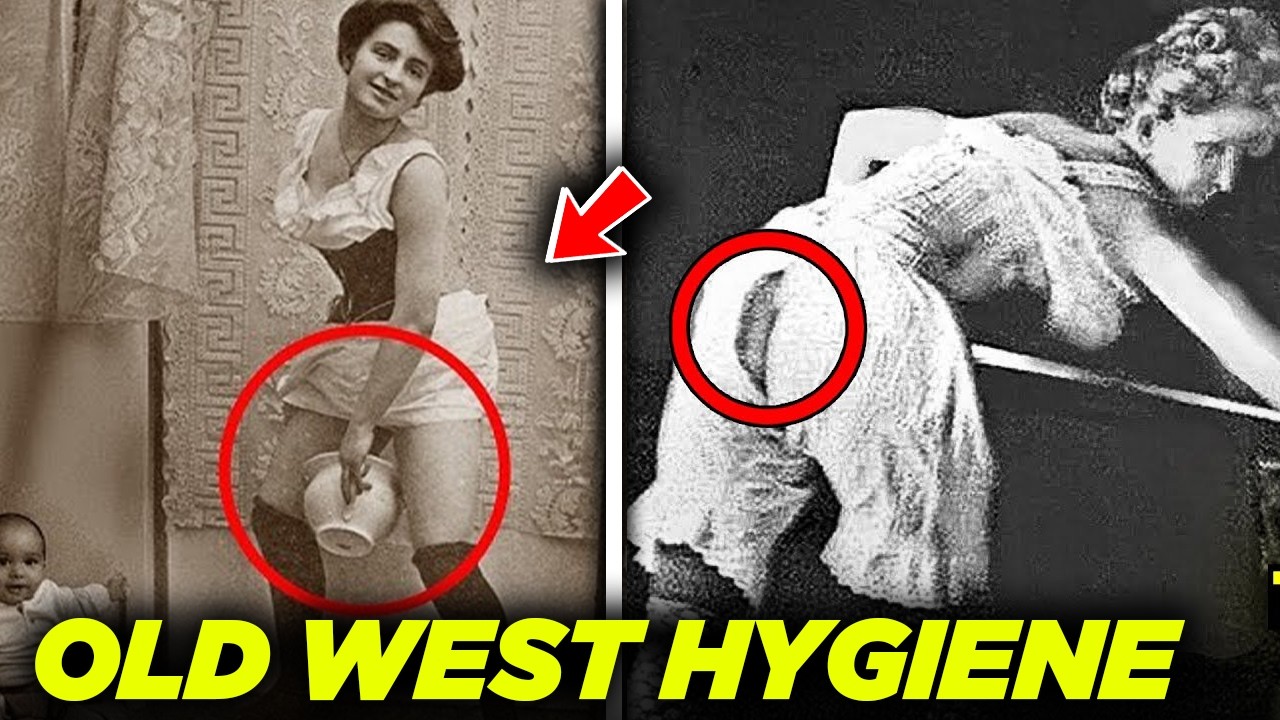
A chamber pot might be provided for those lucky enough to stay in a boarding house or a saloon’s upper room. These pots, typically made of metal or ceramic, were placed under beds for nighttime use. In the morning, someone, often a young boy or hired help, had the unfortunate job of emptying them into the streets or cess pits.
In places where sanitation wasn’t a priority, waste piled up and harsh living conditions worsened. On the trail, without even the minimal privacy of an outhouse or chamber pot, cowboys faced additional hazards. Wild animals like snakes or scorpions could be an unpleasant and dangerous surprise when squatting in the grass.
The lack of toilet paper also meant improvisation. Leaves, grass, or the occasional scrap of cloth were used instead. If they had a newspaper or a catalog, it would serve dual purposes: reading material and bathroom tissue.
Cowboys accepted these crude bathroom habits as part of the job. After all, in a world where water was scarce and sanitation was a luxury, hygiene was always an afterthought.
Visiting a barber in the Old West wasn’t just a chance to clean up. It was a potential health hazard. Barber shops in frontier towns were more than places for a trim.
They were catch-all medical offices where haircuts, shaves, and dental work collided in a chaotic, unhygienic mess. Most barbers were not trained professionals. Many were former soldiers or drifters who learned their trade through experience.
Scissors and straight razors were rarely cleaned, let alone sterilized, making them perfect carriers for infection. If a cowboy wanted a clean shave, he had to trust that the blades scraping his face had been wiped down since the last customer, likely a fellow who’d just come off the dusty trail.
Barbers didn’t just cut hair and trim beards. They also pulled teeth, a skill learned out of necessity rather than formal training. Dental problems were common due to a lack of oral hygiene and a diet heavy on hardtack and salted meat.
When a cowboy’s tooth became unbearable, he’d head to the barber for a quick fix. Anesthesia wasn’t part of the process. If the pain was too intense, a shot of whiskey might be offered as a consolation.
The barber would then grip the bad tooth with pliers and yank it out, often causing more damage. If infection set in, a common occurrence, the consequences could be dire. Even a small abscess could lead to serious illness or death without antibiotics.
Cowboys lived by a simple rule: endure the pain or lose the tooth. There wasn’t much room for vanity when your days were spent wrangling cattle under a relentless sun.
Despite the risks, barber shops remained popular. They were social hubs, places to catch up on news, swap stories, and maybe flirt with a saloon girl. Cowboys knew the dangers, but the need for a clean shave or a toothache cure often outweighed the fear of a grimy blade.
Living in the Wild West was a gamble with health every single day. The harsh conditions, scarce resources, and lack of medical knowledge made maintaining hygiene nearly impossible. Cowboys developed a high tolerance for discomfort because they had no choice.
They accepted the dirt, the stink, and the pests because surviving the frontier was already a feat in itself.
However, the toll of poor hygiene was severe. The average life expectancy for a cowboy was barely into their mid-30s. Not just due to violence or accidents, but also because of infections and diseases brought on by unsanitary conditions.
Dysentery, cholera, and typhoid were common, and without effective treatment, even a minor wound could turn fatal. By modern standards, cowboy hygiene seems unbearable, but it was simply part of life for these rugged men. The grit and grime of the trail hardened them, creating a culture that romanticized toughness and resilience.
The cowboys of the Old West may not have smelled like roses. Still, they embodied the raw, unpolished spirit of a time and place where survival was uncertain and every day was a battle against the elements.