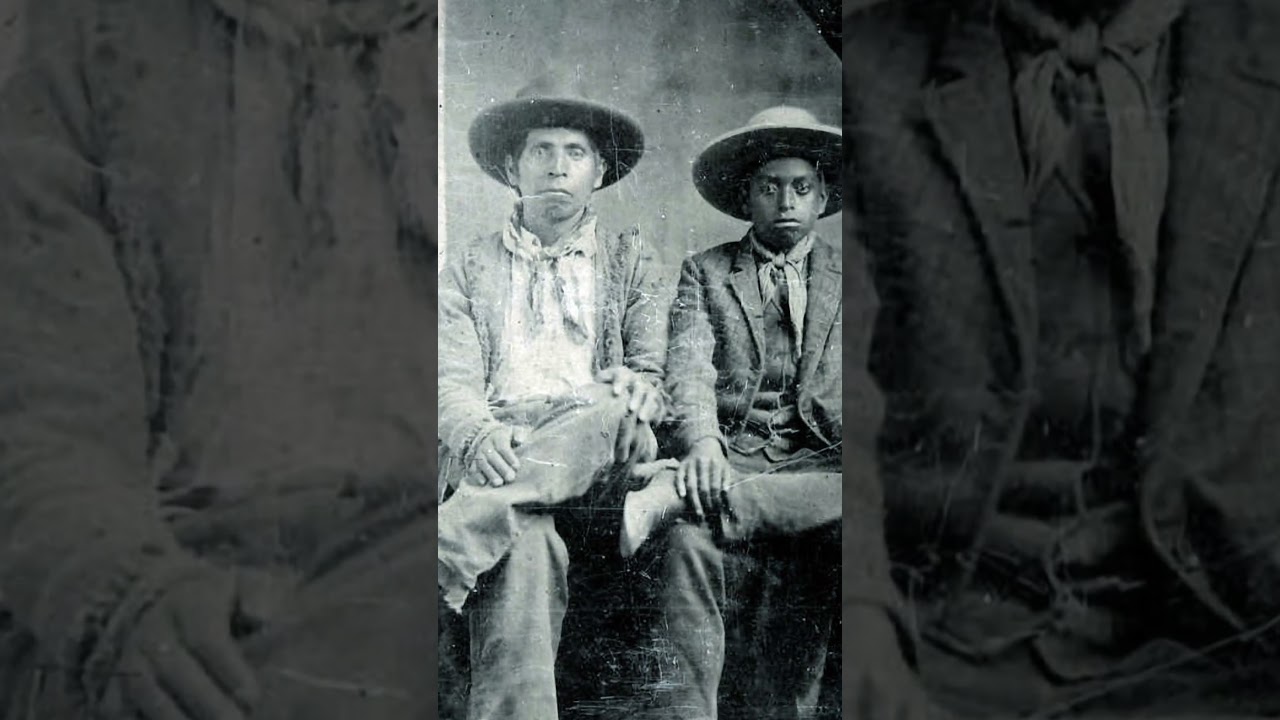
Long before HBO ever imagined Westworld, a tiny Nevada railroad town staged its own version of the Wild West for passing train passengers, choreographing fake shootouts, staged robberies, and simulated raids so convincing that tourists scrambled for cover. Palisade, Nevada, is considered by some historians to be the first theme park. Beginning around 1876, local residents organized staged frontier scenes to entertain travelers arriving by train, tapping into the public’s growing obsession with the American West. The performances were born partly from boredom and partly from opportunity.

As trains rolled through the small town, some passengers reportedly expressed disappointment at not seeing any of the Wild West excitement they had imagined. Local residents stepped in to give them exactly that, even if it was entirely fabricated. The town relied on nearby mining settlements and offered little daily excitement. A journalist from the weekly Elko Independent once described it as unusually quiet, noting that business owners quietly hoped for more prosperous times.
The theatrical performances served both purposes, reshaping the town’s identity while generating economic boost from tourism. The first recorded performances took place in the fall of 1876. Palisade was still young, established less than 10 years earlier as a stop on the Central Pacific Railroad, but it sat along the main rail line connecting San Francisco to Chicago. Travelers arrived with expectations shaped by sensational newspaper stories, dime novels, and stage productions back east.
To meet those expectations, townspeople organized choreographed displays carefully timed to coincide with train arrivals. Some accounts suggest Palisade may have hosted more than 1,000 such performances. According to local legend, the first dramatized exchange took place between two townsmen named Frank West and Alvin Kittleby. West reportedly delivered a theatrical line in a heavy frontier dialect: “There you are, you no-good scoundrel.
I’ve been waiting for you. I’m going to settle things over what you did to my sister. ”
The goal wasn’t to recreate reality but to reflect the dramatic spirit of the Wild West as imagined by Easterners. Entire segments of the town got involved, including women, children, and local railroad workers.
In some cases, members of nearby Native American tribes joined the performances as well. Each time a train was due, the town sprang into action. Women pretended to weep or plead. Children ran for cover.
Men moved with urgency and intensity. Travelers unfamiliar with the theatrics often reacted with genuine fear, ducking behind train benches or crouching behind rail cars. The performers became increasingly imaginative. Shows evolved into elaborate displays that mimicked events commonly associated with the frontier, including fictionalized train station holdups, simulated arrests, and mock captures.
The Shoshone people who lived in the region sometimes collaborated in staging these scenes. Historical reports suggest they were sometimes compensated to portray roles fitting the expectations of the largely Eastern audience. One frequently cited scene involved native participants being ceremonially tied at the wrists and ankles, lying motionless on the platform as if captured. Townspeople acted as stern guards carrying large prop weapons.
The weapons were often non-functional or loaded with black powder to create a loud but harmless effect. Real gunpowder was used throughout the performances, creating loud reports and bursts of smoke. Participants carried replica sidearms and fired blank charges. To further enhance realism, actors used cattle blood obtained from the local slaughterhouse.
Large quantities were applied to performers portraying victims of staged mayhem, especially during mock raids that could extend up to 10 minutes. The blood created the impression of injury without any actual harm. Railroad workers participated in the effort, understanding that the spectacle added excitement to routine journeys. Their involvement helped ensure things ran smoothly and reinforced authenticity for visitors who believed they were witnessing real frontier life.
Throughout the entire run of staged events, there were no injuries and no real danger to anyone. Palisade was so peaceful that it didn’t even have a sheriff. The lack of formal law enforcement reflected the town’s calm reality, in stark contrast to the rowdy image it projected. The performances left visitors genuinely stunned.
Nevada historian Dan Ashbau described how actors would collapse or react as if overwhelmed while travelers aboard passing trains responded with audible alarm, scrambling for shelter. Many sought cover behind or beneath the train cars. Ashbau highlighted a telling detail: none of the visitors realized that those portraying victims were swiftly moved to Johnson’s saloon, where they would recover in moments before rejoining the scene for the final acts. This subtle orchestration blended theatrical realism with practical logistics.
Word of mouth spread rapidly. Passengers carried vivid accounts of dramatic encounters back to their hometowns. Newspapers picked up the stories, reporting on supposed chaos and unruly behavior, completely unaware that these events were carefully orchestrated theatrical displays. This misunderstanding earned Palisade the nickname “Toughest Town West of Chicago.
” The reputation proved beneficial to the town’s economy and social standing. During a period when dime novels and traveling shows romanticized the frontier, Palisade offered a tangible glimpse into that world, becoming a popular railway stop. The hoax lasted three profitable years before the town’s fortunes shifted. Palisade experienced significant growth during the early 1880s, highlighted by the construction of a new railway station in 1882.
The Central Pacific Railroad intersected with the Eureka Palisade line, and the arrival of the Western Pacific Railroad further increased its role in transportation. The town’s prosperity was closely linked to the mining boom in nearby Eureka. As mining declined in the late 19th and early 20th centuries, Palisade’s fortunes waned. Decreased demand for mined resources, coupled with multiple flooding events, dealt a heavy blow.
By the mid-20th century, the decline was clear. Palisade’s post office permanently closed in 1961, marking a symbolic end to an era. The town transitioned from bustling center to quiet abandonment. Palisade remained under the ownership of John Sexton, a former leader of the now-defunct Eureka Palisade Railroad, and his family maintained control for many years.
In 2005, Sexton’s descendants sold Palisade through auction. The anonymous purchaser acquired the town for $150,000. One of Sexton’s heirs, also named John, reflected on the sale with humor and practicality. “My mother would be upset if she knew what I did,” he said, “but that’s all right.
My daughter needs to go to college. Palisade will cover about 3 years of tuition. ”
Palisade, Nevada, is now nothing more than a ghost town.
But for a few years, this small railroad community captured the imagination of a nation eager for Western drama, blending showmanship with frontier mythology in what many consider the original Westworld.