A trail cook once estimated that the cowboys he served consumed as much as 175 pounds of coffee every month. That striking figure offers a glimpse into the practical, often surprising eating habits that sustained life in the American Old West. Historians generally define the Old West as the period between the end of the Civil War in 1865 and around 1900, when railroad expansion drove rapid settlement westward. Towns rose quickly, but stability lagged behind development, and daily life remained difficult.
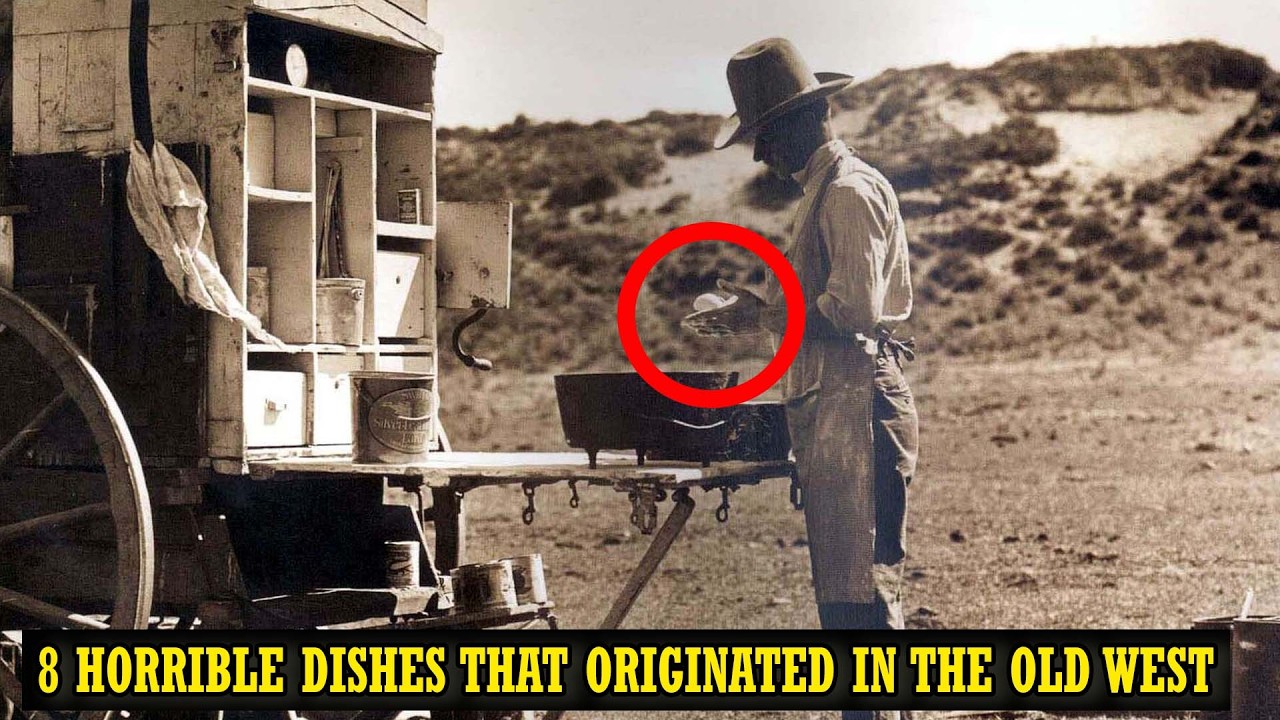
Supplies were scarce, transportation was unreliable, and fresh food was often hard to come by, forcing settlers and workers to rely on practicality and adaptability when it came to meals. Many frontier recipes were born out of necessity, using local ingredients and preservation techniques learned from earlier cultures. Chili was widely enjoyed on the frontier during the second half of the 19th century. Trail cooks working from chuck wagons prepared it in enormous pots to feed dozens of cowboys during long cattle drives, relying on inexpensive cuts of meat combined with spices.
Cowboys commonly referred to it as a bowl of red, and it became a staple because it offered warmth, energy, and satiety after exhausting days on the trail. Its popularity soon moved beyond cattle drives into urban settings, with vendors known as Chili Queens serving the dish in public markets and plazas in San Antonio by the mid-9th century. Texas officially designated chili as the state dish in 1977, cementing its place as one of the most iconic foods to emerge from the Old West. One beverage frequently associated with frontier era saloons was sarsaparilla, made from the root of the sars barrill plant, native to Central and South America.
Long before it appeared in frontier towns, indigenous peoples in those regions had valued it not only as a drink but also for its perceived medicinal qualities. As populations moved and cultures blended across the Americas, knowledge of the plant spread northward, and it became increasingly popular in the American West, particularly as a health tonic. Wild sarsaparilla belongs to the Ginseng family and is known for its bold, somewhat bitter flavor, so it was often combined with other ingredients like licorice root, ginger root, vanilla, and molasses to create a more balanced drink. It is frequently compared to root beer, sharing similar flavor profiles, with root beer widely believed to have been inspired by earlier sarsaparilla drinks.
However, root beer eventually developed its own identity, with the first commercially successful version created by pharmacist Charles Hires in the eastern United States, while sarsaparilla became closely tied to the imagery of the Old West. Cowboy beans also became a reliable staple on chuck wagons, commonly prepared using pinto beans combined with meat and seasonings, all simmered together into a thick, flavorful sauce. The finished dish was similar in texture and appearance to baked beans but adapted to frontier conditions. Beans were a natural choice because dried beans and spices could be stored for long periods without spoiling, making them ideal for cattle drives and remote camps where fresh supplies were unpredictable.
Pinto beans themselves have deep roots in North American food history, having been cultivated and consumed by indigenous peoples for thousands of years, blending indigenous agricultural knowledge with cowboy cooking traditions. Today, cowboy beans exist in many regional and modern variations but remain a strong symbol of Old West cooking
Cowboys favored their coffee extremely strong, often brewing new batches directly over used grounds rather than discarding them, reflecting both taste preferences and practical realities of trail life. Coffee beans were often transported in their raw, unroasted form because green beans lasted far longer without spoiling. This practice began to change in 1868 when John Arbuckle Jr.
developed a method for roasting coffee beans that allowed them to stay fresh for extended periods, eliminating the need for cooks to roast beans themselves. Although Arbuckles business was founded in the eastern United States, Arbuckles coffee quickly gained popularity across the American frontier, especially among cowboys. Trail cooks began purchasing roasted coffee in large quantities, and for a time, the Arbuckle’s name became nearly interchangeable with coffee itself. Today, Arbuckles Coffee is based in Tucson, a city that was once part of the Old West
Pandampo, often translated as camp bread, is traditionally cooked in a Dutch oven set directly over hot coals.
The bread originated with the Tahhano people, communities of Mexican descent living in what is now Texas, whose food traditions were shaped by ranch life and limited ingredients. While working on ranches, Tahhanosand Spanish vakeros relied on pandeo as a simple and dependable addition to daily meals. The recipe required only basic ingredients such as flour, baking powder, salt, water, and some form of fat, making it easy to prepare even in remote locations. It cooked quickly, developed a sturdy outer crust, and traveled well, making it ideal for long days of ranch work.
By the 20th century, Pandao had become a celebrated symbol of South Texas heritage, beginning to appear at public gatherings and festivals. In 1978, this appreciation led to the creation of the Pandampo Cookoff and Festival held in San Diego, highlighting the bread’s historical roots while keeping the tradition alive through friendly competition
Despite their misleading name, Rocky Mountain oysters have nothing to do with seafood; the term was a bit of Frontier humor disguising the dish’s true origin, as they are made from bull testicles. According to sources such as What’s Cooking America, these were once regarded as something of a delicacy. Their rise in popularity was closely tied to ranch life in the American Old West, where practicality often guided what ended up on the table.
Food options were limited, and wasting usable ingredients was rarely an option, so ranchers and cowboys adapted what they had on hand. Historical accounts note that the meat was commonly peeled, coated, and fried, a technique that helped improve texture and flavor, a method that remains most familiar today. Similar dishes, sometimes referred to as Storo, exist in other cultures as well, and mountain oysters are still served in certain regions of the American West
Bacon’s popularity on the American frontier played a role in shaping its lasting reputation, particularly a form known as sa belly. According to True West magazine, sa belly referred to pork taken from the sides and back of a pig, cuts particularly high in fat, making them well suited for preservation through heavy salting.
This created a cured product that could last for extended periods without refrigeration, making it ideal for long cattle drives and frontier travel. So important was cured pork to frontier life that it even appeared in popular culture of the time, mentioned in the folk song Old Chisum Trail, which reflected everyday experiences on cattle drives and even encouraged the consumption of bacon
Vinegar pie is often associated with the Great Depression, but its roots reach further back in American history, with recipes appearing as early as1905. The dessert emerged from environments where resources were limited and creativity was essential, consisting of a simple mixture poured into a crust typically made with fat, sugar, flour, spices, eggs, and vinegar. As noted by Chronicles of the Old West, one of the pie’s greatest strengths was its flexibility, with no strict rules; molasses or honey might replace sugar, spices could be adjusted or omitted, and eggs were sometimes left out entirely.
According to Off-theG Grid News, vinegar served a purpose similar to citrus in baking, providing a bright, tart note that balanced sweetness, offering acidity without the risk of expiration. This clever substitution allowed frontier cooks to enjoy a sweet dish even in the leanest times
These foods may sound shocking by modern standards, but they reveal an important truth about life in the American Old West: people survive by being resourceful. These dishes were born not from comfort or convenience, but from necessity, ingenuity, anda refusal to waste anything that could provide nourishment.
In a land where supplies were uncertain and fresh ingredients were rare, frontier cooks adapted indigenous knowledge, preserved foods, and creative substitutions to feed working cowboys, ranchers, and settlers.