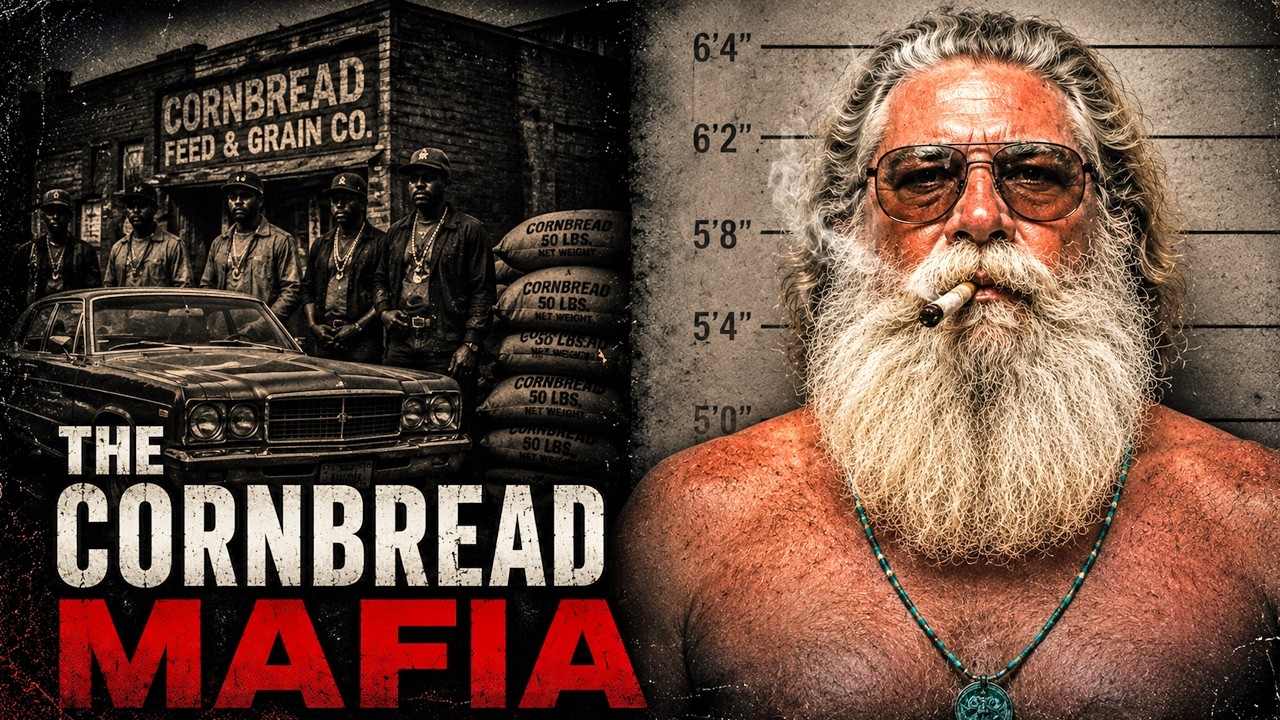
In an alternate version of history, the Confederacy does not collapse in 1865. It survives, and the United States is permanently split into two nations. The outcome is the same regardless of how it happens—whether Washington accepts peace after years of bloodshed, foreign powers intervene, or Lincoln’s government breaks under pressure. There are now two Americas: a wounded and humiliated United States in the north, and a proud but poor Confederate States in the south that is hungry to prove its survival was not mere luck.

While the war is declared over in the East, with generals giving speeches and politicians shaking hands stiffly, the West becomes the place where both nations go to settle unfinished business. The Confederacy sees a strategic problem in its geography. Its heartland is trapped between a blockaded Atlantic coast and a threatened Mississippi River. Its economy depends on land, labor, exports, and pride, a dangerous combination.
So Confederate leaders look beyond Louisiana, Arkansas, and Texas, toward the burning deserts of New Mexico and Arizona. They do not call it conquest. They call it destiny, security, and opening the frontier. Everyone understands what it means: the South wants a western empire.
Texas becomes the launchpad for this expansion. Confederate officers, land agents, cattle barons, railroad men, and private militias pour across its dry plains. Old wartime cavalry units are repurposed as border patrols, and former soldiers who once charged at Union lines now ride through desert towns in gray dusters instead of gray uniforms. The new Confederate frontier is built with forts, telegraph wires, cattle trails, mining claims, and armed men who ask questions after they shoot.
New Mexico becomes the first great prize because whoever controls it controls the routes west, south into Mexico, and north toward Colorado. Arizona is even more tempting, with its silver, copper, open land, and enough distance from Richmond for men to act like kings. The Confederacy promises order and claims it will bring law to the frontier, but its laws serve its own flag. Union loyalists are watched.
Northern merchants are taxed, searched, or quietly driven out. Freedmen who try to build new lives in western towns find themselves hunted by bounty riders and trapped by new labor laws dressed up as contracts. The chains no longer look like chains. Railroads become weapons, and every track laid westward is a claim.
A railroad station becomes a town, a town becomes a courthouse, and a courthouse becomes a garrison. The map changes without one formal declaration of war. Washington panics at this expansion. California is too rich to lose, Colorado’s mines are too important, and Kansas and Nebraska are too close to the wound.
The old United States begins its own western race, enlarging Union forts, pushing northern railroad companies harder, and settling veterans in border towns with rifles above the fireplace and memories they do not discuss. The frontier becomes a divided one rather than a free one. In a saloon near the New Mexico line, half the room drinks to Richmond while the other half curses it. A card game can become a gunfight over one wrong word, a stranger’s accent can get him followed, a railroad surveyor might be a spy, and a preacher might carry messages in his Bible.
The Confederacy grows stronger in this western environment rather than softer. The Old South had plantations, but the New South has mining camps, forced labor crews, military railroads, cattle syndicates, and desert forts. It learns to be lean and mobile, ruling places where courts arrive late and bullets arrive early. The Confederacy wins peace in the East, then turns the West into its second war, trying to surround and bleed the old United States across a thousand miles of desert rail and dust rather than conquer it directly.
As Confederate riders push deeper toward Arizona, another war waits ahead, not between North and South alone, but between empires, tribes, outlaws, settlers, and every forgotten people trapped in between. By the 1870s, the Confederate West has tracks, forts, maps, banks, and men willing to kill for a land deed. The railroad becomes the new weapon, and every mile of track is a warning. Richmond knows it cannot match the United States factory for factory, so it chooses a different plan.
It stretches west to grab desert routes, control borderlands, and build a chain of power from Texas toward the Pacific. On paper, it looks glorious. A southern rail line runs from eastern Texas toward El Paso and pushes into New Mexico and Arizona. Confederate newspapers call it the road of empire, investors call it progress, generals call it defense, and poor men call it work.
The men forced to swing hammers under guard call it nothing at all, because this frontier is not built by free hands alone. The Confederacy cannot carry the old plantation system into the desert, so the system adapts and becomes harder to see. There are convict camps, debt labor gangs, security contracts, and mining crews watched by armed riders. The names change, but the power does not.
At first, the rail towns look like proof of success. A depot rises in the dust, followed by the saloon, the blacksmith, the church, the telegraph office, the jail, and the land office, and then the lawyers. Each town is also a fortress with rifle pits near bridges, mounted patrols guarding water stations, and telegraph clerks using code words when Union riders are spotted. Every train carries rifles, payroll money, government orders, wanted posters, and secret lists of names.
The United States answers in kind, backing its own railroads through Kansas, Colorado, Utah, and California. Northern companies hire guards, Union veterans become marshals, and railroad crews work with rifles stacked near the ties. The old United States cannot invade the Confederacy without starting another full war, so it builds faster instead. The West becomes a giant chessboard where the pieces are towns, mines, water holes, and mountain passes.
New Mexico is the center of the board, and both nations flood it with agents, some in uniform, some in dust-covered coats, some pretending to sell dry goods, some pretending to preach. A man can arrive with a Bible, a whiskey sample case, or a box of railroad tools, and no one knows which government he serves. Arizona becomes even wilder, seen by Confederate leaders as the bridge to California, the golden prize with its ports, gold, farms, and access to the Pacific. For Richmond, reaching California would mean the Confederacy is no longer trapped.
But Arizona does not obey Richmond. Mining towns spring up overnight and vanish just as fast. Confederate officers try to tax them, mine owners hire private gunmen, and Mexican traders cross the border with supplies, news, and sometimes rifles hidden under flour sacks. Outlaws discover that two rival countries make crime easier, robbing a Confederate payroll then riding north, or robbing a Union stagecoach then riding south.
Native nations see both flags as threats and know what railroad tracks mean. Tracks bring soldiers, soldiers bring settlers, settlers bring fences, and fences bring hunger. Raids increase, ambushers hit work crews, telegraph lines are cut, horses disappear from forts, and bridges burn in the night, with both Richmond and Washington blaming each other before admitting the truth. The land itself is fighting back through the people who already live there.
The Confederate dream begins to crack as it pushes west. Richmond can send orders, but orders do not survive well in desert heat. A governor in Arizona starts acting like a prince, a railroad boss buys judges, a cavalry commander ignores peace talks because war keeps his budget alive, and cattle barons fence land they do not own. The empire grows, but control shrinks.
By the 1880s, the Confederate push west has created something nobody planned. Richmond wanted a desert empire, Washington wanted to contain it, railroad men wanted profit, cattle barons wanted land, soldiers wanted promotion, and outlaws wanted everyone else to stay confused. The result is a West that looks less like a frontier and more like a cracked mirror. Union forts guard northern routes, Confederate patrols ride from Texas into Arizona, Mexican fighters move through the borderlands, Native nations strike back against both flags, freedmen build hidden settlements in canyons where no courthouse can easily reach them, and outlaw bands drift from one side to the other.
This is no longer north against south, but everyone against the map. Both governments try to pretend they are in control, with Washington claiming the West is being secured and Richmond claiming the frontier is being civilized. On the ground, nothing is clean. A single desert town might have a Union doctor, a Confederate sheriff, a Mexican trader, a native scout, three wanted men, two railroad spies, and a preacher who knows where the bodies are buried.
The jail changes hands more often than the church bell rope, and the flag over the courthouse depends on who rode in last night and who still has ammunition by morning. The breaking point comes in Arizona, which the Confederacy needs as the road to California. Without it, the southern empire ends in dust. With it, Richmond can threaten the Pacific.
Arizona becomes a trap because the land is too vast, too dry, and too full of enemies. Confederate forces depend on long supply lines, so one burned bridge can starve a garrison, one poisoned well can stop a cavalry column, and one stolen telegraph code can turn an entire campaign into a funeral march. Union agents cannot openly invade without risking a second Civil War, so they feed the chaos by paying informants, moving rifles through mining towns, leaking maps to raiders, and encouraging every man with a grudge against Richmond to remember his patriotic duty. The Confederacy does the same, backing secession talk in California, arming southern sympathizers in Nevada, and sending riders into Colorado to cut rails and burn depots.
Both governments deny everything. Neither side controls the rebellion it helps create. Native warriors hit rail lines because the tracks threaten their survival, not because Washington asked nicely. Escapees attack Confederate camps because they know what waits if captured.
Mexican fighters strike border forts because they want power over their own land. Outlaws rob trains because payroll money is better than politics. The West becomes a storm made of separate grudges, and storms do not take orders. The Confederate frontier soon begins to eat itself.
A railroad boss refuses to pay taxes to Richmond because his private army is larger than the local garrison. A cattle king declares his range closed and shoots anyone who disagrees. A Confederate governor in Tucson starts making treaties without permission, and a general in New Mexico keeps a war going because peace would make him ordinary again. Washington watches the Confederate West weaken and prepares to strike, but the old United States has its own problem.
Its citizens are tired of war, its generals fear another bloodbath, California does not want to become a battlefield, miners want gold, farmers want water, and railroad men want government money with no speeches attached. The Union hesitates, and that hesitation gives birth to a wide broken zone between Union and Confederate power. No single flag rules it for long. Hidden freedmen towns trade with Mexican villages, Native groups make temporary alliances with whoever threatens them least that month, deserters become guides, outlaws become sheriffs, and sheriffs become outlaws.
It is not liberty exactly, but survival wearing liberty’s coat. By the late 1880s, Richmond has forts, railroads, maps, and speeches, but it does not have peace. Every new town needs soldiers, every mine needs guards, every mile of rail needs repair, every harsh law creates runaways, and every hanging creates brothers, sons, and friends who want revenge. The empire grows wider and weaker at the same time.
Then comes a massacre that breaks the illusion. A Confederate column rides into a rebel valley to crush a mixed settlement of freedmen, deserters, Mexican families, and native allies. Richmond calls them bandits, while Washington calls them victims. The newspapers turn the valley into a symbol before the dead are even buried.
The Union public demands action, Confederate hardliners demand revenge, border towns arm themselves, railroads stop running at night, California calls up militia, and Texas sends volunteers. Nobody declares war, but the West is already burning. The Confederacy wins its independence in the East but loses its soul in the West. The United States survives but cannot heal while half the continent bleeds.
The Wild West, instead of becoming a legend of cowboys and open trails, becomes a final battlefield of a civil war that never truly ended. The West is not where America becomes whole. It is where America breaks again.