The romantic image of the Wild West bounty hunter is a lone gunman who spots a wanted poster, rides into the desert, and returns with an outlaw slung over his saddle. The reality was far less simple. A dangerous fugitive could be pursued by a county sheriff, a deputy, a United States marshal, a railroad detective, a company special agent, a temporary posse, or a private citizen hoping to collect a reward. Bounty hunting was not one organized profession with standard rules, and most serious manhunts began with legal papers, local authority, and cooperation between several people.
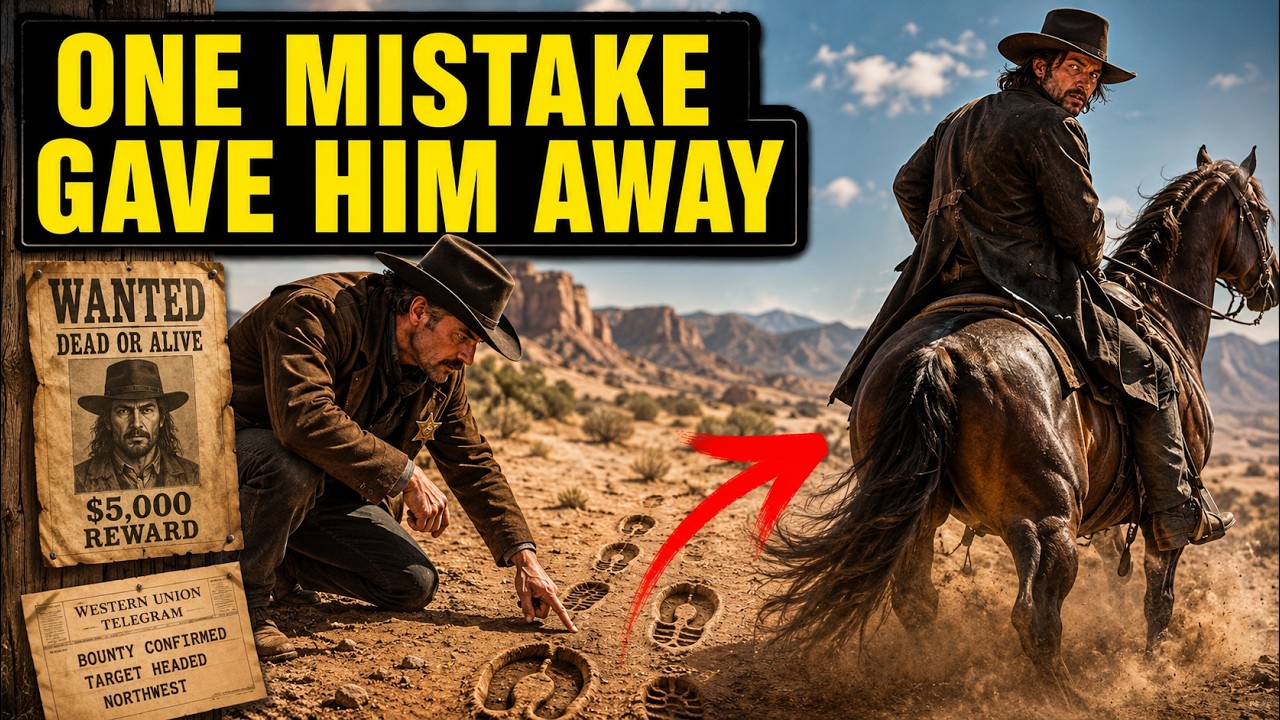
Rewards were offered by governments, counties, banks, railroads, express companies, and private citizens, and the person offering the money usually set the conditions. Some rewards required an arrest and conviction, not simply the delivery of a suspect. That meant the hunter needed evidence, witnesses, and the correct man. Even when a notice used the words “dead or alive,” it did not erase ordinary legal limits, and authorities often wanted the outlaw alive so he could be identified, questioned, and connected to other crimes.
The main challenge was finding one person in a vast region where names could be changed and records were incomplete. Before anyone studied tracks in the dirt, the hunt usually started with information on paper. A warrant named the person to be arrested and the charge against him. Witness statements added details about the crime and escape route.
Reward notices and detective circulars then carried the description to other towns, listing approximate age, height, build, scars, missing fingers, known aliases, former jobs, relatives, and regular companions. Clothing was included, but experienced investigators knew it could be changed quickly. A lasting mark or a familiar way of walking was harder to hide. Photographs became more important late in the 19th century, although many fugitives had never been photographed.
Private detective agencies and express companies built collections of faces and descriptions that worked like early criminal databases. Wells Fargo investigator James B. Hume kept a mugbook of suspected and convicted robbers, while the Pinkerton agency collected photographs, reports, and information about associates. One careless portrait could damage an entire gang.
The Fort Worth photograph of Butch Cassidy, the Sundance Kid, and other Wild Bunch members was recognized and copied into wanted material, giving investigators clear faces to circulate far beyond Texas. A skilled lawman did not begin by riding in a random direction. He began by asking who knew the outlaw and what the outlaw needed. Most fugitives depended on relatives, friends, former gang members, or communities where they believed they would not be reported.
Investigators questioned witnesses separately and compared their stories, asking when the suspect was last seen, what horse he rode, what name he used, and which road he took. Small differences mattered. A hotel clerk could recognize an alias, and a ferry operator could report how many riders crossed a river. Trackers also watched the outlaw’s social circle.
Instead of searching every canyon, they could observe a friend who suddenly purchased extra food or a relative who received an unexpected visitor. Informants were often more valuable than any physical trail. Some provided information for reward money, while others wanted protection, had argued with the fugitive, or did not want trouble brought into their community. Tips were not automatically trusted.
A false report could send a posse in the wrong direction for days, so good investigators checked a tip against travel time, known habits, and signs on the ground. Once a direction was known, tracking became a careful study of changes in the landscape. Hoof prints could suggest how many horses had passed and whether one print had a distinctive shape. Boot tracks, broken plants, disturbed dust, and the remains of a fire could show that people had passed through.
Investigators sometimes compared a track with a suspect’s boots or the shoe on a known horse, but the evidence was rarely as perfect as it appears in fiction. Wind could cover marks, rain could destroy them, and hard ground might hold almost nothing. The best trackers combined physical signs with knowledge of the land. They knew which mountain pass remained open, which trail reached a settlement, and which springs still held water in a dry season.
Native American scouts from many nations served as guides and trackers during the Western era, especially in military operations. Their effectiveness came from individual experience and close knowledge of specific regions. A tracker unfamiliar with the region could follow a visible line and still lose the target, but a local guide could often predict where the fugitive had to lead because people and horses could not ignore water, shelter, and safe places to rest. A fugitive’s speed depended heavily on the condition of his horses.
An outlaw could change his name and shave his beard, but he still needed water, feed, replacement shoes, and fresh animals. That created a trail through ranches, liveries, blacksmith shops, and stage stations. Investigators asked whether a tired horse had been sold cheaply or whether an animal with a known brand had appeared far from home. Horseshoes could leave recognizable patterns, and stolen horses created another problem because owners could describe brands and markings.
A large gang was harder to hide because several animals needed far more water and feed than one rider. Pursuers faced the same limits. A posse that pushed too hard could exhaust its own mounts and lose the trail. Successful lawmen planned for remounts, forage, and long distances rather than depending on one non-stop chase.
Records from the pursuit of Billy the Kid show expenses for deputies, posse members, hired horses, and forage. A real manhunt was also a moving supply problem. Every delay gave the fugitive more distance, but every rushed decision could leave the hunters without usable horses. Frontier towns were small information systems where strangers were noticed.
Lawmen developed relationships with postmasters, railroad employees, bartenders, store owners, and local officers because these people saw movement through the area. They did not need to know a man was a famous outlaw, only that he used two names, carried an unusual amount of cash, or asked about roads and patrols. Newspapers expanded this network by printing descriptions and reward offers, though they also repeated rumors and printed inaccurate accounts. An investigator had to separate useful facts from a story written to sell copies.
Rewards encouraged tips, although money also produced lies. Payment was therefore often tied to an arrest, conviction, or recovery of stolen property. Wells Fargo agents printed reward notices after robberies and worked with local sheriffs. A local lawman might know every family in one county, while a large company could compare a new robbery with older cases, recognize repeated methods, and send descriptions through offices across several states and territories.
The telegraph made it harder for an outlaw to outrun the news of his own crime. Before telegraph lines reached a region, a warning traveled at the speed of a rider. Once towns could exchange messages, a sheriff could alert lawmen ahead of the fugitive instead of only following from behind. Messages were short because sending them cost money, so they focused on names, descriptions, and likely routes.
Telegraph offices were closely connected to railroad operations, making stations important points in a manhunt. A station agent could receive a warning, watch arriving passengers, and notify local officers. Railroads helped fugitives cover long distances, but they also forced travelers through scheduled stops where conductors, ticket agents, and detectives could notice them. Railroad and express companies hired investigators because robberies threatened their business.
These investigators maintained files, compared reports, and followed suspects across areas that no single sheriff could cover. Wells Fargo special agent John Thacker used the telegraph while pursuing train robbers, reporting his position and how far ahead the suspects were. By the late Old West period, a gang could escape on horseback and still find its description waiting at a rail junction. Jurisdiction was one of the biggest weaknesses in Old West law enforcement.
A town marshal usually worked inside a town, while a sheriff’s main authority was tied to a county. In Indian Territory, legal authority could depend on the citizenship of the people involved and the nature of the crime. Deputy United States marshals from the federal court at Fort Smith traveled into the territory to serve warrants and return prisoners, sometimes covering very large distances. Bass Reeves became one of the best known of these deputies because he understood the region, had experience as a scout and tracker, and worked there for decades.
Old West outlaws tried to use boundaries to their advantage. Crossing into another county, territory, state, or Mexico could delay pursuit while officers requested help or arranged authority. A private detective might continue gathering information across those lines, but making a lawful arrest could still require a local officer. Cooperation was essential.
Sheriffs exchanged telegrams, governors issued rewards, and marshals carried federal warrants. A posse was not simply any group of armed riders; it was normally a group called together by a law officer for a specific duty. Many captures came from waiting, deception, and timing rather than a long chase at full speed. Lawmen used aliases, plain clothing, and cover stories when openly wearing a badge would warn the area.
Bass Reeves was known for undercover work and for memorizing warrants that had been read to him. Private detectives watched known contacts and built files over months or years. An outlaw who avoided town still needed trusted people to bring food, news, or horses. Watching those connections could reveal a pattern.
Pat Garrett’s search for Billy the Kid depended less on one perfect set of tracks than on understanding the people and places the Kid knew in New Mexico. After Billy escaped custody in 1881, Garrett followed reports that placed him around Fort Sumner, where he had friends and strong local connections. A person could disappear from official records without disappearing from his own life. The more famous an outlaw became, the harder it was to trust strangers, buy supplies, or spend stolen money without creating a new report.
Finding a suspect was only part of the job. Lawmen still had to confirm identity, make a lawful arrest when possible, protect prisoners during the return trip, and connect the person to a specific crime. A famous name was not enough. Investigators compared faces, scars, aliases, stolen property, witness statements, and information from accomplices.
Company detectives were especially interested in recovering identifiable items because property could link a suspect to a robbery more clearly than rumor. James B. Hume used distinctive boot tracks and a stolen coin as evidence against stage robbers, and his larger records eventually included hundreds of robberies. The return trip could be as difficult as the search.
Prisoners had to be moved across long distances, watched at stops, and delivered to the authority named in the warrant. Crowds, local allies, bad weather, and weak jail buildings created new risks. Some outlaws escaped after an earlier capture, forcing the process to begin again. Billy the Kid’s case showed how expensive this could become, with official records listing the cost of deputies, horses, and forage.
The Wild Bunch case showed another chain: photographs and organized detective files made faces portable so suspects could be recognized far from the place where their crimes occurred.