The machinery of the Holocaust ground to a halt in 1945, but the machinery of justice sputtered and misfired for nearly half a century, targeting a ghost while the real monster vanished into the ether. In the heart of the Treblinka extermination camp, survivors from separate nations, who had never met after the war, independently described the same terrifying figure—a man they called “Ivan the Terrible.”
He was not merely a cog in the machine; he was the man who fed the engine that pumped exhaust into the sealed gas chambers where 800,000 to 900,000 people were murdered in just fifteen months. He was the sadist who stood at the doors with an iron pipe and a sword, mutilating victims before they entered, using his knife to cut flesh from the living as they pushed past him toward death. Accounts compiled from 1944 onward, including one written while the camp was still in operation, describe a man with kind eyes who committed atrocities that defy the limits of human comprehension.
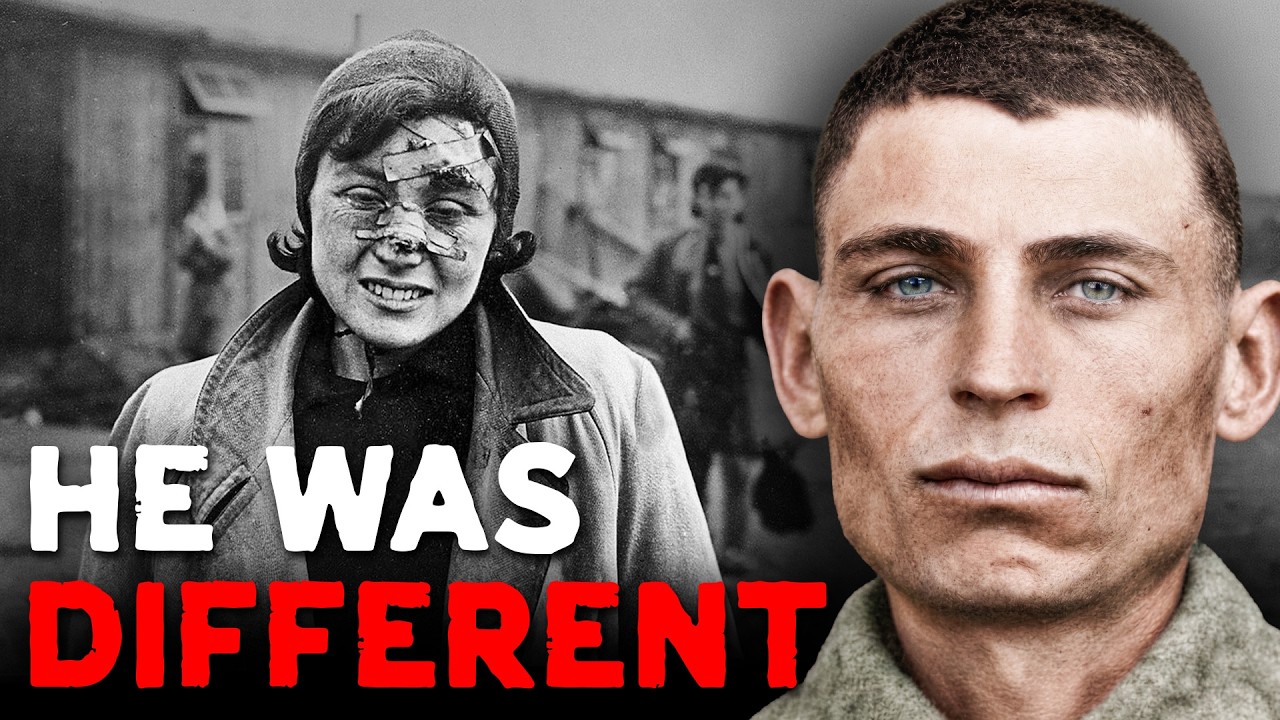 For decades, these accounts were a dead end. The man who matched the testimonies had a name, but it was printed nowhere on the bureaucratic machinery of the Reich. He was Ivan Marchenko, a Soviet Red Army conscript captured in 1941, who traded the lethal conditions of a POW camp for the uniform of a Trawniki-trained auxiliary guard.
By 1942, he stood at the engine of Treblinka. He was married and a father of three, a man with no rank, no ideology, and no paper trail. Like thousands of collaborators, he vanished into the chaotic sediment of a collapsed continent.
The investigation into “Ivan the Terrible” surfaced a seemingly perfect match in the 1970s: John Demjanjuk, a retired Ford engine worker living in suburban Cleveland, Ohio. Demjanjuk had a different surname, a different look, and a different life. But a sliver of a bureaucratic error—the writing of his mother’s maiden name as “Marchenko” on a immigration form in 1948—would send him to the center of a political and historical vortex.
In 1986, he was extradited from the US to Israel to face trial as Ivan the Terrible.
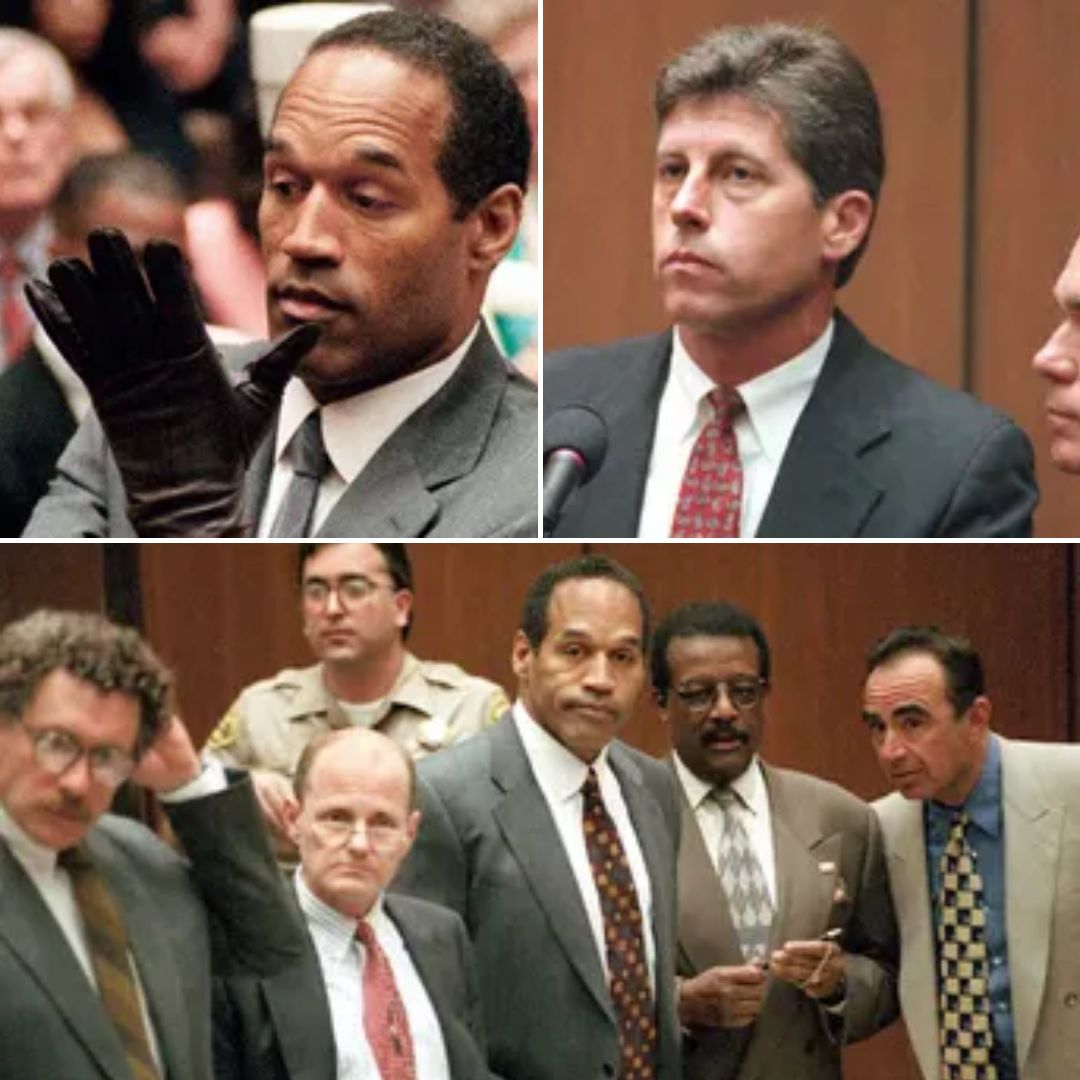
The trial was a high-stakes spectacle, staged in a Jerusalem theater, broadcast to a nation hungry for the judgment of its torturers. Survivors took the stand. They faced the man the world believed responsible for their deepest trauma, and they pointed their fingers.
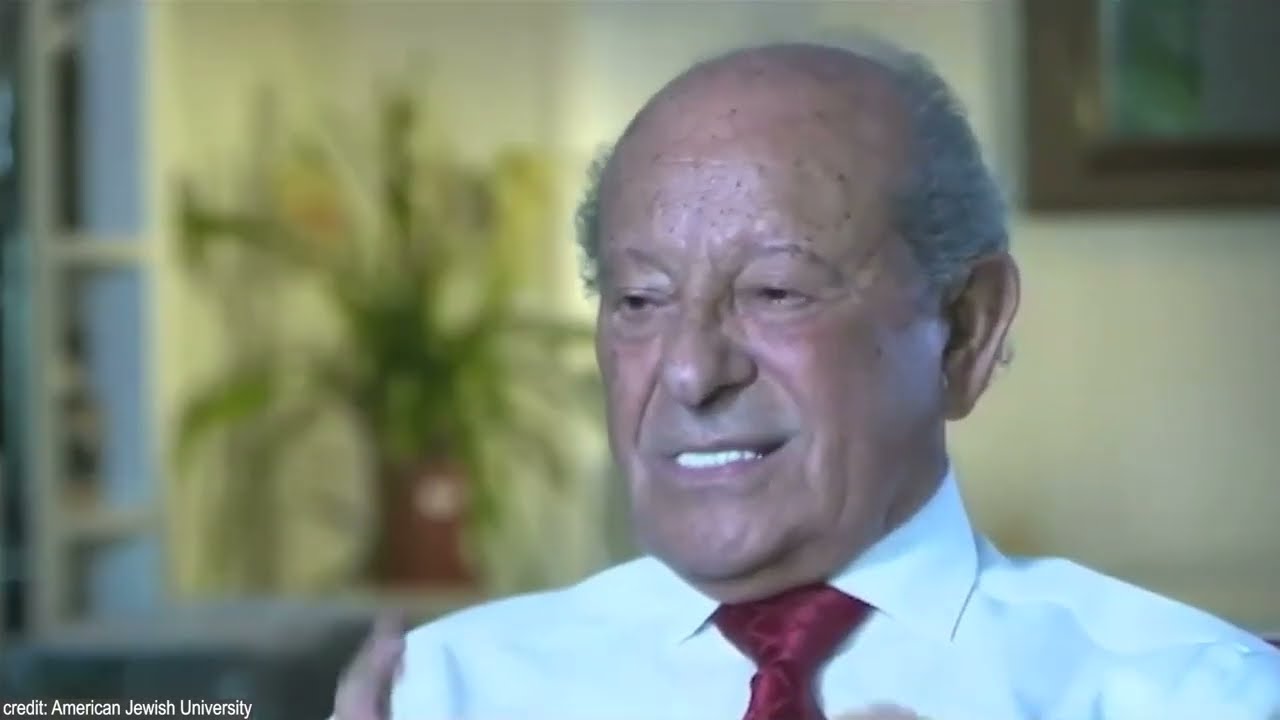
Eliyahu Rosenan asked for the glasses to be removed, looked into the eyes, and proclaimed without a doubt: “That is Ivan.” In April 1988, Demjanjuk was convicted and sentenced to death, a cathartic moment that seemed to deliver the verdict history demanded. Yet, the myth of Ivan the Terrible was built on a foundation of misidentification, a foundation that was about to be dynamited not by a brilliant defense attorney but by the collapse of the Iron Curtain and the fall of the Soviet Union.
The KGB archives, opened in the chaos of 1991, contained a trove of interrogation transcripts from the 1950s and ’60s. Dozens of former Treblinka guards, interrogated separately in different cities across the vast Soviet union, had consistently named the man at the gas engine: Ivan Marchenko. Not John Demjanjuk.
The 37 statements were the pivot. They described Marchenko as heavy-set, broad-shouldered, with brown hair and a large scar running down the neck. Demjanjuk was fair-haired, blue-gray-eyed, and had no matching scar.
 Marchenko was a married father of three. Demjanjuk had one child. Demjanjuk was nine years younger, roughly the same gap that divided their birth years.
The mismatches were so profound that the image of the gas chamber operator and the Ford worker could not be reconciled—they were two different beasts entirely. The identification card proving Demjanjuk had trained at Trawniki, was genuine, but the badges of hard evidence of the gas-chamber murderer pointed elsewhere.
The investigation of Demjanjuk consumed over a decade of resources. He was tried, convicted, slated for execution, all in the name of the real ghost standing in his place. The true Ivan Marchenko was never hunted, never charged with a specific crime, never even seriously looked for until the records of him had almost vanished.
The wrong case had championed the wrong man. But this story does not end with Demjanjuk’s life under a cloud of suspicion; the 1993 Israeli Supreme Court decision makes the discussion incredibly hair-splitting. The overturning of his conviction was based on “reasonable doubt,” not “proof of innocence.”
The court repeatedly stated that the ID card was likely authentic, that Demjanjuk was indeed a Trawniki-trained SS auxiliary. But the specific crimes—the mutilations, the engine of Treblinka—now fell to the name of a man who was never brought here to face trial.
The story of Marchenko becomes even more surreal when placed against his counterpart. Nikolai Shalav was the other guard who worked the exact same engine at Treblinka. They were two men in one shed.
Shalav did this gruesome work, but he was found, traced, arrested by Soviet investigators, and executed in 1951. His arrest, interrogation, and death are documented. Ivan Marchenko, the man described by survivors at the doors with the sword, the man fitting the terror, was never traced by Soviet or Western intelligence.
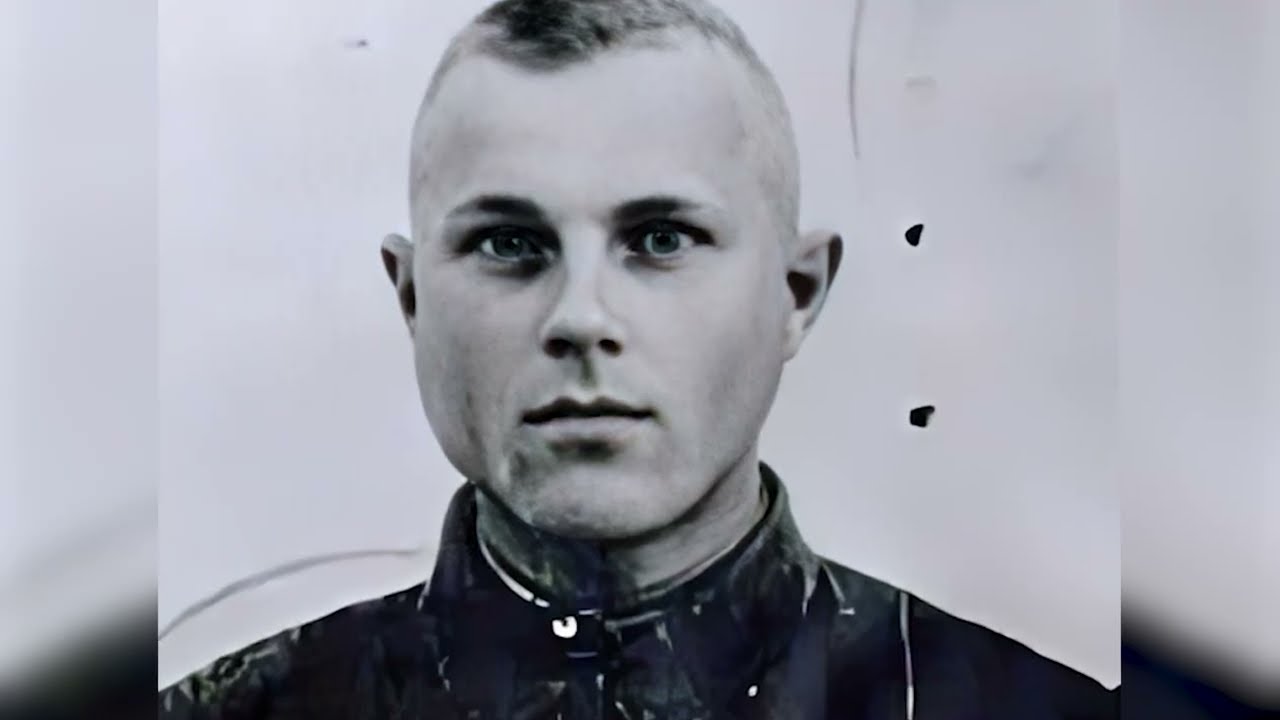 He is last reported by Shalav to have been seen in Trieste, Italy in 1944, and then separately by Shalav in 1945, coming out of a brothel in Fiume (Rijeka), telling his comrade he had joined the Yugoslav Partisans. After that—nothing. No arrest, no body, no death certificate, no confirmed photograph after the war—a complete evaporation that allows us to trace the exact failure of a system that points at the wrong house while the real Ivan lives, breathes, and dies, likely in peace.
In the end, the dimensions of the failure are staggering. As early as 1978, American investigators had received statements from former Treblinka guards that exculpated Demjanjuk, but these documents were withheld from the defense—a fraud on the court, the US Sixth Circuit Court ruled in 1993. Demjanjuk returned to Ohio, was stripped of citizenship again, and ultimately tried in Germany in 2009/2011 for his role at Sobibor, another death camp.
He was convicted as an accessory to 28,000 murders while he was on duty there, dying in a nursing home in 2012 with an unresolved appeal. He was never innocent in the general sense; he was indeed a trained death camp guard. But he was not Ivan the Terrible.
He was not the mutilator at the doors of the gas chambers.
The search for perpetrators after the Holocaust involved a global effort. Operation with a centered network of offices from Ludwigsburg to Miami, thousands of names pouring out across decades. But two men worked the gas shed.
One names Schalav was found and executed within six years. The other, Marchenko, vanished. Why the disparity?
Was it simply a lack of assets, or was the primary focus on a suspect already tilting the focus of the investigation—so much about who the world needed “Ivan the Terrible” to be that we let the real man slip away between the wrong conviction, the undeniable reality of the trial, and the bureaucratic inertia?
 Perhaps the most frightening truth of the trial is what is left behind. Ivan Marchenko did not have the resources to right history. He didn’t escape via case of criminal ingenuity.
He escaped because the justice system, in its eager obsession with a face underlined in survivors’ testimony, fitted that face to the first plausible Ukrainian who was alive and findable in the West. The charge was the “right” crime in the “wrong” body, the guilt of the actual old man remains, all evidence by name and action. The search failed not only because Marchenko hid well but because it looked elsewhere.
The survivors who pointed at the tourist in the courtroom were not dishonest. They were not lying. They were told they were mistaken, but they had been describing the man from the Treblinka gas chambers with the terrifying accuracy of someone with the deepest trauma.
They had the wrong face in the dock. The weight of that misdirection, of the world’s attempt to bring history to a scalp, and the wasted manhunt that let the true object of terror live out his natural life without the fear of a doorstep knock—this is the nagging, unresolved mathematical certainty at the end of the story.
In the pantheon of the cruelest, the imperative among them, the ones who have been caught, have their own records, to be seen as them. A book; a scaffold; a transcript. The name Ivan Marchenko exists only as a static name in a transcript, on the other side of the bureaucratic ledger of the dead.
His weapon was time. The trail was piece of equipment. Cold for forty years.
But why did he remain so? Because the majority of the establishment was occupied in a race for justice that, while processing the days, the years, the decades of the modern American man, the real executioner was another person entirely. Ivan Marchenko was not elusive.
He was ignored. And in the shadow of the same machine, his accomplice had died for the humanity, while the ghost that the survivors saw in their wandering nightmares, was never found.