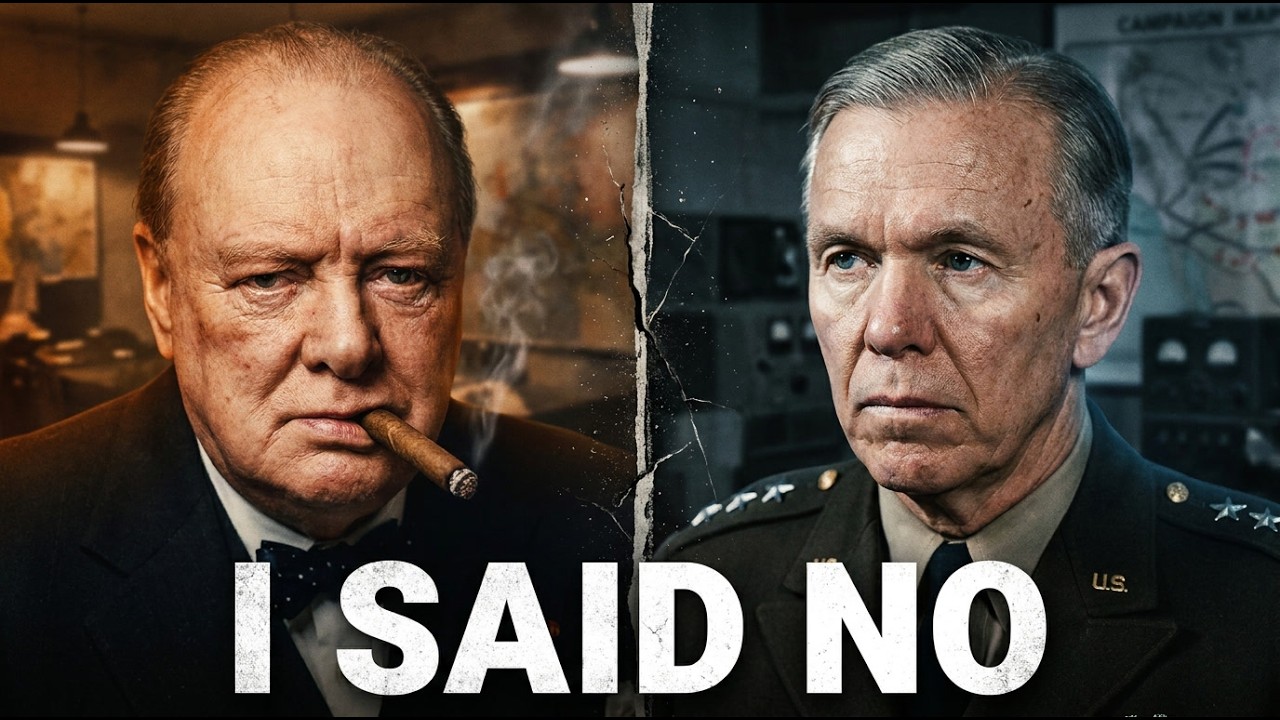
The most senior American ground commander in Europe read the transcript twice, his hands steady on the paper, and then placed a telephone call that would bring the Allied high command to the brink of collapse. It was January 7th, 1945, and the Battle of the Bulge was still bleeding into the frozen Ardennes forest. The German lines were breaking, but they had not yet broken, and the American soldiers doing the breaking were paying for every yard of ground with their lives.
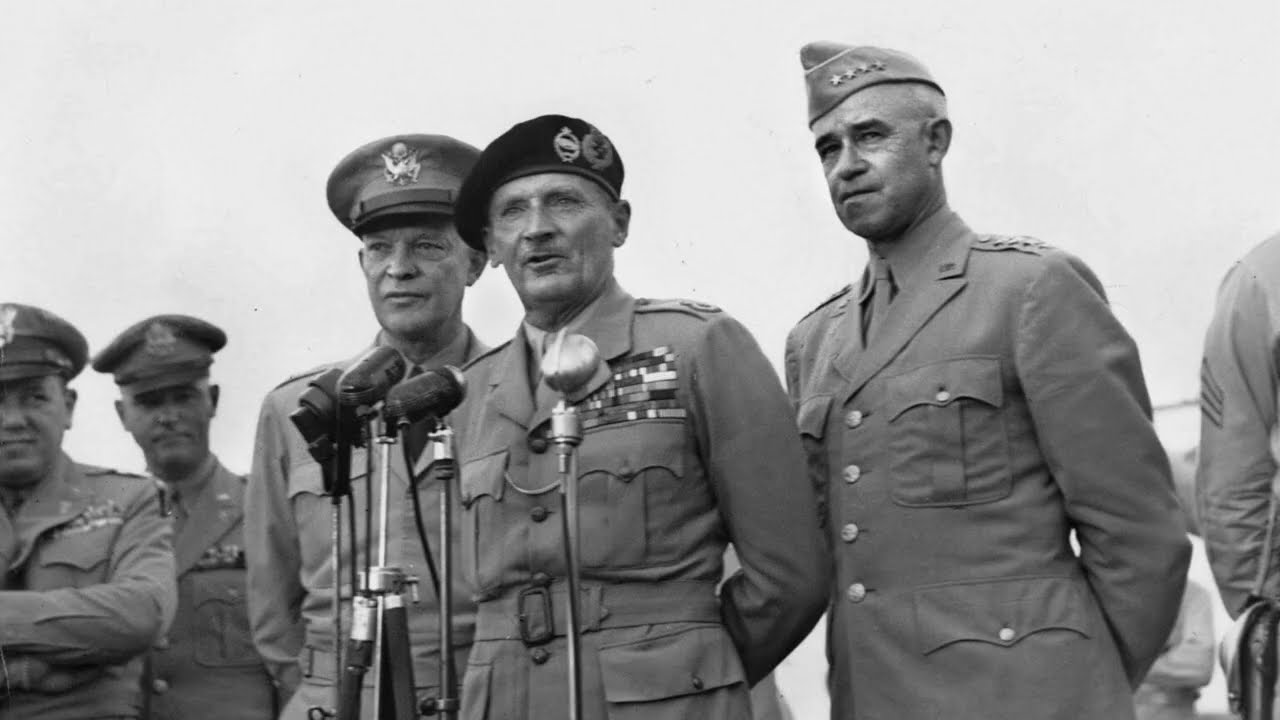
In the middle of this carnage, Field Marshal Bernard Law Montgomery, the British commander of the 21st Army Group, had decided to hold a press conference. He had not coordinated with Supreme Allied Commander Dwight D. Eisenhower.
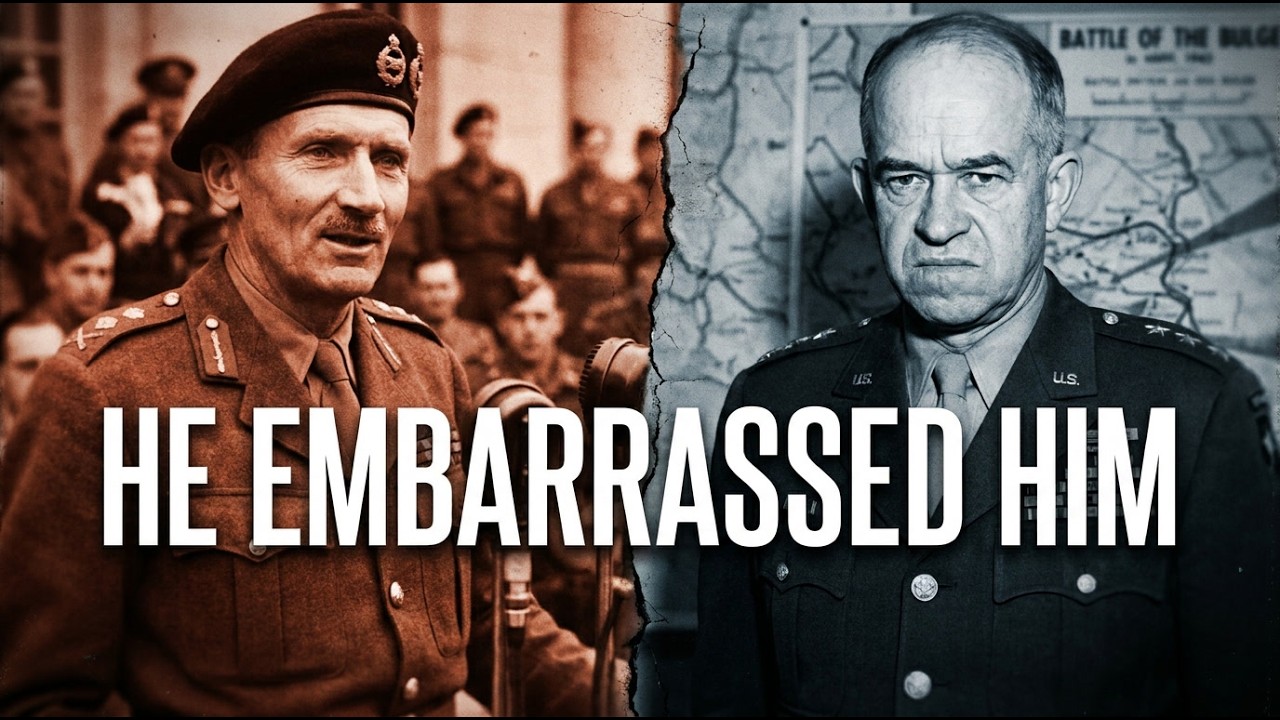 He had not informed General Omar Bradley, the man who commanded more American troops than any general since Ulysses S. Grant. He simply walked into a room full of reporters and began to speak.
The press conference lasted forty minutes, and by the time it ended, the carefully constructed edifice of Allied unity had been dealt a blow more damaging than any German panzer division had managed in six weeks of offensive. Montgomery, with the air of a man presenting incontrovertible facts, described the battle as a crisis in which American forces had been overwhelmed, disorganized, and in need of rescue. He described the moment when, in his telling, a steady hand of experience had been required to take control of the northern shoulder of the bulge and restore order.
That hand, he implied with the precision of a surgeon, was his own. He praised American soldiers for fighting with “great bravery,” a phrase that landed among the assembled journalists exactly as it was intended to, as a compliment from a superior to a subordinate who had performed admirably under the direction of a wiser mind.
The transcript went out over the wire services before the press conference had concluded. By afternoon, it was being read in newsrooms across the United States. By evening, it was being read in American unit headquarters throughout the European theater.
The summary version, stripped of Montgomery’s careful qualifications and reduced to the impression the words were designed to create, read across dozens of publications as a simple, devastating narrative. Montgomery had saved the Americans at the Battle of the Bulge. It was not technically what he had said.
It was precisely what he had meant. And the man who had commanded the American First and Third Armies, who had directed the southern pincer of the counteroffensive, who had been fighting the Germans since North Africa, sat in his headquarters in Luxembourg City and read the words with a stillness that his aide, Major Chester Hansen, recognized as the most dangerous sign of all.
Bradley was from Missouri, the son of a tenant farmer who had earned everything he possessed through relentless, unglamorous work. He was quiet, dressed plainly, and had no interest in theater or reputation. His soldiers called him the GI’s General, not because he performed humility, but because humility was what he actually was.
He listened more than he talked, made decisions carefully, and never once suggested in public that his judgment was beyond question. Montgomery was everything Bradley was not and knew it. He was meticulous, theatrical, and possessed of a certainty about his own abilities that had survived every piece of contrary evidence the war had produced.
He found American commanders generally inferior and had said so privately throughout the war. When the German offensive had cut Bradley’s communications in the north, Eisenhower had temporarily transferred the American First and Ninth Armies to Montgomery’s command. It was a geographical necessity, not a vote of no confidence.
Montgomery accepted the transfer with the manner of a man receiving something long overdue.
Now, with the transcript of the press conference in his hands, Bradley read it twice. He did not speak for a long time. When he finally did, his voice was completely level, which his aide had learned meant the opposite of what it sounded like.
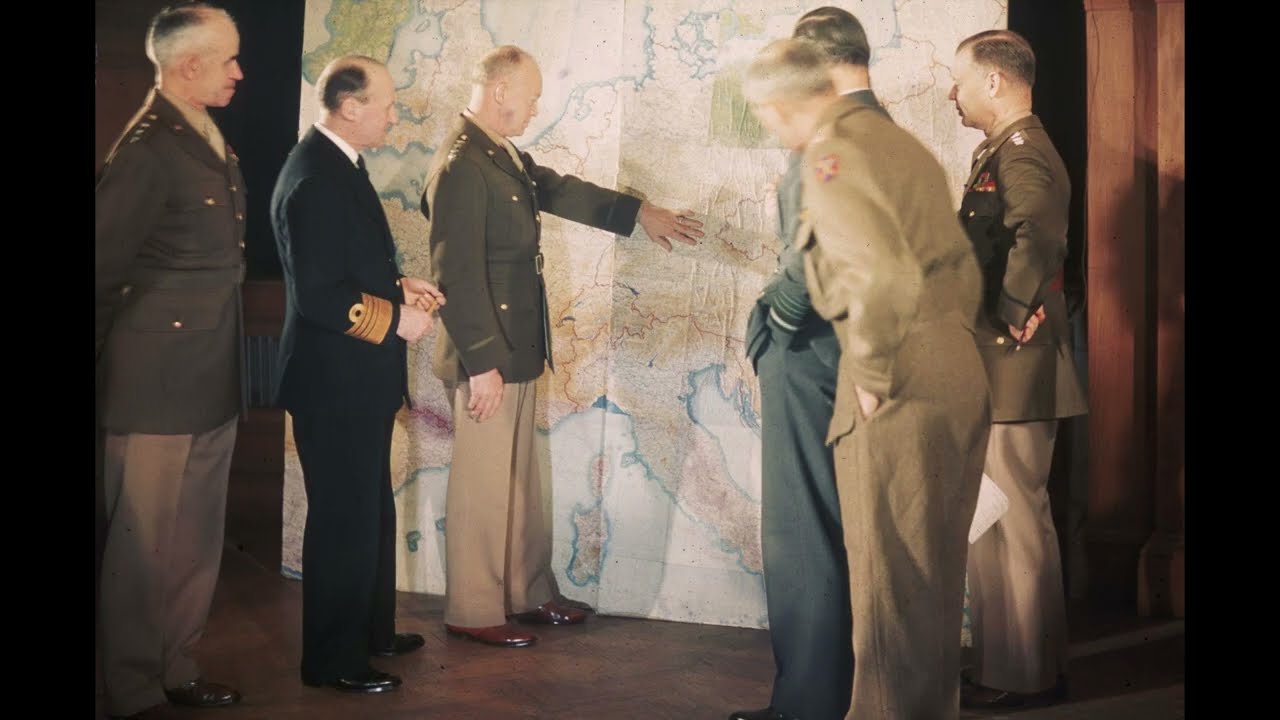 He said, “Get me Ike.” The call to Eisenhower was placed within the hour. Bradley told Eisenhower what he thought of the press conference in terms that were direct in a manner entirely uncharacteristic of him.
He told Eisenhower that Montgomery had used the press to reassign credit for an American victory in a way that was damaging not only to him personally but to every American soldier who had fought the Bulge. He told Eisenhower that the American public was reading that morning that their sons had been saved by a British field marshal, and that this was not accidental. He told Eisenhower that he would not serve in any capacity under Montgomery’s command again.
Then he said the thing that ended the conversation. He told Eisenhower that if Montgomery was not formally rebuked, officially, on the record, in terms that the press corps could see and report, then Eisenhower would need to find a replacement for Bradley, because he would submit his resignation.
Eisenhower listened to all of it. There was a long silence on the line. Then Eisenhower said he would call back within the hour.
He called back in forty minutes. The conversation with Montgomery lasted less than fifteen minutes. Eisenhower was not a man who raised his voice.
He was almost constitutionally incapable of the kind of confrontational aggression that Patton deployed routinely. But he was capable of something more effective and more unsettling than shouting. He was capable of absolute cold clarity.
He told Montgomery that the press conference had been a serious mistake. He told him that the impression it had created, deliberately or otherwise, was damaging to Allied unity at a moment when Allied unity was the single most strategically important thing in Europe. He told him that Bradley’s contribution to the Bulge and the contribution of American soldiers was not a footnote to Montgomery’s intervention.
It was the substance of the battle. Then he said something that Montgomery had not expected. He told him to correct it publicly, on the record, in terms that the same press corps that had reported the original conference could report again.
Montgomery pushed back. He said he had stated facts. He said the American lines had been in disarray, and he had restored order.
He said nothing he had told the press was inaccurate. Eisenhower told him that accuracy and fairness were not the same thing, and that Montgomery was intelligent enough to know the difference. Another silence.
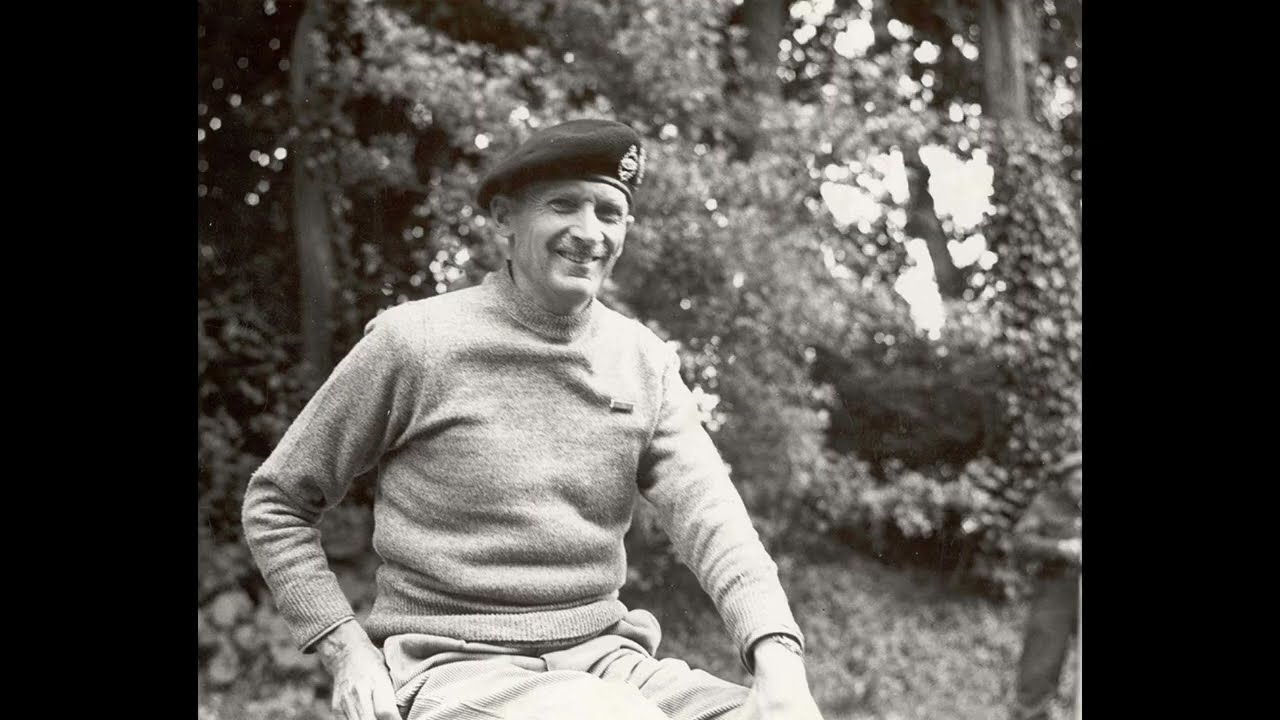 Then Eisenhower said the sentence that ended the argument. Quietly, without 𝒹𝓇𝒶𝓂𝒶, in the voice he used for things that were not open to further discussion. He said, “Bernard, I will remove you from command if you do not correct this.
I will do it this week, in the middle of a battle, in full view of the press you just used against my army. I will do it because the alternative is losing Bradley, and I will not lose Bradley. He has earned everything he has, and he has never once claimed more than his share.
What you did this morning was claim his share for yourself. I won’t allow it to stand.”
Montgomery issued a statement the following day. It was not a full retraction. It was Montgomery, so it could not be a full retraction.
But it credited American soldiers specifically and by name. It credited Bradley’s command of the southern pincer. It described the battle as an American victory in which British forces had played a supporting role.
It was, for Montgomery, as close to an apology as the English language permitted him to produce. The reporters wrote it down. It ran in many of the same publications that had run the original summary.
Most of the damage was already done, but something else happened in the days that followed that no one had anticipated. The American soldiers who had fought the Bulge, the ones in foxholes and aid stations and replacement depots, the ones who had held the northern shoulder under Montgomery’s technical command, heard about the press conference and the statement, both. Word moved through the army the way it always did, faster than official channels, more accurate in its emotional content than any wire report.
They heard what Montgomery had implied. They heard what Eisenhower had made him walk back. And they heard what Bradley had said in private to Eisenhower, that he would resign rather than let it stand unchallenged.
That information passed from unit to unit through the winter of 1945 did something unexpected for Bradley’s standing with the men who fought for him. He had always been respected. He had always been trusted.
After January 1945, he was something more than that. He was understood. Not as a general who performed closeness to his men, but as a man who had fought for them in the only arena that was available to him at that moment.
 Not on a battlefield, but in a telephone call against a field marshal at the cost of his own career if necessary. Major Hansen wrote in his diary entry for January 9th, two days after the press conference, after the statement had run, and the immediate crisis had passed. He wrote that Bradley seemed, if anything, calmer than he was before.
Hansen asked him if the statement had satisfied him. Bradley thought about it for a while. Then he said, “It’s not about satisfaction.
The men who fought that battle know what they did. That was true. The press conference didn’t change it and the statement didn’t change it.
What I couldn’t allow was the official record saying otherwise. The official record matters for history, even if the men already know the truth.” He paused.
Then he said, “The men always know the truth.” Hansen wrote one more line beneath it. “I think that’s why they fight for him the way they do.”
Omar Bradley commanded American soldiers through the end of the war in Europe, through the German surrender, through the occupation. He was promoted to General of the Army, five stars, in 1950. He served as Chairman of the Joint Chiefs of Staff through the Korean War.
He died in 1981. He was 88 years old. At his funeral, the eulogist noted that Bradley had commanded more American soldiers in combat than any general in the nation’s history.
He noted that Bradley had never once, in any memoir, any interview, any public statement across four decades, suggested that any victory he was part of belonged primarily to him. The eulogist said that this had not been modesty. Montgomery and Bradley never resolved what existed between them.
They worked together through the end of the war with the professional correctness of men who understood that the mission was larger than the grievance. But decades later, when both men had written their memoirs and given their interviews and assembled their versions of events, one difference remained consistent. Montgomery described battles in terms of the men who fought them.
Bradley described battles in terms of the commander who directed them. That difference, small in language, enormous in meaning, was there from the beginning. It just took a press conference in January 1945 to make it visible to everyone who was watching.
And everyone was watching.