
The world learned of the Nazi horrors, the atomic bomb, and the Iron Curtain’s descent in the chaotic aftermath of World War II, but the most explosive secret of 1945 was never meant for public consumption. It involved a direct betrayal by a former King of England, a desperate cover-up by the reigning monarch, and a Soviet mole embedded at the very heart of the British establishment. This is the story of how a mission to silence history nearly ignited a constitutional crisis, and how the evidence of that treachery now sits in a Moscow vault, a ticking time bomb that has yet to detonate.
The war in Europe had barely ended when the victors began a frantic, unseemly scramble for the spoils of the defeated regime. While the world focused on the hunt for Nazi scientists and V-2 rocket technology, a quieter, more sinister operation was underway. This was not a search for military advantage, but a mission of suppression, aimed at burying documents that could topple thrones and destroy reputations.
 The target was a grand German castle, and the operatives were an unlikely trio: a decorated war hero, a future art historian, and a traitor who would betray his country for decades.
The stage was set at Friedrichshof Castle in Hesse, a magnificent residence belonging to Prince Philipp of Hesse, a great-grandson of Queen Victoria. Philipp, once a confidant of Hitler, had fallen from grace after the tide turned against Germany, but his castle remained a treasure trove of royal correspondence. Among the priceless art and jewels were letters that could unravel the very fabric of the British monarchy.
The most damaging were exchanges between Philipp and the Duke of Windsor, the former King Edward VIII, whose abdication in 1936 had already shaken the establishment to its core.
The Duke of Windsor was a known Nazi sympathizer, a man who had entertained Hitler and whose loyalty to his own country was deeply suspect. The letters in question were believed to contain proof that the Duke had passed British military secrets to the Führer during the early years of the war, using Prince Philipp as a back-channel. If these documents were ever made public, they would confirm what many had long suspected: that the former King of England was a traitor.
The revelation would not only humiliate the royal family but could have toppled the monarchy itself, turning public opinion irrevocably against the House of Windsor.
King George VI, the Duke’s own brother, was acutely aware of the danger. He initiated a covert operation to retrieve the letters before they could fall into the hands of the advancing American forces, who had occupied the castle and turned it into an officer’s club. The King approached Prime Minister Winston Churchill, who authorized the mission without hesitation.
The stakes were existential for the Crown, and the operation was to be carried out with the utmost secrecy, leaving no trace of its existence.
The King chose an unlikely operative to lead the raid: Owen Morshead, the Royal Librarian. A decorated World War I hero, Morshead was a man of unimpeachable loyalty, entrusted with the royal archives for nearly two decades. But he was also 52 years old, a scholar rather than a soldier.
 To provide muscle and intelligence expertise, a younger man was selected: Anthony Blunt, a third cousin of Queen Elizabeth and a rising star in MI5. Blunt was charming, brilliant, and utterly loyal to the Crown—or so everyone believed.
What no one knew was that Anthony Blunt was a Soviet spy. Recruited at Cambridge in the 1930s, he was a member of the infamous Cambridge Five, a ring of double agents who had infiltrated the highest levels of British intelligence. Blunt had been feeding secrets to Moscow for years, and his selection for this mission was a golden opportunity.
He was being handed the keys to the most sensitive royal secrets, and he intended to use them for his own survival and for the benefit of his Soviet handlers.
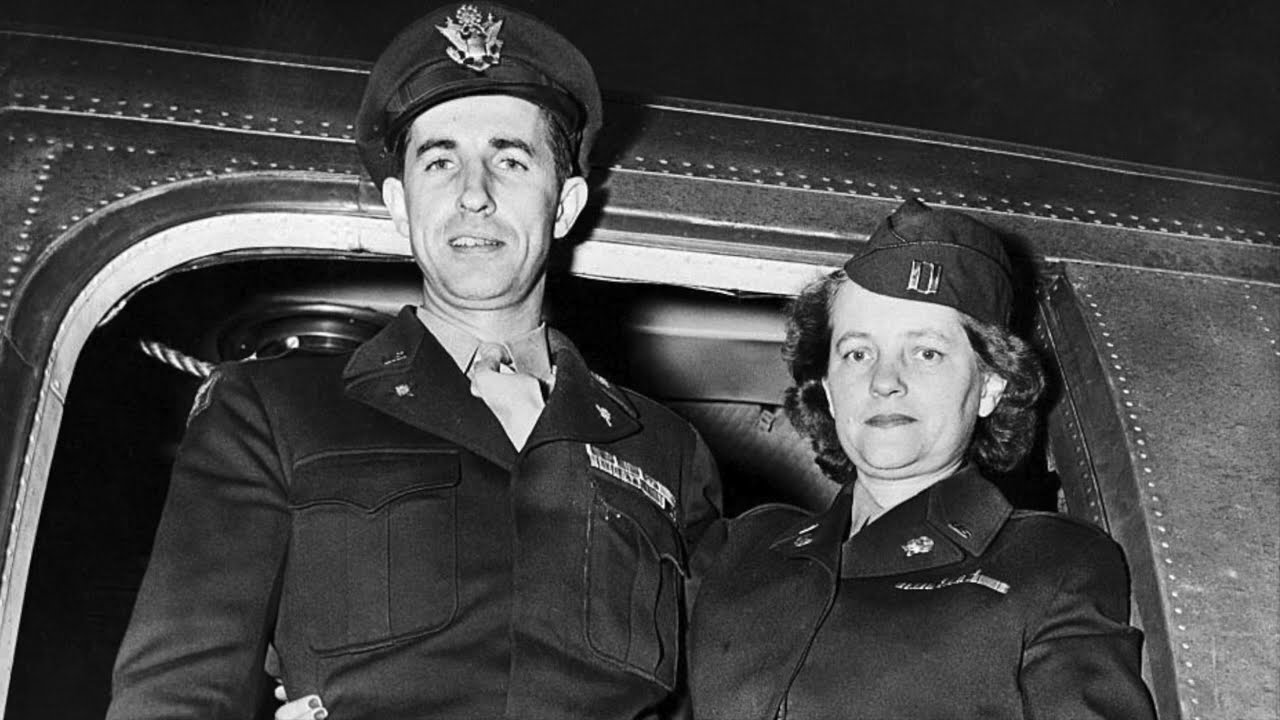
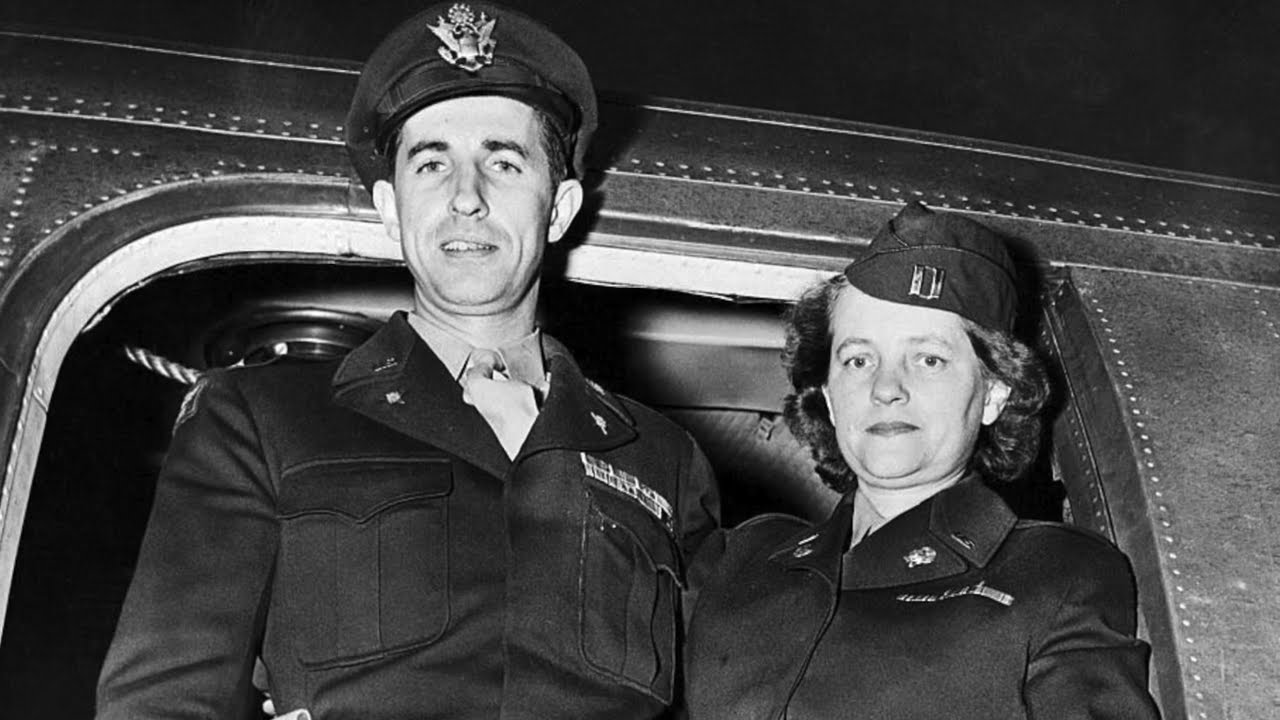
In August 1945, Blunt and Morshead arrived at Friedrichshof Castle, armed with a personal warrant from the King. They were met with hostility by Captain Kathleen Nash of the Women’s Army Corps, the American officer in charge of the castle. Nash, along with her lover Colonel Jack Durant, was not interested in the letters; she was on her own treasure hunt for the Hesse crown jewels, which she believed were hidden somewhere on the estate.
She did everything in her power to obstruct the British officers, but she could not stop them.
Morshead and Blunt worked methodically, sifting through the vast library and private correspondence. They successfully retrieved the 4,000 letters from Queen Victoria to her daughter, which were sent back to Windsor for safekeeping. But the real prize was the Duke of Windsor’s correspondence.
According to multiple sources, Blunt and Morshead found the letters and secured them. The material was sent to Windsor Castle, where it has never been seen again. The official narrative was that the threat had been neutralized, and the monarchy was safe.
 But Blunt had other plans. Before handing over the Windsor letters, he is alleged to have microfilmed every single page. He then passed the film to his Soviet handlers via the diplomatic bag, sending it directly to Moscow.
This was his insurance policy, a guarantee that he would never be prosecuted for his decades of treachery. The fact was confirmed in 2021 by Russian intelligence sources, who revealed that the copies are still held in the FSB headquarters in Moscow, a permanent Sword of Damocles over the British royal family.
In the years that followed, Blunt rose through the ranks of the art world, becoming Surveyor of the King’s Pictures and later the Queen’s Pictures. He was knighted in 1956, a man of immense prestige and influence. Yet, behind the scenes, he was investigated no fewer than eleven times by MI5 and the FBI, both of whom were certain he was a Soviet spy.
Despite the overwhelming evidence, Blunt was never arrested, never charged, and never even questioned under caution. The only explanation was that he had leverage, and that leverage was the microfilmed Windsor letters.
Blunt’s immunity was an open secret within the highest echelons of power. MI5 officer Peter Wright, in his banned book “Spycatcher,” revealed that the Queen’s private secretary, Michael Adeane, had warned investigators not to pursue the German assignment. Adeane stated that the matter was “not relevant to considerations of national security,” a blatant lie that protected the Crown from the devastating truth.
Blunt was untouchable, and he knew it.
It was not until 1979, after years of public speculation and a relentless campaign by Prime Minister Margaret Thatcher, that Blunt was finally 𝓮𝔁𝓹𝓸𝓼𝓮𝓭 and stripped of his knighthood. But even then, he was not prosecuted. He died in 1983, a free man, having escaped justice for his crimes.
 The government’s refusal to pursue a case against him was a tacit admission that his secrets were too dangerous to be aired in a courtroom.
Meanwhile, the other half of the story was playing out in the American military justice system. Captain Nash and Colonel Durant had successfully stolen the Hesse crown jewels, but their greed was their undoing. They attempted to sell the pieces without documentation, using false names, and were eventually caught when a suspicious jeweler called the police.
They were arrested, flown back to Germany, and court-martialed. Nash was dishonorably discharged and sentenced to five years in prison, while Durant received fifteen years of hard labor. The jewels were recovered and returned to the Hesse family, but the damage to the Anglo-American alliance was done.
The story of the King, the Thief, and the Spy is a testament to the lengths to which the British establishment would go to protect its own. The Windsor letters, if they ever surface, would prove that a former King of England was a traitor, a man who conspired with the enemy during the darkest days of the war. The copies in Moscow are a permanent threat, a reminder that the past can never be fully buried.
The monarchy survived the 𝒔𝒄𝒂𝓃𝒹𝒶𝓁, but only by sacrificing the truth.
Today, the files remain sealed, the letters unseen, and the full extent of the Duke of Windsor’s betrayal unknown. Anthony Blunt’s treachery is a matter of public record, but the full scope of his impact on national security is still a matter of speculation. The crown jewels of Hesse are back in the hands of the royal family, but the crown jewels of the British monarchy—its reputation, its honor, its integrity—were pawned long ago in a desperate gamble to keep a secret that may one day come home to roost.
The 𝒔𝒄𝒂𝓃𝒹𝒶𝓁 is not over; it is merely waiting for its final act.