The US president last week invoked the 1823 Monroe Doctrine as justification for an attack on Venezuela and the abduction of its president. Legal scholars and historians quickly pointed out that the doctrine has never been part of the Constitution, nor was it ever passed into law by Congress. The Monroe Doctrine is not a treaty or statute. It is a policy principle first articulated during a State of the Union address more than 200 years ago.
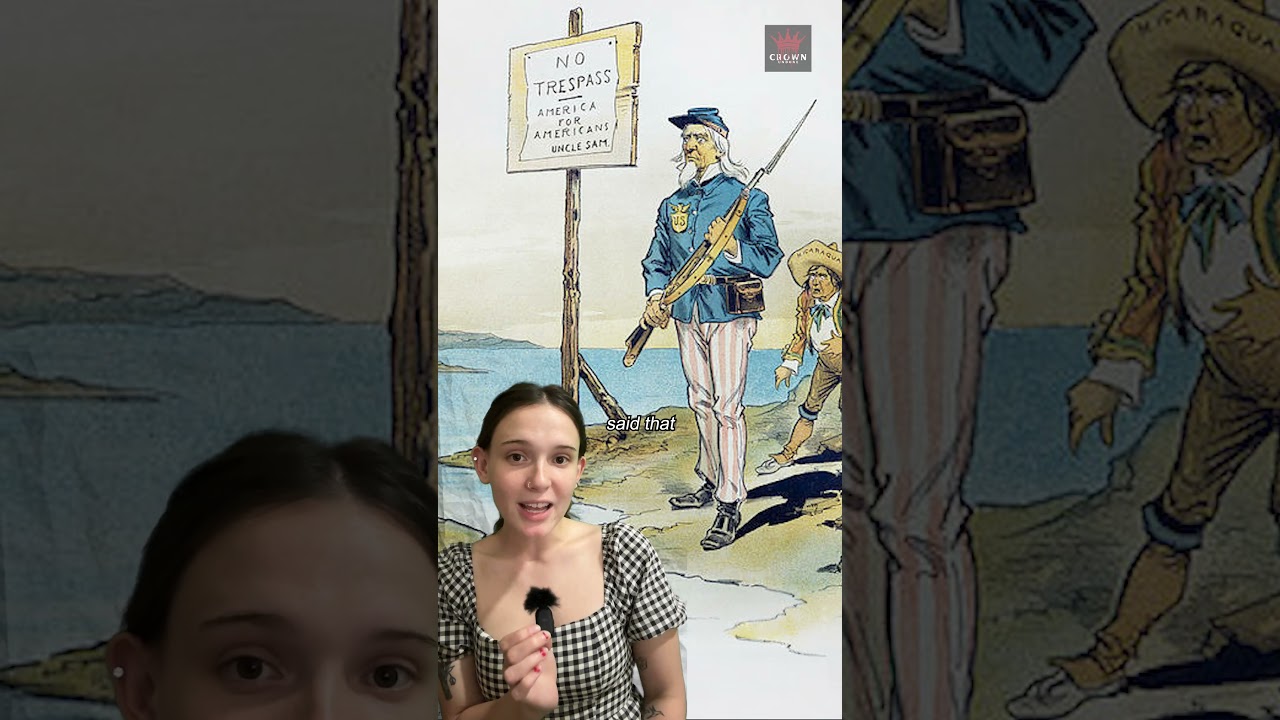
In 1823, President James Monroe proclaimed that the Western Hemisphere would no longer be open to European colonization. He clarified that Washington would remain neutral regarding European colonies that already existed in the region, such as the British in Canada and the Spanish in Cuba and Puerto Rico. Monroe did declare that any attempt by European powers to extend their system to any part of the hemisphere would be considered dangerous to American peace and safety. He asserted that the new world and the old world would function as entirely separate spheres of influence.
Decades later, in 1904, President Theodore Roosevelt expanded the doctrine significantly. He asserted that chronic wrongdoing might, in the Americas as elsewhere, ultimately require intervention by a civilized nation. Roosevelt claimed the doctrine gave the US the right to freely intervene in Latin American countries Washington deemed unstable. That expansion has been cited as justification for the Bay of Pigs invasion in 1961, George HW Bush’s invasion of Panama in 1989, and the Trump administration’s attack on Venezuela in 2026.
Observers have noted the irony in Roosevelt’s reinterpretation. While the doctrine was originally established to ward off European colonization, Washington ultimately used it to replace European influence with its own intervention in the region.