The popular image of the Old West usually centers on cowboys, outlaws, gunfights, and dusty saloons. One essential part of daily life is often missing from that picture: hygiene. Staying clean on the frontier was not simple. It depended heavily on water availability, money, weather, location, and how far a person was from the nearest settlement.
Some people made serious efforts to stay clean, while others had almost no practical opportunity to do so. Water was the foundation of everything. In a town, ranch, or mining camp with steady access to clean water, people could wash more often, do laundry, and rinse dishes. Where water was scarce, hygiene collapsed quickly.
A cowboy crossing dry country was not going to waste precious drinking water on a bath, and a homestead family might save water for cooking, livestock, and minimal washing. Cleanliness therefore varied dramatically from place to place; a hotel in a growing town could offer a bath, while a man sleeping beside a trail might go days with only a quick rinse of his face and hands. Full baths were not a daily ritual for most people. A proper bath required hauling water, heating it, filling a tub, and cleaning up afterward—all real labor on the frontier.
Most homes relied on a wash basin for cleaning the face, hands, neck, and feet more often than the whole body. On the trail, cowboys used rivers or creeks when available, but if the water looked bad or was needed for drinking, washing was set aside. Most people were not careless; they were operating with extremely limited resources. In towns, bathhouses became an important business.
Hotels, barbershops, and some saloons offered baths to travelers, miners, and cowboys coming in from the range. A hot bath symbolized a return to civilization after weeks of dust and sweat. But it cost money, and hot water cost more than cold. Soap and towels were not always included.
A poor traveler might take the cheapest option, while a wealthier man could pay for better, meaning hygiene inside a town also depended on status and access. Shared water was a common and uncomfortable reality. In rough places where water and fuel were expensive, the same tub might be used by several people before the water was changed. Sanitation standards were not what they are today.
People were often more concerned with removing visible dirt and sweat than with the invisible germs that germ theory was just beginning to explain during the late 19th century. Many frontier communities were slow to adopt these new ideas, and “clean” did not always mean truly sanitary. Soap was available but rarely fancy. Some families made their own from animal fat and lye, which worked but could be harsh.
Store-bought soap existed in towns and was marketed as a sign of respectability, but supplies had to last on remote ranches. A cowboy carried very little gear, and soap was not always the first priority. For many working people, washing with plain water was standard, and soap mattered most when reaching town, visiting a barber, or preparing for church, court, or business. Laundry was grueling physical work.
Dust, sweat, smoke, mud, and animal smells clung to fabric. Washing clothes meant hauling water, heating it, scrubbing by hand, rinsing, wringing, and drying everything in the sun. On the trail, cowboys often wore the same clothes for long stretches, rinsing a sock or bandana only if the chance arose. Many men owned just a few shirts and one or two pairs of pants, so clothes were worn longer, smelled stronger, and were replaced only when they were completely worn out.
The cowboy look was practical more than stylish. A wide-brimmed hat shielded the face, and a bandana could cover the nose during dusty rides or serve as a quick washcloth. Long sleeves and boots protected against sun, brush, mud, and rough ground. But that same clothing trapped sweat and dirt, and after days of riding, a cowboy carried the scent of horse, leather, smoke, and campfire.
The outfit looked good in photographs but was often dusty, stiff, and stained in real life. Personal grooming varied. Many men in the Old West cared about their appearance, especially in town. Mustaches were popular, beards came and went in fashion, and shaving was common when time and tools allowed.
Shaving with a straight razor required skill and a steady hand, so stubble was normal on the trail. Barbershops helped solve this problem. A barber could shave a customer, trim hair, and make a man look respectable again. For many, grooming was not vanity; it was a way to be taken seriously.
Barbershops functioned as informal hygiene centers. They were among the few public places where a man could clean up, get shaved, and sometimes arrange a bath nearby. Barbers in some places also pulled teeth, treated small cuts, and sold tonics. Sanitation was not modern, and razors or towels might be reused, but compared with life on the range, a barbershop felt clean and civilized.
A shave, haircut, bath, and fresh clothes could change how a man was treated almost instantly. Dental hygiene was a serious problem. Toothbrushes and tooth powders existed, and some people cleaned their teeth with cloth, salt, chalk, or charcoal. But regular dental care was not accessible to everyone.
A dentist could be far away and expensive, and many people waited until pain became unbearable. Decay, broken teeth, and infections were common, and extractions were often performed with little comfort. Bad teeth affected eating and overall health, which is why closed mouths in old photographs were not always just a matter of fashion. Most people used outhouses or chamber pots because indoor plumbing was rare.
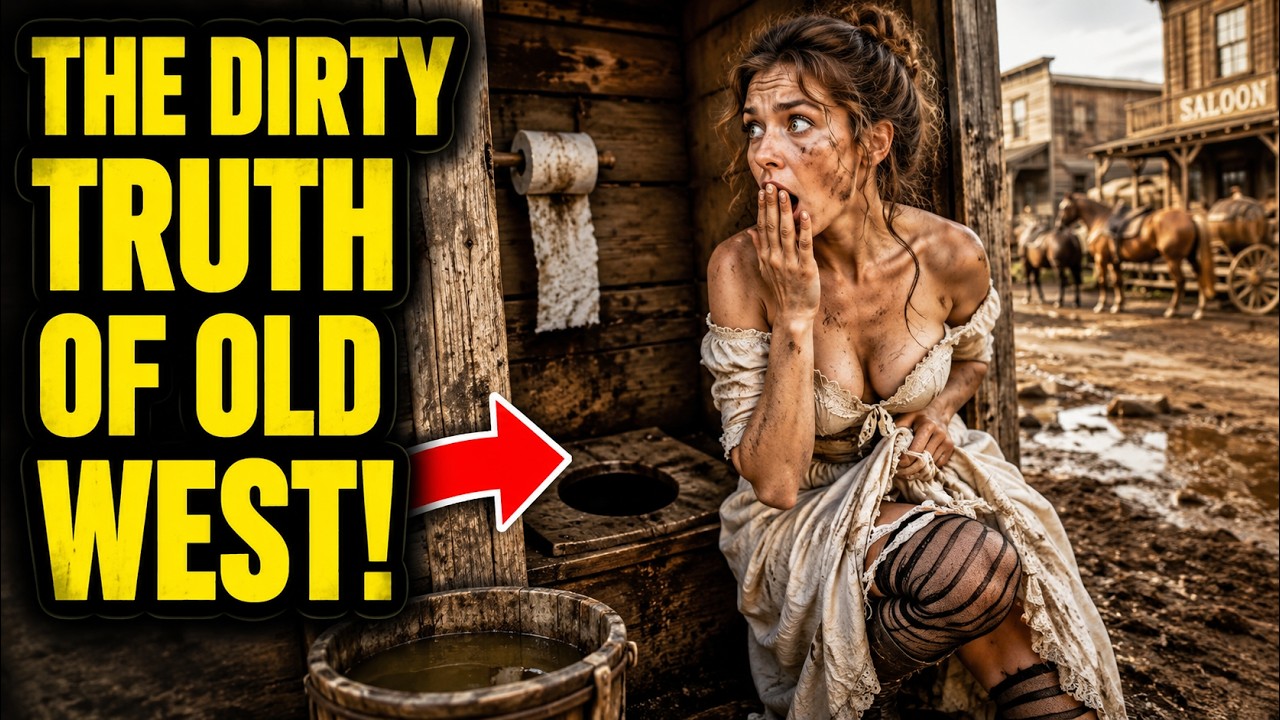
An outhouse might stand behind a home, hotel, or saloon, often placed near the main building but sometimes too close to wells and water sources. This created serious sanitation issues. Flies, bad smells, leaking waste, and poor drainage made places unhealthy quickly. Outhouses were uncomfortable in winter and foul in summer, but they were simply the normal solution before modern plumbing.
Towns themselves could smell terrible. Streets were crowded with horses, wagons, livestock, and people. Manure was everywhere, and rain turned dirt streets to mud while dry weather produced choking dust. Behind buildings, trash and wastewater collected.
The smell of a frontier town was a blend of animals, sweat, tobacco, smoke, cooking fires, leather, unwashed clothes, spilled alcohol, and open drainage—a detail most Western films omit entirely. The greatest danger was not odor but contaminated water. People used wells, rivers, and shared pumps, and if waste seeped into a source, sickness could spread quickly. Many people in the 19th century did not understand how water carried disease, often blaming bad air or weather instead.
Crowded towns and mining camps were especially risky because they grew fast, and sanitation planning lagged behind. One careless outhouse or polluted creek could affect a whole community. Ideas about germs and public health spread slowly. By the late 19th century, doctors and city leaders in some places pushed for cleaner water and better waste removal.
But remote ranches and camps did not always have trained doctors or modern supplies. Some people trusted older habits, while others simply lacked money or access. Towns that survived and grew eventually improved their wells, drainage, and plumbing, but during the classic Old West period, many communities were caught between old habits and modern health practices. Women carried much of the hygiene burden in many households.
Washing clothes, boiling linens, cleaning floors, bathing children, emptying chamber pots, making soap, and keeping food areas clean were exhausting daily tasks. In boarding houses and ranch kitchens, women cleaned up after men who came in covered in dust and sweat. The work was repetitive and physically demanding, and without it, homes and businesses could become unhealthy very quickly. Cowboys on cattle drives had limited hygiene routines.
They washed in streams when possible, shook dust from blankets, dried clothes in the sun, and used bandanas for sweat and dirt. They took care of their feet and watched for saddle sores and chafing because small problems could become serious far from a doctor. But they were not clean by modern standards. Long days, little privacy, and constant exposure to animals meant survival and work came before a bath.
Appearance mattered in town for lawmen, outlaws, and gamblers alike. A clean coat, trimmed hair, and a fresh shave could make a dangerous man look respectable. Outlaws were not always dirty; with money and access, they could dress sharply, stay in hotels, and visit barbers. Lawmen also needed to project authority, which was easier when they did not look like they had slept in a ditch.
Hygiene in town was part health, part comfort, and part social strategy. Native American hygiene practices varied widely and cannot be reduced to a single description. Different nations had their own customs based on region, climate, water sources, and cultural traditions. Some used sweat lodges, bathing, plant-based cleansers, and regular washing practices that were practical and meaningful within their cultures.
Native peoples were not simply part of the dirty frontier stereotype; many had long-established methods for staying clean and managing health. The movie version of the Old West is cleaner than reality. Shirts are too fresh, streets are too neat, and saloons rarely smell like horses and smoke. Real frontier life was rougher and more unpleasant.
But the opposite myth is also wrong. People were not filthy by choice. Many wanted to be clean; they simply lived in a world where cleanliness took work, money, time, and water. The dirty truth is that hygiene in the Old West was practical, uneven, and often uncomfortable.
A person in a good hotel could take a hot bath and look polished, while a cowboy on the trail could spend days covered in dust. A mining camp could be crowded and unhealthy, while a careful household might be cleaner than expected. Hygiene depended on class, location, weather, water, work, and personal habits.
The Old West was not one uniformly dirty place, but it was a world where staying clean required far more effort than most people today can imagine.