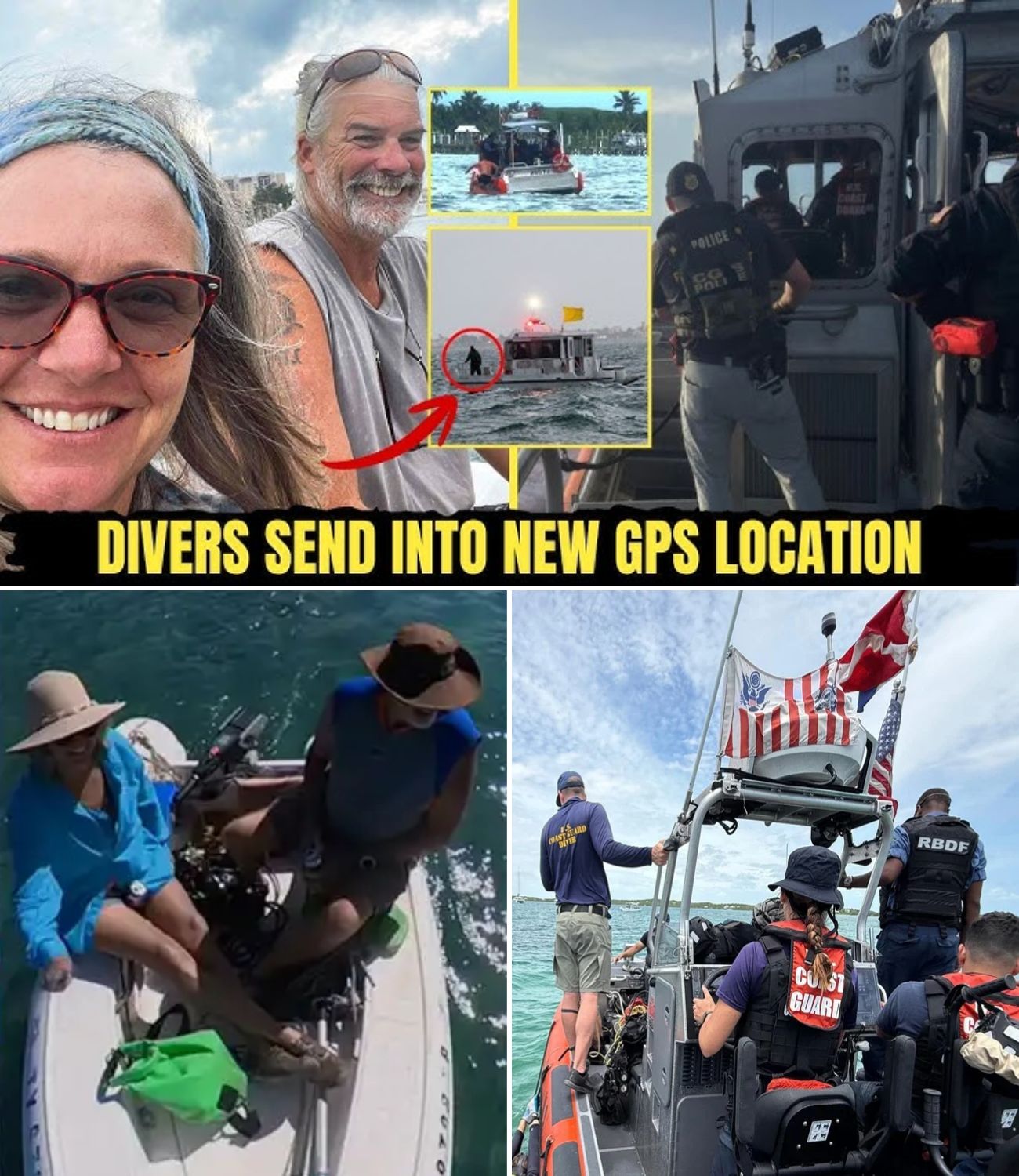
More than two months after Lynette Hooker vanished during a boating trip in the Bahamas, federal investigators have ended their active underwater search — but they are far from closing the case.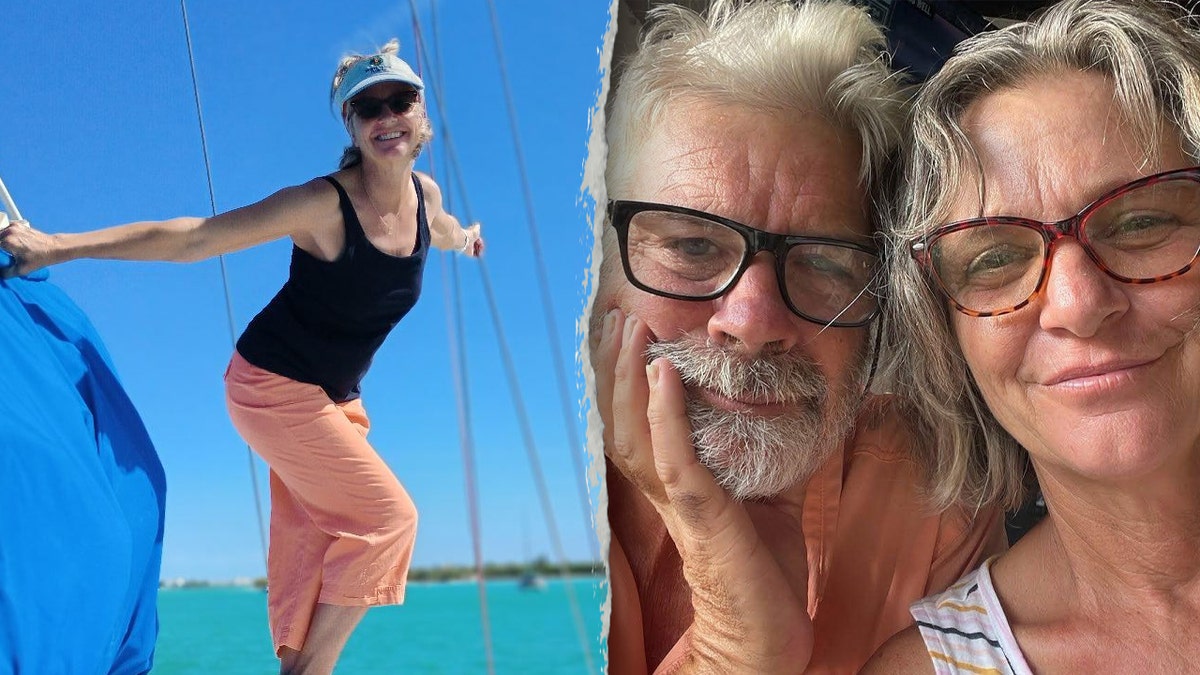
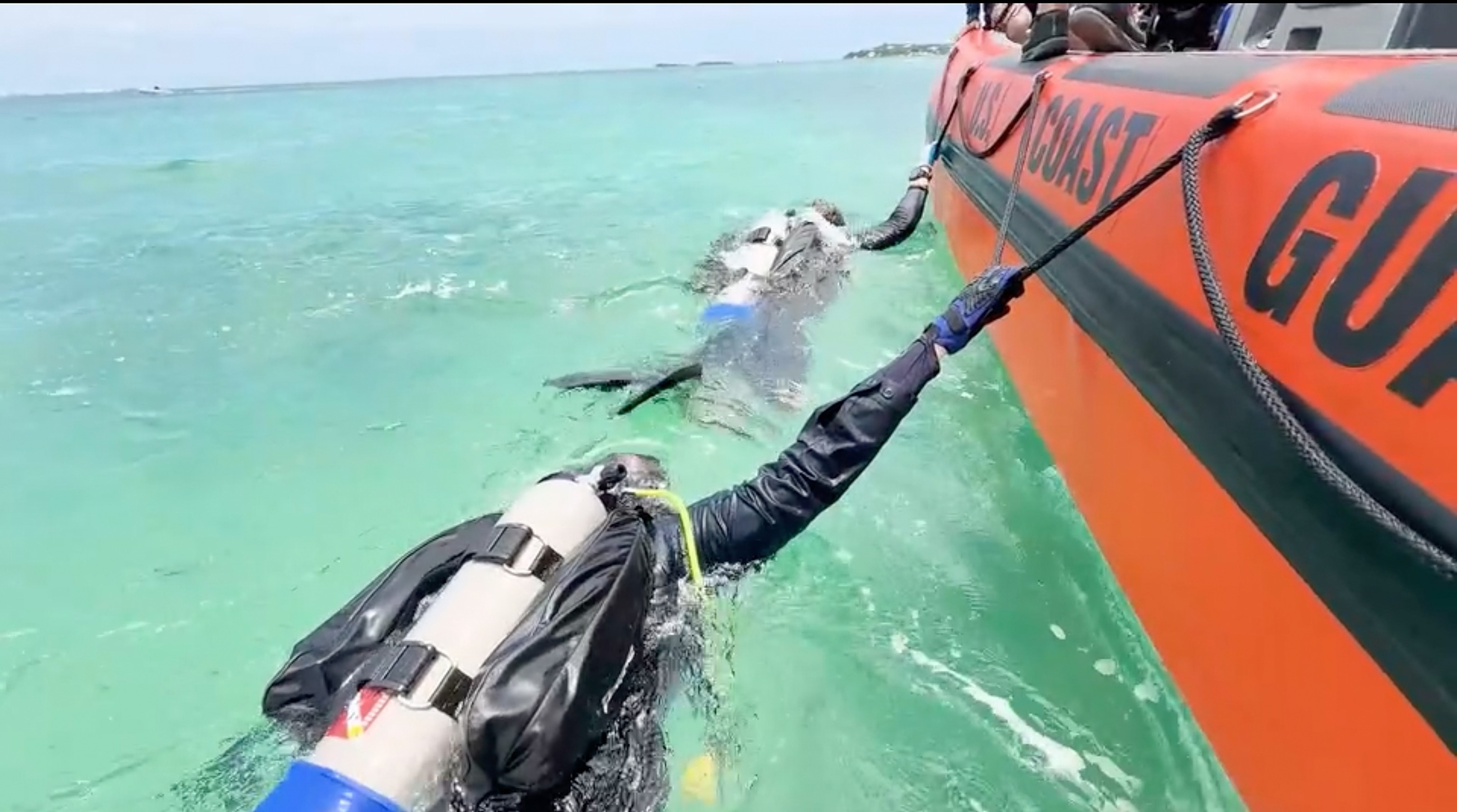
The U.S. Coast Guard Investigative Service (CGIS) confirmed they searched approximately five miles of ocean near the area where Lynette was last seen with her husband, Brian Hooker. Despite extensive efforts involving divers and advanced equipment, no remains were recovered. However, officials emphasize that the lack of a body does not mean the end of the investigation.
A major development came with the seizure of Brian Hooker’s dinghy, which is now undergoing forensic analysis. Investigators believe the condition and location of the dinghy contradict parts of Brian’s account of events. Additionally, a neighbor has come forward with CCTV footage that may show evidence of domestic violence prior to the disappearance. The neighbor is reportedly prepared to testify in the case.
Sources close to the investigation have also revealed that Brian Hooker may have fled to Mexico, prompt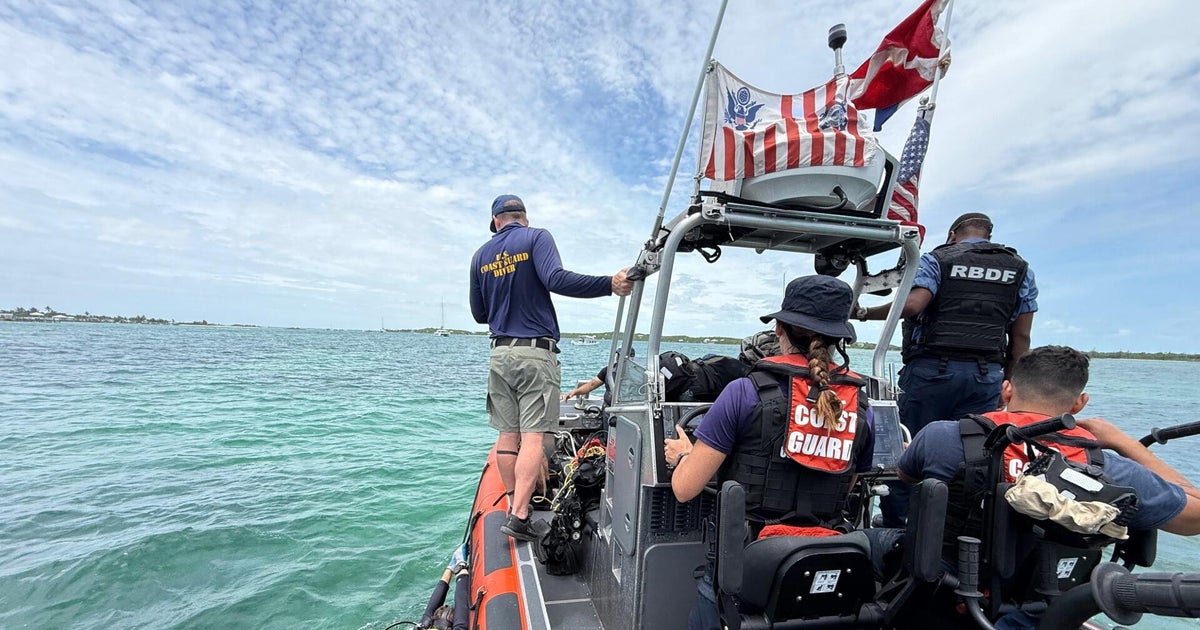 ing further international coordination. Even without a body, federal prosecutors can still pursue murder charges, as homicide has no statute of limitations.
Lynette’s family has been vocal in their belief that Brian is responsible. Her mother has repeatedly stated in public appeals that she will not stop fighting until justice is served for her daughter. “He took her last breath and threw her away like trash,” she said in an emotional statement.
The case began when Lynette, who was on a boating excursion with her husband, suddenly went missing. Brian’s initial explanation raised suspicions almost immediately due to inconsistencies in timing and his behavior afterward. The sharp, unexplained deviation in the boat’s route has become one of the most scrutinized pieces of evidence.
Friends and family describe Lynette as a vibrant, loving woman who would never disappear voluntarily. Her sudden vanishing has left a painful void, especially for those who knew her as someone full of life and plans for the future.
As the investigation moves forward, CGIS continues to appeal to the public for any information. Digital evidence, phone records, and witness statements are being carefully examined. The fact that multiple agencies are involved — including the Coast Guard, FBI, and Bahamian authorities — highlights the complexity of this cross-border case.
For Lynette’s loved ones, every passing day without answers brings renewed pain. Yet they remain hopeful that the growing body of circumstantial evidence will eventually lead to charges and accountability.
The disappearance of Lynette Hooker has captured national attention, not only because of its tragic nature but also due to the many unanswered questions that still surround it. As investigators continue their work, one thing is clear: while the physical search for Lynette may have ended, the pursuit of justice is only gaining momentum.








 ions designed to build trust before leading Kayla to the isolated site. The fact that multiple people allegedly participated has raised difficult questions about how such a conspiracy could form and go undetected.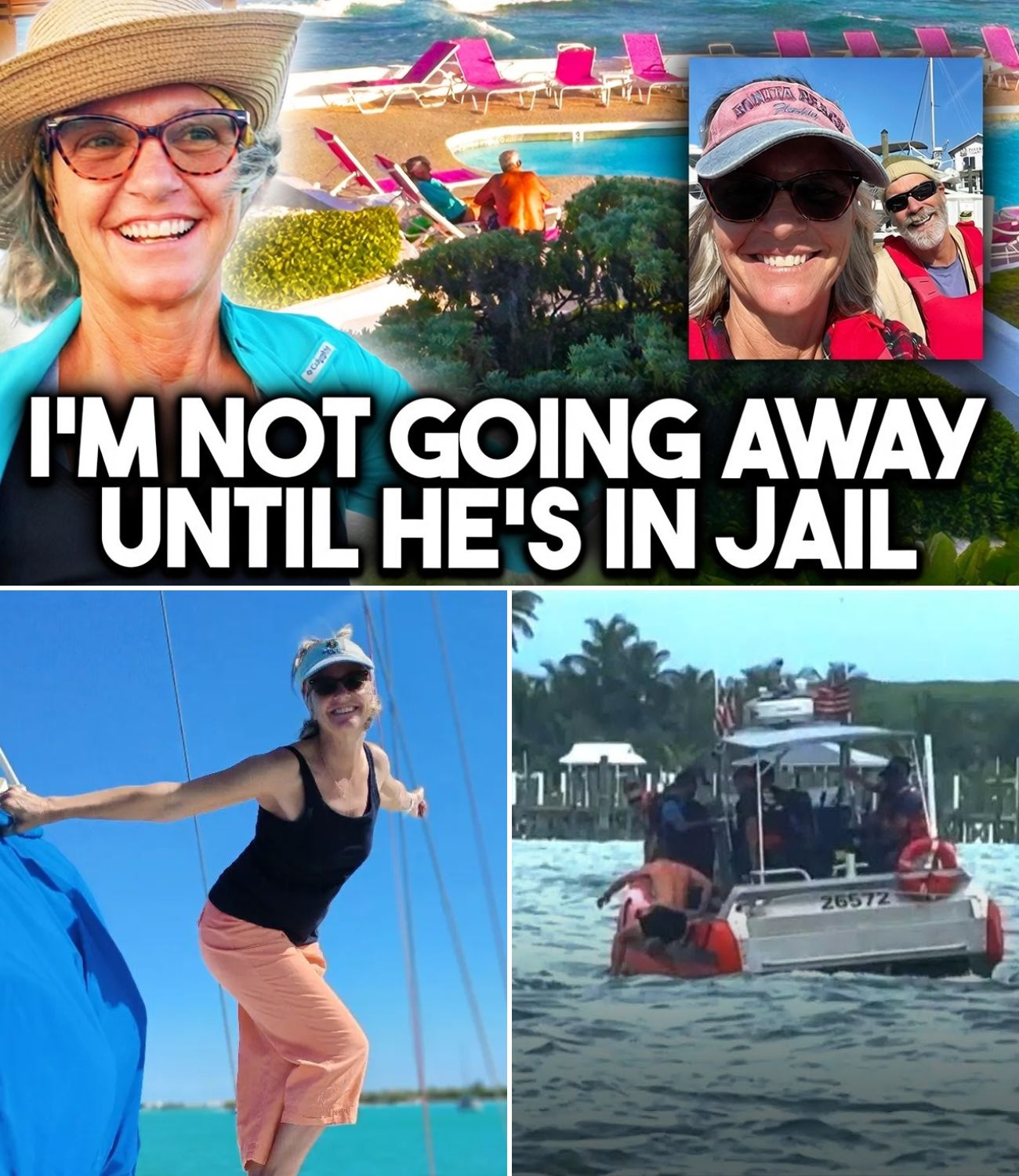
:max_bytes(150000):strip_icc():focal(735x242:737x244)/Lynette-Hooker-boat-060426-59df0168fbbf4203b5e5c88dca907559.jpg)


 En esta edición, los finalistas Alvar Alba, José Manuel Soto y Maica han dejado una huella en la audiencia, aunque no todos han sido recibidos con los mismos aplausos. Algunos concursantes, como Maica, han sido criticados por su falta de espíritu competitivo, mientras que otros han demostrado ser verdaderos supervivientes, enfrentando sus miedos y desafíos.




 Durante la charla, Carlo habló sobre su complicada relación con su madre, abordando la distancia y el dolor que han experimentado ambos a lo largo de los años. Según él, su vínculo no es el típico entre madre e hijo, ya que han vivido situaciones difíciles y separaciones prolongadas. Sin embargo, muchos consideran que su discurso es un intento de desviar la atención de su pasado y de las críticas hacia su comportamiento.
 Por otro lado, la polémica no se detiene ahí. Alba Carrillo también ha hecho ruido al criticar a Cristian Gálvez y Patricia Pardo por su papel en un evento reciente con el Papa. Su comentario se suma a la serie de conflictos que han surgido en el panorama mediático, donde las relaciones personales y profesionales a menudo se entrelazan de maneras inesperadas.
 Antonio David también se ha sumado a la conversación, señalando que la falta de autocrítica en la familia es evidente y que el intento de limpiar su imagen es un esfuerzo que no convence a muchos. La presión mediática y las expectativas familiares parecen haber creado un caldo de cultivo para esta dinámica compleja.
 Raquel Bollo ha lanzado recientemente un libro titulado “La vida después del ruido”, donde narra el sufrimiento que vivió a manos de su exmarido, el famoso cantautor Chiquetete. En sus memorias, Bollo revela episodios desgarradores de maltrato físico y psicológico, respaldados por sentencias judiciales. Esta revelación ha puesto de manifiesto la valentía de Raquel al compartir su historia, una experiencia que la llevó a tocar fondo en su vida.



 En el programa, se discutieron las declaraciones de la periodista Beatriz Miranda, quien hizo hincapié en la supuesta dependencia de Rocío Carrasco hacia su pareja, Fidel Albiac. Según Miranda, esta relación ha llevado a Carrasco a entregar todo, desde su dinero hasta su bienestar emocional, lo que plantea serias dudas sobre su autonomía. “Ojalá le salga bien”, dijo, pero también advirtió que si las cosas no marchan bien, podría encontrarse muy sola.