What Happened to Neil Diamond at 85, Try Not to CRY When You See This

The voice that once filled stadiums with tens of thousands of singing fans has become a rare, precious gift, and every time 85-year-old Neil Diamond steps to a microphone, the world holds its breath. In January 2026, the legendary singer quietly crossed into his 85th year, a milestone that arrived without fanfare but triggered an outpouring of emotion from millions who grew up with his music. What has happened to Neil Diamond since his Parkinson’s diagnosis in 2018 is not a story of decline, but of defiance, resilience, and a voice that refuses to be silenced.

Diamond’s journey took a devastating turn in January 2018 when he announced his retirement from touring after being diagnosed with Parkinson’s disease. The news hit fans like a thunderbolt, ending a 50-year career of electrifying live performances. He wrote on his website, “I have been so honored to bring my shows to the public for the past 50 years.

My thanks goes out to my loyal and devoted audiences around the world.” That statement marked the end of an era, but it was far from the final chapter.

For years, Diamond retreated from the spotlight, grappling privately with a disease that attacks movement and coordination. But in December 2022, he stunned the world by appearing at the opening night of his Broadway musical, “A Beautiful Noise,” at the Broadhurst Theatre in New York City. During the curtain call, he stood up in his box seat and began singing “Sweet Caroline.”

The audience rose to its feet, singing every word back to him. It was his first performance in New York since the diagnosis, and clips of the moment spread across social media within hours.

That surprise appearance became a pattern. In July 2025, Diamond did it again at the Hollywood Pantages Theatre in Los Angeles, attending another performance of “A Beautiful Noise.” Once more, he couldn’t resist the pull of his most famous song.

Video posted to the musical’s official Instagram page shows the crowd erupting as Diamond stands and leads them in “Sweet Caroline.” The caption called it “a moment we’ll never forget.” Fans watching online were moved to tears, realizing they were witnessing a living legend defy his own limitations.

Just months later, in October 2025, Diamond appeared at a private party in Denver and, yet again, surprised everyone by singing “Sweet Caroline” live. A TikTok video captured the moment, with viewers stunned that his voice still sounded so strong despite years of living with Parkinson’s. One woman who posted the clip said simply, “He’s 84, living with Parkinson’s, and still sounds amazing.”

The comments flooded in, calling him an American icon and a national treasure. Each appearance was unannounced, making every one feel like a gift.

Diamond’s openness about his condition deepened in 2023 when he sat down with CBS Sunday Morning and admitted it took him years to accept the diagnosis. “A calm has moved in and the hurricane of my life. And things have gotten very quiet,” he said.

“I find that I like myself better. I’m easier on people. I’m easier on myself.”

He described singing as a feeling where his mind and body work together as one, calling it “a great feeling.” That interview reframed his retirement, showing a man who had grieved and found peace.

Meanwhile, his legacy has been immortalized while he is still alive to see it. In 2025, a film about his life titled “Song Sung Blue” was released and earned an Oscar nomination. Between the Broadway musical and the feature film, Diamond has watched his story be told to new generations.

He has been in the room, shaping the narrative and hearing the applause. It is a rare gift for any artist, and Diamond has embraced it fully.

Now at 85, Diamond’s life has settled into a quieter rhythm. He has been married three times, with four children, and his wife Katie McNeil has remained by his side through the hardest years. There was no massive concert for his birthday, just tributes pouring in from fans and fellow musicians across social media.

They described him as a living legend, pointing to a catalog that has shaped weddings, ball games, and family gatherings for more than half a century.

The disease that ended his touring career has not taken his voice. Every surprise appearance, from Broadway to a Denver party, proves that Parkinson’s could take his schedule but not his spirit. Neil Diamond has spent almost a decade showing the world that some legacies don’t need a stage to keep growing.

He has created a new relationship with fans through unexpected, deeply personal moments that mean more than any polished arena show ever could.

As “Sweet Caroline” continues to play at stadiums, weddings, and bars around the world, the man behind it remains a symbol of resilience. At 85, living with a progressive disease, Neil Diamond is still out there, still willing to grab a microphone when the moment feels right. His story is not about fading away, but about showing up, even when it gets harder every year.

And that is why every recent appearance breaks the hearts of everyone watching, not with sadness, but with awe.

9 August 2026
Categories US

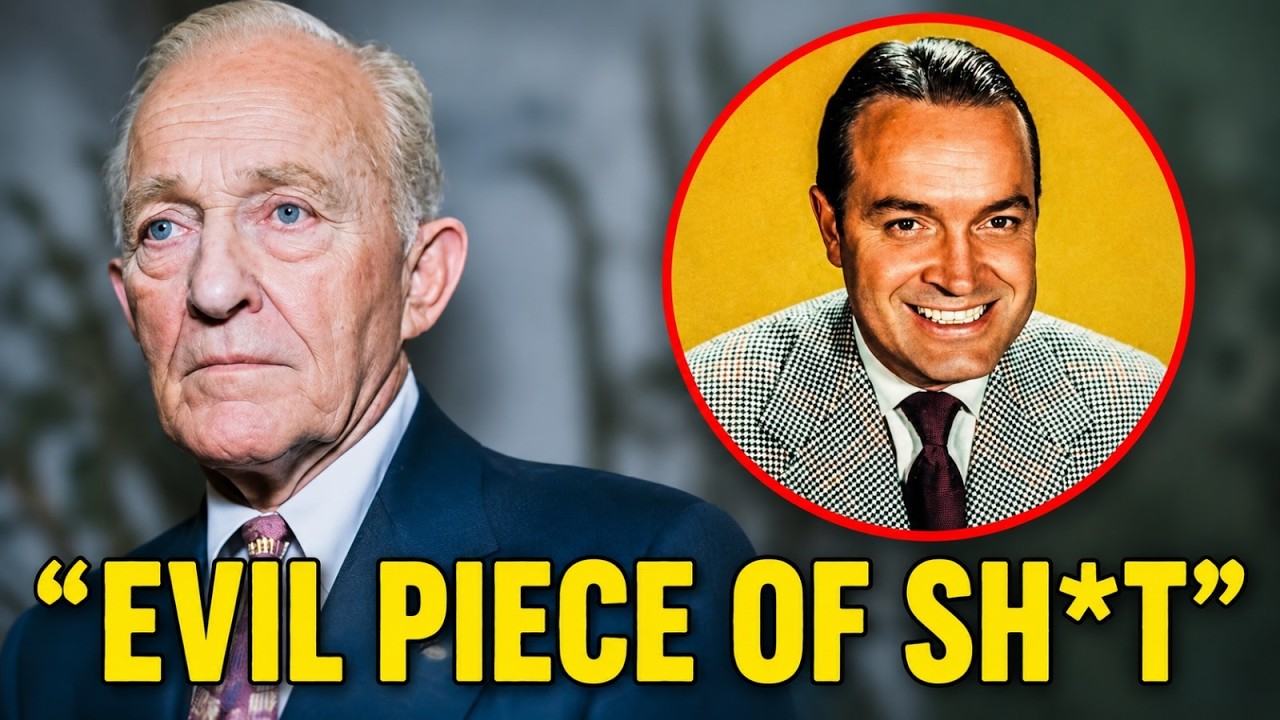
The Real Reason Bing Crosby Despised Bob Hope Was Kept Secret, Until Now

For decades, the world believed Bing Crosby and Bob Hope were Hollywood’s happiest comedy team. On screen, they looked inseparable, constantly joking, united through the classic Road flicks. While crowds treated them like lifelong best pals.

But behind the cameras, the truth was considerably more complicated. Bing Crosby quietly grew bored of Bob Hope in ways the public never fully grasped, and the real animosity between them stayed disguised for years, for both men had needed the partnership to survive Hollywood in its peak.

Newly uncovered accounts from insiders and long-buried interviews now reveal the depth of Crosby’s private irritation. The man who sang White Christmas and played the easy ladies man on film actually found Hope exhausting. Hope’s relentless hunger for attention, his constant need to entertain between takes, and his obsession with staying visible grated on Crosby’s cool, detached nature.

The partnership that generated millions at the box office was, in truth, a corporate arrangement rather than a genuine friendship.

The tension began almost immediately after they started working together. Hollywood saw something weird right away between them. Two, it felt like they had chemistry.

Simple. Crosby played the easy ladies man, Hope was a smooth talker, and acted like the frightened, quick-talking plotter ever striving to survive another calamity. Audiences appreciated the contrast because it seemed natural, almost accidental, as if two close buddies were only joking in front of a camera around.

But what most folks never knew was the cooperation worked precisely for the two men were so very different. Personally, they were often annoying in person to each other.

The basis of their connection begun well before the Road was built. Films made them worldwide stars. Both men were from the vaudeville, where performers learned to survive by timing, improvisation, and reading audiences immediately introduced by a common friend because he figured their characters would complement each other in unison.

He was correct. Crosby and in live performances Hope developed short comedic sketches called crossovers where deeds are distinguished from each other. Have a brief on stage meeting for off-the-cuff jokes.

Their exchanges become popular since neither man wanted to fully hand over control to the other. That strain generated energy audiences could sense at once.

When the time is right Paramount bosses saw them together. Crosby was already one of the largest entertainers in the United States. He was hugely successful in radio, music, and movies while Hope was still rising to stardom.

That was more important than the difference. People got it. Crosby saw himself as a well-known icon who already had dominated the industry.

In the meantime, Hope was nearing Hollywood like a still aspiring outsider. Continual power struggle. Their personalities showed one thing difference from the start.

Crosby was confident, detached, and often emotionally cold. Hope was restless, insecure, and obsessed with maintaining popularity.

Once Road to Singapore became a massive hit Paramount rushed to produce sequel after sequel because the films earned enormous box office profits. Within only a few years, Road to Zanzibar, Road to Morocco, Road to Utopia, and Road to Rio turned Crosby and Hope into perhaps the most successful comedy duo in Hollywood. The movies felt modern because they constantly mocked themselves, broke the fourth wall, and joked about Hollywood itself.

Hope often made references directly to the audience, while Crosby acted amused by the absurdity surrounding him. Their banter looked spontaneous, but beneath it was a quiet competition that never disappeared.

The rivalry became especially noticeable behind the scenes. Hope desperately wanted approval from crews, executives, reporters, and fans. Between takes, he constantly entertained everyone nearby with jokes and stories.

Crosby hated that behavior. He preferred isolation. While Hope chatted with camera operators and writers, Crosby often sat alone, checking horse racing results or waiting impatiently to finish filming so he could return to golf.

The public interpreted Crosby’s calmness as sophistication, but many co-workers saw him as distant and emotionally unavailable. What secretly bothered Crosby most was Hope’s endless hunger for attention.

Crosby valued coolness above everything else. He believed truly powerful celebrities never needed to beg for laughter or admiration because people naturally gravitated toward them. Hope represented the exact opposite philosophy.

He worked relentlessly, chased publicity constantly, and treated celebrity almost like a business operation. To Crosby, that behavior sometimes looked desperate even during their peak. Years together, being privately mocked.

Hope’s inability to relax or simply disappear from public view as the Road movies became bigger, the illusion that Bing Crosby and Bob Hope were inseparable friends became one of Hollywood’s most valuable marketing tools.

Studios sold audiences the fantasy that the two men spent all their time together joking, golfing, and enjoying life like the characters they played on screen. In reality, they rarely socialized privately. Once filming ended, Crosby usually disappeared immediately while Hope continued networking with producers, executives, reporters, and celebrities across Los Angeles.

Their relationship functioned more like a successful corporate partnership than an emotional friendship. That difference slowly created resentment, especially from Crosby’s side. Being increasingly viewed Hope as exhausting.

Hope never seemed satisfied with fame even after becoming one of the biggest stars in America, he constantly chased more attention through radio shows, television specials, newspaper coverage, and endless public appearances.

Crosby thought the behavior looked insecure. Bing carefully cultivated an effortless image where success appeared to come naturally to him. He believed real coolness depended on looking detached from ambition itself.

Hope, however, practically advertised his ambition everyday. Their attitudes toward performing for troops during World War II highlighted that divide perfectly. Both men became deeply associated with the war effort, but in completely different ways.

Crosby connected emotionally through music. His recording of White Christmas became one of the most important songs of the entire era, especially for soldiers stationed overseas. The song reminded exhausted troops of home, family, and normal life before war.

Crosby understood emotional intimacy through performance better than almost anyone alive. Even critics who disliked him personally admitted his voice could make listeners feel understood instantly. Hope approached the troops differently.

He transformed entertaining soldiers into almost a full-time identity. Over decades, he traveled constantly with USO tours performing comedy shows in dangerous locations around the world. Soldiers appreciated the effort, but Hope also recognized the publicity value attached to those tours.

Crosby privately noticed this contradiction. While Hope genuinely passionate about entertaining troops, he also loved the public image it generated. Over time, Hope became known less as a comedian and more as the man who entertained the troops.

Crosby sometimes felt Hope strategically converted patriotism into personal branding. The tension between them rose stronger during the post-war years because their careers evolved differently. Crosby preferred comfort, golf, horse racing, and select appearances.

He yearned for liberty. Hope grew addicted to constant exposure. Hosted the Academy Awards many times.

Television specials that dominated appeared in beauty pageants, political events, and military visits round the clock. Crosby secretly loathed the very aggressiveness Hope threw himself into every important cultural event. Hope looked like she was afraid to being fading from public view even for a minute.

One incident in particular demonstrated Crosby’s attitude towards Hope. Friars Club in the early ’40s assembled a roast in tribute to Bob Hope. A board member, Crosby, and one of Hope’s so-called nearest friends, just didn’t show up.

When reporters later asked why he skipped the event, Bing responded coldly, “I wasn’t hungry.” The line sounded funny publicly, but people close to both men understood there was truth hidden underneath the joke. Crosby often used humor to disguise genuine irritation.

He disliked obligations, publicity rituals, and especially anything he considered phony sentimentality surrounding celebrity culture.

What made the relationship between Bing Crosby and Bob Hope even more complicated was the fact that both men secretly recognized ugly traits in each other that reflected parts of themselves. Publicly, they looked polished, charming, and untouchable. Privately, both carried reputations that slowly damaged their legacies over time.

The difference was that Hope’s controversies exploded while he was still alive, while Crosby’s darker image largely emerged after his death. That timing changed how the public judged them, but behind closed doors, each man knew exactly who the other truly was. Hope’s personal life notably annoyed Crosby because Bing hated needless scandal going public.

Hope spent decades following women despite being married to Dolores Hope. Inside Hollywood, his affairs were treated almost as conventional knowledge. Chorus girls, actresses, and singers regularly appeared around him, and some relationships become so evident that insiders freely joked about them.

Marilyn Maxwell became linked with Hope so frequently that people nicknamed her Mrs. Hope. His press team worked trying to stop stories from getting to newspapers since Hope guarded his carefully wholesome patriotic picture.

Risky, not Crosby thought, behavior since being himself was ethically innocent, but because he thought discretion was all. Crosby also cheated on his wife again and again, and so many individuals in Hollywood knew that.

His friends talked freely about his affairs sufficiently that even his own children are said to hearing stories of their father’s infidelity, but Crosby suspected personal misbehavior should be kept confidential forever. The public’s unending craving for Hope attention made secrecy harder keep. Bing saw Hope more and more as someone his ego jeopardized all involved for him.

Hope became at the same moment disappointed at Crosby’s coldness and emotional detachment. Bing seldom gave off-screen warmth of individuals. He might be charming when they want, but a lot of co-workers said he was standoffish and hard to say even in productions that succeed.

Crosby would often distance himself from casts and crews.

Hope, in all his failings, really liked entertaining people socially. He enjoyed chatting, gossip, and making whole rooms laugh between Takes. Crosby thought of that wearisome sounds.

Hope found Crosby arrogant. The contrast increased as American culture transformed in the 1960s and 70s, younger viewers started to see Hope as unfashionable and politically tone deaf. His comments about gay people and the Vietnam War provoked a response which destroyed his reputation beyond repair among the younger generation.

Hope is near relationship with Richard Nixon soured. The circumstances soldiers reportedly gave the thumbs down him during his Vietnam appearances after his publicly optimistic political repeated talking points unconnected to battlefield situation.

Hope sank and Crosby watched in silence. Cultural relevance in real time, but Crosby had difficulties of his own buried just below the surface. For years the people still considered him as the calm beloved voice of White Christmas and good clean family fun.

That was picture destroyed upon the publishing of Going My Own Way by Gary Crosby. The book depicted Bing as physically nasty, cruel, and obsessed with humiliate his kids. Gary said his father hit them with a belts, planks, and any objects that were near.

He also told about strange punishments like making boys wear filth their necks some underwear. Bing tantalized the Crosby level ear.

Though certain family members controversial sections of the memoir even the Crosby’s defenders conceded corporal punishment was common in the inside of the home. The picture of Bing Crosby suddenly turned from a beloved performer to a much darker one. Ironically, Hope never encountered disclosures that devastating.

Yes, he became deemed sexist, old-fashioned, and insensitive, but Crosby’s legacy is now following claims of emotional cruelty in his own home. Through the mid-70s, Bing Crosby and Bob Hope relationship was largely maintained through nostalgia. Audiences still loved to watch them together because they stood for classic Hollywood and war period entertainment, but in private, the two guys were much more distant.

Hope was obsessed with staying visible by television specials, award shows, and public events. As Crosby gently pulled back from Hollywood and enjoyed golf, horses, privacy, and racing. As Bing’s faith in Hope grew and grew, Hope depended on, addicted to fame, and Crosby’s serene assurance to balance his rapid-fire comic style.

In spite of their emotional detachment, another one planned Road movie, Road to the Fountain of Youth, were already advancing as the studios thought audiences still wanted one more reunion. But before production could get underway, everything changed in October of 1977 when Crosby died of a heart attack abruptly in Spain after a golf game.

The news broke Hope’s heart far more than than expected by most. That night Hope canceled a scheduled performance and asked for an emotional tribute to the press on Crosby who made the world one location through his songs. People were astonished by the statement as it sounded true and heartfelt.

And in that instant Hope seemed to understand the rivalry and strain abounded between them, Bing Crosby was the most prominent professional associate of his whole life. Following the death of Bing Crosby, Bob Hope dedicated years to safeguarding the public image of a partnership that never really was so warm as the audiences thought privately.

Crosby didn’t really dislike Hope, but he got fed up with Hope’s continual need of attention and glory, while Hope despised Crosby’s aloofness silently and conceit. What held them together was not profound friendship, but business respect knowing that success and together they had created something greater than either one could alone. The facts kept under wraps as Hollywood leaned on the imagination especially in World War II.

Viewers perceived Crosby and Hope as emblematic of stability, humor, and comfort. Neither wanted to destroy the image. Criticism was stifled in public beneath sarcasm and jokes.

Privacy and emotional Crosby guarded Distance, whereas Hope was always chasing after applause and visibility.

Ironically, those real-world contrasts developed the chemistry that made their movies just look so natural on film. Over time, both guys experienced an increasing critique. Hope was seen as obsolete because controversial comments against women, homosexual people, and Crosby’s image as Vietnam, whereas had been abused after reports of abuse from his family went public.

Yet, despite the problems, their importance of entertainment continued huge. But in the end, Crosby and Hope did not best friends, two very dissimilar males with personal friction, somehow made one of Hollywood’s best comedy pairs. What do you think was the greatest reason being Crosby and Bob Hope could never be true friends?

And do you think they Once you know which movies are a distinct experience was going on behind the scenes? Let us Drop me a line in the comments, and if you liked, don’t forget to like this video, subscribe, and turn on notifications for more classic stories from Hollywood.
9 August 2026
Categories US

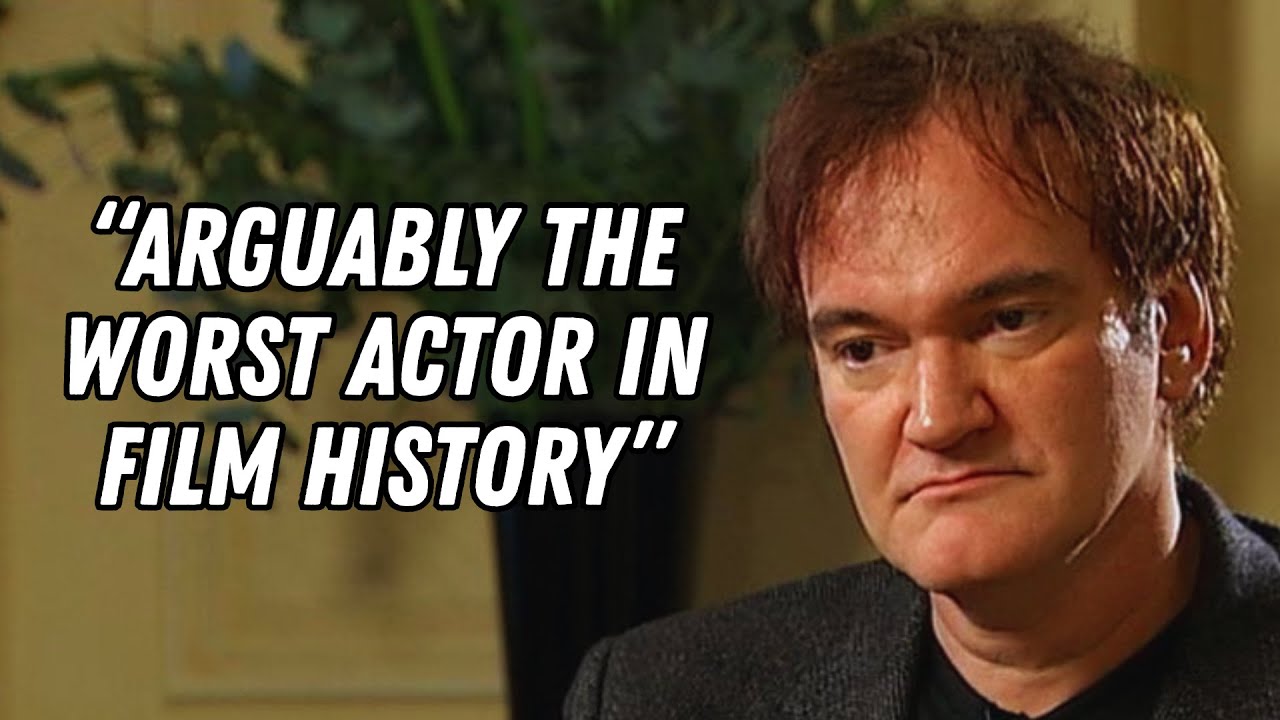
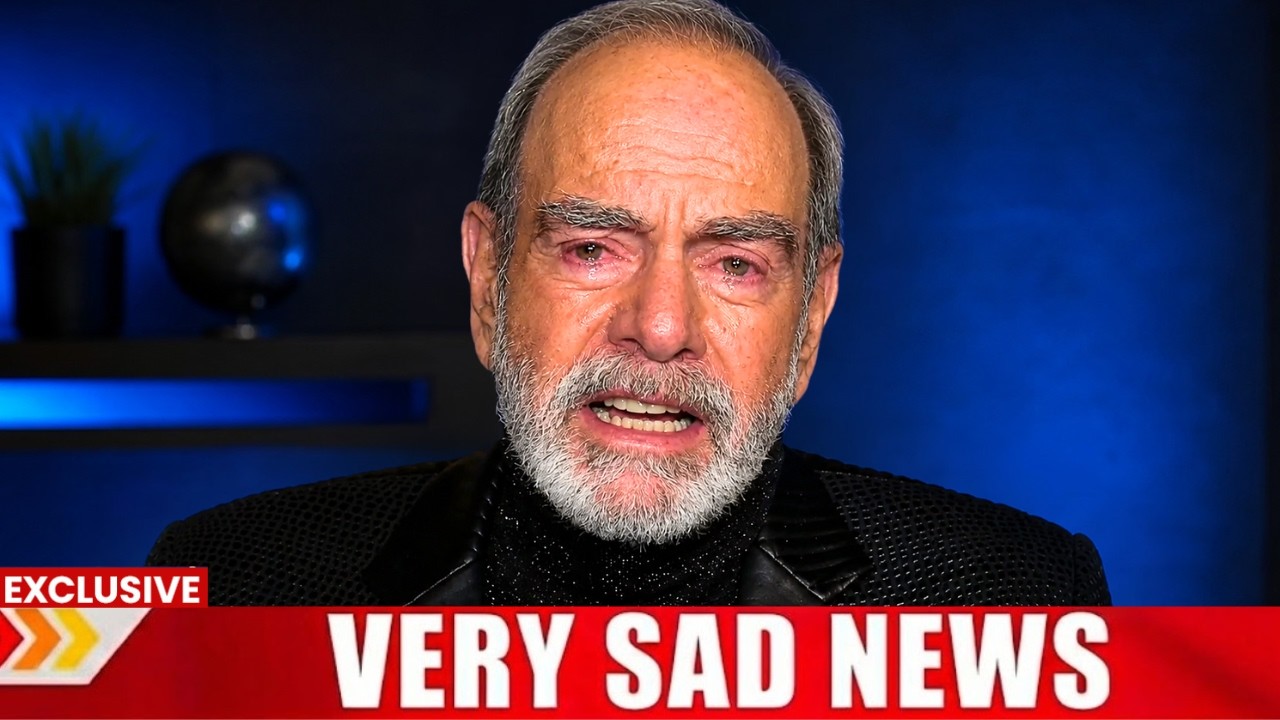
Quentin Tarantino Breaks His Silence at 62 — The Six Actors He Refused To Work With Are Finally Exposed…

She’ll knock this out. She’ll be sitting down. Yeah. Okay. She’s sitting down. He doesn’t ghost people. He explodes. When Quentyn Tarantino drops an actor, it doesn’t fade out. It blows up. Question. I’m not your slave and you’re not my master. You can’t make me dance to your tune. I’m not Tarantino doesn’t do … Read more

9 August 2026
Categories US

„Jeśli nie oddasz samochodu mojej mamie, nasze małżeństwo się kończy” — powiedział mój mąż. Nie wiedział, że właśnie…

CZĘŚĆ 1 – Konflikt i kulminacja

„Samochód dla mojej mamy albo rozwód!” – powiedział mój mąż, patrząc na mnie tak, jakby właśnie wygrał najważniejszą kłótnię swojego życia. Przez kilka sekund siedziałam przy kuchennym stole i nie mogłam wydobyć z siebie ani słowa. Nie dlatego, że nie wiedziałam, co odpowiedzieć. Po prostu próbowałam zrozumieć, jak człowiek, z którym dzieliłam ostatnie cztery lata życia, mógł wypowiedzieć takie słowa bez najmniejszego zawahania. Na stole leżały kluczyki do mojego samochodu, tego samego, który kupiłam za własne pieniądze po latach ciężkiej pracy. Samochodu, który był dla mnie symbolem niezależności i bezpieczeństwa. A teraz mój mąż chciał oddać go swojej matce, jakby moja zgoda była czymś oczywistym.

Spojrzałam na niego i się uśmiechnęłam.

Nie był to uśmiech radości.

Był to uśmiech kobiety, która właśnie przestała wierzyć w kłamstwo.

Bo w tamtej chwili zrozumiałam coś, czego wcześniej nie chciałam przyjąć do wiadomości. Problem nigdy nie dotyczył samochodu. Problem dotyczył tego, że przez lata pozwalałam innym ludziom myśleć, że moja cierpliwość oznacza słabość.

Mój mąż, Mariusz, zawsze był człowiekiem, który potrafił pięknie mówić o rodzinie. Kiedy się poznaliśmy, zachwyciło mnie to, jak bardzo był związany ze swoją matką. Wydawało mi się to nawet zaletą. Myślałam, że mężczyzna, który szanuje swoją matkę, będzie również szanował swoją żonę. Nie wiedziałam wtedy, że istnieje ogromna różnica między szacunkiem a ślepym podporządkowaniem.

Poznaliśmy się sześć lat temu podczas spotkania zawodowego w Warszawie. Ja pracowałam w finansach, on zajmował się sprzedażą i rozwojem biznesu. Od początku wydawał się pewny siebie, ambitny i odpowiedzialny. Potrafił sprawić, że ludzie czuli się przy nim ważni. Pamiętam nasze pierwsze rozmowy. Mówił o przyszłości, o domu, o rodzinie. Powtarzał, że chce stworzyć spokojne życie z kobietą, która będzie jego partnerką.

Wierzyłam mu.

Po ślubie przeprowadził się do mojego mieszkania w Krakowie. Mieszkania, które kupiłam jeszcze przed naszym poznaniem. Nie miałam z tym problemu. Nigdy nie patrzyłam na życie jak na rachunek, w którym trzeba dokładnie liczyć, kto ile dał. Dla mnie małżeństwo oznaczało wspólne budowanie.

Kiedy Mariusz miał problemy zawodowe, nie odwróciłam się od niego. Przez prawie rok szukał swojej drogi. Raz chciał otworzyć firmę, innym razem mówił o inwestycjach. Pomagałam mu. Opłacałam większość rachunków. Wspierałam go, kiedy tracił pewność siebie. Nigdy nie wypominałam mu pieniędzy, bo uważałam, że w związku czasem jedna osoba niesie więcej, a innym razem druga.

Ale z czasem zauważyłam coś niepokojącego.

Mariusz coraz częściej mówił „moja mama uważa”, zamiast „myślę”.

„Moja mama twierdzi, że powinnaś mniej pracować”.

„Moja mama uważa, że za bardzo skupiasz się na karierze”.

„Moja mama mówi, że kobieta powinna bardziej dbać o dom”.

Na początku próbowałam to ignorować. Każda rodzina ma swoje przyzwyczajenia. Każdy wynosi z domu pewne wartości. Nie chciałam tworzyć konfliktu między nim a jego matką.

Ale Zofia, moja teściowa, z czasem przestała być tylko osobą wyrażającą swoje opinie.

Zaczęła podejmować decyzje za nas.

Pierwszy raz naprawdę poczułam, że przekroczyła granicę podczas rodzinnego obiadu. Siedzieliśmy przy stole, kiedy powiedziała nagle:

„Mariusz, ty jesteś zbyt dobry dla ludzi. Czasem trzeba myśleć najpierw o sobie”.

Spojrzała wtedy na mnie.

Nie musiała dodawać nic więcej.

Wiedziałam, co miała na myśli.

Kilka tygodni później zaczęła mówić o swoim samochodzie. Jej stary pojazd często się psuł. Za każdym razem, kiedy przyjeżdżała do nas, narzekała na koszty napraw.

„W moim wieku człowiek powinien mieć trochę wygody” – mówiła.

Mariusz zawsze wtedy milczał.

A ja zaczęłam mieć złe przeczucia.

Nie chodziło o to, że nie chciałam pomagać jego matce. Gdyby naprawdę potrzebowała wsparcia, znalazłabym rozwiązanie. Ale problem polegał na tym, że nikt nie pytał mnie o zdanie. Po prostu zakładano, że skoro jestem żoną Mariusza, moje rzeczy automatycznie stają się dostępne dla jego rodziny.

Mój samochód kupiłam trzy lata wcześniej. Biała Skoda Kodiaq. Pamiętam dokładnie dzień, kiedy podpisałam umowę. Nie kupiłam jej impulsywnie. Przez kilka miesięcy odkładałam pieniądze, porównywałam modele, sprawdzałam koszty. Była wygodna, bezpieczna i niezawodna. Dla mnie oznaczała coś więcej niż środek transportu.

Była dowodem, że potrafię zadbać o siebie.

Dlatego kiedy Mariusz po raz pierwszy powiedział:

„Może oddamy samochód mamie?”

Myślałam, że źle usłyszałam.

„Oddamy?” – zapytałam.

„No tak. Przecież to nie jest problem”.

„Mariusz, ten samochód jest mój”.

Jego twarz natychmiast się zmieniła.

„Znowu zaczynasz z tym moje i twoje”.

To zdanie słyszałam coraz częściej.

Za każdym razem, gdy próbowałam postawić granicę, sprawiał, że czułam się egoistyczna.

„Jesteśmy rodziną” – mówił.

Ale ja zaczynałam rozumieć, że dla niego rodzina oznaczała coś innego niż dla mnie.

Dla mnie rodzina była miejscem, gdzie ludzie się wspierają.

Dla niego rodzina była miejscem, gdzie jedna osoba zawsze ustępuje.

A tą osobą miałam być ja.

Przez kilka dni temat samochodu wracał przy każdej okazji. Zofia dzwoniła do Mariusza prawie codziennie. Nie słyszałam całych rozmów, ale widziałam jego reakcję.

„Mama naprawdę tego potrzebuje”.

„Mama ma ciężko”.

„Mama tyle dla mnie zrobiła”.

Nigdy nie powiedział:

„Asia też wiele dla mnie zrobiła”.

A przecież zrobiłam.

Byłam przy nim, kiedy nie miał pracy.

Pomagałam mu.

Wierzyłam w niego.

Pewnego wieczoru wróciłam z pracy później niż zwykle. Byłam zmęczona, ale chciałam jeszcze przygotować kolację. Kiedy weszłam do kuchni, Mariusz siedział przy stole z telefonem w ręku.

Wyglądał poważnie.

„Musimy porozmawiać” – powiedział.

Już wtedy wiedziałam, że nie będzie to zwykła rozmowa.

Usiadłam naprzeciwko niego.

„O co chodzi?”

Westchnął.

„Mama ma urodziny za miesiąc”.

Czekałam.

„I chcemy zrobić jej wyjątkowy prezent”.

Zmarszczyłam brwi.

„Chcemy?”

Spojrzał na mnie.

„Tak”.

Poczułam, jak coś we mnie się napina.

„Jaki prezent?”

Mariusz przez chwilę milczał.

Potem wypowiedział zdanie, którego nigdy nie zapomnę.

„Samochód dla mojej mamy albo rozwód”.

Przez chwilę panowała cisza.

Nie krzyczałam.

Nie płakałam.

Nie błagałam.

Po prostu patrzyłam na człowieka przede mną.

I wtedy zauważyłam coś, czego wcześniej nie widziałam.

On naprawdę wierzył, że się przestraszę.

Że zacznę go przekonywać.

Że będę walczyć o małżeństwo za wszelką cenę.

Ale nie wiedział jednej rzeczy.

Kilka dni wcześniej znalazłam w jego komputerze dokumenty, których nigdy nie powinien zostawić.

Dokumenty dotyczące pieniędzy.

Dokumenty dotyczące jego matki.

I dokument, który pokazywał, że samochód nigdy nie był prawdziwym powodem tej wojny.

Prawdziwy powód był znacznie większy.

A Mariusz właśnie popełnił największy błąd swojego życia.

Bo dał mi wybór.

A ja po raz pierwszy od lat wybrałam siebie.

8 August 2026
Categories US

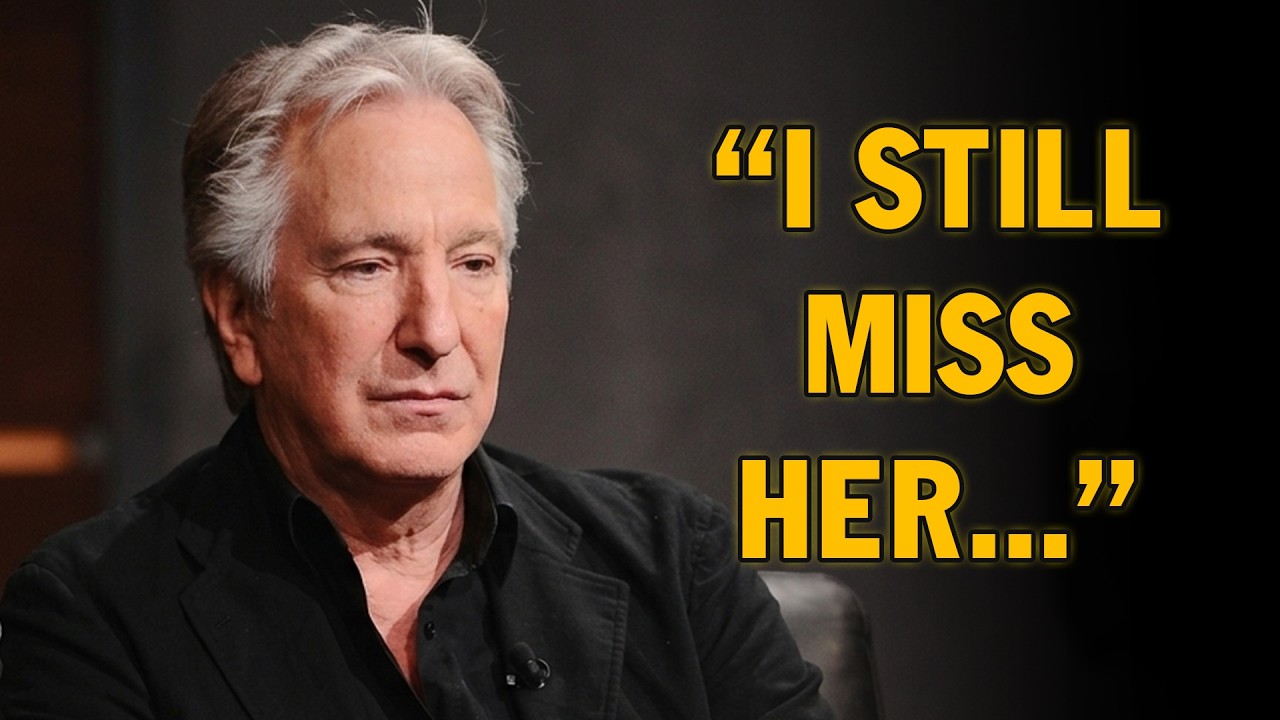
At 70, Alan Rickman Admitted She Was The Love Of His Life

The private life of Alan Rickman has been laid bare in a stunning revelation that redefines the legacy of one of Britain’s most beloved actors. The star, who passed away in January 2016 at the age of 69, spent more than five decades devoted to a woman who shunned the spotlight entirely. Her name was Rima Horton, and new details emerging about their relationship paint a picture of a love story so understated it remained almost invisible to the public eye.

Theirs was not a romance built on red carpets or flashing cameras but on quiet, steadfast loyalty that began in their teenage years. While the world mourned the loss of Severus Snape and Hans Gruber, the man behind those iconic roles was anchored by a partner who had known him long before Hollywood ever learned his name. This wasn’t a story of dramatic declarations or tabloid scandals; it was a testament to the power of choosing one another through every ordinary and extraordinary moment of life.

Alan Sidney Patrick Rickman was born into a working-class family in West London on February 21, 1946. His childhood was marked by hardship when his father, Bernard, died of lung cancer when Alan was just eight years old. This early loss instilled in him a quiet depth and a sense of resilience that would later define his most compelling performances.

Before discovering acting, he pursued a career in graphic design, attending the Chelsea College of Art and Design and the Royal College of Art.

It was in 1965, when Alan was just nineteen and Rima eighteen, that their paths first crossed. At the time, neither could have predicted that this meeting would spark a connection lasting over fifty years. Rima was intelligent, politically engaged, and entirely uninterested in the trappings of celebrity.

She was pursuing a career in academia, eventually becoming an economics lecturer at Kingston University, a world completely separate from the theatrical circles Alan was beginning to navigate.

As Alan dedicated himself to the craft of acting, joining the Royal Shakespeare Company and honing his skills on the stage, Rima remained his constant. She was the grounding force, the intellectual equal who challenged his thinking and provided a refuge from the pressures of the industry. Their relationship was built on mutual respect and independence, a partnership where neither expected the other to sacrifice their own ambitions for the sake of the other’s career.

The breakthrough came in 1988 with his film debut as the unforgettable villain Hans Gruber in Die Hard. At 42, Alan Rickman became an international star, redefining the modern movie antagonist with his icy, intelligent performance. Suddenly, the world was captivated by his commanding presence, but for Rima, nothing had changed.

She had no interest in becoming a celebrity spouse, and Alan never expected her to. He continued to return home to their quiet life in London.

While his career soared with roles in Truly, Madly, Deeply, Sense and Sensibility, and Robin Hood: Prince of Thieves, Rima stayed firmly grounded. She continued teaching and remained active in local politics, building a respected career that was entirely her own. This separation of worlds was perhaps the greatest strength of their union.

Rima provided a semblance of normalcy and honest perspective, a stark contrast to the constant praise and attention that surrounded Alan in his professional life.

For decades, they lived together without marrying, a choice that often sparked public curiosity. Alan’s response was characteristically understated, explaining that they were effectively married already, just without the official documentation. He saw commitment not as a ceremony, but as a daily choice, a philosophy that guided their entire life together.

They rarely appeared at glamorous events together, and when spotted, they looked like any other couple simply enjoying each other’s company in London.

Then, in a move that surprised nearly everyone, they quietly married in New York in 2012. There was no lavish celebration, no celebrity guest list, and no press coverage. Alan later revealed the details with his signature dry humor, explaining that they had walked across the Brooklyn Bridge, enjoyed lunch, and he bought Rima a modest wedding ring for around $200.

He added that she rarely wore it. The story perfectly encapsulated their entire relationship: simple, private, and entirely devoid of pretense.

The final chapter of their story was marked by the same quiet dignity that had defined their life together. In 2015, Alan was diagnosed with pancreatic cancer, a battle he chose to fight almost entirely out of the public eye. Only his closest confidants knew the severity of his condition.

Through the grueling illness, Rima never left his side, just as she had been there through the obscurity and the fame, offering unwavering support until the very end.

When Alan Rickman passed away on January 14, 2016, the news sent shockwaves around the world. Tributes poured in from colleagues and fans who were unaware he had even been ill. But for Rima, it was a deeply personal loss, the end of a journey that had begun when they were both teenagers.

She was not mourning a star; she was mourning the young man she had met over half a century ago, the partner with whom she had built an entire life.

The story of Alan and Rima is a profound reminder that the greatest love stories are often the quietest ones. In an era obsessed with celebrity and public displays of affection, their relationship stood as a testament to the power of privacy and loyalty. They proved that commitment is not about grand gestures but about the thousands of small, consistent choices made every day to stay.

Alan’s legacy will forever be tied to his extraordinary performances, from the villains to the heroes.

Yet, the most remarkable role he ever played was that of Rima Horton’s partner. Friends often spoke of his intense loyalty, a quality that was evident in both his friendships and his marriage. It is a poignant irony that he is forever remembered as Severus Snape, a character whose entire motivation was driven by an enduring, unrequited love.
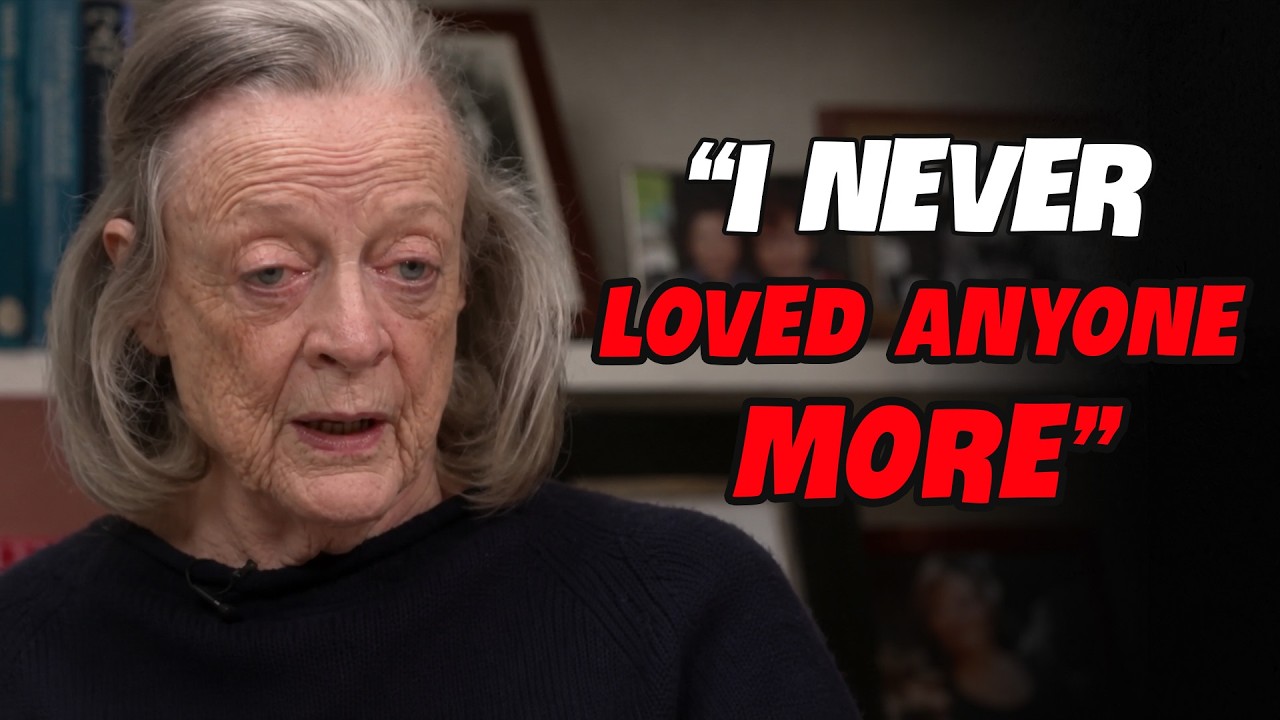
Alan understood that depth of feeling because he lived it himself, albeit with a love that was reciprocated and returned for over fifty years.

Their marriage, though brief in the legal sense, was the culmination of a lifetime of devotion. The quiet ceremony in New York was not the start of their union but a formal acknowledgment of a bond that had already proven itself resilient through every stage of life. It was a final, simple act of commitment that mirrored the understated nature of their entire relationship.

They needed no fanfare to validate a connection that had withstood the test of time.

As we look back on the life of Alan Rickman, we remember the incredible talent and the unforgettable characters he brought to life. But we must also remember the man himself, a fiercely private individual who found his soulmate at nineteen and never let go. Rima Horton was the center of his world, the constant presence behind the fame, and the person who reminded him of the life that existed beyond the cameras.

Their story offers a powerful lesson in an age of fleeting celebrity relationships. It shows that true love can flourish away from the spotlight, built on a foundation of respect, independence, and shared values. Alan Rickman’s greatest love story was never written for the screen; it was lived quietly, day after day, year after year, in the heart of London.

It stands as his most enduring and inspiring legacy.

8 August 2026
Categories US

At 89, Maggie Smith Reveals the 5 People She Loved the Most


LONDON – In a rare and deeply personal reflection, Dame Maggie Smith has named the five people she loved most in her life, setting aside the glitter of Oscars and blockbuster films to honor the quiet bonds that carried her through decades of stardom. The 89-year-old actress, known worldwide for her roles in Harry Potter and Downton Abbey, spoke in a recorded conversation that has now surfaced, revealing a side of her career the public rarely sees.


Smith did not begin with her own achievements. Instead, she spoke of her twin brothers, who were very bright, and how she grew up feeling like an only child. Then she turned to the people who mattered most after the cameras stopped rolling.

The list includes Richard Harris, Judi Dench, Alan Rickman, Michael Gambon, and Diana Rigg – all fellow actors, all now deceased.

“When you reach my age, people expect you to remember the films,” Smith said. “They’ll ask about the Oscars, Harry Potter, Downton Abbey. But the funny thing about getting older is that the work slowly moves into the background.

I think about people, faces mostly. Someone laughing between takes. Someone knocking on my dressing room door just to see if I fancied a biscuit.”

Smith’s words carry the weight of a lifetime in an industry that often forgets the human connections behind the scenes. She lamented that newspapers always wrote about success but rarely about friendship. “That’s a pity,” she said, “because friendship is what carried many of us through the difficult days.”

The first person she named was Richard Harris, the Irish actor known for his booming voice and larger-than-life presence. Smith recalled how he could make an ordinary afternoon unforgettable. “He made people laugh without trying very hard,” she said.

“Some actors arrive on set carrying the weight of their reputation. Richard never seemed terribly interested in that. He cared far more about whether everyone was enjoying themselves.”


She described Harris wandering from chair to chair, collecting little audiences without meaning to. “Somebody would ask him one simple question and 20 minutes later the entire room had forgotten filming was supposed to begin again.” But what surprised people, she added, was how gentle he could be when the cameras weren’t rolling.

He noticed nervous young actors and found ways to make them laugh.

When Harris died in 2002, Smith said she found herself thinking less about his remarkable performances and more about ordinary afternoons. “The conversations, the laughter echoing down the studio corridor. Those are the things I still miss.

Not the legend everyone else remembers. Just Richard.”

Next came Judi Dench, a friend of decades. Smith insisted she never thought of Dench as a colleague. “To me, she always felt much closer than that.

People often assume Judi and I must have spent all our time talking about acting. We really didn’t. We talked about family, gardening, someone getting hopelessly lost on the way to the theater.”

Smith praised Dench’s ability to listen. “It sounds like such an ordinary thing, but it isn’t. In our profession, there are plenty of people waiting for their turn to speak.

Judi actually listens to what you’re saying and makes you feel as though you’ve said something worth hearing.” She recalled rehearsals where tempers grew short, and Dench would pull a funny face across the room until everyone started laughing. “No speeches, no drama, just Judi being Judi.

Smith dismissed the public comparisons between them. “Who was better? Who was funnier?

I never understood any of that. It always felt like asking someone to choose between two old friends simply because they happened to do the same job.” She called Dench a blessing, someone who understood the strange rhythm of the profession without needing an explanation.

Alan Rickman was the third name. Smith remembered him as never the loudest person in the room. “If you didn’t know him, you might have mistaken his quietness for distance.

It wasn’t. That was simply Alan. He chose his words carefully.

He didn’t feel the need to fill every silence.” She noted his wonderful voice and his eyes, which gave him away every time. “He could be keeping the straightest face imaginable, but those eyes always hinted that he was quietly amused by something.”


Working together on the Harry Potter films meant years of crossing paths. Smith described ordinary days waiting for lighting adjustments, sitting in costume, chatting about books and theater. “Sometimes we’d sit there for 10 minutes without saying very much at all, and somehow it never felt awkward.

Not many people can make silence feel friendly. Alan could.” She also recalled his dry sense of humor that would arrive so quietly that half the room missed it, then everyone would suddenly laugh.

“By then Alan was already pretending he hadn’t said anything clever.”

When Rickman died in 2016, Smith said it didn’t seem possible. “Some people feel permanent. I still catch myself thinking that from time to time.

Then I remember, and I feel grateful. Not because I worked with Alan Rickman, because I knew Alan. Those are two very different things.”

Michael Gambon, who took over the role of Dumbledore, was described as “quite impossible” in the highest compliment. “You never really knew what he was going to say next. He had that wonderfully unpredictable streak that kept everyone awake.”

Smith noted his lack of vanity. “If someone started praising him too much, he’d usually find a way to change the subject or make a joke at his own expense. There wasn’t a trace of vanity about him, which is surprisingly rare in our profession.”

She admired how Gambon never tried to imitate anyone who had played the character before him. “That took courage. It would have been much easier to copy what people already loved, but Michael wasn’t interested in the easy path.”

Off camera, he was mischievous, catching someone’s eye during a quiet moment and saying something so absurd that the director would wonder why nobody could keep a straight face. “Those little moments never made the newspapers. They never appear in documentaries, but they’re the memories that stayed with me.”

When Gambon died in 2023, Smith realized how much of a room he used to fill without ever demanding attention. “I miss the laughter. I miss never knowing what he’d say next.

And I miss seeing that familiar grin that always suggested he was about to get away with something.”


The final person she named was Diana Rigg. Smith called her extraordinary, not because everyone said she was, but because she simply was. “The public knew Diana as this wonderful elegant woman, intelligent, witty, completely in command of herself.

All of that was true. But there was another side to her that people didn’t always get to see. She was incredibly thoughtful, not in a grand dramatic way, in the smallest ways.”


Smith recalled how Rigg would remember something mentioned months before and ask about it as though it had happened yesterday. She noticed when someone seemed tired or sitting alone. “She noticed the people who were easiest to overlook.

That tells you a great deal about a person.” The two shared decades in theater, a profession that creates lifelong friendships. “With Diana, it was always easy.

There was never any need to pretend. Neither of us had anything left to prove.”

Smith praised Rigg’s sharp wit that could leave an entire room in stitches but was never used to make someone feel small. “I’ve often thought that kindness is the quality people remember longest. Not brilliance, not fame, kindness.

And Diana had plenty of it.” When Rigg died in 2020, Smith didn’t think first about her performances. “I remembered hearing her laugh from the other side of a theater.

I remembered long conversations after rehearsals when nobody was in a hurry to go home. I remembered how comfortable it always felt to have her nearby.”

Smith concluded her reflection with a broader meditation on aging and love. “There comes a point in life when you stop measuring it by the years. You measure it by the people who walk beside you.
I’ve been fortunate in more ways than I ever deserved. Yes, I was given remarkable roles. I stood on wonderful stages.

But if you ask me what mattered most after all this time, I’d still come back to the same answer. The people.”

She summarized each friend’s gift: Richard could make an ordinary afternoon unforgettable. Judy reminded her that kindness never goes out of fashion. Alan showed that quiet people often leave the deepest impression.

Michael proved that laughter can carry you through the longest days. And Diana reminded her that grace isn’t something you perform – it’s simply the way you choose to live.


“I still think about them,” Smith said. “Sometimes it’s because I hear an old song. Sometimes it’s a photograph.

Sometimes it’s nothing at all. A face simply appears in my mind as though no time has passed. I don’t believe the people we truly love ever disappear completely.

As long as we remember the way they laughed, the way they spoke, the way they made us feel, they’re still walking beside us in some small way.”


She ended with a line that resonates far beyond the world of cinema. “Awards gather dust. Films become history.

But love, friendship, and shared memories have a way of outliving us all. I think that’s rather a lovely thing. And I wouldn’t have it any other way.”

The revelation offers an intimate portrait of a woman who has spent her life on screen but whose heart remains anchored in the quiet, unglamorous moments between scenes. For fans who grew up watching her as Professor McGonagall or the Dowager Countess, Smith’s words are a reminder that even the most celebrated lives are built on the people who stand beside us, not the accolades that follow.

Smith’s career spans more than seven decades, with two Academy Awards, multiple BAFTAs, and a Tony Award. Yet in this rare moment of vulnerability, she chose to measure her legacy not by the trophies but by the laughter, the kindness, and the enduring presence of five souls who shaped her journey. The interview has already sparked widespread emotion across social media, with fans and fellow actors paying tribute to the friendships she so eloquently described.

As the world continues to mourn the loss of these legendary performers, Smith’s testimony serves as a powerful eulogy – not for their work, but for the people they were when the cameras stopped rolling. In an industry often obsessed with fame, she has reminded us that the truest measure of a life is the love we leave behind.

8 August 2026
Categories US

Lizard Lick Towing Vanished From TV — Years Later, The Shocking Truth About What Happened Comes Out…

20 shots tore into the rear of a car, killing Alex Shirley and critically injuring his friend Sophie Haggy. Shirley was the son of reality TV personality Ronnie Shirley from the show Lizard Lick Towing. Although Haggy survived, she’s now paralyzed from the waist down. They were loud, chaotic, and absolutely impossible to look away … Read more

8 August 2026
Categories US

At 93, Michael Caine Reveals The 5 People He Loved The Most


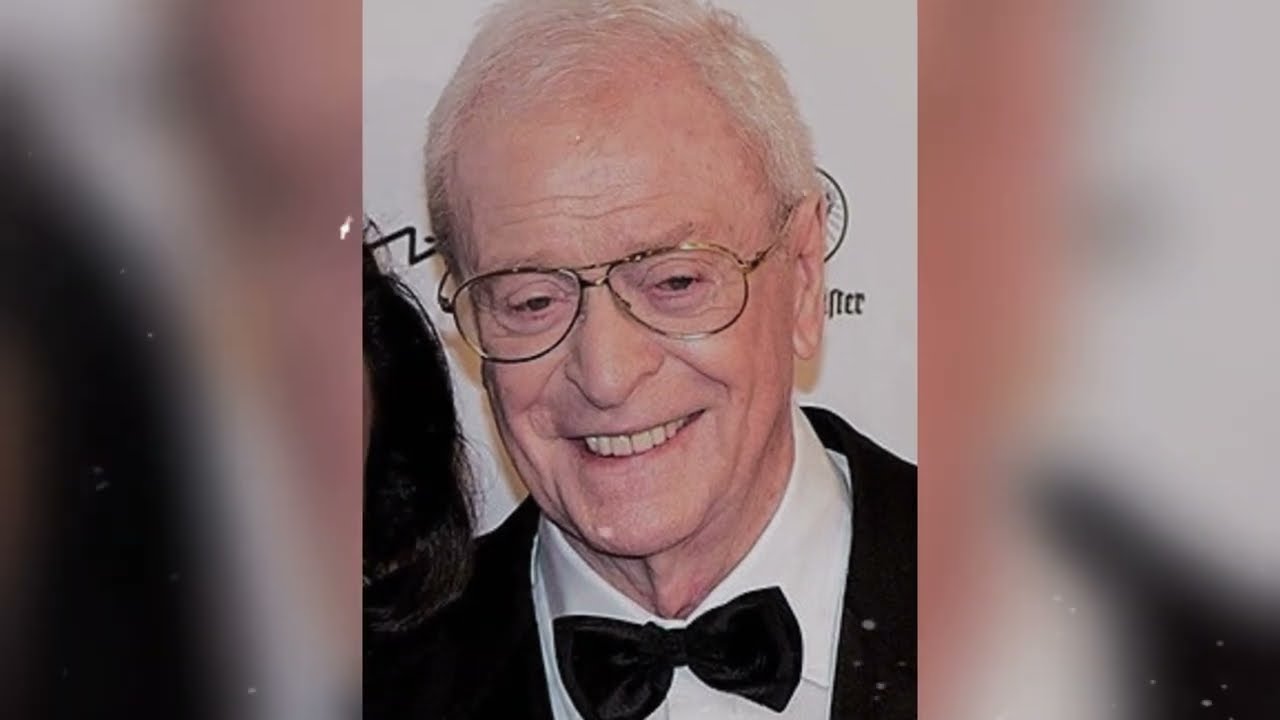
Veteran actor Michael Caine, at 93 years old, has opened up about the five people he loved most in the film industry, offering a deeply personal reflection that goes beyond awards and box office success. In a rare and candid video transcript obtained by this news organization, Caine revealed the names that came to mind when asked who mattered most to him after decades in Hollywood. The list includes Sean Connery, Roger Moore, Laurence Olivier, John Wayne, and Shirley MacLaine.

But his explanation is less about their fame and more about the quiet moments they shared.
Caine began by distinguishing between greatness and love. “The greatest actors are easy to argue about.

Everybody has a different list. But the people you love, that’s different,” he said. “That comes from spending years together, sharing film sets, sitting through long dinners after work.”

He emphasized that careers eventually become “photographs in books,” but friendships endure. “There are people I still expect to bump into when I walk into an old studio, even though I know they’ve been gone for years.”

The first name on his list was Sean Connery.

Caine recalled how Connery broke barriers for British actors in Hollywood. “If you were a British actor trying to make your way in Hollywood during our time, you couldn’t help but admire what Sean had done,” Caine said. But beyond the James Bond image, Connery was simply “Sean.”

“People often expected him to be serious… Most of the time, he’d say something that made everybody laugh instead.” Caine remembered standing in corners at events, talking about ordinary things like families and football.

“That’s usually how friendships work. They don’t happen during interviews. They happen in the quiet moments when nobody’s paying attention.”


Connery’s confidence, Caine noted, was not arrogance. “He simply knew who he was and he never felt the need to prove it to anyone else.” When Connery passed away, Caine said he thought less about the films and more about those conversations.

“You reach an age where losing an old friend feels different. It isn’t only their voice that disappears. It’s a piece of your own life that quietly goes with them.”


The second person was Roger Moore. Caine described Moore as a man who made difficult film sets easier. “If you spent 10 minutes with Roger, you’d understand what people loved about him.

He made things easy.” Moore had a knack for sensing tension and diffusing it with a smile or a joke. “That wasn’t something you could learn in acting school.
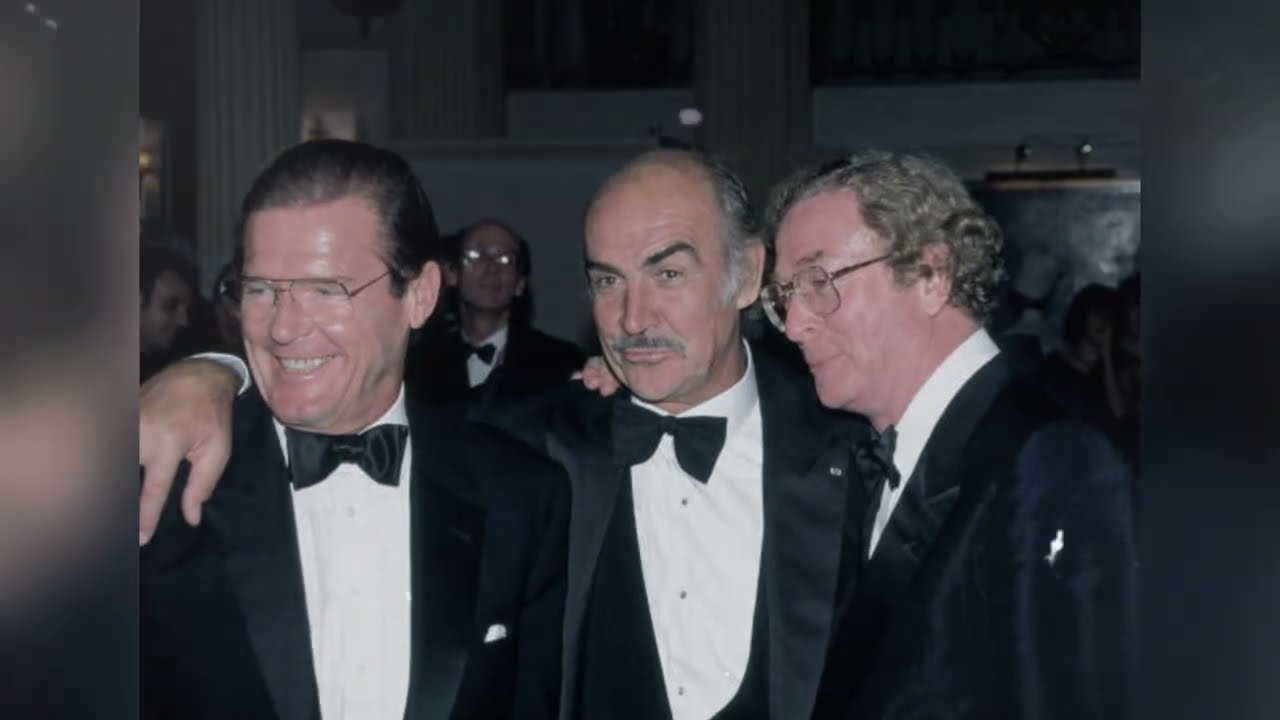
That was simply who he was.” Caine emphasized Moore’s equal treatment of everyone on set, from directors to runners. “He looked people in the eye.

He remembered names. That tells you a lot about a person.”

Caine admired how Moore never changed with fame.

“If anything, the more famous he became, the more determined he seemed to make people feel comfortable around him.” When Moore became ill, he kept his sense of humor and thought of others. “When he was gone, the industry lost a wonderful actor.

I lost someone who always made me smile.”

Laurence Olivier came next. Caine admitted he was nervous working with Olivier for the first time.

“How could I not be? By then, he wasn’t just another actor. He was Laurence Olivier.”

But Olivier greeted him like an old friend and put him at ease. Caine was struck by Olivier’s preparation. “Every line mattered.

Every scene mattered. Watching him taught me something I carried through the rest of my career. Experience doesn’t give you permission to stop trying.”


Olivier also had a dry humor that surprised people. “Between takes, he’d tell a story or make a dry little comment that caught everyone off guard.” Caine said the greatest lesson was that “talent can open the first door, but discipline is what keeps it open.”

He added, “I remember a man who never made a younger actor feel small. That’s something I’ll always be grateful for.”
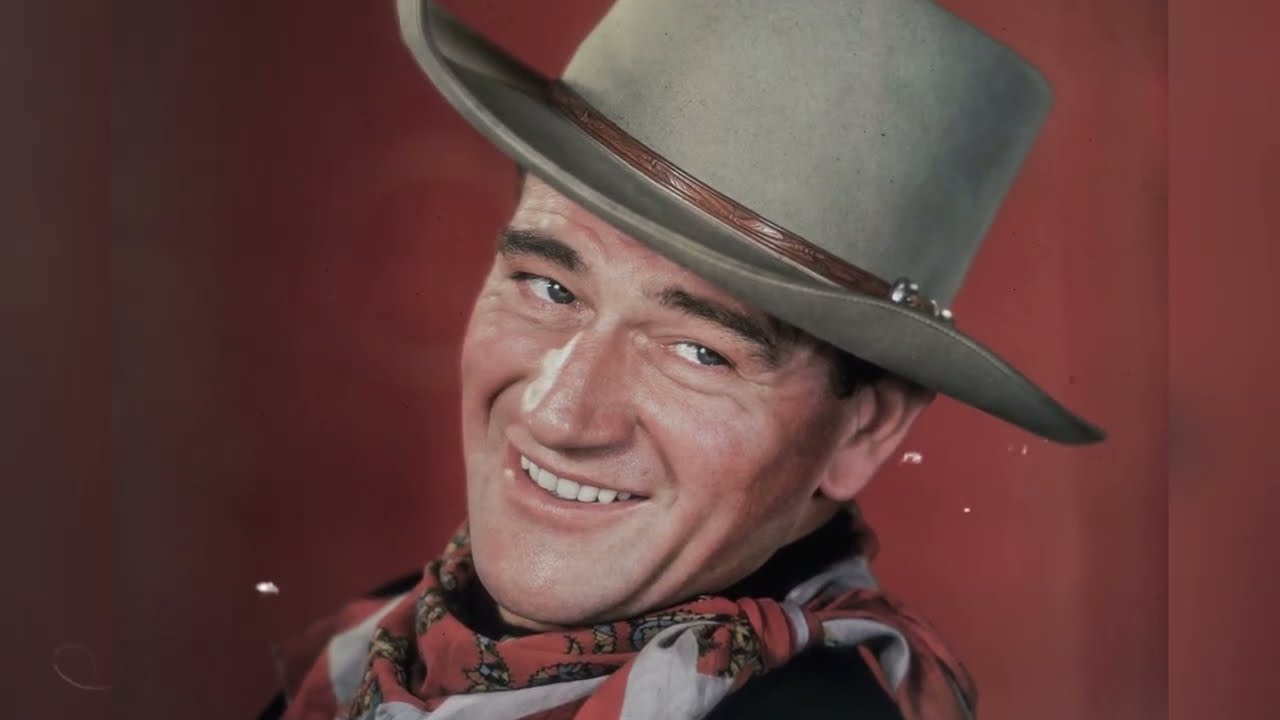
The fourth name was John Wayne.

Caine admitted he was nervous meeting the iconic star. “To my generation, he wasn’t just a movie star. He was John Wayne.”

But the man he met was quieter than expected. “He didn’t waste words. When he spoke, you listened because he never seemed interested in talking just to fill the silence.”

Their conversations rarely touched on films. “We talked about getting older. We talked about family.

We talked about how strange fame could be.”

Caine admired Wayne’s steadiness. “There was a steadiness about him.

He didn’t seem interested in proving he was tough. He simply was who he was.” As both grew older, Caine appreciated those conversations more.

“You begin to understand that careers eventually slow down… What matters then is whether you’ve built real friendships along the way.” When Wayne died, Caine said he lost “someone I genuinely enjoyed spending time with.”


The final person on the list was Shirley MacLaine. Caine noted that some might expect another British actor, but this list was about who stayed in his life. “The first thing people notice about Shirley is her energy.

She walks into a room and somehow it feels brighter almost immediately.” MacLaine is curious and listens. “She always seemed more interested in hearing what someone else had to say.”

Caine said their conversations never felt rushed, drifting from films to family to books. “Those are my favorite kinds of conversations. No cameras.

No audience. Just two old friends enjoying each other’s company.” He admired that MacLaine never lost her sense of wonder.

“Hollywood has a way of making people cynical… Shirley never seemed to let that happen.” She still finds reasons to laugh and believes there is always something new to learn.

“She reminds you that growing older doesn’t mean becoming smaller. It simply means collecting more stories.”

Caine concluded by reflecting on the greatest privilege of his career.

“When people ask me about the greatest privilege of my career, they usually expect me to mention an award or a famous film. They’re always surprised by my answer. The greatest privilege was the people.”

He said the films gave them a reason to meet, but friendship gave them a reason to stay in touch. “At the end of your life, nobody remembers how many days you spent on a film set. You remember who was standing beside you.

Those are the memories I’ve held onto. And I imagine I always will.”

The revelation comes as Caine, now 93, continues to reflect on a career spanning more than seven decades.

His words offer a rare glimpse into the private world of one of cinema’s most enduring figures. For fans and fellow actors alike, the list serves as a reminder that behind the legends are human connections that outlast any accolade.


8 August 2026
Categories US

Dean Martin’s 6 Secret Affairs Hollywood Tried to Hide: The Lonely Man Behind the Perfect Smile

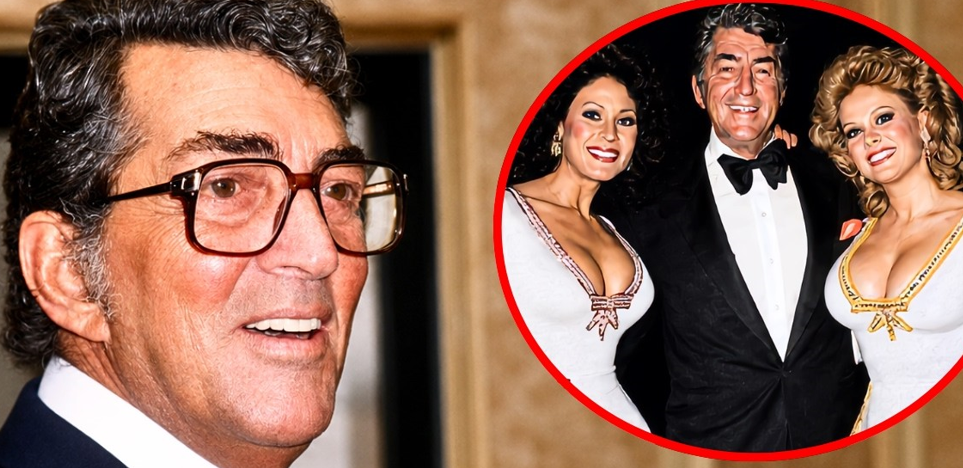
For decades, the world believed it understood Dean Martin. He was the man with the relaxed smile, the smooth voice, the effortless charm, and the famous glass in his hand. On stage, he looked like a man who had nothing to prove, someone who could walk into any room and own it without trying. But behind that image was a much quieter story — one about loneliness, hidden emotions, and a man who spent his entire life searching for a connection he was afraid to keep.


8 August 2026
Categories US