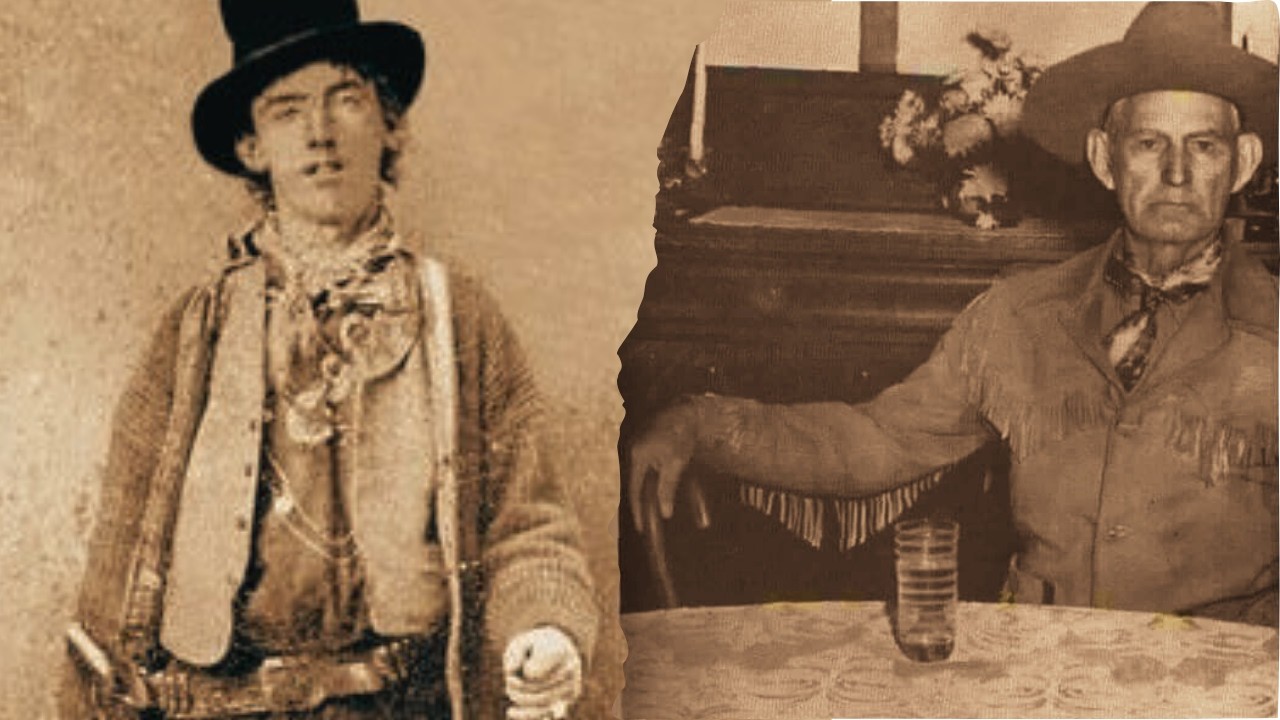
In 1868, a 15-year-old preacher’s son from Texas killed a formerly enslaved man and fled rather than face trial. That decision turned John Wesley Hardin into a fugitive—and set him on a violent path that made him one of the most hunted young men in the South before he turned 20. Born in Fannin County, Texas, in 1853, Hardin was the son of James Hardin, a Methodist minister and schoolteacher. He was better educated than most frontier boys, raised around church life and strict discipline.
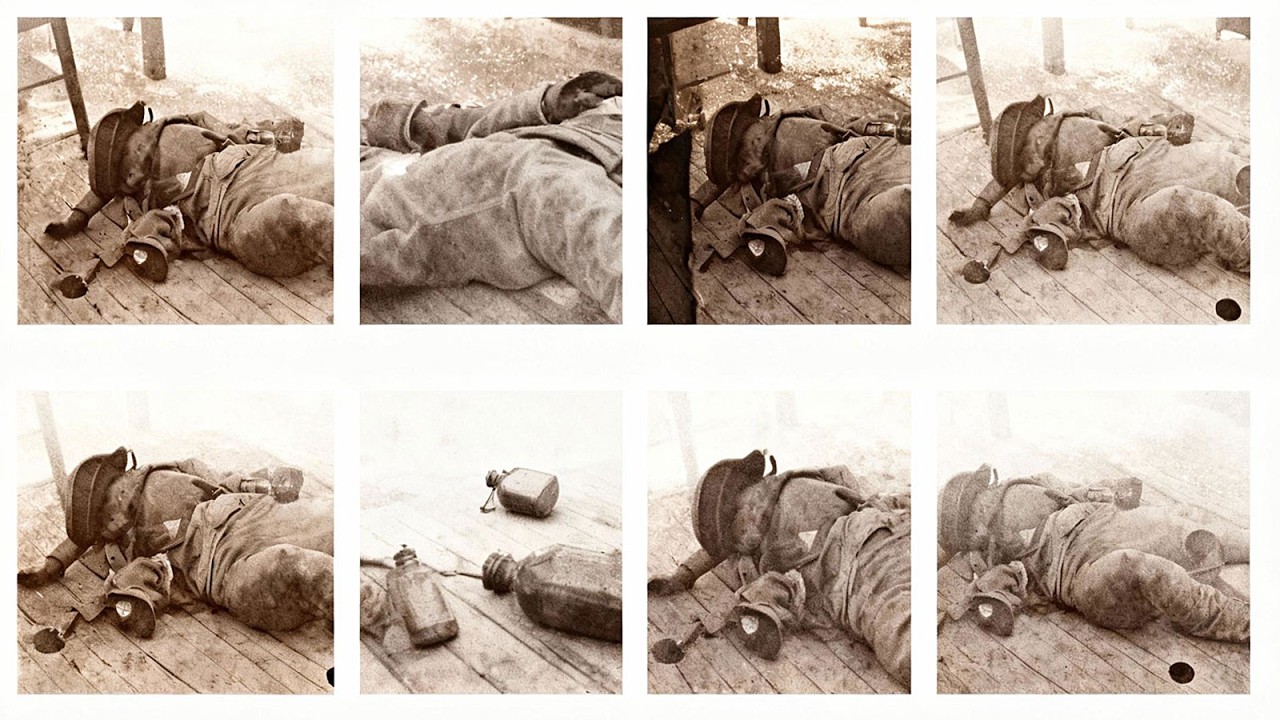
By his mid-teens, though, he was already carrying a revolver. In November 1868, Hardin confronted a formerly enslaved man named Mage. Hardin later claimed Mage threatened him with a stick and that he fired in self-defense. Mage died from his wounds.
Local authorities treated it as homicide, and Hardin—distrustful of Reconstruction-era courts, as many former Confederates were—fled instead of facing trial. Over the next several years, Hardin moved constantly across Central and East Texas, staying with relatives and sympathizers. He was involved in multiple violent encounters, some documented in court records and newspapers, others known only through his own later autobiography, published in 1896. In 1869, he was reportedly involved in a shootout in Towash, Texas, in a dispute over gambling.
In 1871, while driving cattle along the Chisholm Trail in Kansas, he claimed to have killed a man in Abilene after a quarrel—an incident sometimes linked to Wild Bill Hickok, who was marshal there at the time, though no solid court record confirms Hardin’s version. By the early 1870s, Hardin’s name appeared more frequently in Texas newspapers. He was connected to gunfights in Kosse, Trinity, and other towns. In some cases, warrants were issued; in others, grand juries failed to indict due to lack of witnesses.
Reconstruction-era law enforcement made consistent prosecution difficult, especially in rural counties. Hardin’s mobility was key to his survival. He used aliases, including Wesley Clements, and avoided staying long in one place. He often traveled armed and accompanied by allies.
Unlike some outlaws who robbed banks or trains, Hardin’s violence usually stemmed from personal disputes, gambling arguments, or confrontations with law officers. The most documented turning point came in 1874 in Comanche County, Texas. Hardin was accused of killing Deputy Sheriff Charles Webb in Brown County. Webb attempted to arrest him for an earlier charge, and during the confrontation, shots were fired and Webb was killed.
Killing a lawman intensified public pressure and official pursuit. After Webb’s death, Hardin fled Texas, eventually traveling through Alabama and Florida. Texas authorities, including the Texas Rangers, continued to track him. Ranger John B.
Armstrong played a central role in the capture. On August 23, 1877, Hardin was arrested in Pensacola, Florida. Armstrong and other officers located him on a train; accounts describe a brief struggle before he was subdued. He was returned to Texas to stand trial.
In 1878, he was convicted of the 1874 murder of Charles Webb and sentenced to 25 years in the Texas State Penitentiary. Hardin entered prison at Huntsville at age 25. He served approximately 17 years and was released in 1894 under a conditional pardon from Texas Governor James S. Hogg.
This is where the most remarkable part of his story unfolds—because prison changed how he presented himself to the world. While incarcerated, Hardin did not fade into obscurity. Prison records and later accounts confirm that he educated himself extensively, studying theology, mathematics, and most notably law. He read legal texts and worked through formal materials available to inmates, developing a serious understanding of legal procedure and criminal law.
He also wrote much of what would become his autobiography, published in 1896. In that book, Hardin described many of his earlier violent encounters, often framing them as acts of self-defense. The manuscript presented him less as a reckless killer and more as a man reacting to threats in a chaotic era—a deliberate reshaping of his image. After release, Hardin relocated to Gonzales, Texas, and later to El Paso.
Records indicate he was admitted to the Texas bar in 1894—a fact not disputed. He was legally authorized to practice law. But the question is whether his behavior had fundamentally changed. Within months of his release, Hardin became involved in disputes in Gonzales.
Newspaper accounts from the mid-1890s mention altercations and accusations, though not all resulted in formal charges. In 1895, he moved to El Paso, a city known at the time for gambling, vice districts, and cross-border tensions with Ciudad Juárez. Hardin began practicing law in El Paso, but evidence suggests his legal career was limited and irregular. He reportedly took minor cases and sometimes associated with gamblers and saloon operators.
In El Paso, he developed tensions with local figures, including Constable John Selman, who himself had a violent past, including involvement in the killing of outlaw King Fisher in 1884. The confrontation came to its end on August 19, 1895. Hardin was inside the Acme Saloon in El Paso, playing dice. Selman entered the establishment.
What happened next has been debated for over a century, but the core facts are consistent: Selman fired at Hardin from behind. The first shot struck Hardin in the head, and additional shots followed. Hardin died at age 42. Witness testimony varied on whether Hardin had reached for his weapon.
Some claimed he was armed but had not drawn; others suggested he may have been reacting to Selman’s presence. No evidence shows Hardin fired a shot during the encounter. Selman later claimed he believed his life was in danger. But several witnesses described the attack as coming from behind with little warning, which would weaken any claim of immediate self-defense.
Newspaper coverage at the time reflected divided opinion: some portrayed Selman as removing a dangerous man from society, while others questioned the manner of the shooting. Selman was arrested and charged with murder. He posted bond and awaited trial. But before the case could be resolved, in April 1896, Selman was shot and killed during an argument with US Deputy Marshal George Scarborough.
With Selman dead, the legal process surrounding Hardin’s killing ended without resolution. What remains unsettled is significant. First, motive: while tension between Hardin and Selman is documented, no definitive written threat immediately preceding the shooting survives. Second, positioning: though most accounts say Hardin was shot from behind, small variations in witness testimony leave room for interpretation about whether he sensed danger.
Third, justification: without a trial verdict, history cannot formally label the shooting as murder or justified homicide. What is firmly established is this: Hardin did not die in a dramatic duel in the street. He was shot inside a saloon, from behind, by another armed man with a violent past. The myth of the clean, face-to-face Western showdown does not match the documented evidence.
Looking strictly at the years between 1868 and 1877, Hardin spent nearly a decade moving across state lines, involved in repeated violent encounters, and evading coordinated efforts to arrest him. Some killings during this time are supported by local documentation; others appear only in his own later claims. Hardin was buried in Concordia Cemetery in El Paso. Decades later, in 1995, his remains were exhumed and reinterred in Nixon, Texas, near family members.
The reburial renewed public interest and debate about his life and death. Between 1894 and 1895, Hardin did not return to confirmed killings after release—there is no verified record of him shooting anyone during his final year. But he did not remove himself from volatile environments. He continued to frequent saloons and gambling halls, and he remained armed.
Historically, this raises a direct question: did prison reform him, or did it simply pause his pattern? The evidence shows measurable change in one area—education and professional certification. He achieved something uncommon for a former outlaw: legal admission to the bar, which required study and procedural compliance. Yet environment and association matter.
By relocating to El Paso’s vice district, Hardin placed himself back into high-risk social circles. His death in a saloon confrontation reflects continuity with his earlier life, even if he was not the aggressor in that final moment. With Hardin’s death, the violence ended, but the debate did not.
His final seconds remain part record, part interpretation, and part legend—shaped as much by who tells the story as by what happened that night.