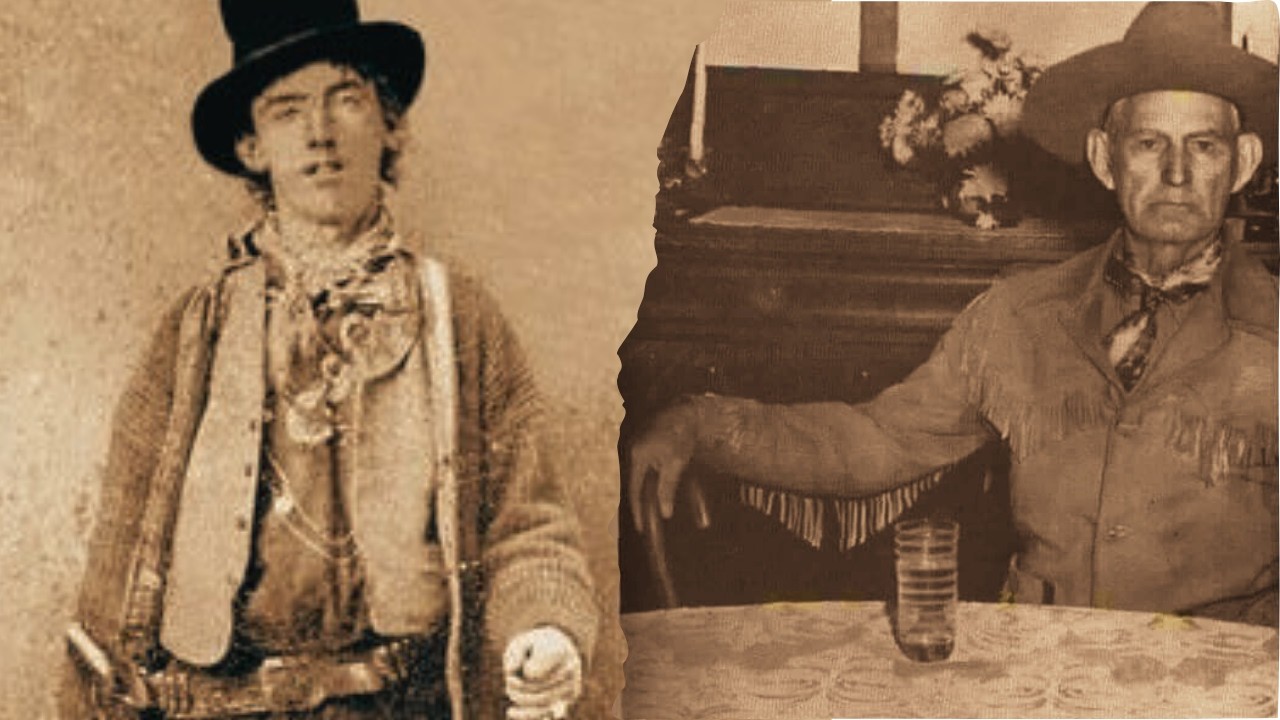
No, the New York City Police Department has never conducted a forensic photo comparison to prove that Brushy Bill Roberts was Billy the Kid. Despite persistent rumors that the agency or other official organizations such as the FBI or CIA settled the long-standing historical debate, no such investigation has ever taken place. The confusion stems largely from a documentary produced by Dan Edwards titled *Billy the Kid: The Silver City Photo*. In the film, a newly discovered photograph allegedly showing Billy the Kid in Silver City, New Mexico, is examined.
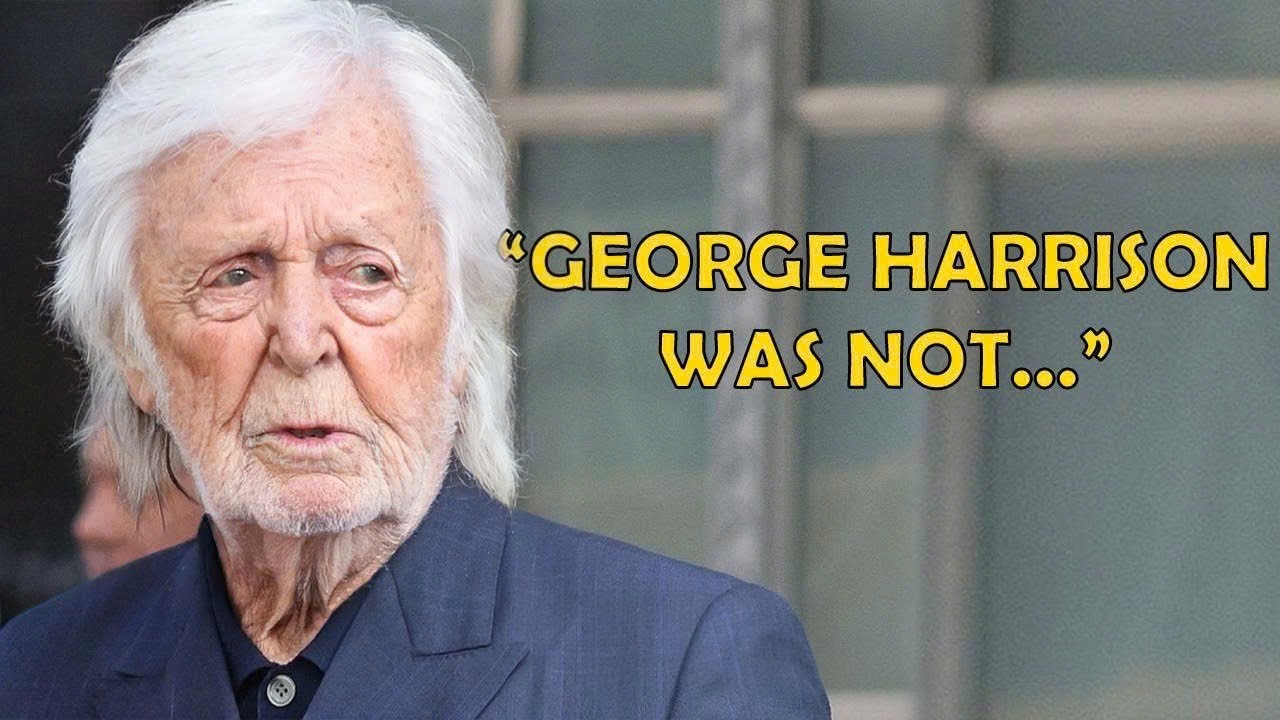
Much of the documentary centers on forensic methods used to authenticate that image, with particular focus on a man presented as a facial recognition expert employed by the NYPD: Detective Michael Furia. The documentary describes Furia as a world-leading forensics artist who employed modern forensic techniques to compare the Silver City photo to other known images. During the film, Furia is given six photographs and told they all depict the same person at different ages, though he is not told that person is allegedly Brushy Bill Roberts. He compares each of those six images to the Silver City photo and says he is highly confident they are all the same person.
Around ten minutes later, Furia is shown the famous tintype of Billy the Kid and compares it to the Silver City photo as well. He never explicitly states that the man in the Silver City photo is Billy the Kid or that Brushy Bill Roberts was Billy the Kid. However, he points out multiple similarities and makes statements such as, “I’m comfortable with this,” and “Everything’s consistent. ” When asked if it would be highly likely that both photos depict the same person, Furia responded, “Yeah, looks pretty good.
I like it. I do like it. ”
While Furia never made a direct declaration, many viewers took his analysis as confirmation that Brushy Bill Roberts and Billy the Kid were the same man. A crucial detail is that no facial recognition software or algorithms were used in the documentary.
Furia relied solely on his own visual assessment. He later clarified this in a video posted to his own YouTube channel titled “Billy the Kid,” accompanied by a written disclaimer. In that disclaimer, Furia stated that his opinions were his own and did not reflect those of his employer, that the project was for entertainment purposes only, and that he was told it was a genealogy project involving subjects he had no knowledge of. He added that he was not paid for the photo analysis, that he was not employed by the documentary’s author, and that the work was completed on his own time.
Furia explicitly noted, “A possible match does not mean it is a positive match. It is simply a belief or hypothesis based on experience and training. ” He also said the project was “in no way a full investigation,” that he was not given all available photos, and that comparing historical photos is not the same as identifying live criminals. Most importantly, Furia stated that his employer’s practices do not include one-to-one photo comparison and that no facial recognition technology of any kind was used in his comparisons.
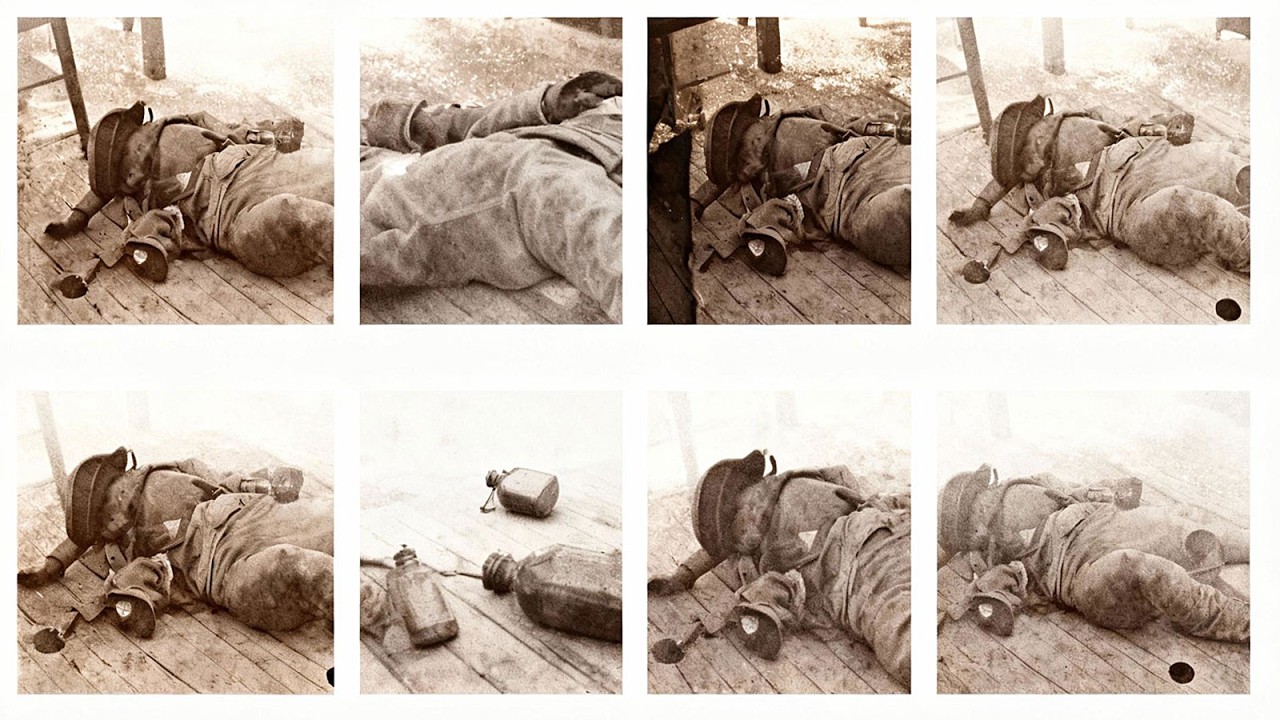
His conclusions, he said, were based solely on his experience. A significant flaw in Furia’s documentary analysis also surfaced. One of the six photographs he was assured depicted Brushy Bill Roberts was actually an image of a man named William Dabrall Wood. The photograph was taken on Long Island in the fall of 1898 after the Rough Riders returned from Cuba.
The same image appears in Theodore Roosevelt’s book *The Rough Riders*, where Roosevelt names Wood and praises his talents. The negatives of the photograph still exist, and the original sleeves are labeled with the names of all the men featured. Wood’s life is well documented through census records, newspaper articles, city directories, and an obituary. He worked as a cowboy in Colorado in 1880, married at least twice, served with Roosevelt in Cuba, and later settled in Cochise County, Arizona.
He was not an alias used by Brushy Bill Roberts, and his life was entirely separate from the man who claimed to be Billy the Kid. Despite this, Furia was highly confident that the image of Wood matched the photographs of an elderly Brushy Bill Roberts, and he also felt it matched the Silver City photo. Furia was given incorrect information that all six photos showed the same person, and he has stated he did not know the project was connected to a famous outlaw. The broader claim that facial recognition technology can settle the question of whether old photographs show the same person remains problematic.
Modern facial recognition software is designed to match high-resolution images against databases of other high-resolution images such as mugshots, passports, and driver’s licenses. Nineteenth-century tintypes contain far less usable data. Scratches, dust, chemical artifacts, shadows, harsh lighting, and lack of color can confuse the software, which cannot reliably distinguish between a facial wrinkle and a scratch on a plate. Even the most advanced facial recognition tools do not produce definitive identifications on their own.
The Civil War Photo Sleuth, a tool developed at Virginia Tech, narrows down a list of candidates, but humans make the final identification using additional evidence such as uniforms, service records, and provenance. According to its creator, Kurt Luther, a match in the system is simply a starting point. He said, “While computer algorithms can filter out noise and highlight the best options, only humans can provide the careful analysis and synthesis required for an airtight identification. ”
The same limitation applies to law enforcement.
According to the NYPD’s own internal documents, facial recognition does not by itself establish probable cause to arrest or obtain a search warrant. It may generate investigative leads through a combination of automated biometric comparisons and human analysis, but even with a match, detectives still must gather additional evidence. The 1990 study often cited as the result of an FBI investigation is also the subject of misinformation. The study was conducted at the University of Texas by professors Alan Bovik and Scott Acton.
It was not an FBI project, and it did not produce a positive match. Claims that the study proved beyond the shadow of a doubt that Billy the Kid and Brushy Bill Roberts were the same person are unsupported. Josh, the creator of the video from which this information is drawn, stated that he spoke with both professors personally. When he asked Bovik if he thought Brushy and Billy were a close match, Bovik said, “We found nothing conclusive and felt that the claim was dubious.
” Acton was more direct, saying, “I believe that Brushy Bill Roberts and Billy the Kid were not the same person. ”
Several years earlier, a user on the Brushy Bill ProBoards forum named Clyde C also contacted the professors and received a similar response. Bovik reportedly said the results were misstated and that they reached no positive conclusion. The 1990 study itself is not publicly available, which has raised questions about why it is so frequently cited despite never being published or released.
For the central historical question, the evidence continues to point to Billy the Kid dying at Fort Sumner at the hands of Pat Garrett. The death was followed by a coroner’s inquest, a public wake, and a public funeral. Multiple people who knew Billy the Kid confirmed seeing his dead body. Likewise, records concerning Brushy Bill Roberts, including census records, family documents, and World War I draft registration, indicate he was a toddler when Billy the Kid was killed.
The discussion largely rests on a misinterpretation of the documentary’s claims and a misunderstanding of what facial recognition technology can actually accomplish. Neither the NYPD nor the FBI conducted an official forensic comparison. One NYPD employee offered a personal opinion based on visual inspection, acknowledged that a possible match is not a positive match, and misidentified at least one of the subjects he was asked to analyze.
Even a match produced by technology designed for modern law enforcement would only be considered a lead, not proof.