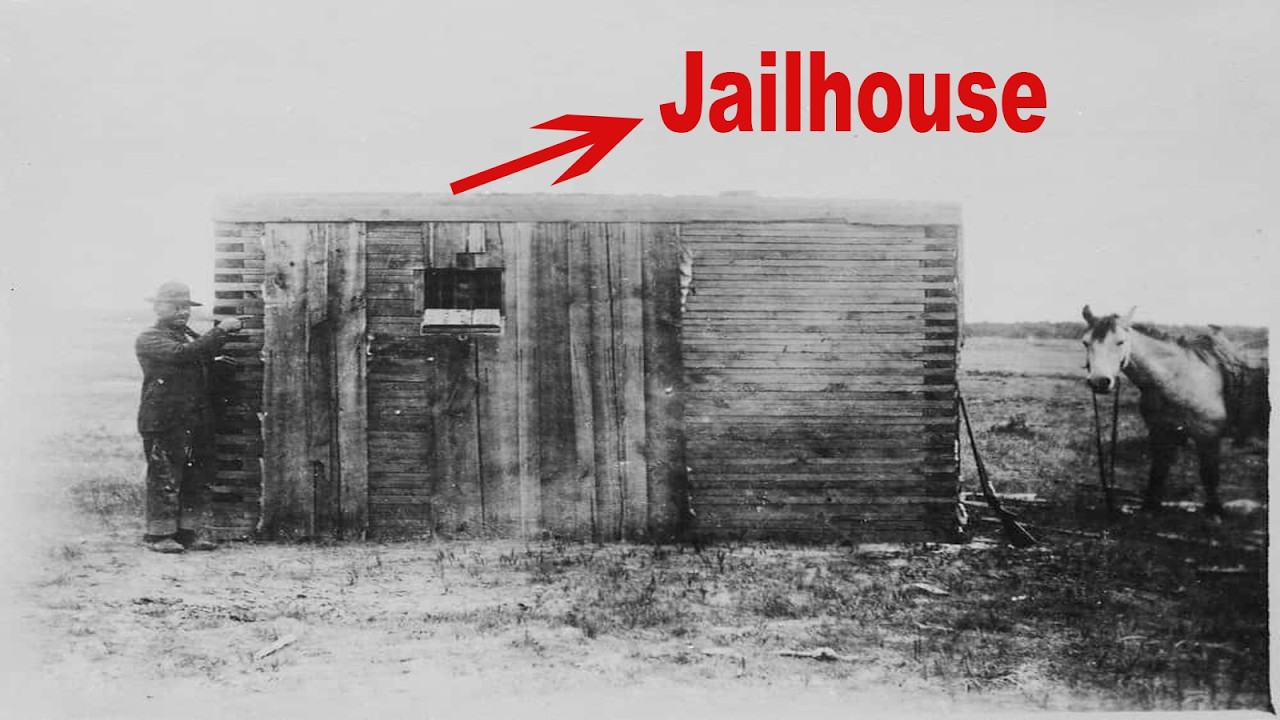
Daily life in an Old West farmhouse had little in common with the gunfights and saloon brawls that dominate movies. For most frontier families, survival meant miles of isolation, backbreaking labor, and a home built from whatever materials the land could provide. Some lived in log cabins, while others built sod houses from thick blocks of prairie grass and earth, with adobe or rough-cut timber used in drier regions. These homes were designed to withstand wind, heat, cold, dust, insects, and months of loneliness, not for comfort.

A single room often served as kitchen, bedroom, dining room, and living area, with the stove as the heart of the household. It provided heat, cooked meals, dried clothes, and warmed water for washing. Furniture was scarce and often handmade, with blankets patched repeatedly and clothing repaired until it could no longer be worn. Nothing was wasted, because replacing anything meant a long trip to town or waiting months for supplies.
Water was among the most precious resources, and families without a well carried heavy buckets from a creek, spring, or river for cooking, drinking, washing, and watering gardens. Food depended on the season and the family’s skill, with vegetable gardens, chickens, a cow, pigs, or cattle providing the staples of daily meals. Families preserved food by drying, smoking, pickling, or storing in a cellar, while flour, beans, coffee, sugar, salt, and cornmeal were precious commodities bought sparingly from distant stores. Children grew up quickly, helping gather eggs, carrying wood, feeding animals, fetch water, and watching younger siblings, with school often miles awayand attendance limited by weather and farm work.
Their toys were simple: sticks, scraps of cloth, homemade dolls, or stones transformed by imagination into games. At night, darkness came fast, and a lamp or candle provided only enough light for sewing, reading, praying, or quiet conversation. Living on the frontier was not romantic as movies often show it, but it was built on courage, family, patience, and incredible resourcefulness, where the real story of the West was surviving one day, one meal, one winter, and one sunrise at a time. When a pioneer family headed west, the wagon was the single most important lifeline, serving as kitchen, storage room, bedroom, emergency shelter, and transportation across thousands of miles of open country.
But space was limited,and weight mattered, as every extra item made the journey harder for the oxen or mules that pulled it. Many pioneers began with too much and left abandoned belongings along the trail. A typical covered wagon was not as large as imagined, around 10 to 12 feet long and 4 feet wide, packed with food, tools, clothing, bedding, medicine, cooking gear, spare parts, weapons, and personal items. Most people actually walked beside the wagon for much of the journey, since it was too full, too slow, and too uncomfortable for everyone to ride all day, with children sometimes climbing inside when tired.
Food consumed much of the space, with flour, cornmeal, bacon, beans, rice, coffee, sugar, salt, dried fruit, and sometimes hardtack, all chosen because they traveled well and could be cooked over a fire. Cooking supplies were simple but essential, including a cast iron skillet, Dutch oven, tin plates, cups, knives, spoons, coffee pot, and maybe a small kettle, items heavy but durable enough to survive years of hard use. Tools were equally critical, with an axe, shovel, rope, hammer, nails, saw, lantern, matches, needles, thread, and repair materials, because if a wheel broke, harness snapped, or shoe wore out, there was no nearby shop towait for help. Clothing had to be practical, wool blankets, extra shirts, dresses, trousers, boots, hats, coats, and underclothes, but it wore out quickly under dust, river crossings, rain, and constant walking, leaving mothers to mend garments by firelight each evening.
Some families brought treasured items like a Bible, photographs, letters, a small mirror, a favorite book, or a quilt from someone left behind, objects that reminded them who they were and why they kept going. The hardest part was choosing what to leave behind, and along some routes, travelers found scattered belongings abandoned by families who learned too late that memory could weigh more than survival allowed. In the end, a pioneer wagon carried fear, hope, grief, courage, and a dream of a new beginning, whereevery object inside had earned its place because taking too much was dangerous, but taking too little could be deadly. Running out of supplies was no small inconvenience when the nearest store was 50, 80, or even 100 miles away across rough trails, rivers, bad weather, and open prairie, so daily life was built around one simple rule: use everything, waste nothing.
A store trip was a major event, visited only a few times a year when weather allowed travel and when families had something to trade or enough money to spend, with every purchase having to matter. General stores sold essentials like flour, sugar, salt, coffee, molasses, fabric, nails, tools, lamp oil, ammunition, medicine, thread, and sometimes canned goods, but families often could not afford everything they needed and had to produce as much as possible themselves. A vegetable garden was survival, not a hobby,critically vulnerable to insects, drought, frost, or animalsthat could destroy the crop and bring months of hardship. Chickens provided eggs and sometimes meat, a milk cow provided milk, cream, butter, and cheese, pigs were valuable becausenearly every part could be used, and some families kept cattle, hunted deer or rabbits, caught fish, and gathered wild berries, nuts, or edible plants.
Preserving food was one of the most important frontier skills, with meat smoked, salted, or dried, fruits dried or made into preserves, vegetables pickled or stored in a root cellar, and butter carefully packed for later use. Clothing was reused until it fell apart, with a dress becoming a child’s shirt, a worn shirt becoming cleaning rags, socks darned, trousers patched, and boots repaired repeatedly. Containers were also precious, with barrels, jars, sacks, tins, and wooden crates reused again and again, including flour sacks becoming towels or curtains, and empty cans holding nails, buttons, or seeds. Neighbors mattered more than people realized, even if another family lived miles away, serving as a lifeline for trading eggs for flour, labor for tools, sewing for food, or help with animals for help at harvest time, and stepping in when someone was sick, injured, or snowed in.
Children learned these habits early, helping collect firewood, carry water, weed gardens, feed animals, gather eggs, and save anything useful,growing up understanding that comfort came from preparation, not convenience. The hardest part was uncertainty, as a broken plow, failed crop, sick cow, or storm-damaged roof could threaten an entire household, with no quick delivery, emergency supermarket, or hardware store5 minutes away. So, frontier families became creative, careful, and incredibly resourceful, surviving by planning ahead, preserving what they had, repairing what broke, trading with neighbors, and making every object do more than one job, knowing that independence did not mean doing everything alone, but knowing how to survive when help was a long, dusty road away. On the frontier, getting sick was terrifying, as a family might live 50 or 100 miles from the nearest town, and ifsomeone became badly injured or seriously ill, help might not arrive for days, or sometimes never at all.
A doctor covered enormous distances, serving scattered farms, mining camps, ranches, railroad towns, and isolated settlements, traveling by horse, wagon, or buggy, often through mud, snow, heat, darkness, or dangerous terrain, with bad weather making journeys impossible when swollen rivers, blizzards, or broken wagons cut the land off for hours or days. Families became their own first line of defense, requiring basic medical knowledge, as mothers, grandmothers, and neighbors often knew how to treat burns, fevers, cuts, broken bones, infections, childbirth complications, snakebites, and stomach illnesses using clean cloth, hot water, herbs, alcohol, poultices, bandages, and common sense. But frontier medicine was limited, as germ theory was not always fully understood by ordinary families, and sterilization was not what it is today, meaning a small cut could become infected, a toothache could become dangerous, and a fever could quickly turn deadly, with childbirth carrying serious risks for both mother and baby. Doctors carried medical bags filled with toolsand remedies that now seem primitive, including forceps, scalpels, needles, bottles of medicine, bandages, and sometimes chloroform or laudanum, with pain relief limitedand surgery potentially brutal, as broken limbs, deep wounds, or amputations might have to be handled in the kitchen, barn, or bedroom with family members holding lamps.
The most frightening part was not knowing whether an illness was minor or deadly, with a child’s cough potentially recovering in 2 days or spreading to the whole household, anda farmer thrown from a horse might walk again or never rise from bed. When the doctor finally arrived, he was often exhausted, having ridden through the night, stopping only to change horses or ask directions, and payment was not always cash, with families paying in food, livestock, labor, firewood, or whatever they could offer. In many cases, neighbors arrived before the doctor did, helping deliver babies, riding for help, or sitting through the night beside a feverish child so parents could rest for 1 hour. Frontier survival depended on these quiet acts of courage, as the doctor was important, but sometimes arrived too late, could do nothing, orthe real heroes were ordinary people who kept someone alive long enough for help to come, teaching families that distance could be just as dangerous as disease, and survival depended on preparation, luck, neighbors, and the strength to keep going through the night.
A letter in the Old West was never just a piece of paper, as messages could take weeks or months to arrive, crossing rivers, mountains, deserts, storms, and dangerous roads before reaching the person it was meant for. For families living far from town, mail was one of the only links to the world they had left behind, having moved west hundreds or thousands of miles from parents, brothers, sisters, friends, churches, and entire communities, so a letter from home could be the first familiar voice they had heard in months. A woman might watch a rider approach with a worn leather mailbag, hoping for news from her mother, a photograph of a new baby, word of a wedding, ortextit could be news of a funeral, creating one of the cruelest aspects of frontier communication: news could be old by the time it arrived, so a father might learn his son had been sick 6 weeks earlier, or a daughter might receive news of a death that had already occurred. Still, people waited for letters with enormous hope, as mail could bring practical information, directions to better land, warnings about drought, news of railroad expansion, job offers, marriage proposals, or money folded carefully between pages, with even a few dollars from relatives meaning food, seed, medicine, or tools.
In small towns, the post office often became a social center, wheere people came to collect mail, hear news, meet neighbors, ask about roads, and learn what was happening beyond the horizon, sometimes sharing space with the general store so checking mail became the most important trip of the month. Delivering letters was not easy, as mail carriers faced bad weather, poor roads, swollen rivers, animals, accidents, and long stretches of empty country, with mail moving by stagecoach, horseback, wagon, or military routes before railroads and telegraph lines reached many communities, and a delayed delivery could leave an entire settlement cut off from news. Writing a letter was also an act of faith, as paper, ink, and postage cost money, time was scarce, and many people wrote at night by candlelight after a full day of work, choosing their words carefully knowing those pages might be read again and again for months. A letter could carry comfort in ways nothing else could, as a husband working in a mining camp might keep a letter from his wife folded in his coat pocket, a child might ask a parent totell a story from grandparents every evening, eand a lonely settler might hold a letter simply to feel less forgotten.
Some letters brought joy, others brought heartbreak, announcing relatives were coming west, ending engagements, confirming land had been sold, money had arrived, a son was alive, or a loved one was gone, and sometimes letters never arrived at all, lost, stolen, damaged by rain, or sent to the wrong place, as families moved frequently, settlements changed names, and addresses were often uncertain, making waiting for a letter that never came its own kind of suffering. That is why a simple envelope mattered so much, as it was connection, memory, and hope crossing a dangerous landscape, reminding people living in isolation that they still belonged somewhere,and a few handwritten lines could feel like a lifeline in a world where distance could swallow voices for months. Cooking in the Old West was not just about making dinner, but about survival, as every meal required planning, work, patience, and a deep understanding of what could be grown, stored, preserved, or stretched, with no supermarket, freezer, electric stove, refrigerator, running water, or quick way to replace spoiled food, meaning families had to think weeks or even months ahead. The heart of many frontier homes was a stove or fireplace, with earlier cabins cooking over open fires using iron pots, skillets, spits, hooks, and Dutch ovens, and later families using wood-burning stoves for easier, safer cooking, though still requiring constant fuel, so before breakfast could be made, someone had to bring in firewood, light the stove, and wait for it to heat.
Meals were simple but filling, including beans, cornbread, biscuits, potatoes, bacon, salt pork, eggs, milk, butter, coffee, stew, dried fruit, and whatever vegetables could be grown in the garden, with flour, salt, sugar, coffee, molasses, and cornmeal as precious staples bought from a general storewhen possible. A good cook knew how to make a few ingredients last, using leftover meat for stew, soaking or frying stale bread, boiling bones for broth, and using sour milk in baking, wasting nothing unless it was truly unsafe to eat. Without refrigeration, preserving food was essential, with meat smoked, salted, dried, or stored as jerky, fruits dried or made into preserves, vegetables pickled, canned, or kept in a root cellar, and potatoes, onions, carrots, turnips, and apples stored underground or in a cool cellar through the winter, while milk was turned into butter, cheese, or buttermilk to keep it from spoiling quickly, and eggs used carefully, traded, or preserved when possible. Cooking depended heavily on the season, with spring bringing fresh greens and eggs, summer meaning garden vegetables, berries, and long days of preserving, fall being the time to store food for winter, and winter being the hardest season, when families depended on dried, salted, smoked, and stored foods.
Water added another challenge, as many kitchens had no faucet, with water carried from wells, creeks, springs, or pumps, every bucket heavyand every drop having a purpose for drinking, cooking, washing dishes, cleaning clothes, feeding animals, or bathing. Even baking bread was more difficult than it sounds, as flour had to be protected from insects and moisture, yeast or sourdough starter had to be maintained, oven temperature judged by experience rather than a dial, with bread burning if too hotand coming out heavy and raw if too cool. Women usually carried much of this work, though men and children often helped by hunting, fishing, gardening, hauling water, gathering fuel, or caring for animals, making feeding a household a full system involving the whole family, with the kitchen not just a cooking spot but a place for warming children, drying clothes, preparing remedies, making candles, preserving food, and telling stories after dark.
So, when asked how people cooked without supermarkets, refrigerators, or electricity, the answer is simple but powerful: they cooked with skill, memory, discipline, and creativity, understanding the seasons, respecting every ingredient, planning for hunger before hunger arrived, and knowing thata hot meal was never just food in the Old West, but proofthat the family had made it through another day.