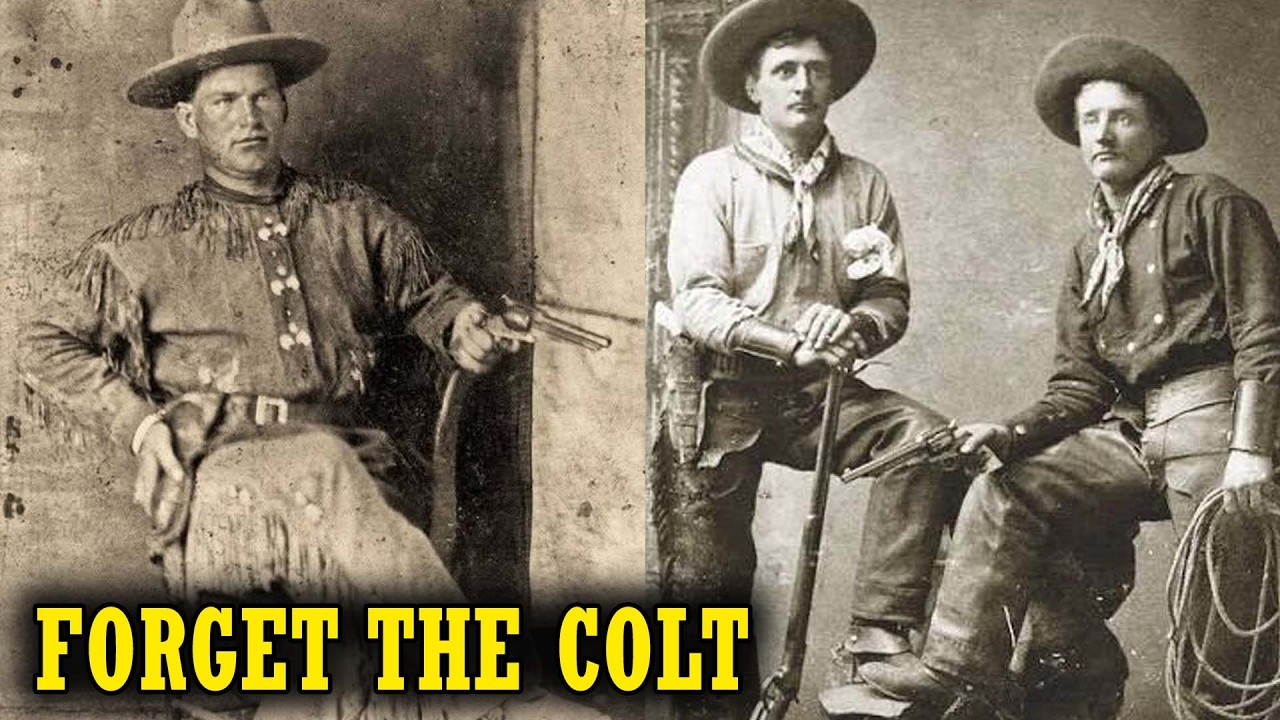
Pat Garrett’s account of killing Billy the Kid on July 14, 1881, has never fully silenced the doubters. The official story placed the young outlaw in a dark bedroom at Fort Sumner, New Mexico, where Garrett, a man who had once moved in some of the same circles as Billy, fired a single bullet that struck him near the heart. There was no showdown in the street, no fair fight at noon, only a lawman waiting in the shadows ina private home. Billy, just 21 years old, had reportedly been escaped custody months earlier and had become the most hunted outlaw in the territory.
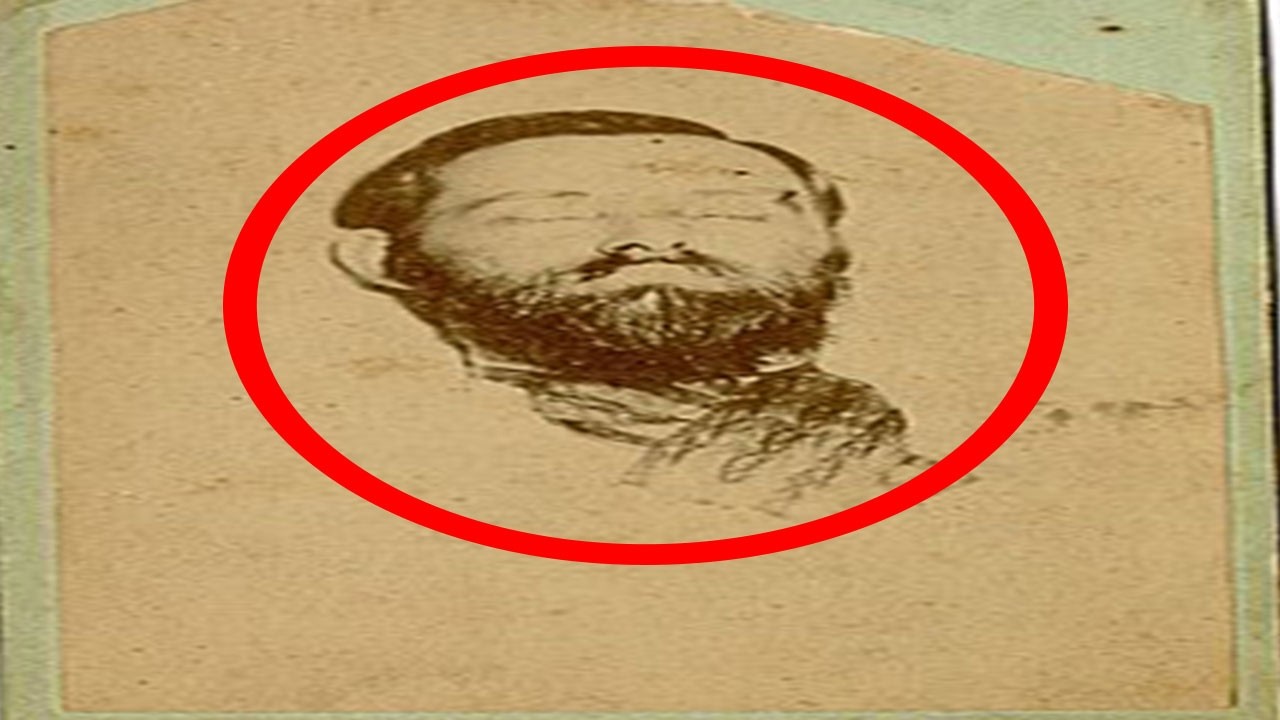
In the years since, the lack of an autopsy, no photographs of the body, no fingerprints, and a burial the very next day have left cracks in the official narrative. Rumors have persisted for over a century that Billy survived, that Garrett killed another man, or that the whole affair was arranged to let the Kid disappear. Several men later came forward claiming to be Billy the Kid in old age. Most historians still accept that Billy died at Fort Sumner, but the circumstances, the rushed burial, and the convenience of the ending for local politicians have kept the mystery alive inpopular memory.
Garrett himself wrote a book portraying himself as a hero, but many readers saw a man defending his actions rather than confessing cleanly. Some questioned why Garrett did not attempt to arrest Billy, given that he had been captured before, and whether a man hiding in a bedroom, firing without warning, deserved the fame he receivedu. Jesse James, once the most feared outlaw imprudent in America, was killed on April 3rd, 1882, not with a gun in his hand, but while standingon a chair dusting a picture in his own home vide St. Joseph, Missouri.
Living under the fake name Thomas Howard, exhausted and hunted, Jesse had let his guard down remove his gun belt inside the house, a rare moment of trust. Robert Ford, a young member of Jesse’s inner circle who had been negotiating with Missouri Governor Thomas Crittenden, stood behind him and shot him in the back of the head. Ford expected to be rewarded as the man who killed Jesse James, and at first, he was charged, pleaded guilty, sentenced to hang, then pardoned. The public, however, spat the word coward at him.
Many saw the killing as a betrayal, not justice, because Ford did not face his target, did not challenge him, and fired while Jesse was unarmed and turned away. Even people who hated Jesse James had trouble celebrating the way he died. The controversy grew because the deal with the governor looked arranged, and Ford’s later career, reenacting the killing on stage for pay, made him seem less like a hero and more like a man punished by his own infamy. Jesse’s funeral drew crowds, souvenirs were taken, and his mother reportedly charged visitors to see the grave.
Ford himself was shot dead years later in Colorado, never escaping the shadow of the man he killed. The debate over whether killing a wanted outlaw can still be dishonorable has kept Jesse James’ death contested ever sinceu
Butch Cassidy’s fate rests on one of the thinnest evidentiary trails in Old West history. By 1901, forced out of the United States by railroad detectives and growing rewards, Cassidy, real name Robert Leroy Parker, fled to South America with his partner, the Sundance Kid. They bought land in Argentina and tried to live as ranchers, but robberies linked to them soon surfaced across South America, hitting banks, payrolls, and mining operations.
In November 1908, after a payroll robbery near a Bolivian mining town, soldiers tracked two foreign bandits to San Vicente, where they were surrounded in a small house. After a gunfight, the soldiers entered and found two dead foreigners. One version, dramatic and widely repeated, says one man killed his wounded partner, then shot himself. But the bodies were never conclusively identified.
There were no fingerprints, no clear photographs, no family members who came to confirm them. The graves in Bolivia became uncertain over time, and the official story never firmly closed the door. That opening let rumors flourish for decades, with various people claiming Cassidy survived, returned to the United States, and lived under another name in Utah, Washington, or Wyoming. Most of those claims are likely folklore, but they survived because the official account relied on scattered reports from a distant country.
Butch Cassidy had escaped the law before, crossed borders, and changed names, so many people foundit easy to believe he escaped his own ending, too. Researchers later examined graves in Bolivia searching for answers, but the physical evidence and incomplete documents never delivered the clean conclusion people wanted. His death remains disputed not because the legend proves he survived, but because the evidence never fully proves he did notu
Johnny Ringo’s body was found on July 14th, 1882, near the base of a tree in Turkey Creek Canyon, Arizona, witha bullet wound in his head anda revolver nearby. The official ruling was suicide, supported by reports of heavy drinking, a troubled state, a loose horse, and boots missing or tied to the saddle, depending on the account.
He had been a feared gunman, educated enough to sound sharper than most, and tightly connected to the violent world of the Cochise County Cowboys, standing right in the middle of the feud between the Earpsand their enemies. That context made a quiet suicide hard for many to accept, and murder theories quickly took root. The most famous names linked to his death are Wyatt Earp and Doc Holliday, both of whom had reason to hate him, but timing problems undermine those theories, with many historians placing Doc Holliday in Colorado at the time and finding no solid evidence placing Wyatt near the scene. Other suspects have included Frank Buckskin Leslie and unknown enemies from the Cowboy faction itself, but no theory has ever been proven.
Questions about the angle of the wound, the position of the gun, his missing boots, and why a proud gunman would kill himself in that exact way have kept the argument alive. For some, the simplest explanation remains true: a man worn down by drink, heat, loneliness, and ghosts finally broke. For others, the scene felt too convenient, a dangerous man found dead, a quick ruling of suicide, and a case closed without satisfying explanations.
Ringo’s death remains one of the most debated endings of the frontier because the silence around that tree has always seemed louder than the gunshot, and whether his final enemy was himself or someone who followed him into the canyon has never been resolved.