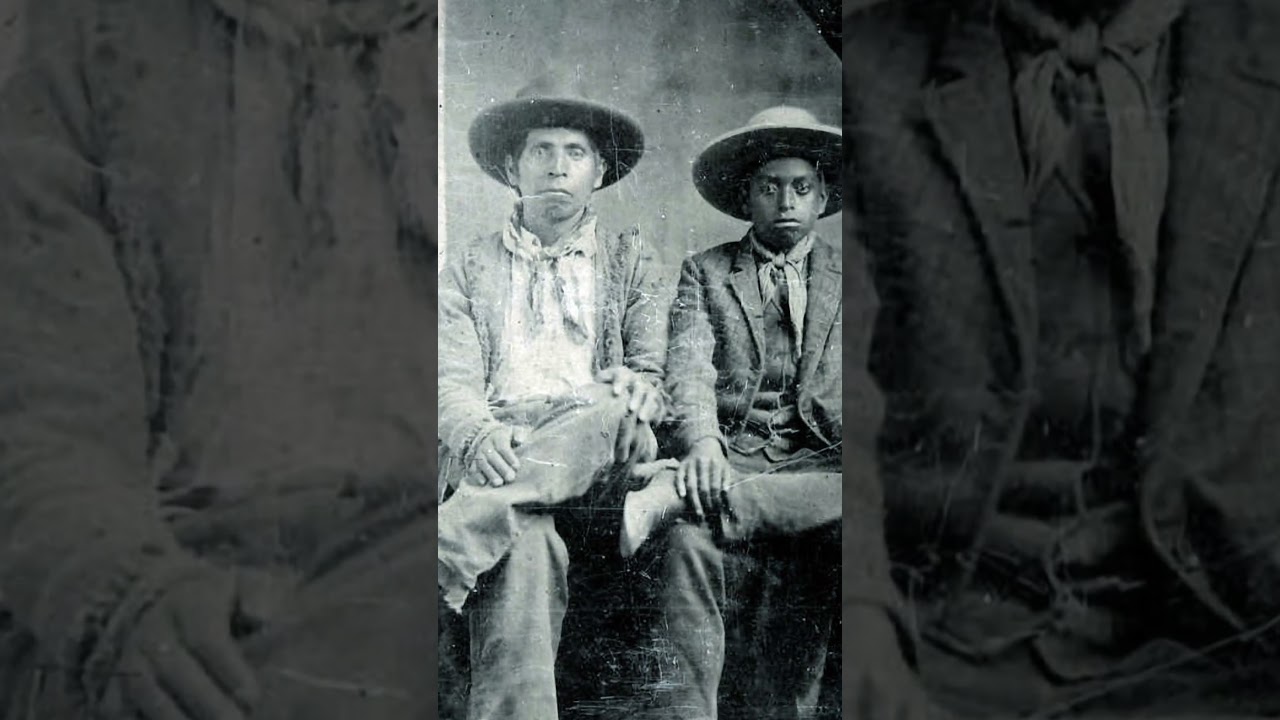
The 1990 western Young Guns 2 remains a favorite among fans of the genre, but the film took significant liberties with the real history of Billy the Kid. While the movie suggests Pat Garrett once rode with the outlaw’s gang, historians have found no evidence that the two ever committed crimes together, despite their genuine friendship in New Mexico. The film’s framing device centers on an elderly man named Brushy Bill Roberts who claims to be the real Billy the Kid. That character was based on a real person, Oliver Roberts, who came forward in the 1940s insisting he was the famous outlaw.
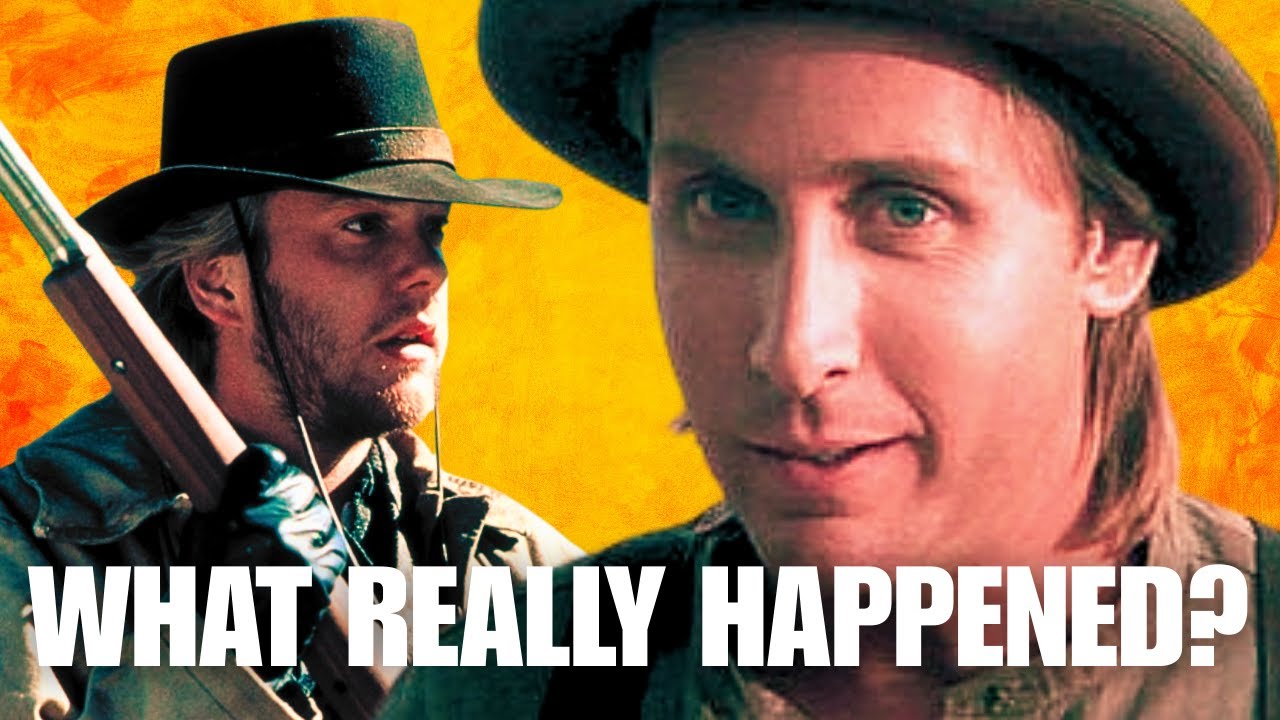
He sought the pardon that had allegedly been promised to Billy decades earlier, but his story has been thoroughly discredited by historians. Billy the Kid was indeed offered a pardon by New Mexico Governor Lew Wallace, though the real negotiations differed from the movie. It was Billy who initiated contact with the governor, not the other way around. The two met secretly in Lincoln, and Billy agreed to testify against his enemies in exchange for a pardon that never materialized.
Billy spent months under voluntary house arrest while testifying, then simply rode out of town when he realized the deal was off. The film’s portrayal of John Chisum turning against Billy is also rooted in reality, though details were embellished. Billy did attempt to extort money from Chisum, and when refused, he stole cattle from him. That theft turned Chisum into an enemy, though Billy never killed Chisum’s men as shown in the movie.
Chisum had no authority to make Garrett sheriff, but he did convince Garrett to run for office. Garrett’s primary motivation for seeking the sheriff’s badge was to hunt down Billy. The character of Arkansas Dave Rudabaugh was real, but his nickname was invented. Screenwriter and director John Fusco admitted he made up the name because it sounded better than the outlaw’s actual nickname, “Dirty Dave.
” Rudabaugh was a genuine outlaw with a violent past, but he was not known as Arkansas Dave historically. The film’s White Oaks sequence substantially altered what actually happened. The brothel owner Jane Greathouse was actually a man named Jim Greathouse, who ran a roadhouse about 40 miles from White Oaks. Deputy Carlyle was a real blacksmith who was deputized for a posse, and he did die during the confrontation.
Accounts differ on whether he was shot by the posse outside or by Billy and his men when he jumped through a window, but Billy received the blame either way. The climactic shootout involving Doc Scurlock’s death never happened. Scurlock was living in Texas at the time, having left the outlaw life behind. The man mistakenly killed during the siege was actually Charlie Bowdre, a Lincoln County Regulator who was trying to go straight.
Garrett’s men mistook him for Billy in the early morning light and shot him. After arrest, Billy was tried, convicted of murder, and taken to Lincoln to await execution. He escaped during his transfer, killing two guards in the process. Dave Rudabaugh did eventually flee to Mexico as shown in the film, but not immediately.
He lived several more years before being killed there. The movie’s ending suggests Garrett helped Billy fake his death, but the historical record contradicts this. Garrett and two deputies tracked Billy to Fort Sumner in July 1881. Billy walked into Pete Maxwell’s bedroom in the dark, unaware Garrett was there.
Garrett shot and killed him in a matter of seconds. Dozens of townspeople saw Billy’s body, a coroner’s jury investigated, and over two dozen witnesses identified the body by name. The Brushy Bill Roberts claim falls apart under scrutiny. Roberts, whose real name was Oliver, appears on census records from 1880 through 1950, establishing he was a toddler when Billy died.
His claimed insider knowledge was traced to a popular book published decades earlier, including the same historical errors. None of Billy’s actual associates ever vouched for him, and his supporting affidavits came from people who either never knew Billy or weren’t even born when he died.