Pierwsze tygodnie w domu moich dzieci były zupełnie inne, niż sobie wyobrażałam. Myślałam, że będziemy razem pić poranną kawę, rozmawiać i nadrabiać lata, które minęły. Zamiast tego każdego dnia czułam, że muszę przepraszać za samą swoją obecność.
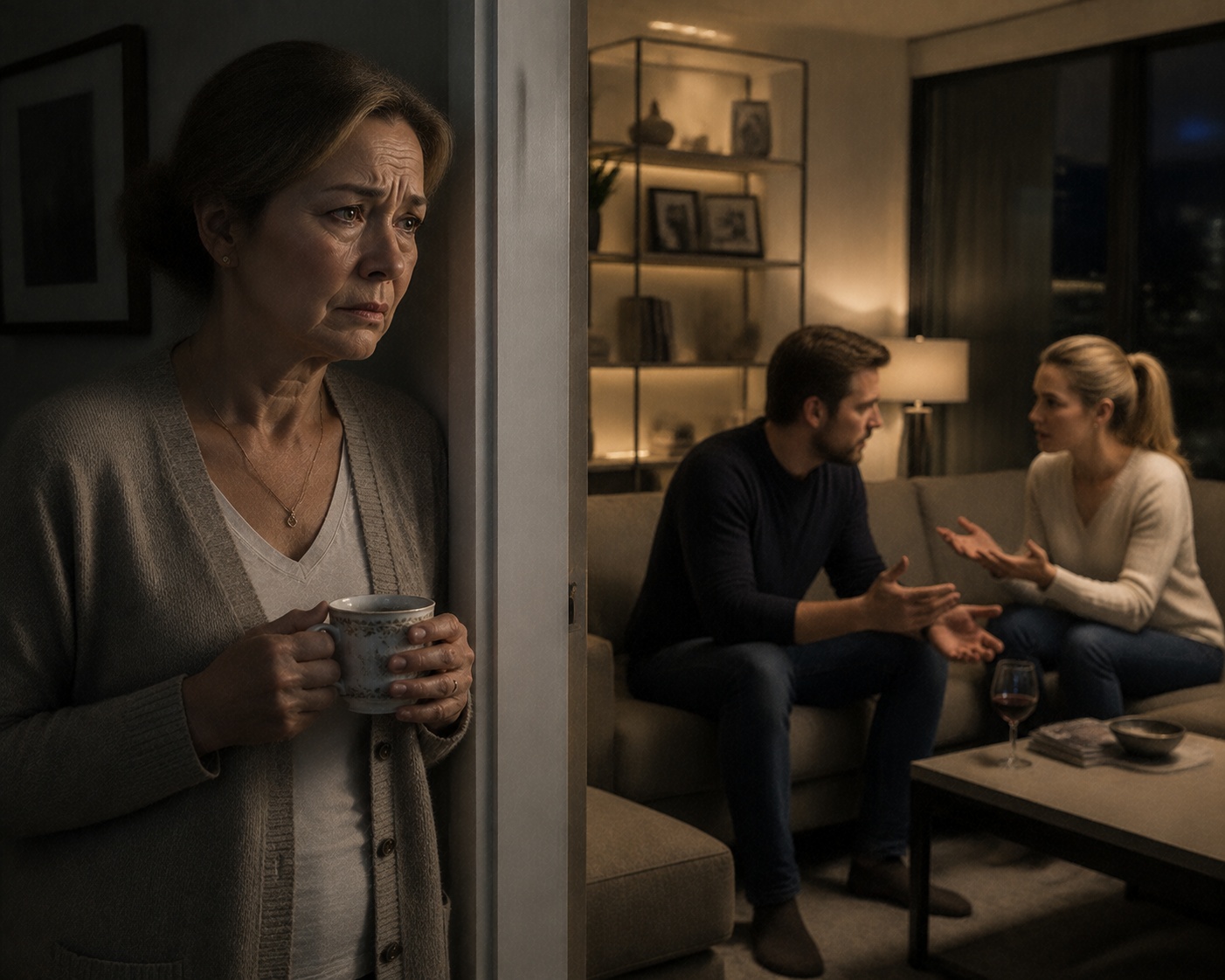
Mój syn ciągle powtarzał, że ma dużo pracy, a moja córka mówiła, że musi zajmować się własną rodziną. Rozumiałam to i starałam się nie przeszkadzać. Ale z czasem zauważyłam, że dla nich moje potrzeby zawsze były na ostatnim miejscu.
Pewnego wieczoru usłyszałam rozmowę, której nigdy nie zapomnę. Stałam w kuchni, kiedy mój syn powiedział do żony: „Nie możemy przecież trzymać mamy tutaj wiecznie”. Wtedy poczułam, jak coś we mnie pęka. Nie dlatego, że chcieli zmian. Bolało mnie, że mówili o mnie jak o problemie.
Kilka dni później moja córka zaproponowała, żebym „dla własnego dobra” zamieszkała w domu opieki. Powiedziała to łagodnym głosem, ale jej słowa zraniły mnie bardziej niż krzyk. Spojrzałam na kobietę, którą urodziłam i wychowałam, i pierwszy raz poczułam się dla niej obcą osobą.
Nie zrobiłam awantury. Nie płakałam przy nich. Po prostu poszłam do swojego pokoju i otworzyłam stary album ze zdjęciami. Patrzyłam na małe twarze moich dzieci, kiedy trzymałam je na rękach, i zastanawiałam się, gdzie zgubiliśmy tę miłość.
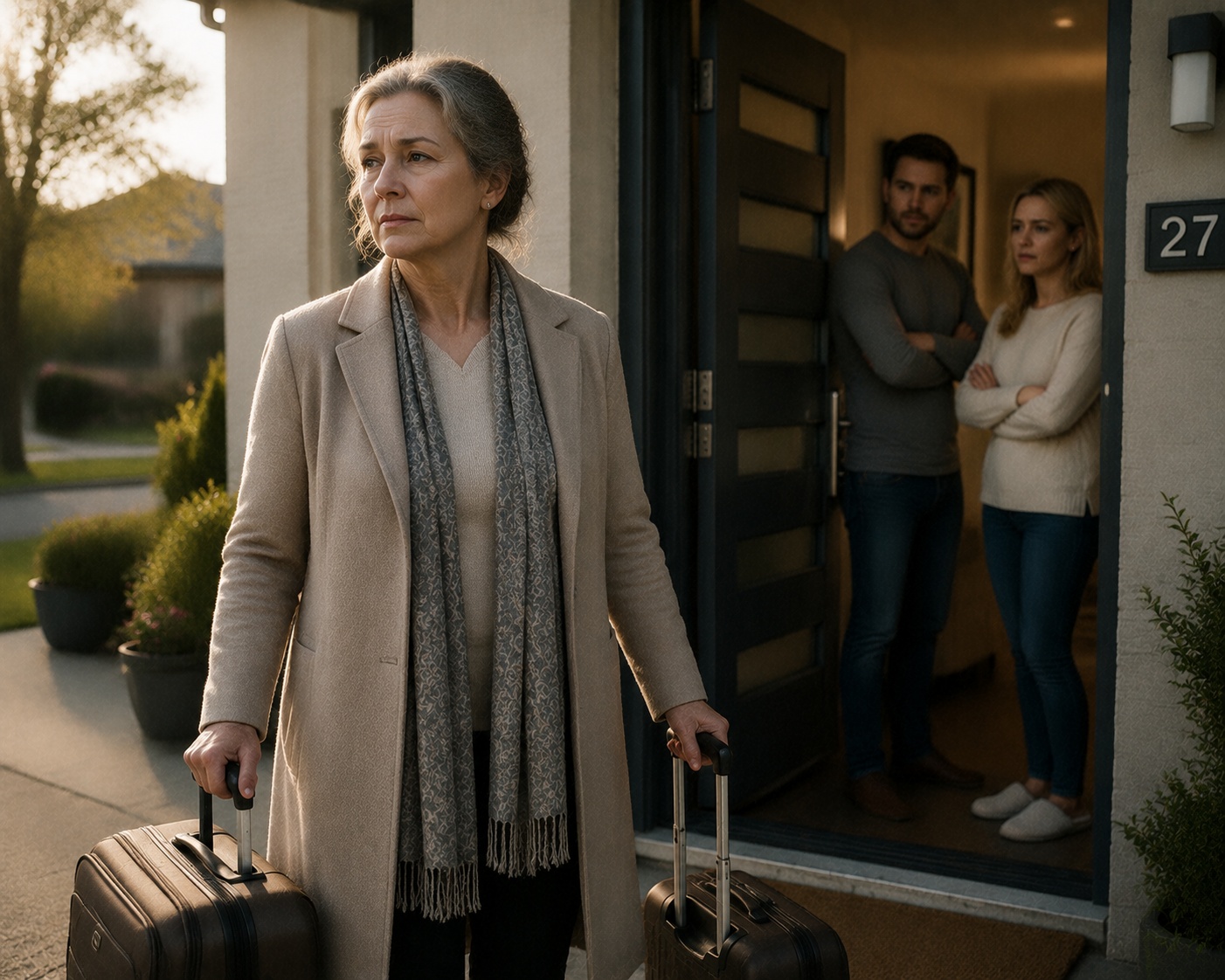
Następnego dnia spakowałam swoje dwie walizki. Te same, z którymi przyjechałam po sprzedaży domu. Moje dzieci myślały, że będę błagać, żebym mogła zostać. Ale ja już zrozumiałam jedną rzecz — nie można zmusić nikogo, żeby kochał nas tak, jak my kochaliśmy ich.
Nie miałam własnego domu, ale miałam jeszcze jedną rzecz — odwagę, żeby zacząć od nowa. Wyszłam z ich domu bez gniewu i bez nienawiści. Po prostu zamknęłam drzwi i po raz pierwszy od dawna zrobiłam coś dla siebie.
Nie wiedziałam jeszcze, dokąd pójdę. Wynajęcie mieszkania wydawało się trudne, bo większość pieniędzy ze sprzedaży domu przekazałam dzieciom na ich prośby. Czułam strach, ale gdzieś głęboko pojawiło się też uczucie wolności.
Tego samego dnia spotkałam kobietę, którą znałam tylko z widzenia. Była sąsiadką mojego dawnego domu. Kiedy zobaczyła mnie z walizkami, od razu zauważyła, że coś jest nie tak. Nie pytała z ciekawości. Zapytała z troską: „Czy ma pani gdzie dziś spać?”
Te proste słowa sprawiły, że łzy napłynęły mi do oczu. Przez lata dawałam wszystko własnym dzieciom, a pierwszą osobą, która naprawdę zapytała, czy jestem bezpieczna, była obca kobieta.
Pomogła mi znaleźć małe mieszkanie i przez kilka tygodni wspierała mnie, dopóki nie stanęłam na nogi. Nie traktowała mnie jak ciężaru. Traktowała mnie jak człowieka. Wtedy zrozumiałam, że rodzina nie zawsze oznacza więzy krwi.
Zaczęłam powoli odbudowywać swoje życie. Zapisałam się na zajęcia dla seniorów, poznałam nowych ludzi i odkryłam rzeczy, na które wcześniej nigdy nie miałam czasu. Po raz pierwszy od wielu lat robiłam coś nie dlatego, że ktoś tego ode mnie oczekiwał.
Kilka miesięcy później moje dzieci zadzwoniły. Mój syn mówił, że „może trochę przesadzili”, a córka chciała, żebym wróciła. Ale tym razem nie rzuciłam wszystkiego i nie pobiegłam ich ratować. Najpierw zapytałam samą siebie, czego ja chcę.
Spotkałam się z nimi w kawiarni. Nie krzyczałam i nie wypominałam im przeszłości. Powiedziałam tylko: „Oddałam wam dom, pieniądze i całe swoje serce. Ale nie oddam wam już prawa do decydowania, czy jestem coś warta”.
Widziałam łzy w oczach mojej córki. Widziałam też wstyd mojego syna. Nie wiem, czy kiedykolwiek całkowicie naprawią to, co zniszczyli. Ale wiem, że przebaczenie nie oznacza pozwolenia komuś na ponowne zranienie.
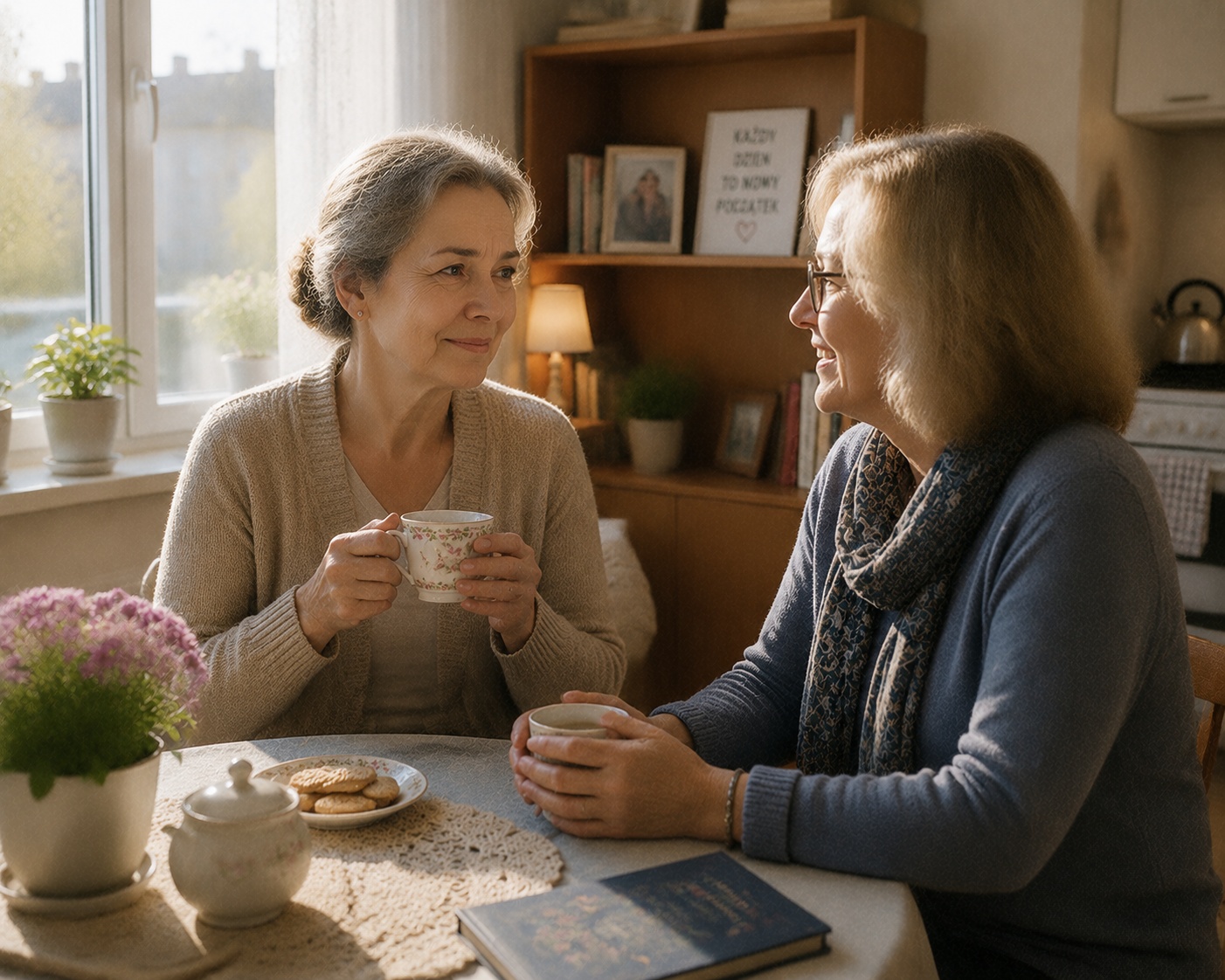
Dziś mieszkam w małym, przytulnym mieszkaniu. Nie mam już wielkiego domu pełnego wspomnień, ale mam spokój, którego przez lata mi brakowało. I nauczyłam się najważniejszej lekcji mojego życia — czasami trzeba stracić miejsce, które nazywaliśmy domem, żeby znaleźć miejsce, w którym naprawdę jesteśmy kochani.