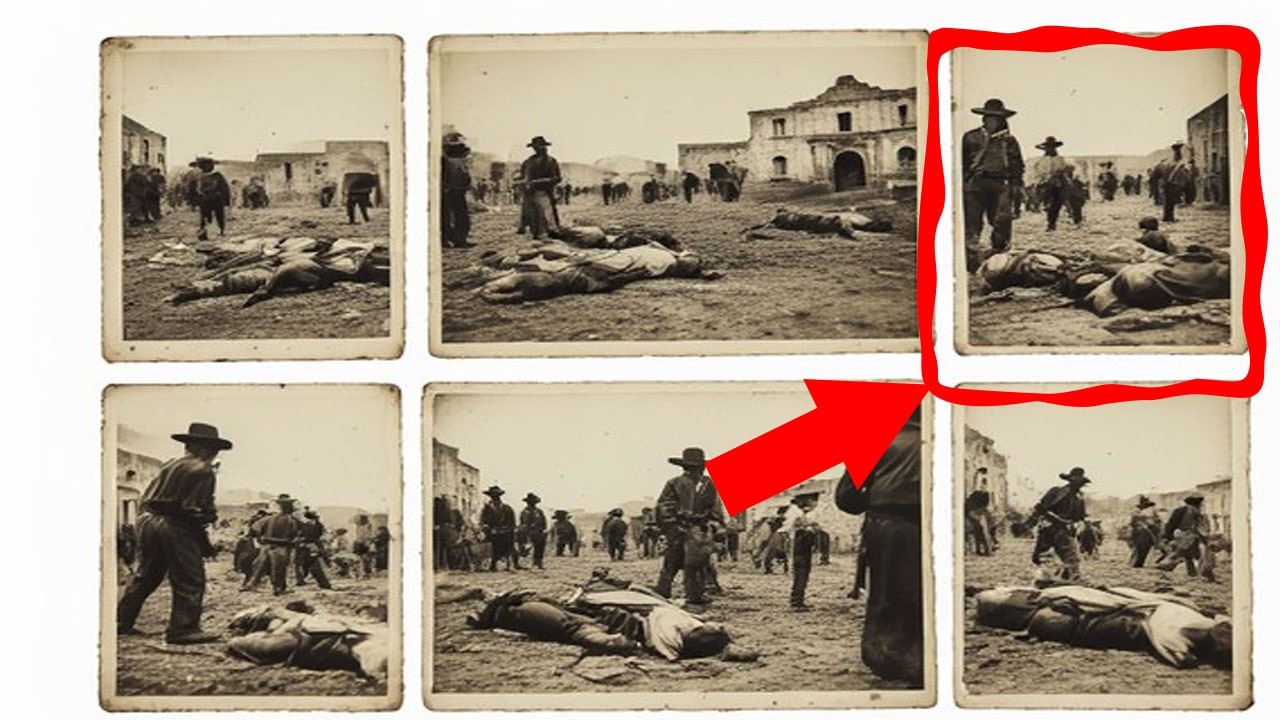
More than 150 years after Abraham Lincoln’s assassination, the official story remains a simple one: John Wilkes Booth fired a single shot, fled, and was killed 12 days later. But hidden evidence, silenced witnesses, and unanswered questions have long suggested the truth may be more complicated. The most personal piece of that puzzle is Booth’s own pocket diary, recovered from his body after he was cornered and killed in a Virginia barn on April 26, 1865. Inside were his private thoughts written while wounded and on the run.
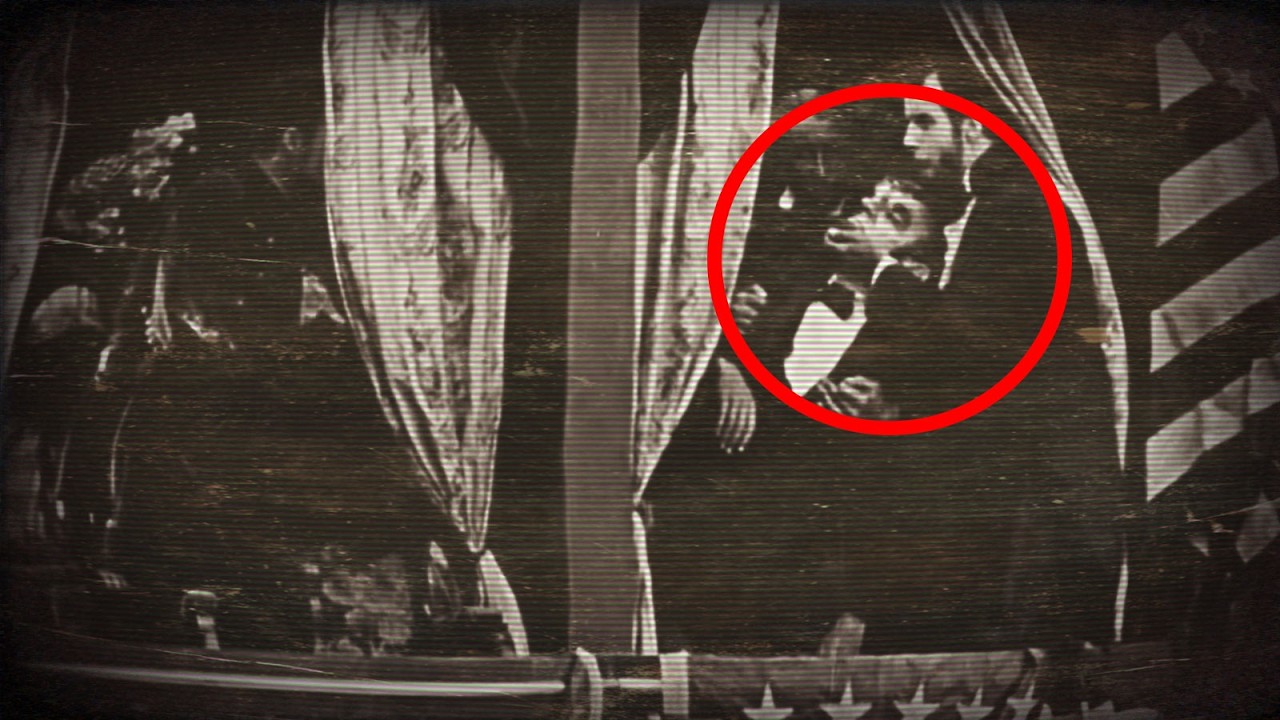
They were not courtroom transcripts or secondhand reports, but his own words. Booth did not sound triumphant in those pages. He sounded desperate, bitter, and at times broken. One entry reads, “I am here in despair.
And why? For doing what Brutus was honored for. ” He cast himself as a Roman hero, but admitted despair in the same breath. He saw Lincoln as a tyrant who had destroyed the South and overstepped the Constitution.
To him, the assassination was justice, not murder. But his writings also reveal doubt. He wrote that he was abandoned, “with the curse of Cain upon me. ” He felt cursed, not celebrated, and he was surprised that the South did not rally to him.
Physical pain consumed him. He had shattered his leg jumping from the theater balcony after shooting Lincoln. He wrote about swelling, throbbing pain, and endless fatigue as he moved through swamps and forests. He begged God for deliverance, yet kept insisting he was no criminal.
The diary reads like a tug-of-war between conscience and conviction. One line pleads for forgiveness. The next declares glory. He wrote about betrayal, claiming people he trusted, including those who once called him friend, had turned on him.
He never named them. As an actor, Booth shaped his words like dialogue, quoting plays and invoking history. In his mind, he was not just a fugitive but a character in a grand drama. He admitted he thought the South would support him and that he expected support that never came.
Forensic studies later confirmed the entries were authentic. Scientists used infrared imaging to study the ink and impressions, finding his shaky handwriting matched the stress of someone injured and on the move. There were no hidden codes. Just a wounded man’s confession to himself.
Even so, Booth refused to surrender his pride. He wrote, “I have too great a soul to die like a criminal. ” He framed himself as a misunderstood hero and pleaded for future generations to see his courage instead of his crime. The diary is not an apology.
It is a plea for legacy. But here is the strange part. When the diary reached investigators, nearly 18 pages were missing. Some modern archivists believe even more, possibly 40 sheets, were removed.
The stubs proved the pages had once existed. They were not blank. They were taken out. The cuts were not ragged.
They were clean, straight, and deliberate, as if done with a sharp knife or scissors. Forensic analysts confirmed this was not the work of a fugitive writing by firelight. It was the work of someone with steady hands, after the fact. The diary went directly to Secretary of War Edwin Stanton’s office.
It was not mentioned publicly for nearly two years. When it finally appeared during congressional hearings in 1867, members of Congress immediately noticed the missing pages. Modern imaging techniques found faint marks on the stubs, showing that writing once pressed against them. That proves the pages carried words now lost.
What was written on them remains unknown. Some historians argue the missing leaves may have named powerful individuals who supported Booth or sympathized with his cause. Others suggest the pages contained nothing more than rambling notes and personal reflections. But if that were true, why remove them at all?
The diary remains in the collection of Ford’s Theater Museum, handled under strict conditions. Edwin Stanton looms over this mystery. On the night of the assassination, he arrived at the boarding house where Lincoln lay dying and took command. He ordered the streets patrolled, the city sealed, and couriers sent racing with news.
From that moment, he was controlling the narrative. Stanton quickly cast Booth as the lone villain. Any whispers of wider plots were brushed aside. Booth’s belongings, letters, and diary all went to Stanton’s office.
Nothing was shown to the public until Stanton decided it was time. Even Congress had to wait. Stanton insisted the accused co-conspirators be tried by a military tribunal rather than civilian court. Rules were looser, secrecy was easier, and the outcome could be shaped.
Eight suspects were tried, four were hanged, and the proceedings were shielded from public scrutiny. Modern legal scholars question whether Stanton overstepped the Constitution. The war had ended, Washington was not under martial law, and the accused were civilians. By pushing them into a military court, Stanton guaranteed a quicker, harsher process with fewer rights for the defense.
Stanton also kept newspapers on a short leash, feeding them official bulletins crafted to project confidence and certainty. Critics say he had more than patriotism on his mind. Lincoln had been pushing a soft peace with the South, while Stanton and the radical Republicans wanted harsher reconstruction. Theories have long swirled that Stanton may have suppressed details.
Did he cut pages from Booth’s diary? Did he silence inconvenient witnesses? We may never know, but he alone had the opportunity. Even Booth’s death was managed under Stanton’s shadow.
When the fugitive was trapped in a Virginia barn, soldiers shot him before he could be taken alive. Stanton confirmed the body as Booth’s, ordered it hidden, and restricted public access. No open viewing, no photographs released. The public simply had to trust his word.
The escape itself is its own mystery. For 12 days, a man with a broken leg stayed ahead of the largest manhunt in American history. After shooting Lincoln, Booth leapt to the stage, shattered his leg, and staggered out the back door. A waiting horse was part of the plan.
He rode through the dark streets of Washington, joined by accomplice David Herold. Together, they crossed the Navy Yard Bridge into Maryland. Soldiers at the checkpoint let them through, even though the city was already on alert. By dawn, they arrived at the home of Dr.
Samuel Mudd. Mudd splinted Booth’s leg and gave them a place to rest. The visit was planned. Booth already knew Mudd from earlier meetings while plotting Lincoln’s kidnapping in 1864.
From there, Booth and Herold pushed south into the swamps of Maryland, aided by Confederate sympathizers who brought food and news. On April 21, they crossed the Potomac River with the help of Thomas Jones, a former Confederate spy. Jones gave them a boat and instructed them on the currents. He never faced punishment, even after confessing his role in print.
Once in Virginia, they relied on safe houses and sympathetic farmers. Richard Garrett eventually gave them shelter at his tobacco farm near Port Royal, thinking Booth was just a crippled Confederate soldier trying to get home. By April 26, Union cavalry had tracked them to Garrett’s farm. Soldiers surrounded the barn.
Herold surrendered, but Booth refused, shouting he would not be taken alive. The soldiers set the barn on fire. In the chaos, a shot rang out, striking Booth in the neck. He died hours later at age 26.
Modern historians have traced Booth’s escape using maps, GPS, and land records. The routes he chose were known smuggling paths used during the war. He tapped into an organized network. Booth was not improvising.
He was following a plan designed before the shot was fired. That raises a chilling possibility. If Booth had that much support, who else knew? Was the network limited to Confederate diehards, or did it stretch into Washington itself?
Dr. Samuel Mudd’s role has been debated for over 150 years. At his trial, prosecutors argued he knew exactly who he was helping. The tribunal agreed, sentencing him to life in prison.
But Mudd claimed he did not recognize Booth, who was disguised, exhausted, and injured. Modern historians are divided. Some believe Mudd was a scapegoat, punished because the government wanted to send a message. In prison, Mudd earned respect for his medical skills.
When a yellow fever outbreak struck Fort Jefferson in Florida, he cared for both inmates and guards, saving many lives. President Andrew Johnson pardoned him in 1869. But a letter written by a fellow prisoner suggests Mudd privately admitted knowing Booth. Another record shows he misled investigators about how quickly Booth left his farm.
At worst, Mudd was guilty of aiding Booth after the fact. At best, he was a frightened doctor caught in a storm far larger than himself. His descendants petitioned Congress in the early 2000s to declare him innocent. The resolution failed.
Other witnesses raised questions too. William Ferguson, a stagehand at Ford’s Theater, swore he heard two distinct gunshots, separated by a few seconds. At least three other accounts from that night mentioned a second report. An army officer told Ferguson not to repeat what he had heard.
Defenders of the official account point to acoustics. The theater was packed with nearly 1,700 people. The laughter, the echo, and the panic could have made one shot sound like two. Modern sound analysis supports this view.
Medical evidence also supports the official version. Lincoln had one wound, a single bullet to the back of the head, fired at point blank range. But if it was only confusion, why did investigators actively suppress those testimonies? They were brushed aside and erased from the official record.
That act alone keeps suspicion alive. The greatest doubt of all concerns the body itself. No photographs of Booth’s corpse were released. No open casket.
His family was not allowed to see him. His remains were hidden under a military prison floor in a secret grave. Identification relied on a tattoo of Booth’s initials on his hand, a scar on his neck, and the broken leg splinted by Dr. Mudd.
But years later, undertakers and even some family members questioned the match. One said the corpse looked too old. Another claimed the hair color was wrong. Booth’s own mother reportedly wept in doubt.
Rumors spread that Booth had escaped, that the man shot in Garrett’s barn was a decoy. One enduring legend points to Oklahoma, where a man named David E. George committed suicide in 1903. On his deathbed, he allegedly confessed, “I am John Wilkes Booth.
” His embalmed body was toured across the country. In the 1990s, Booth’s descendants petitioned to exhume his grave in Baltimore for DNA testing. A Maryland court denied the request. Researchers also proposed extracting DNA from Booth’s cervical vertebrae, preserved in the National Museum of Health and Medicine.
The museum refused, citing preservation concerns. Modern forensic experts say DNA testing could easily solve the mystery today. Yet the tests have never been allowed. Officials say there is no reason to disturb settled history.
Skeptics say it is fear of what the results might reveal. On one side lies the weight of official evidence: the tattoo, the scar, the broken leg, and multiple identifications in 1865. On the other side lies the secrecy, the missing photographs, the blocked exhumations, and the persistent legends of escape. If Booth really did slip away, it would mean the greatest manhunt in American history ended in failure and that those in power covered it up.
Until DNA testing is done, the final chapter of Lincoln’s assassination remains unwritten.